

A newly planted tree needs more than a general-purpose feed to establish strong roots. Gardeners looking for a dedicated root stimulator for trees need to match the product to the actual problem: phosphorus supplementation, transplant support, balanced nutrition, or adding beneficial fungi to the soil.
That distinction matters because these products do different jobs. Some deliver specific nutrients, while others introduce microorganisms that help roots interact with soil. The six options below cover established fruit and flowering trees, young transplants, houseplants, and larger soil-preparation projects, giving you a practical way to narrow the field.
An Overview Of The Picks

Supply Solutions 0-45-0 Triple Superphosphate Fertilizer with 13.5% Calcium, 10-Pound
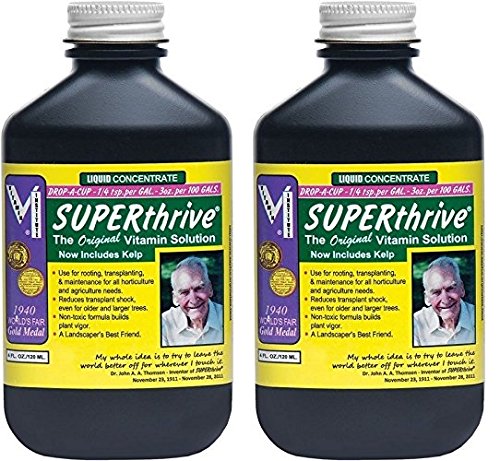
SUPERthrive Original Plant Vitamin Solution, 4-Ounce 2-Pack

Foliage-Pro 9-3-6 Plant Food, 32 oz

Organo Republic Mycorrhizal Fungi Soil Inoculant, 4-Ounce, 100,000 Propagules

Organo Republic Mycorrhizal Fungi Soil Inoculant, 1-Pound, 400,000 Propagules

Organo Republic Mycorrhizal Fungi Soil Inoculant, 8-Ounce, 200,000 Propagules
A Closer Look At Each Pick
A fruit tree that has gone into the ground with weak growth may need phosphorus rather than another broadly balanced feed. This triple superphosphate uses a 0-45-0 analysis, meaning it supplies no nitrogen or potassium but focuses heavily on phosphate, with 13.5% calcium included in the formulation.
For roses, citrus, hydrangeas, vegetables, and fruiting trees, that nutrient profile makes more sense than a general-purpose food. The 10-pound package suits established beds and repeated garden use, although it is more than many indoor-plant owners need.
Useful Highlights
- Targets phosphorus needs during root development and bud formation.
- Supports flowering, fruiting, and root-related growth across indoor and outdoor plants.
- Works with lawn and garden spreaders for even distribution.
- Useful as a seasonal soil amendment for trees, lawns, and flower beds.
Trade Offs
- The absence of nitrogen and potassium makes this a targeted supplement, not a complete balanced feed.
- A concentrated phosphorus formula calls for careful measurement against the needs of the plant and soil.
Key Specs
Who It Suits Best
You benefit most from this fertilizer when phosphorus and calcium are the specific priorities for flowering or fruiting trees.
Where Another Pick Suits Better
Organo Republic Mycorrhizal Fungi Soil Inoculant, 8-Ounce suits gardeners adding beneficial fungi rather than a phosphorus fertilizer.
Unlike the dry phosphorus concentrate from Supply Solutions, SUPERthrive arrives as a concentrated liquid made for dilution. Its kelp-based vitamin solution is intended to support plant vigor and ease transplant adjustment, making it a practical fit for moving houseplants, seedlings, and garden plants into new containers.
The 4-ounce bottle comes in a two-pack, giving you enough solution for multiple transplanting tasks without committing to a large container. Accurate dosing remains the key, since the instructions call for one drop per 4 ounces of water.
Everyday Perks
- Specifically positioned for reducing transplant shock.
- Works for both indoor and outdoor plants.
- The liquid formula makes measured dilution straightforward.
- Two bottles accommodate several separate transplanting sessions.
Points To Note
- Accurate dilution matters because the direction is one drop for every 4 ounces of water.
- The product is intended for use within two years of purchase, so storage duration deserves attention.
Feature Snapshot
Made For
This option suits beginners transplanting container plants or garden seedlings who prefer simple liquid dosing.
Consider Something Else When
Supply Solutions 0-45-0 Triple Superphosphate Fertilizer with 13.5% Calcium serves a specific phosphorus need that this vitamin solution does not replace.
Where SUPERthrive focuses on transplant adjustment, Foliage-Pro provides a conventional NPK plant food in a 32-ounce package. The 9-3-6 ratio contains 9 parts nitrogen, 3 parts phosphorus, and 6 parts potassium, giving trees a broader nutrient profile than a phosphorus-only treatment.
That balance makes more sense for routine plant care across a mixed garden than for a narrowly defined root-building treatment. The honest read is that this is a general plant food, so tree suitability and application guidance deserve a close look before you add it to a planting plan.
Strong Points
- Supplies all three primary macronutrients represented in an NPK fertilizer.
- The 32-ounce package is convenient for a home garden and multiple plantings.
Some Limits To Know
- Its 3-part phosphorus level is lower than the 45-part emphasis in Supply Solutions.
- Check the product directions for tree use and application rate before treating a new planting.
Right Fit For
This plant food suits gardeners who want balanced NPK nutrition for a mixed collection of trees, shrubs, and flowers.
A Better Fit Elsewhere
Organo Republic Mycorrhizal Fungi Soil Inoculant, 4-Ounce better serves a planting project centered on introducing beneficial root-associated fungi.
Moving away from NPK ratios, this Organo Republic option works through mycorrhizal fungi, microorganisms that form associations with plant roots. The 4-ounce package contains 100,000 propagules, meaning the fungal material capable of producing new colonies, and is positioned for soil activation and root support.
It makes the most sense during planting or soil preparation, especially for gardeners establishing trees in a new bed. The listed OMRI designation adds a useful purchasing check, while the biological approach remains different from delivering phosphorus or potassium directly.
Notable Upsides
- Introduces root-associated fungi rather than relying only on direct nutrients.
- A compact package suits individual trees, small beds, or container work.
- The 100,000-propagule count provides a clear measure of the product’s concentration.
- Supports plant establishment during soil preparation and transplanting.
Practical Considerations
- A soil inoculant does not replace a fertilizer formulated to supply specific nutrients.
- The compact pack may be less practical for broad orchard or landscape work.
Best Suited To
This inoculant fits tree planters who want to introduce beneficial fungi into prepared soil without buying a large bulk package.
Another Choice May Suit
Foliage-Pro 9-3-6 Plant Food, 32 oz fits gardeners whose priority is balanced plant nutrition rather than fungal soil inoculation.
The 1-pound version scales up the Organo Republic soil-inoculant approach, carrying 400,000 propagules in each pack. That makes it the more substantial format of the three fungal products here, useful for multiple trees, larger prepared beds, or repeated soil-preparation work.
Its concentration and larger package are the important distinctions, not a different application concept. You still get the same mycorrhizal fungi approach, so this is the format to consider when a small 4-ounce pack would be opened and exhausted too quickly.
Well-Handled Touches
- Provides 400,000 fungal propagules in a single pack.
- The larger format suits multiple planting areas or repeated projects.
- Supports germination, root development, and soil biology during establishment.
- OMRI Listed status provides a distinct purchasing consideration.
Details To Watch
- A one-pound package demands more storage space than the smaller options.
- Package size does not replace following the labeled application method.
Technical Highlights
Who Will Love This
This pack appeals to orchard-minded gardeners and landscapers preparing several planting sites at once.
Reach For A Different Pick When
Organo Republic Mycorrhizal Fungi Soil Inoculant, 4-Ounce is easier to manage for one tree or a small container project.
The 8-ounce pack lands between Organo Republic’s 4-ounce and 1-pound formats, carrying 200,000 propagules. You get more material than the compact option without taking on the storage and handling demands of the pound-sized pack, which is a sensible middle ground for a moderately sized planting project.
It retains the same soil-inoculant purpose, bringing root-associated fungi into the planting process rather than supplying a defined NPK ratio. Depending on your soil and planting method, that biological approach may be the more relevant choice for young trees, while established feeding needs may still call for a separate nutrient product.
Points In Its Favor
- Balances pack size and propagule quantity between the two other Organo Republic options.
- Supports root development, foliage, and blooms during plant establishment.
- OMRI Listed and positioned for both indoor and outdoor growing contexts.
Possible Compromises
- It contains fewer propagules than the 1-pound package, so larger projects may need more.
- Weight alone does not determine application coverage, so follow the product directions.
At A Glance
The Right Fit
This size suits gardeners preparing a small orchard, several new tree sites, or a substantial container-planting project.
Swap It Out When
Organo Republic Mycorrhizal Fungi Soil Inoculant, 1-Pound better fits a large soil-preparation job with many planting areas.
What To Look For In A Root Stimulator
Start with the job your tree needs rather than the product name. A phosphorus supplement serves a different purpose from a transplant vitamin or fungal inoculant. Ask whether the tree is newly planted, recently moved, struggling in depleted soil, or simply part of a mixed garden that receives routine feeding.
NPK numbers express the relative proportions of nitrogen, phosphorus, and potassium in a fertilizer. Nitrogen supports leafy growth, phosphorus relates to root and bud development, and potassium supports general plant function. A 0-45-0 product is highly targeted, while 9-3-6 provides a broader but less phosphorus-heavy balance.
Timing and application also affect the result. A liquid transplant treatment is convenient for container work, a dry phosphorus fertilizer suits bed and spreader application, and a soil inoculant is most relevant while preparing planting soil. Follow each label’s directions rather than estimating a rate from the package size.
Match the Nutrient Profile
Read the nutrient analysis before selecting a fertilizer for a specific tree. Double superphosphate and 9-3-6 plant food serve different needs, so the higher phosphorus number does not automatically make one product better.
Consider Biological Support
Mycorrhizal fungi form beneficial relationships with plant roots and can be useful during establishment. This approach is different from feeding the plant directly, so assess whether your soil preparation plan includes both nutrition and biological support.
Scale the Package to the Job
A 4-ounce inoculant works well for small projects, while an 8-ounce or 1-pound pack reduces the need to open several containers. The 10-pound dry fertilizer makes more sense for repeated bed and lawn applications than for a handful of indoor pots.
Root Care Details That Change The Decision
Mistakes Worth Dodging
Choosing a product solely because it says “root stimulator” can leave the underlying need unaddressed. Match phosphorus, balanced nutrients, transplant support, and fungal inoculation to the specific stage and scope of your planting.
When Paying More Pays Off
A larger pack can make sense when one project includes many trees or repeated soil preparation. For a single container or small bed, a smaller package may offer easier storage and more practical handling.
Frequently Asked Questions
Do all root stimulators feed trees the same way?
No. Some provide specific nutrients, such as phosphorus and calcium, while others supply vitamins or introduce beneficial fungi. The right choice depends on what your tree and soil actually need.
Can triple superphosphate be used for fruit trees?
It can provide the concentrated phosphorus and calcium this formulation is designed to supply. Use the label directions and account for the soil’s existing nutrient status to avoid unnecessary phosphorus.
When is a mycorrhizal inoculant most useful?
It fits naturally into planting and soil-preparation work, especially when introducing root-associated fungi around young trees. It supplements root-zone biology rather than replacing balanced fertilization.
Is 9-3-6 plant food a dedicated root stimulant?
Not by its formulation alone. The 9-3-6 ratio offers balanced NPK nutrition, with less phosphorus than a triple superphosphate treatment, so it suits routine feeding more than a narrowly targeted phosphorus need.
Which Organo Republic inoculant size should you select?
Choose the 4-ounce pack for small projects, the 8-ounce pack for moderate work, and the 1-pound pack for larger planting programs. Propagule counts and package size make the differences easy to compare.
Final Verdict
A root stimulator for trees can take several forms, and the right option depends on the job. Select a phosphorus-focused fertilizer for a specific nutrient need, a transplant vitamin for newly moved plants, balanced NPK for routine care, or a fungal inoculant for soil and root establishment. Matching the product to your planting stage keeps the decision clear and practical.
