Bagged mulch can handle several jobs at once, from covering exposed soil around trees to improving moisture retention in raised beds. The right choice depends on whether you want loose organic material, a compact block that expands with water, a sheet for row coverage, or an adhesive for stabilizing decorative stone. These six options cover distinct landscaping tasks, so you can match the material to the job rather than choosing by bag size alone.
Shredded paper board gives this mulch a softer, more natural-brown appearance than the black film in Eco-One OXO. You can spread it across garden beds, around trees, or beneath another mulch layer when you want a biodegradable material that gradually returns to the soil.
The strongest benefit is its combined moisture-retention and ground-cover role. For most home gardens, that makes it a practical choice for protecting exposed soil, although you may need several bags for a broad planting area.
Where It Helps
✓Recycled paper board creates useful ground coverage.
✓Helps soil hold moisture between watering sessions.
✓Forms a layer that lets water reach plant roots.
✓Works in beds, around trees, and beneath decorative mulch.
Practical Considerations
•The 42-quart volume may require multiple bags for larger beds.
•Its natural biodegradability means you will need to replenish the layer as it breaks down.
Key Details
Feature
Specification
Why It Matters
Material
Shredded recycled paper board
Provides lightweight ground coverage
Color
Natural brown
Blends into earth-toned garden settings
Volume
42 quarts
Suitable for defined planting areas
Moisture role
Supports consistent soil moisture
Reduces exposed soil drying
Made For
You benefit most from this option when you maintain garden beds or tree rings and want a recycled material that helps limit drying.
A Better Fit Elsewhere
Back to the Roots Organic Coconut Block suits you better when compact storage and expansion with water matter more than loose brown coverage.
Natural hardwood gives this option a familiar woodland look, making it a sensible fit around trees and in large planters. Unlike the recycled paper fiber from MIGHTY109 Eco Fiber Mulch, this material comes from untreated forest products, so you can create a wood-toned surface without choosing a colored bark blend.
The shredded texture supports even spreading across irregular planting spaces and pathways. It also helps limit moisture loss from covered soil, which makes the material useful during warm, dry stretches.
Real Benefits
✓Natural hardwood suits traditional landscaping.
✓Untreated forest material fits untreated garden areas.
✓Shredded texture spreads across uneven ground.
✓Can surround planters, trees, and pathways.
Worth Noting
•The 42-quart bag can occupy meaningful storage space before spreading.
•Plan your coverage carefully because loose wood mulch requires more material for broad areas.
Right Fit For
This option fits you best when you want an untreated, natural-wood appearance around trees, planters, or pathways.
Where Another Pick Shines
MIGHTY109 Eco Fiber Mulch 42 Qt serves you better when recycled paper material and natural biodegradability are your main priorities.
A compact coconut-husk brick changes the storage story found with both MIGHTY109 loose mulch options. You add water, and the block expands into 2 cubic feet of light, fluffy material, making it easier to keep on hand until a raised bed or garden project is ready.
The material is also suitable for pet bedding, so you can reuse it beyond planting areas. For raised-bed growers seeking moisture retention and improved soil aeration, its water-activated expansion makes handling the one-time preparation step easy to understand.
Everyday Perks
✓Stores compactly before water is added.
✓Expands to 2 cubic feet for planting projects.
✓Supports soil moisture and aeration.
✓Can serve as pet bedding too.
Room For Improvement
•You must add water and allow the block to expand before application.
•Plan storage for the expanded volume rather than the compact brick alone.
Quick Facts
Feature
Specification
Why It Matters
Form
Expanding coconut-husk block
Reduces loose-material storage
Expanded volume
2 cubic feet
Provides useful bed coverage
Application
Add water before use
Creates a loose mulch texture
Additional use
Pet bedding
Extends household versatility
Built With In Mind
This block suits you best when storage space is limited or you want one material for raised beds, garden use, and pet bedding.
Reach For A Different Pick When
Teexpert 1 Gallon Double-Concentrated Fast-Dry Rock Glue fits your project better when you need to stabilize loose gravel rather than cover planting soil.
This adhesive solves a different problem from loose bagged mulch: keeping decorative gravel, pea stones, river rocks, and crushed stone in place. Its concentrated formula has a listed viscosity of 12,000 mPa.s, a technical measurement describing how strongly the liquid resists flowing, and it is designed to remain permeable to water.
You may find this more useful for a defined patio edge, garden path, or stone bed than for a broad mulched planting area. The water-based formula and fast-drying design support focused landscape work, while the 255-ounce container handles more surface than a small squeeze bottle.
Positive Points
✓Helps reduce decorative stone movement.
✓Water-based formula suits permeable landscapes.
✓Concentrated viscosity supports broad coverage.
✓Works with several common stone types.
Things That May Matter
•This is a stone adhesive, not a loose soil mulch.
•Follow the label for surface preparation, coverage, and drying time.
Made For
This product suits you best when you are securing decorative gravel or small stones in a defined outdoor landscape area.
Swap It Out When
MIGHTY109 Untreated Wood Mulch 42 Qt is the better choice for you when you need natural ground cover rather than bonded stone.
Compared with the 255-ounce Teexpert binder, this one-gallon container gives you more product for a larger gravel installation. It carries the same double-concentrated formula with a listed viscosity of 12,000 mPa.s, making it the more practical scale for patios, garden paths, and yards with substantial decorative stone.
The fast-drying positioning helps keep your project moving, while the water-based adhesive remains intended for outdoor landscaping surfaces. You still need the stone, suitable application conditions, and enough working room to spread the gravel evenly.
Where It Excels
✓One-gallon size suits broader stone areas.
✓Fast-drying format supports staged projects.
✓Water-based adhesive works with decorative gravel.
✓Concentrated formula reduces the amount needed.
Possible Compromises
•You need separate decorative stone for the finished surface.
•The container may be more than you need for a small garden border.
Feature Snapshot
Feature
Specification
Why It Matters
Container size
1 gallon
Supports larger landscape areas
Viscosity
12,000 mPa.s
Describes the concentrated formula
Formula type
Water-based adhesive
Suits outdoor stone applications
Drying behavior
Fast-drying
Supports efficient project progression
Who Should Grab It
This option fits you best when a patio, yard, or garden path requires a larger quantity of concentrated gravel binder.
Not Your Match When
Back to the Roots Organic Coconut Block suits you better when you need expandable mulch for planted beds instead of a stone adhesive.
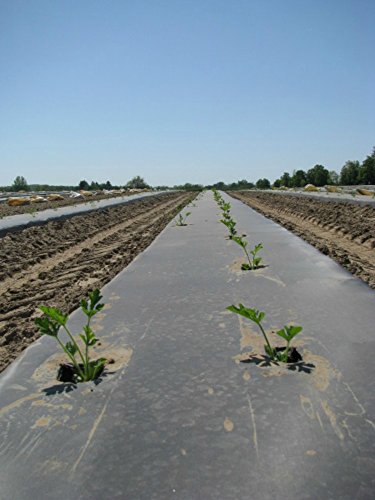
A 4-by-100-foot sheet offers a different approach from the loose and expandable materials earlier in the lineup. You cut the film to fit flat or raised beds, where the thin black surface covers exposed soil and can improve growing conditions.
The film is designed to hold a close fit over the bed, which matters when you want a continuous surface rather than a naturally irregular layer of chips. Its degradable construction also makes it a more specialized option than ordinary plastic sheeting, while the long roll reduces the need for short pieces.
Notable Gains
✓Long roll fits full growing beds.
✓Black film creates continuous soil coverage.
✓Designed for both flat and raised beds.
✓Degradable material suits temporary seasonal use.
Less Ideal Details
•You must cut and fit the film over the bed.
•It does not provide the loose texture of shredded mulch.
Technical Reference
Feature
Specification
Why It Matters
Dimensions
4 feet by 100 feet
Covers elongated growing areas
Thickness
0.5 mil
Provides a thin ground-cover film
Color
Black
Creates a uniform bed surface
Material behavior
Degradable
Supports seasonal bed covering
The Right Fit
This film suits you best when you maintain flat or raised growing beds and prefer a continuous sheet over loose mulch.
Consider Something Else When
MIGHTY109 Eco Fiber Mulch 42 Qt fits you better when you want to spread a loose layer around individual plants and trees.
## Match Mulch To The Landscape
Volume tells you how much ground you can cover, but material and placement should guide the decision first. A bagged surface, expanding block, sheet film, and gravel adhesive each solve different problems, even when they appear in the same landscaping project.
### Choose By Location
Garden beds and tree rings benefit from loose material that can be shaped around individual plants. Paths require a surface that suits foot traffic, while gravel areas need either enough depth to remain stable or an adhesive designed to hold decorative stones in place. Check the intended location before considering package size.
### Compare Material Behavior
Paper fiber biodegrades naturally, shredded hardwood provides a wood-toned surface, and coconut husk expands after wetting. Film covers a bed as a continuous sheet, while rock glue binds loose aggregate. Each has a different appearance and installation method, so the practical handling matters as much as the finished look.
### Plan Around Storage And Coverage
A compact block takes less room before preparation, yet you need space for its expanded volume. Loose mulch arrives ready to spread, and a film or adhesive container needs a safe, dry place between projects. Measure your bed or stone area first so you can choose a realistic quantity.
## Mistakes Worth Dodging
### Wrong Material For The Surface
Choose mulch for planted soil and rock glue for gravel. Using one as a substitute for the other adds unnecessary work and may leave you with the wrong result.
### Ignoring Bed Dimensions
Measure width and length before cutting film or opening loose mulch. A little planning prevents short pieces and uncovered sections.
### What Separates Premium From Basic
A larger container or more concentrated formula can reduce repeated handling on substantial projects. The upgrade matters most when your area is large enough to use the extra quantity, not for every small patch.
## Frequently Asked Questions
### What type of bagged mulch is best for garden beds?
MIGHTY109 Eco Fiber Mulch 42 Qt is a practical fit for moisture retention and natural ground coverage. Back to the Roots Organic Coconut Block also works well when you prefer compact storage and expansion with water.
### Is coconut husk mulch better than shredded wood mulch?
Coconut husk offers a compact block that expands after watering, while shredded wood spreads directly from the bag. Choose coconut material for storage convenience or pet bedding, and choose wood for an untreated natural texture.
### Can mulch film be used on raised beds?
Eco-One OXO 0.5 Mil Black Mulch Film is designed for raised and flat beds. You need to cut it to the bed dimensions and secure a close fit over the soil.
### What does rock glue do in landscaping?
Rock glue binds decorative gravel, pea stones, crushed stone, and other landscaping materials in place. It differs from loose mulch because it stabilizes the stone surface rather than covering planted soil.
### How much mulch do you need for a garden bed?
Measure the bed’s length, width, and desired covering depth, then compare that space with the stated product volume. Larger areas may require more than one bag, while an expanding block needs room for its final 2-cubic-foot volume.
## Wrap Up
The right choice starts with the surface you are covering: recycled fiber or untreated wood for loose mulch, coconut block for compact expansion, black film for continuous bed coverage, and rock glue for stabilized gravel. Match the product to that job, measure the area, and choose the format that suits your storage and handling needs.