

Drip irrigation performs best when water reaches the emitters at a steady, controlled pressure. A pressure regulator can reduce excess line pressure, limit water waste, and help prevent fittings or tubing from being damaged by fluctuating supply pressure. The right choice depends on your pipe size, connection type, watering pressure, and whether you need a simple hose-end unit or a permanent valve assembly.
How The Shortlist Stacks Up

QKJCE 1-Inch Brass Pressure Valve, Double Union
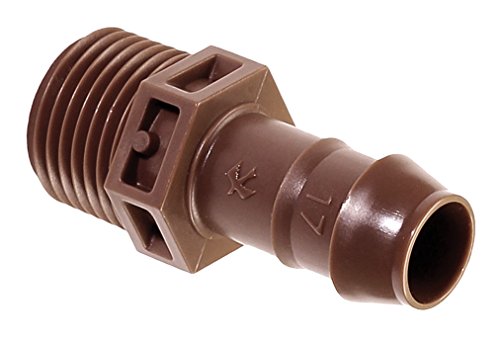
Rain Bird BA-050MPS 1/2-Inch Adapter
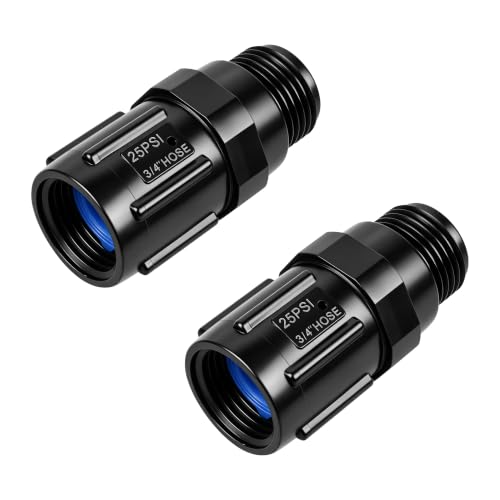
SDKWQAN 25 PSI Drip Pressure Regulator

SDKWQAN 25 PSI Regulator Adapter Kit

Hunter 3/4-Inch Anti-Siphon and Rain Bird Regulator Kit

QKJCE NR3XLDUC Pressure Reducing Valve
More On The Choices That Made The List
A garden hose regulator can handle a weekend watering setup, but a one-inch valve suits a permanent line feeding raised beds or multiple zones. This QKJCE model uses a brass body, a stainless steel strainer, and double-union FNPT connections, meaning the valve can be separated from threaded pipe without cutting the supply line. That serviceability is the feature that makes it appealing for a homeowner comfortable with basic plumbing work.
Pressure is reduced from 100 PSI to 50 PSI, with pounds per square inch, or PSI, measuring force within the water line. Compared with the smaller hose fittings later in the list, this valve offers a more substantial path for a fixed installation. The honest read is that it requires more planning than a faucet-mounted adapter, so you should match pipe sizing and thread style before ordering.
Points In Its Favor
- The removable double unions simplify inspection, cleaning, and replacement.
- The stainless steel screen catches debris before it reaches downstream fittings and emitters.
- One-inch sizing fits larger supply lines than the hose-end options in this roundup.
- The pressure reduction from 100 PSI to 50 PSI suits residential and institutional water systems.
Practical Considerations
- FNPT means female national pipe thread, so both ends require compatible one-inch female-threaded fittings.
- A permanent valve needs more installation work than an adapter placed at an outdoor faucet.
Key Specs
Built With In Mind
This valve suits homeowners with permanent one-inch plumbing who want an accessible, serviceable pressure-control point.
Where Another Pick Suits Better
The SDKWQAN 25 PSI Drip Pressure Regulator fits DIY gardeners who prefer a hose-end connection and a lower target pressure.
Not every drip-irrigation project needs a pressure regulator. Sometimes the practical problem is simply joining 1/2-inch or 5/8-inch drip tubing to a 1/2-inch water source. The Rain Bird BA-050MPS handles that transition with a universal barbed outlet and compression outlet, giving you options for tubing and fittings without a permanent valve assembly.
Its 1/2-inch male pipe thread inlet connects to a female-threaded source, while the barb grips the tubing. Unlike the QKJCE valve, this fitting does not regulate pressure, so you would still need a separate regulator for an elevated supply. For a basic drip zone connected directly to a suitable water source, though, that simplicity may be exactly what you want.
Useful Highlights
- The barbed outlet provides a secure grip on compatible drip tubing.
- A compression outlet broadens the range of fittings you can use at the connection point.
- The adapter supports both above-ground and underground drip installations.
- UV- and chemical-resistant construction suits continued outdoor exposure.
A Few Limitations
- It is an adapter fitting, not a pressure regulator, so it cannot lower water pressure on its own.
- The 1/2-inch inlet requires a matching female-threaded water source.
The Right Fit
This fitting works well for beginners connecting 1/2-inch drip tubing to a standard water source.
Another Choice May Suit
The SDKWQAN 25 PSI Regulator Kit is a better fit when you need both pressure reduction and a tubing connection in one setup.
A hose-end regulator makes sense when your garden receives water through a standard hose connection. This two-count SDKWQAN set is designed around a 25 PSI outlet and uses 3/4-inch female hose thread on the inlet with 3/4-inch male hose thread on the outlet. The arrangement lets a garden hose feed a regulator before the line continues toward drip tubing.
The fixed 25 PSI setting gives you a clear target to compare with the pressure requirements of your emitters and watering lines. Compared with the Rain Bird BA-050MPS adapter, this pair actively controls pressure rather than merely joining tubing to a source. You may find the two-pack especially useful for separate beds, although you still need compatible hose and drip-line connections.
What Makes Sense
- The 25 PSI setting provides a defined operating point for typical drip layouts.
- Two regulators support separate garden zones or provide a spare for maintenance.
- The 3/4-inch hose connections suit standard garden-hose arrangements.
- The design is compatible with the Rain Bird HT07525PSI-style setup referenced in the model details.
Worth Noting
- You need compatible 3/4-inch hose-thread connections at both ends.
- Some drip emitters are designed for a different operating pressure, so their specifications should guide the final choice.
Made For
This set suits homeowners with hose-fed drip beds who want a predictable 25 PSI supply.
Reach For A Different Pick When
The QKJCE NR3XLDUC Pressure Reducing Valve suits a fixed copper installation with a 50 PSI output.
Starting a new drip zone usually means solving two connection problems at once. This SDKWQAN set combines a 25 PSI regulator with a 1/2-inch tubing adapter, giving you a more useful starting point than a standalone hose regulator. Its high-strength ABS construction also keeps the assembly lighter and less prone to corrosion than a metal assembly of the same general purpose.
The regulator is intended for standard outdoor faucets and reduces incoming pressure to 25 PSI before water enters the drip line. Unlike the two-count SDKWQAN regulator, this package includes tubing-adapter components for a more complete faucet-to-emitter connection. For a first raised bed or container garden, that combination can reduce the number of separate parts you need to source.
What Pays Off
- The set combines a 25 PSI regulator with a 1/2-inch drip tubing adapter.
- Standard outdoor-faucet compatibility suits many residential garden layouts.
- The three-count format supports multiple connection points or provides installation flexibility.
- ABS construction offers a practical, lightweight material for outdoor irrigation hardware.
Trade Offs
- The fixed 25 PSI setting may not align with every emitter or irrigation layout.
- You need compatible 1/2-inch tubing and an outdoor faucet arrangement that matches the included adapters.
Feature Snapshot
Who Should Grab It
This kit is a sensible starting point for beginners building a new faucet-fed drip zone.
Swap It Out When
The Hunter 3/4-Inch Anti-Siphon and Rain Bird Regulator Kit is a better fit when backflow protection is central to the installation.
Some irrigation assemblies need to do more than lower pressure. This bundle pairs a Hunter PGV-ASV 3/4-inch electric anti-siphon valve with a Rain Bird PRF07530S 3/4-inch Y-filter regulator. Backflow prevention limits reverse water movement, while the second component filters the supply and regulates it to 30 PSI for the drip network.
The Hunter valve uses glass-reinforced nylon and a six-bolt body, giving the assembly a more substantial construction than a basic hose-end unit. Compared with the SDKWQAN regulator kit, this package adds an electrical control component and a dedicated anti-siphon function. That makes it more relevant to a professionally planned irrigation zone, especially one with multiple control points.
What Works In Its Favor
- The bundle combines an electric anti-siphon valve with a 30 PSI regulating filter.
- Backflow prevention adds a separate layer of protection for the drip circuit.
- The 3/4-inch sizing fits a permanent irrigation header or larger supply assembly.
- Filtering and regulation are contained in a Y-shaped assembly for easier system planning.
Points To Note
- The Hunter valve requires an appropriate electrical control arrangement for automatic operation.
- Its 30 PSI outlet differs from the 25 PSI target offered by the SDKWQAN regulators.
Best Suited To
This kit suits irrigation installers managing an automatic, multi-component drip system with backflow concerns.
Look Elsewhere When
The SDKWQAN 25 PSI Regulator Kit offers a simpler choice for a basic faucet-fed garden bed.
Permanent copper systems call for a different connection style from hose-threaded irrigation hardware. The QKJCE NR3XLDUC is a one-inch pressure-reducing valve with double-union copper sweat connections on both sides. The unions can be detached for inspection, while the sweat connections attach the valve to compatible copper piping. That arrangement makes this a more involved installation than the hose-based options.
The bronze body resists corrosion, and the valve reduces pressure from 100 PSI to 50 PSI. Compared with the QKJCE threaded model, this version uses soldered copper connections and a different outlet pressure. In our view, the removable unions preserve valuable service access even though the copper fitting process requires preparation and proper installation technique.
Positive Takeaways
- Double copper sweat unions create a clean fit for compatible fixed piping.
- Removable unions allow valve inspection without dismantling the entire pipe run.
- The bronze body suits exposed water and plumbing environments.
- A 50 PSI output provides a defined target for downstream drip components.
Where It May Fall Short
- You need compatible one-inch copper pipe and the tools required to make sweat connections.
- The 50 PSI setting may differ from the operating pressure specified for your emitters.
Technical Highlights
Whose Shelf It Belongs On
This valve belongs with planners building a permanent one-inch copper irrigation line.
A Better Fit Elsewhere
The Rain Bird BA-050MPS 1/2-Inch Adapter is a better fit for a simple drip-tubing connection without permanent copper plumbing.
What Matters Before You Commit To A Drip Regulator
Match The Connection First
Start with the pipe or hose already installed at your water source. Threaded, hose-thread, barbed, compression, and copper sweat connections are not interchangeable, and adapters can become the weak point in a poorly matched setup. Measure the outside diameter of the tubing, note the thread size, and check whether the regulator requires male or female threads at each end.
Match The Output To The Emitters
A pressure regulator sets the pressure reaching your watering components. Low-pressure drip lines commonly operate around 25 PSI, while some assemblies use 30 PSI or a higher fixed rating. Compare the regulator’s outlet with the emitter requirements before installation so the entire system works within its intended range.
Decide Between A Hose Unit And A Fixed Valve
Hose-end regulators are convenient for garden beds and portable watering arrangements. Fixed valves suit permanent headers, copper piping, and larger supply lines, but they involve more installation work. Your comfort with plumbing, the number of zones, and the need for easy maintenance should guide that decision.
Add Filtration Where Debris Is Likely
A strainer can catch sand, rust, and other particles before they reach narrow emitter openings. Automatic irrigation components often include some filtration, while a larger supply valve may need a separate screen. Match filtration to the type of water entering the system and clean accessible screens as part of routine upkeep.
Common Mistakes Worth Avoiding
Wrong Turns To Avoid
A mismatch between pressure rating and drip components can reduce performance, while loose or incompatible adapters create leaks. Check thread direction, hose diameter, tubing diameter, and outlet pressure before assembling the parts.
What Separates Premium From Basic
A larger valve, metal body, filter, or anti-siphon function adds value when your system needs permanence, backflow control, or service access. A basic hose regulator remains more practical for a small, straightforward garden bed.
Frequently Asked Questions
Do I need a pressure regulator for drip irrigation?
You need one when your water source operates above the pressure required by the drip lines or emitters. A regulator creates steadier outlet pressure and can reduce stress on fittings.
What pressure should a drip irrigation regulator use?
Many drip systems operate near 25 PSI, but your emitters and tubing determine the correct setting. Confirm their specified pressure range before selecting 25, 30, or 50 PSI.
Can I use an adapter instead of a pressure regulator?
An adapter only joins compatible tubing and fittings. It cannot reduce pressure, so your system still needs a regulator whenever the incoming pressure exceeds the component requirements.
Is a 3/4-inch regulator enough for a drip garden?
A 3/4-inch regulator can serve many residential drip zones, but the supply line and total watering demand must support that flow. One-inch assemblies suit larger mainlines and multiple connected zones.
Are anti-siphon valves necessary for drip irrigation?
They add protection against reverse water movement in appropriate irrigation layouts. Their value rises when multiple valves, changing elevations, or a more complex control system are involved.
Final Verdict
Choose the SDKWQAN 25 PSI Regulator Kit for a straightforward new garden bed, the Rain Bird adapter for a simple tubing transition, and the QKJCE valves for permanent threaded or copper installations. The Hunter and Rain Bird combination makes sense when backflow protection and automatic-zone control matter. Match the connection, outlet pressure, and system size before you buy, and the right assembly will fit the job without unnecessary complexity.
