

A packet of fresh seeds rarely fails because you chose the wrong variety. More often, the soil holds too much water, drains too quickly, or leaves tiny seeds sitting in large gaps. The right medium gives seedlings moisture without sealing off oxygen, while the surrounding setup handles light, warmth, and drainage.
You’ll find several distinct options below, from general-purpose indoor potting soil to cactus mix, a soil amendment, avocado-specific soil, and a liquid fertilizer. Your choice depends on the plant, container, and whether you’re sowing directly or transplanting later.
How The Shortlist Stacks Up

Rosy Soil Cactus Mix 4 Quarts

Rosy Soil Biochar Booster 8 Quarts
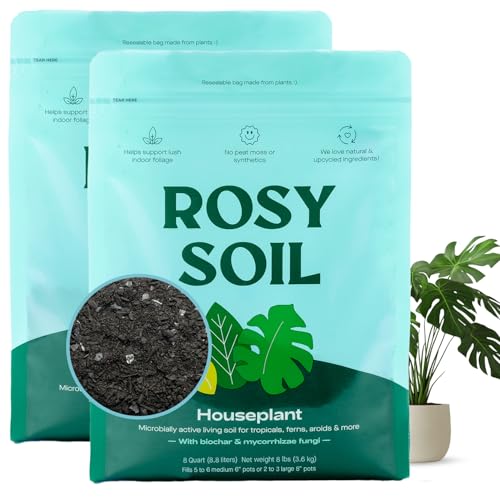
Rosy Soil Houseplant Mix 8 Quarts

Rosy Soil Organic Houseplant Mix 4 Quarts
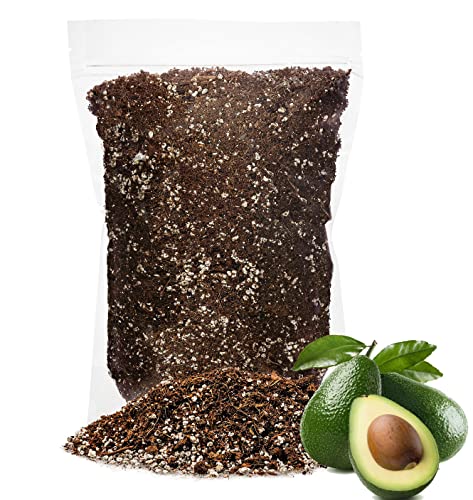
GARDENERA Avocado Soil 1 Quart

Gardenera Avocado Fertilizer 3-1-2, 8oz
Taking A Closer Look At The Options
A fat aloe leaf curling upward from a crowded terracotta pot needs a very different medium from a tray of tender vegetable seedlings. Rosy Soil Cactus Mix offers the loose, open structure that drought-tolerant plants such as aloe, jade, snake plants, and desert roses prefer.
You also get biological components, including beneficial fungi, microorganisms, and worm castings, without peat-based compaction. For most seed trays, however, this is a specialist choice rather than a general starting medium, and for most homes it earns its place beside a succulent collection.
What Pays Off
- The chunky texture creates more space around roots, which helps excess water leave the pot quickly.
- Microorganisms and worm castings add biological activity without relying on synthetic fertilizers.
- The mix suits aloe, jade, Christmas cactus, lithops, snake plants, desert roses, and bonsai.
- Each resealable four-quart bag can fill roughly two to three plants, making storage practical.
Things To Consider
- The coarse structure is poorly matched to many conventional flower or vegetable seeds.
- You need separate, finer potting material for most indoor seed-starting trays.
Key Facts
Built With In Mind
You’ll get the most from this mix when you care for cacti, succulents, or other drought-tolerant container plants.
Another Choice May Suit
Rosy Soil Organic Houseplant Mix 4 Quarts is the better fit for indoor seedlings and standard houseplant containers.
Unlike the cactus mix, Rosy Soil Biochar Booster is meant to change the soil around you rather than fill a small pot on its own. Biochar is a stable, carbon-rich material with a porous structure that can hold water and nutrients within a larger growing bed.
You can blend it into new potting soil, work it into raised beds, or add it around existing plants. That flexibility makes it more useful for outdoor food gardens and substantial containers than for a compact indoor seed tray.
The Practical Payoff
- Biochar supports both moisture retention and aeration as it mixes with existing soil.
- Mycorrhizae, worm castings, bokashi, and compost create a more biologically active blend.
- A recommended five-percent application equals roughly one cup per cubic foot of soil.
- The eight-quart package amends up to five cubic feet or about 32 square feet.
Practical Considerations
- You need another planting medium to fill containers; this product is an amendment.
- Measuring the application rate takes a little preparation before you plant.
Feature Snapshot
Made For
You’ll find this most useful when preparing raised beds, vegetable gardens, or large outdoor containers.
Reach For A Different Pick When
Rosy Soil Houseplant Mix 8 Quarts is simpler for filling standard indoor pots without calculating an amendment ratio.
After the highly specialized cactus mix, this general-purpose houseplant soil offers a much more familiar starting point. Biochar, compost, bark fines, worm castings, and mycorrhizae create a blend designed for indoor containers without relying on peat.
For seed starting, you can use a fine-textured portion in a shallow container with drainage, then move young plants into this richer mix after they establish. The two-pack also gives you more material for multiple pots, though sixteen quarts can demand a tidy storage place.
A Favorable Mix
- Biochar and bark fines create a more open indoor potting structure.
- Worm castings, compost, and mycorrhizae add biological components to the medium.
- The formula uses no synthetic fertilizers or fillers.
- Two eight-quart bags cover several repotting and container projects.
Small Caveats
- The bark component can make the mix less fine than many small-seed mixes.
- You’ll need somewhere dry and compact to store two sizable bags.
Who Will Love This
You’ll appreciate this option when starting or repotting a range of indoor plants in containers of different sizes.
Where A Sibling Pick Shines
Rosy Soil Organic Houseplant Mix 4 Quarts is easier to store and gives you the same general indoor-soil approach in a smaller package.
The four-quart Rosy Soil Organic Houseplant Mix is the most balanced of the general indoor options, particularly for a crowded windowsill or compact potting shelf. Its formula combines biochar, worm castings, mycorrhizae, compost, and bark fines without peat moss.
Compared with the sixteen-quart Rosy Soil Houseplant Mix 8 Quarts, this package asks for much less storage room. The honest read is that it works best for modest indoor projects, while tiny seeds may still need a finer-textured starting layer kept evenly moist.
Standout Benefits
- The peat-free formula gives you an alternative to conventional peat-based houseplant soil.
- Mycorrhizae and compost support a biologically active planting medium.
- Biochar and bark fines contribute structure around indoor roots.
- The four-quart size suits repotting without taking over a utility shelf.
Honest Caveats
- Bark fines may feel coarse for very small seeds compared with a fine seed-starting medium.
- You may need a separate mix for succulents, which prefer faster drainage.
Quick Facts
The Right Fit
You’ll find this mix most convenient for indoor seedlings, houseplant repotting, and small container gardens.
Look Elsewhere When
Rosy Soil Cactus Mix 4 Quarts is the better choice for drought-tolerant plants and gritty succulent containers.
An avocado seed sprouting from a glass of water eventually needs a pot, and GARDENERA Avocado Soil 1 Quart gives you a natural, focused medium for that transition. Its ingredient balance is intended to retain air and moisture while holding nutrients in the root zone.
Unlike the broader Rosy Soil houseplant mixes, this one is framed around avocado and edible plants, so its fit is narrower but clearer. The one-quart volume suits a small indoor tree or a few short-term container projects without taking up a whole shelf.
What Makes Sense
- The mix uses natural ingredients without a conventional peat-centered base.
- Its air-and-moisture balance suits potted avocado seedlings and young trees.
- Nutrient retention helps support container plants during regular watering.
- You can also use it for edible fruits and vegetables in suitable containers.
Some Limits To Know
- The one-quart bag requires additional bags for several large pots.
- Its avocado-focused positioning is less relevant to mixed houseplant shelves.
Best Suited To
You’ll appreciate this option while growing avocado from seed in a small indoor container.
Consider Something Else When
Rosy Soil Organic Houseplant Mix 4 Quarts is more practical for several unrelated houseplants or a larger batch of pots.
This bottle belongs beside the potting mix rather than in the seed tray. Gardenera Avocado Fertilizer 3-1-2 is a concentrated liquid plant food formulated for indoor avocado trees and flowers, so it supports an established container plant rather than providing a growing medium.
The ratio lists nitrogen, phosphorus, and potassium at 3-1-2, meaning the concentrate supplies a higher proportion of nitrogen than the other two nutrients. Follow the label’s dilution and application guidance, and keep the bottle tightly closed away from heat and direct sun.
Positive Takeaways
- The 3-1-2 ratio gives indoor avocado plants a targeted nutrient profile.
- The liquid format fits controlled watering routines for container plants.
- You can use the formula for indoor flowers as well as avocado trees.
- The eight-ounce bottle stays compact for an indoor gardening shelf.
Factors To Consider
- This is liquid fertilizer, not potting soil or a seed-starting medium.
- You must dilute a concentrate according to its label before use.
Technical Highlights
Whose Shelf It Belongs On
You’ll want this beside an established indoor avocado tree rather than in a newly seeded tray.
Swap It Out When
GARDENERA Avocado Soil 1 Quart is the appropriate companion when your priority is filling the pot instead of feeding it.
What Matters in a Seed-Starting Mix
Texture Around Small Seeds
Tiny seeds need consistent contact with the medium, while larger seeds tolerate more separation. Bark fines, coarse amendments, and chunky mineral pieces can leave gaps that dry quickly or let small seeds settle below the surface, so match the texture to seed size.
Drainage Without Constant Drying
A container needs drainage holes, and the medium should retain enough moisture for roots without remaining saturated. Press a finger into the surface before watering; an evenly moist surface gives you a better read than judging by color alone.
Moisture and Aeration Together
Water retention and aeration work as a pair. A medium that holds too much water restricts oxygen around tender roots, while one that releases water too quickly can interrupt the consistent moisture young seedlings need.
Plant and Container Fit
Cactus mix suits drought-tolerant plants, while indoor potting soil handles a broader range of houseplants. A one-quart avocado mix makes sense for a single small tree, and a biochar amendment is most useful when you already have a substantial soil volume to improve.
Avoiding Costly Mix Mistakes
Mistakes Worth Dodging
Don’t choose a medium solely because the word “organic” appears on the bag. Check texture, drainage, and the plant’s actual moisture needs before you fill a tray, especially when the mix contains bark or other coarse components.
What Separates Premium From Basic
A more elaborate mix may cost more because it includes biochar, biological additions, or specialized ingredients. That extra spending can matter for larger containers or demanding plants, while a small seed tray may not need every component.
Frequently Asked Questions
Can I Use Houseplant Potting Soil to Start Seeds?
Yes, many indoor seedlings can grow in general-purpose potting soil that holds air and moisture in balance. Use a fine-textured portion for small seeds and follow the seed packet’s depth and watering directions.
Is Cactus Soil Good for Starting Seeds?
Cactus soil is usually too coarse and fast-draining for conventional flower or vegetable seeds. Reserve it for succulents and other drought-tolerant plants.
Do I Need Biochar When Starting Seeds?
You don’t always need an additional amendment for a small indoor seed tray. Biochar becomes more useful in raised beds, large containers, and existing garden soil where you can mix it at the recommended rate.
Which Potting Soil Is Best for an Indoor Avocado?
GARDENERA Avocado Soil 1 Quart is formulated for a compact avocado container, while Rosy Soil Organic Houseplant Mix 4 Quarts works for broader indoor planting. Pair the chosen soil with drainage holes and an appropriate indoor light setup.
How Much Potting Soil Do I Need?
Start with a container that leaves room for roots and a watering margin rather than filling every available space. A four-quart bag suits several small pots, while a one-quart bag is practical for one young avocado plant.
Closing Remarks
The best choice comes down to the plant and the setup, not a universal soil formula. General-purpose houseplant mix handles more seed-starting situations, cactus mix belongs with succulents, and biochar works best as an addition to larger soil volumes. For avocado seeds, pair GARDENERA Avocado Soil with a container that drains well and add liquid fertilizer only after the plant is established.
