

A hibiscus in a warm, sunny room can wilt quickly when its soil packs down and holds water around the roots. You need a light, porous mix that drains excess moisture without turning bone-dry between waterings, plus a container with adequate drainage holes.
The products below cover several parts of that equation. Some are general houseplant mixes, one is a cactus blend, another is a soil amendment, and the last is a foliar feed rather than potting soil. That distinction matters because hibiscus needs dependable moisture, while a very gritty mix can demand more frequent watering.
A Fast Comparison Of The Options

Rosy Soil Cactus Mix 4qt x2

Rosy Soil Biochar Booster 8qt
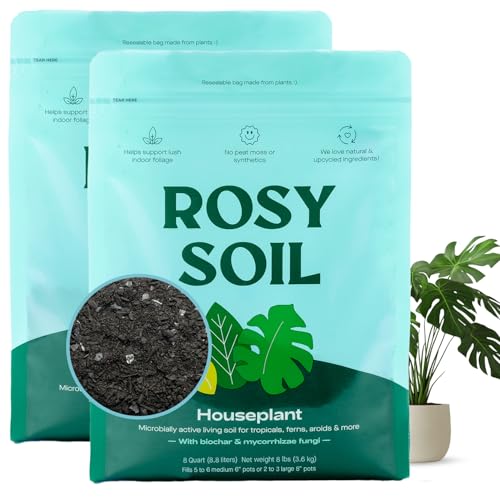
Rosy Soil Houseplant Soil 8qt x2

Rosy Soil Organic Houseplant Mix 4qt
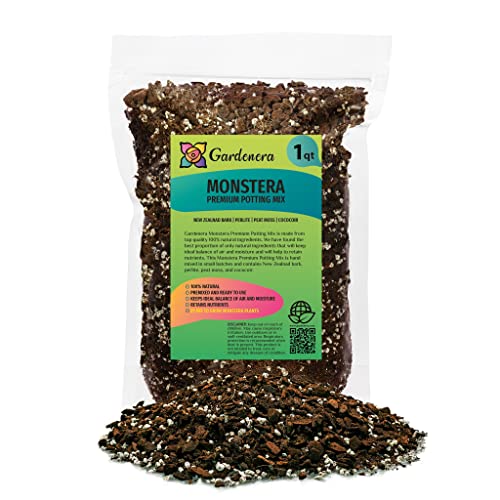
Gardenera Monstera Potting Soil 1 Quart

Gardenera Monstera Leaf Mist 3-1-2 8oz
This mix is built for dry-loving plants rather than hibiscus. Its chunky, peat-free composition favors quick drainage, which helps prevent compacted or saturated pots around succulents, jade, aloe, and other drought-tolerant plants.
A hibiscus grown in a sunny room usually needs more consistent moisture than this blend provides. You could use it as a drainage component in a carefully balanced container mix, though the finished mixture should still retain enough moisture for the flowering plant.
Well-Handled Touches
- The open texture lets excess water escape quickly.
- Microbes and worm castings add biological material to the soil.
- The peat-free formula avoids a dense peat-heavy base.
- Resealable 4-quart bags help protect unused mix.
Things To Consider
- Its fast drainage may require more frequent watering for a hibiscus.
- The plant guidance focuses on succulents rather than flowering houseplants.
Quick Facts
Built With In Mind
This blend suits first-time succulent growers and anyone repotting aloe, jade, snake plants, or other drought-tolerant container plants.
Reach For A Different Pick When
Rosy Soil Houseplant Soil 8qt x2 is the better fit for a hibiscus that needs a balanced balance of moisture retention and drainage.
Biochar Booster is an amendment, not a complete potting mix. Biochar is a stable, carbon-rich material made by heating organic matter in limited oxygen, and this blend adds mycorrhizae, worm castings, bokashi, and compost to give it biological and nutritional value.
For a hibiscus, the sensible approach is to blend a small amount into quality potting soil rather than fill the pot with this material alone. The manufacturer recommends roughly 5 percent by volume, or about one cup per cubic foot of soil.
A Strong Showing
- Biochar can improve aeration and water retention in a mixed soil.
- Mycorrhizae are fungi that associate with roots and support nutrient uptake.
- Compost and worm castings feed the soil’s biological community.
- The 8-quart bag covers a substantial area when mixed properly.
Practical Considerations
- It cannot replace the water-holding capacity of a complete potting mix.
- Accurate mixing matters because excess amendment can alter the finished soil.
Key Specs
Made For
This amendment works well for gardeners preparing raised beds or blending a small percentage into the potting soil used for hibiscus and other container plants.
Another Choice May Suit
Rosy Soil Houseplant Soil 8qt x2 is simpler for a single hibiscus repot because it arrives ready to use without a measured blending step.
This general houseplant mix fits a hibiscus more directly than the cactus blend. Biochar, bark fines, compost, worm castings, and mycorrhizae replace peat moss, creating a loose medium with both drainage and enough organic material for a flowering indoor plant.
The two-bag package is sensible for a plant collection or a major repotting day. Its general houseplant format also makes it more useful than the Monstera-specific mix, particularly when your windowsill holds several varieties with similar watering needs.
Practical Pluses
- Peat-free composition suits gardeners avoiding conventional peat-based mixes.
- Bark fines and biochar help maintain an open root zone.
- Compost and worm castings support ongoing biological activity.
- Mycorrhizae can assist roots with nutrient and water uptake.
- Two 8-quart bags cover several medium and large containers.
Trade Offs
- The volume can be excessive for one small hibiscus pot.
- It is a general mix, so container size and watering frequency still determine moisture levels.
Who It Suits Best
This option suits indoor hibiscus growers and mixed-houseplant households that want a peat-free medium ready for potting or repotting.
Look Elsewhere When
Rosy Soil Organic Houseplant Mix 4qt is the neater choice when storage space is tight and you are repotting only one small plant.
The smaller Rosy Soil Houseplant mix uses the same peat-free approach as the larger 8-quart pack, with biochar, bark fines, worm castings, mycorrhizae, and compost. That makes it a practical choice for one repot rather than a full household soil restock.
For a hibiscus moving from a nursery pot into a slightly larger container, this quantity is easier to manage. Compared with the two-bag version, you avoid storing several extra quarts while still getting a blend built for indoor foliage plants.
What Stands Out
- A manageable 4-quart package for a single repot.
- The peat-free base creates a porous indoor growing medium.
- Multiple biological ingredients add value beyond plain bark and soil.
Where It May Fall Short
- One quart-sized bag may be tight for a large container.
- It offers the same broad formula as the larger pack, without an additional hibiscus-specific benefit.
Feature Snapshot
Right Fit For
This smaller bag suits apartment growers and new plant owners repotting a small hibiscus or a few compact houseplants.
Consider Something Else When
Rosy Soil Houseplant Soil 8qt x2 offers better value for repeated repotting or a larger collection of container plants.
This Monstera mix has the airy ingredient profile that also interests many hibiscus growers. Peat moss, perlite, coco coir, biochar, worm castings, and bark combine a moisture-holding component with materials that preserve air space around roots.
The caveat is the plant focus. It is marketed for Monstera deliciosa, so it should be considered a general tropical foliage formula rather than a dedicated hibiscus medium, particularly in a cool room where the peat and coir may stay wet longer.
Practical Advantages
- Aged bark supports drainage and root-zone aeration.
- Perlite and coco coir balance moisture with airflow.
- Biochar and worm castings add organic and carbon-based material.
- The 1-quart bag suits a small repot or trial mix.
Possible Compromises
- It is formulated around Monstera rather than hibiscus.
- The small volume may not fill a mature hibiscus container.
Technical Notes
Made For
This mix is best for Monstera owners and indoor gardeners repotting broad-leaf tropical plants that appreciate a balanced moisture-and-air profile.
A Better Fit Elsewhere
Rosy Soil Houseplant Soil 8qt x2 is a stronger hibiscus option because it is designed as a general indoor mix rather than a plant-specific potting soil.
This liquid mist is not potting soil, so it cannot fill a hibiscus container or improve the root medium. It belongs in a different part of the care routine: a foliar spray, meaning nutrients are applied directly to the leaf surface.
The 3-1-2 formula provides nitrogen, phosphorus, and potassium in a ratio designed for Monstera. That makes it a practical companion for people growing Monstera, though its plant-specific positioning leaves it outside the main hibiscus soil decision.
Reasons It Performs
- The mist format is easy to apply to broad leaves.
- The 3-1-2 nutrient ratio is tailored to Monstera care.
- An 8-ounce bottle is compact for a home plant collection.
Points To Note
- It is fertilizer rather than a growing medium.
- Its formulation is designed for Monstera, not hibiscus.
- It does not address drainage, aeration, or root-zone moisture.
Who Will Love This
This mist suits indoor Monstera growers who want a small, simple foliar-feeding option for an existing plant.
Swap It Out When
Rosy Soil Houseplant Soil 8qt x2 is the appropriate choice for anyone shopping for the actual potting medium needed by a hibiscus.
What Matters In A Hibiscus Potting Mix
Drainage Without Constant Drying
Hibiscus performs well in soil that drains excess water while retaining enough moisture for active roots. A pot with drainage holes matters just as much as the mix, and a very gritty cactus formula may need more frequent watering than a general houseplant blend.
The Right Blend For Your Plant
Biochar can improve the structure of an existing mix, but it is an addition rather than a stand-alone medium. Mycorrhizae are beneficial fungi that form relationships with roots, while worm castings and compost add organic matter and biological activity.
Peat-Free And Peat-Based Options
Peat-free mixes often rely on bark, coir, compost, and other materials to create structure and retain water. A peat-based tropical mix can also work well, although you should watch the container more closely in cool conditions where moisture lingers.
Matching Quantity To Repotting Plans
A 4-quart bag is easier to store and use for one small repot. Larger packs suit repeated repotting, multiple houseplants, and seasonal garden work, while a one-quart tropical mix works best for a compact plant or trial blend.
Common Mistakes In Potting Soil Decisions
Mistaking A Dry Mix For A Balanced One
A cactus blend is excellent for succulents, but its fast-draining structure may leave a flowering hibiscus thirsty. General houseplant mixes are usually the closer starting point, with a container that drains freely.
Forgetting What the Product Does
A foliar mist feeds leaves, while an amendment improves existing soil. Neither replaces a complete potting medium, so identify the job before placing the product in your gardening plan.
What Separates More Specialized From General Mixes
Plant-specific formulas place greater emphasis on the moisture, air, and drainage pattern needed by a particular foliage plant. A general houseplant mix offers broader usefulness and is often the more practical choice for hibiscus, especially when your indoor collection includes several varieties.
Frequently Asked Questions
What is the best potting soil for hibiscus?
A loose, well-draining houseplant mix with adequate moisture retention is usually the most practical choice for hibiscus. A drainage hole in the pot is essential because compact or waterlogged soil can limit root health.
Is cactus soil suitable for hibiscus?
Cactus soil can be too free-draining for many hibiscus plants because it is designed for drier, succulent-friendly conditions. You could use it as part of a tested blend, but general houseplant mix is easier to balance.
Does biochar replace potting soil?
No, biochar works best as an amendment mixed into a complete growing medium. Mixing it at the recommended rate can support aeration, water retention, and nutrient availability without replacing the soil itself.
Is a Monstera potting mix good for hibiscus?
A Monstera mix can provide suitable air and moisture for a tropical foliage plant, although it remains plant-specific. General houseplant mix is the more straightforward choice for hibiscus, particularly in a cool or bright indoor setting.
Should potting soil be replaced every year?
Replace or refresh the upper layer when it becomes compacted or depleted, and repot a growing hibiscus when roots fill the container. The full mix does not necessarily need replacing on a fixed schedule.
Final Verdict
Rosy Soil Houseplant Soil 8qt x2 offers the most practical starting point for hibiscus because it combines an open structure, peat-free materials, and organic components without tying the mix to one plant type. The 4-quart version handles a smaller repot more neatly, while biochar can support a carefully blended soil. Match the product to the job, let the pot drain, and adjust watering to the room temperature and sunlight your plant actually receives.
