

African violets punish both soggy roots and soil that dries out too quickly, so the right potting mix matters from the first repotting. You need a light, porous medium that holds enough moisture for consistent watering without compressing around fine roots. These six options range from complete indoor mixes to soil amendments, helping you separate what works in a violet pot from what belongs in a succulent tray or garden bed.
Your Options, Compared

Rosy Soil Cactus & Succulent Mix 4 Quarts

Rosy Soil Biochar Booster 8 Quarts
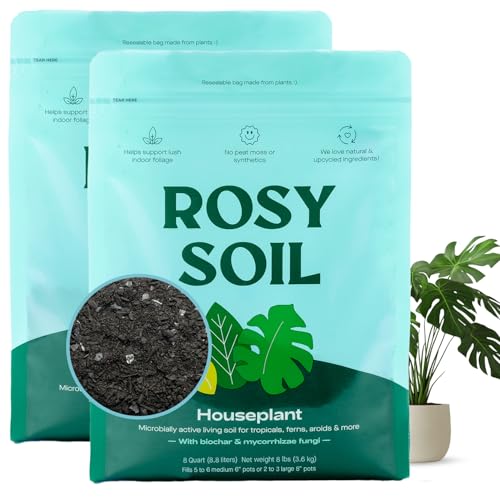
Rosy Soil Houseplant Soil 8 Quarts Pack of 2

Miracle-Gro Houseplant Potting Mix 4 qt.

Rosy Soil Organic Houseplant Soil 4 Quarts
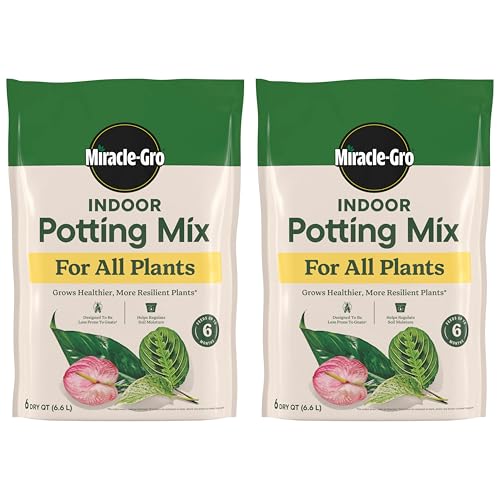
Miracle-Gro Indoor Potting Mix 6 qt 2-Pack
A Deeper Look At The Lineup
African violets need a moisture-retentive but airy medium, while this mix is deliberately coarse and low in moisture for drought-tolerant plants. Its chunky structure drains quickly, which suits jade, aloe, snake plants, and other succulents more closely than the fine roots of an African violet.
For a mixed plant collection, the two four-quart bags offer useful storage and a clear resealable design. The honest read is that this is a capable succulent product, but its drainage emphasis makes it a poor standalone choice for violets.
Standout Benefits
- The loose, open texture gives thick-rooted succulents more space and improves drainage.
- Worm castings, beneficial fungi, and microorganisms add biological material to the soil.
- It contains no peat moss, supporting a grittier medium.
- Each four-quart bag fills roughly two or three plants, making the pack practical for multiple containers.
Points To Note
- The fast-draining profile can leave African violet roots too dry between waterings.
- This is a complete succulent mix rather than a peat-free indoor blend formulated for fine-rooted plants.
Key Specs
Made For
Succulent and cactus growers need a coarse, low-moisture medium for jade, aloe, holiday cactus, and similar plants.
Where Another Pick Shines
Rosy Soil Houseplant Soil 8 Quarts Pack of 2 is the better fit for African violets because its indoor blend and living components suit moisture-retentive houseplant care more closely.
This is an amendment rather than a complete potting medium, so it does not replace the base mix in an African violet pot. Its porous carbon structure can improve water and nutrient handling, while the included biological components add a different purpose from the dry, mineral-forward formula in Rosy Soil Cactus & Succulent Mix 4 Quarts.
The practical use is blending it into a light indoor medium at the labeled rate. You gain a more complex soil profile, although careful watering remains necessary because retained moisture can become a problem in a dense violet mix.
Practical Advantages
- Biochar creates small pores that help the surrounding medium retain moisture and nutrients.
- Mycorrhizae, worm castings, bokashi, and compost create a more biologically active blend.
- The measured application rate makes it easier to introduce gradually rather than replacing a whole potting mix.
- One eight-quart bag covers a meaningful area of containers or garden soil.
Practical Considerations
- Too much amendment in a small African violet pot may make the medium hold more water than you want.
- The label rate of roughly one cup per cubic foot is a useful starting point rather than a full-pot formula.
Feature Snapshot
Right Fit For
Gardeners improving potting soil, raised beds, or container mixes benefit from this amendment approach.
Another Choice May Suit
Rosy Soil Houseplant Soil 8 Quarts Pack of 2 suits you better when you want a complete medium without calculating an amendment ratio.
Unlike Rosy Soil Biochar Booster 8 Quarts, this product supplies a complete indoor planting medium, which makes it easier to evaluate for African violets. Biochar, compost, worm castings, bark fines, and mycorrhizae replace peat moss and create a blend designed around active soil biology.
The living components can support root development, while the absence of synthetic fertilizers leaves feeding under your control. You may still need to check the finished texture in your own pot, because an African violet wants moisture without dense, saturated soil.
Why It Works Well
- It provides a complete medium rather than requiring a separate base soil and amendment.
- Biochar and compost add water management and organic material to the indoor blend.
- Mycorrhizal fungi and beneficial microbes support a biologically active root zone.
- The two eight-quart packages suit a sizable houseplant collection or several repotting sessions.
Things To Weigh
- Bark fines can make the blend vary in texture, so check how densely the material settles after watering.
- Its living ingredients do not replace a feeding schedule tailored to the plants in your collection.
Built With In Mind
Indoor plant growers who want a peat-free living mix for repotting African violets and other houseplants get the most useful balance here.
Consider Something Else When
Rosy Soil Organic Houseplant Soil 4 Quarts is more convenient for a single pot or a small windowsill collection that needs less stored soil.
Miracle-Gro Houseplant Potting Mix 4 qt. is built for indoor use, making it a more direct starting point than Rosy Soil Biochar Booster 8 Quarts. The included plant nutrients can feed potted houseplants for up to six months after repotting, reducing the need for an immediate feeding routine.
For African violets, the important pre-purchase check is drainage. A general houseplant mix can work when it remains porous and evenly moist, but you should inspect the ingredients and finished texture rather than assuming every indoor formula behaves the same.
Notable Gains
- The four-quart volume is manageable for a small collection and easy to store.
- Built-in nutrition supports the plant for up to six months after potting.
- The indoor-houseplant focus makes it more relevant than a general garden soil.
Small Caveats
- Check the texture for sufficient porosity before using it directly in shallow African violet pots.
- The feeding period is a starting point, while individual plants and growing conditions still affect nutrient use.
Quick Facts
Who Will Love This
First-time houseplant growers appreciate a complete indoor mix with nutrients already included in the four-quart bag.
Look Elsewhere When
Rosy Soil Houseplant Soil 8 Quarts Pack of 2 makes more sense for gardeners who prioritize a peat-free blend with living soil components.
This four-quart bag carries the same peat-free living-soil approach as Rosy Soil Houseplant Soil 8 Quarts Pack of 2, but in a more compact package. Biochar, worm castings, mycorrhizae, compost, and bark fines form the base without peat moss or synthetic fertilizers.
That combination gives African violet growers a biologically active medium with several ways to manage aeration and moisture. The remaining question is texture, so a small hand test in your own pot can show whether the blend stays porous after repeated watering.
Strong Points
- A four-quart bag avoids storing excess potting soil in a small home.
- The blend contains no peat moss, producing a more open starting medium.
- Organic and biological components support a varied root-zone environment.
- The absence of synthetic fertilizers gives you control over later feeding.
Honest Caveats
- You may need to adjust the final texture for a particular pot and watering pattern.
- The smaller package is less convenient than the two-bag format for frequent repotting.
Made For
Apartment dwellers and small-space plant collectors benefit from a compact, complete living mix for a few African violet pots.
Reach For A Different Pick When
Miracle-Gro Houseplant Potting Mix 4 qt. is more practical for gardeners who want the medium to include plant nutrients and extend the time between feeding sessions.
