

Sandy soil drains quickly, often loses nutrients between watering sessions, and can leave roots struggling in an open garden bed. The right planting medium makes a major difference for drought-tolerant plants, indoor specimens, and container gardens, but garden soil and potting mix serve different purposes. This guide compares six options for improving the growing conditions around plants in sandy ground, from a biochar amendment to specialized mixes for cacti, houseplants, and orchids.
The Essentials At A Glance

Rosy Soil Cactus Mix 4-Quart Pack

Rosy Soil Biochar Booster 8 Quarts
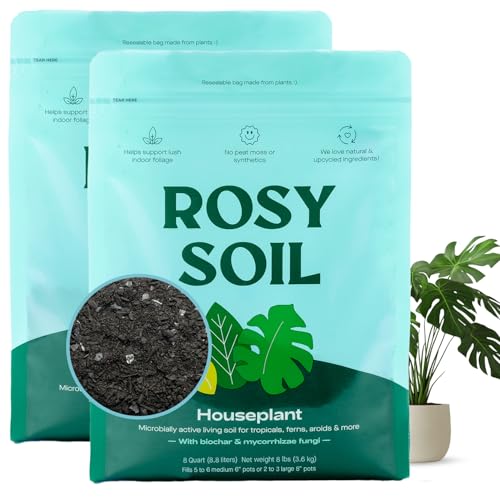
Rosy Soil Houseplant Mix 8-Quart Two-Pack

FoxFarm Ocean Forest Potting Soil 1.5 cu ft

Rosy Soil Organic Houseplant Mix 4 Quarts

Rosy Soil Orchid Mix 4 Quarts
The Details Behind The Selections
Fast-draining conditions suit cacti and succulents, yet a thin layer of loose mix does little for a plant confined to a pot. Rosy Soil Cactus Mix gives the roots an open, chunky medium that may reduce the risk of compaction during long dry spells.
The blend is peat-free and includes worm castings, beneficial fungi, and microorganisms, giving it more biological complexity than plain mineral grit. Compared with the Biochar Booster, this option is purpose-built for containers rather than broad garden-bed preparation.
Everyday Wins
- The loose structure promotes airflow around succulent and cactus roots.
- Peat-free composition gives container plants a freely draining base.
- Microbes and worm castings support a more active soil environment.
- Each 4-quart bag can fill approximately two to three plants.
Things To Consider
- This is potting mix, so it is best suited to containers rather than a sandy garden bed.
- Plants still need a container with drainage holes for excess water to escape.
Quick Facts
Right Fit For
This mix suits indoor growers and container gardeners raising aloe, jade, Christmas cactus, desert rose, lithops, snake plants, or bonsai.
Consider Something Else When
For improving an entire sandy garden bed, Rosy Soil Biochar Booster offers a more appropriate amendment than this container-focused cactus mix.
Sandy beds need help holding both moisture and nutrients, not simply more loose material. Biochar Booster brings a porous carbon amendment to the planting area, where its stable structure may improve water retention and aeration over an extended period.
This is the most useful option here for outdoor beds, raised gardens, and vegetable plots. Unlike the specialized potting mixes, it is meant to be blended into existing soil at planting time rather than used as a standalone container medium.
Everyday Perks
- Biochar helps sandy soil retain moisture and available nutrients between waterings.
- Mycorrhizae, worm castings, compost, and bokashi add biological activity.
- One 8-quart bag covers about 32 square feet when used as directed.
- The stable amendment can remain effective for years after application.
Minor Gripes
- The blend must be mixed into the soil rather than simply poured into an empty pot.
- Heavy application may be unnecessary for a small bed, so the stated 5% mixing ratio is worth following.
Technical Sheet
Made For
Home vegetable growers and garden planners dealing with fast-draining sandy beds will find this amendment more useful than ordinary potting mix.
A Better Fit Elsewhere
Rosy Soil Houseplant Mix is the better fit for a repotting project because Biochar Booster is formulated for blending into garden soil.
Houseplants often spend their lives in containers, where a light, biologically active mix can make repotting less disruptive. Rosy Soil Houseplant Mix combines biochar, worm castings, mycorrhizae, compost, and bark fines without relying on peat moss.
That ingredient list makes it a practical general-purpose medium for indoor plants, including the larger two-pack format favored by plant collections. Compared with FoxFarm Ocean Forest, this Rosy Soil option places a stronger emphasis on peat-free ingredients and living soil components.
Good Reasons To Consider
- Bark fines introduce larger particles that can keep a container mix from becoming dense.
- Worm castings and compost add organic material to the root zone.
- Mycorrhizae and beneficial microbes support root activity.
- Two 8-quart bags provide useful volume for repotting several plants.
Points To Note
- This is an indoor potting medium, not a ready-to-use amendment for outdoor rows.
- Moisture-loving plants still require containers that drain at the base.
Who Will Love This
You will appreciate this mix when repotting a substantial collection of ferns, foliage plants, or other indoor plants in conventional nursery pots.
Reach For A Different Pick When
Rosy Soil Cactus Mix offers a better fit for a collection dominated by succulents because it provides a coarser, drier structure.
A large container filled with dense soil can create the same drainage problem as a garden bed, just on a smaller scale. FoxFarm Ocean Forest offers a light, aerated potting medium intended for all container plants and is ready to use straight from the bag.
Earthworm castings and fish meal distinguish its ingredient profile from the microbial blends in the Rosy Soil options. For large planters, the 1.5-cubic-foot package may offer more practical coverage than several smaller houseplant bags.
Positive Takeaways
- The light, aerated structure suits a broad range of container plants.
- Earthworm castings contribute organic material to the growing medium.
- Fish meal supplies a naturally derived feed component.
- The single 1.5-cubic-foot bag covers a generous container volume.
Soft Spots
- Its general-purpose composition may not suit plants requiring exceptionally dry or highly specialized conditions.
- The larger bag needs suitable storage space between repotting projects.
At A Glance
Built With In Mind
This container soil suits home growers filling oversized planters, decorative pots, or several standard nursery containers at once.
Swap It Out When
FoxFarm remains a practical option for mixed containers, while Rosy Soil Biochar Booster is the stronger choice for improving an open garden bed.
Not every repotting session requires a large supply of soil, and a 4-quart bag can be easier to store than a bulky two-pack. This Rosy Soil Houseplant Mix provides a peat-free blend of biochar, worm castings, mycorrhizae, compost, and bark fines for indoor containers.
Its formula closely matches the larger Rosy Soil Houseplant Mix, so the main distinction is package size. For a few plants or an apartment-sized collection, that difference can be more useful than simply buying the largest container available.
Well-Handled Touches
- The 4-quart package is convenient for smaller repotting sessions.
- Biochar and bark fines help maintain an open root-zone structure.
- Compost and worm castings contribute organic material.
- Mycorrhizae add biological support around plant roots.
Practical Considerations
- Multiple large houseplants may require more than one bag.
- The mix is intended for containers rather than direct replacement of native garden soil.
The Right Fit
Apartment dwellers and beginners repotting a handful of indoor plants will find this package size easy to manage and store.
Look Elsewhere When
Rosy Soil Houseplant Mix 8-Quart Two-Pack makes more sense for a room filled with plants or a planned repotting day involving numerous pots.
Orchids grown in ordinary soil face a basic problem: their roots need air and a medium that drains promptly. Rosy Soil Orchid Mix uses orchid bark, pumice, and biochar to create that open structure, reflecting the loose growing conditions orchids naturally encounter around trees.
Mycorrhizae and beneficial microbes add biological support without turning the mix into dense garden soil. Compared with Rosy Soil Cactus Mix, this formulation is tailored to orchid bark and pumice, making it the more suitable choice for epiphytic plants.
What Helps Most
- Orchid bark and pumice create visible space for air around roots.
- Biochar adds another porous component to the open blend.
- Mycorrhizae and microbes support the biological side of the root zone.
- The 4-quart bag is manageable for a typical home orchid collection.
Possible Compromises
- The specialized blend serves orchids better than broad-leaved houseplants.
- Repotting schedules still depend on the plant, pot, and growing conditions.
Feature Snapshot
Whose Shelf It Belongs On
This mix suits home orchid growers repotting moth orchids, dendrobiums, or other plants that benefit from an open bark-based medium.
Another Choice May Suit
Rosy Soil Houseplant Mix is the better fit for ferns and moisture-loving foliage plants that need finer, more moisture-retentive conditions.
Match The Medium To The Growing Space
Sandy ground and a sandy potting medium do not solve the same problem. An outdoor bed needs a soil amendment distributed through the root zone, while a container plant depends on a uniform potting mix that drains evenly without drying out immediately. Sorting out that distinction first prevents you from adding the wrong material in the wrong place.
Improve Beds Without Replacing Everything
Sandy soil loses water and nutrients rapidly because its large particles create space between them. Biochar Booster is the relevant option here because it can be mixed into the upper soil and root area at the stated rate. For most beds, the 5% application guideline offers a more dependable starting point than adding a thick surface layer that roots never reach.
Choose A Specialized Mix For Containers
Container plants have a limited root volume, so each pot needs a consistent medium rather than a patchwork of garden soil and amendments. Rosy Soil Cactus Mix supports dry-rooted succulents, the Houseplant Mix serves general indoor plants, and the Orchid Mix creates the open structure needed by orchids. The plant’s watering needs should guide this decision more than the sandy ground beneath the pot.
Look Beyond The Bag
Even a well-chosen medium cannot compensate for a pot without drainage or a plant placed in unsuitable light. Check the drainage holes before repotting, and select a container only slightly larger than the root system. Dense soil in an oversized pot may stay wet longer than the roots can use, regardless of how suitable the mix was for the plant.
Practical Soil Decisions
Mistakes Worth Dodging
Do not treat a bag of potting mix as a complete replacement for improving an entire garden bed. It can create an abrupt difference inside the pot while surrounding sandy soil remains unchanged. A drainage hole and a plant-specific medium matter more than a general label such as “organic” or “living soil.”
What The Extra Volume Buys
Larger packages reduce the frequency of repeated purchases and suit a room full of plants or a large container project. A smaller bag may make more sense for a single repotting session, while the two-pack format can be easier to manage than one bulky sack. Match the package to your available storage space as well as the number of pots.
Frequently Asked Questions for Plants For Sandy Soil
Can I Improve Sandy Soil With Potting Mix?
You can add organic matter to sandy soil, but potting mix is generally more appropriate for containers. A biochar soil amendment gives outdoor beds a more useful way to increase water and nutrient retention.
Is Cactus Soil Suitable for a Sandy Garden Bed?
Cactus soil is designed for pots and plants with low-moisture needs. Sandy garden soil already drains quickly, so amending the bed for general fertility is usually more useful than replacing it with cactus mix.
How Much Biochar Booster Should I Use?
Mix in about 5% of the soil volume, or roughly 1 cup per cubic foot. One 8-quart bag can amend up to 5 cubic feet or cover approximately 32 square feet according to the application guidance.
Do Plants in Sandy Soil Need Special Pots?
A container with drainage holes is important because sandy conditions alone do not prevent trapped moisture. Match the pot size to the plant and choose a medium suited to its watering requirements.
Can Orchids Grow in Ordinary Houseplant Mix?
Orchids generally benefit from a coarser, bark-based medium that keeps their roots aerated. The dedicated orchid mix provides a more suitable structure than the general-purpose houseplant formulas.
Final Thoughts
The right choice depends on where the roots grow. Use a soil amendment for improving an outdoor sandy bed, a general peat-free potting mix for indoor containers, and a specialized medium for cacti or orchids. Match the mix to the plant, the pot, and the watering routine for more consistent results.
