

A rain garden needs more than plants that tolerate damp soil. It also needs dependable anchors, aquatic plants suited to a contained basin, and a few finishing touches around the edges. This selection covers those roles for homeowners managing runoff, building a small water feature, or assembling a rain-garden area one practical component at a time.
A Snapshot Of The Selections

NY City Succulents String of Frogs 4-Inch Succulent

Gtongoko 120 Pack 4-Inch 12-Gauge Landscape Staples

Alpine Corporation 12-Inch Multicolor Garden Gnome
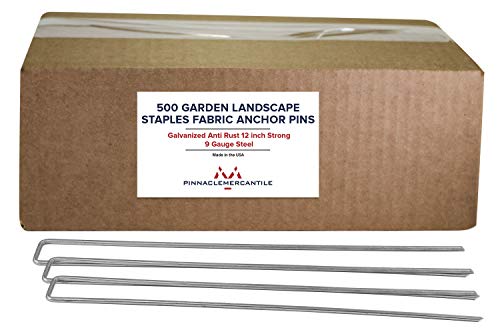
Pinnacle Mercantile 12-Inch 9-Gauge Galvanized Garden Stakes

AquaLeaf Common Water Hyacinth, 1 Count

AquaLeaf Water Lettuce Floating Plant
A Closer Look At Each Pick
A 4-inch pot of String of Frogs brings a trailing succulent shape to a shelf, hanging planter, or indoor display. Because the plant arrives alive and ready for placement, it offers a simple way to add greenery near the room where you plan your rain-garden work. The small pot also makes it less imposing than a full-size floor plant.
Keep expectations in focus, though. This is an indoor houseplant rather than a moisture-loving plant for a rain-garden basin. Unlike the Alpine Corporation 12-Inch Multicolor Garden Gnome, it contributes living greenery, but it does not belong in saturated soil or open water.
Where It Delivers
- The live, trailing succulent arrives potted and ready to display.
- Its 4-inch size fits neatly onto shelves and compact hanging arrangements.
- A winter heat pack is included to support safer cold-weather shipping.
- It adds a living decorative element without the footprint of a large planter.
Practical Considerations
- It is not a rain-garden or aquatic planting, so keep it separate from wet landscape areas.
- Plan for a bright indoor display location before ordering a trailing plant.
Feature Snapshot
Whose Shelf It Belongs On
This option best suits apartment dwellers or indoor plant fans who want compact greenery while planning a larger outdoor project.
A Better Fit Elsewhere
Choose AquaLeaf Water Lettuce Floating Plant instead for a water garden or pond where a floating aquatic plant is actually needed.
Rain-garden fabric, plant covers, and irrigation lines need anchors that stay put as rain, wind, and foot traffic push against them. The Gtongoko set supplies 120 staples in a 4-inch length, making it practical for smaller projects that need numerous anchors along an edge or around several rows.
Compare that approach with the Pinnacle Mercantile 12-Inch 9-Gauge Galvanized Garden Stakes, which offer more reach and thicker steel. The Gtongoko set makes more sense for broad coverage on relatively shallow applications, where the shorter profile and high count simplify spacing.
What Earns Its Place
- Twelve staples cover fabric edges, netting, covers, and irrigation hose.
- The 12-gauge steel provides a practical middle ground between light pins and heavy-duty anchors.
- A galvanized finish adds corrosion resistance for outdoor exposure.
- Four-inch staples are easier to place in limited soil without a long driving tool.
Trade Offs
- The 4-inch length provides less soil engagement than the 12-inch Pinnacle Mercantile stakes.
- A dense 120-piece count may exceed the needs of a very small planting bed.
Quick Facts
Made For
This set fits homeowners securing fabric and irrigation lines across a modest rain-garden footprint.
Consider Something Else When
Pinnacle Mercantile Garden Stakes suit projects with deeper soil access or a need for longer, thicker anchors.
A 12-inch gnome can make the edge of a rain garden feel finished rather than purely functional. This polyresin figure uses multicolor detailing and a bird accent to create a playful focal point near a path, planting bed, or viewing area.
Its role differs from the Gtongoko 120 Pack 4-Inch 12-Gauge Landscape Staples. The gnome contributes personality to the garden scene, while the staples perform the physical work of holding materials in place. Some people appreciate that contrast, especially when a practical project area also needs a cheerful visual marker.
A Few Strong Suits
- The bird accent gives the classic gnome shape a detailed focal point.
- Multicolor styling stands apart from restrained natural garden colors.
- The 12-inch scale is noticeable beside paths and low planting beds.
Where It May Fall Short
- It is a decorative statue, not a living plant or water-garden component.
- Its whimsical style suits playful landscapes better than restrained contemporary designs.
Right Fit For
This figure best suits gardeners who enjoy whimsical ornaments and want a colorful accent near a rain garden.
Not Your Match When
Choose Gtongoko Landscape Staples instead when securing fabric, hose, or netting is the actual priority.
Longer stakes make sense where the surface material needs deeper support than a shallow staple can provide. These 12-inch stakes can anchor landscape fabric, sod, edging, fencing, or drip irrigation around a rain garden, while their 9-gauge steel offers more substance than the Gtongoko 12-gauge staples.
Wire gauge measures steel thickness, and a lower gauge number indicates thicker material. Here, 9-gauge steel paired with a 12-inch length gives these stakes a more substantial installation profile. That may be especially helpful for larger edges or firmer ground where shorter anchors feel less convincing.
Noteworthy Benefits
- Twelve-inch length provides deeper soil engagement than the 4-inch Gtongoko set.
- Thick 9-gauge steel suits demanding anchoring tasks.
- Galvanized steel adds rust resistance for outdoor use.
- One pack handles fabric, edging, fencing, irrigation, and holiday decorations.
- Made in the United States.
Details To Watch
- The longer stakes require room for a driving tool and a firm, accessible insertion point.
- The 100-piece pack may be more than a compact project requires.
Technical Highlights
Built With In Mind
These stakes suit gardeners securing several landscape materials across a broad, accessible planting area.
Where A Sibling Pick Shines
Gtongoko Landscape Staples are the better fit for a small project that needs many shallow anchors.
Common water hyacinth brings both floating foliage and flowers to freshwater ponds, aquariums, and water gardens. It also participates in natural filtration by taking up nutrients such as nitrates and ammonia, while its surface growth can provide shade. That combination makes it useful when you want a visible aquatic plant with more than decoration as its job.
Compared with AquaLeaf Water Lettuce Floating Plant, this selection adds a flowering habit to the same general floating-plant category. Water lettuce arrives at a stated 3-to-5-inch diameter, while this item is simply packaged as one common water hyacinth plant. Choose according to the look and nutrient-handling role you prefer.
Key Advantages
- The floating plant adds surface coverage without being rooted in garden soil.
- Its flowers give a water garden more visual interest than foliage alone.
- Natural filtration helps address dissolved nutrients in freshwater environments.
- Surface shade can limit light available to algae in suitable ponds.
- It works in ponds, aquariums, and freshwater water gardens.
Less Ideal Details
- One plant provides a modest starting point for a larger pond.
- Check local guidance before introducing a nonnative aquatic plant into an outdoor water feature.
- Plan for containment because floating plants can spread across open water.
The Right Fit
This water hyacinth suits pond keepers who want a flowering floating plant and value its natural filtration role.
Look Elsewhere When
Choose AquaLeaf Water Lettuce Floating Plant for a smaller starter plant with a clearly stated 3-to-5-inch diameter.
Water lettuce offers a straightforward way to start a floating layer in a pond or water garden. This listing includes one plant measuring 3 to 5 inches across, and it is ready to place on the water once you are ready. That makes it a manageable addition for a new basin rather than a large aquatic collection.
Where the common water hyacinth emphasizes flowers, this option centers on floating foliage and its biofilter role. A biofilter uses living material to support the processing of waste in a pond. The distinction makes water lettuce a practical companion for a newly established water garden, with one plant giving you an easy starting point.
The Upside
- The 3-to-5-inch plant is easy to place into a new pond.
- Floating foliage adds life without requiring soil planting.
- Its biofilter function supports natural pond filtration.
- Low-fuss upkeep suits beginners managing a small water feature.
A Few Limitations
- One 3-to-5-inch plant offers limited initial surface coverage.
- Transit may leave the roots trimmed, although the floating plant remains ready for placement.
Core Details
Who Will Love This
This option suits beginners creating a small pond or water garden that needs an easy first floating plant.
Another Choice May Suit
AquaLeaf Common Water Hyacinth is the better fit for a water garden where visible flowers are part of the goal.
Build a Rain Garden That Holds Up Season to Season
Match the Planting Area First
A rain garden depends on local runoff, soil drainage, sunlight, and climate. Native, moisture-loving plants suited to those conditions should form the living core. The string of frogs succulent and garden gnome are decorative additions, not substitutes for plants capable of handling saturated soil.
Separate Living Plants From Support Hardware
Landscape fabric, plant covers, netting, and irrigation lines need different anchor types. A high-count set of short stakes fits broad but shallow coverage, while longer stakes suit deeper anchoring. Match the stake length and steel gauge to the material, soil access, and scale of the project.
Size Floating Plants to the Water Feature
Water hyacinth and water lettuce serve different visual and practical roles. Account for basin size, sunlight, nutrient conditions, and containment before adding either. Local rules also matter for aquatic plants that may spread beyond the property.
Use Decoration With a Purpose
A gnome can mark a path or give a rain garden a playful character. Position it away from areas where it obstructs access or becomes vulnerable to movement. Decorative pieces add character, but functional hardware and suitable plants determine how the garden performs.
Practical Details That Prevent Costly Adjustments
Mistakes Worth Dodging
Don’t treat a decorative plant or statue as part of the water-handling system. Match every floating plant to the basin and check local guidance, especially for nonnative species. Avoid choosing short staples for fabric that needs deeper anchoring, and count the usable edge length before buying a large pack.
What The Higher Tier Buys
A heavier stake package usually gains you longer reach, thicker steel, or a larger quantity. Those upgrades matter when soil is firm, fabric carries substantial tension, or many attachment points need support. For a shallow, compact installation, a shorter high-count pack can handle the job more neatly.
Frequently Asked Questions
Which Products Are Actual Water Plants?
AquaLeaf Common Water Hyacinth and AquaLeaf Water Lettuce Floating Plant are the aquatic choices. The other items support landscaping, decoration, or indoor greenery.
Is String of Frogs Suitable for a Rain Garden?
No, String of Frogs is a trailing indoor succulent. Keep it in a pot near your workspace rather than planting it in saturated rain-garden soil.
Which Landscape Staples Are More Suitable for Deep Anchoring?
Pinnacle Mercantile 12-Inch 9-Gauge Galvanized Garden Stakes provide greater length and a thicker steel profile. Gtongoko 4-inch staples suit shallower, high-count applications.
Does the Garden Gnome Improve Water Management?
No, the gnome is a polyresin decoration. Anchors, appropriate plants, and sound drainage handle the functional work of a rain garden.
How Many Floating Plants Should Be Added?
The listings include one plant each, so coverage begins on a modest scale. Pond size, sunlight, nutrient levels, and plant spread determine how many are needed over time.
Final Verdict
The strongest rain-garden setup pairs suitable planting and containment with hardware matched to the site. Use the two stake options according to depth and project scale, choose aquatic plants by appearance and local suitability, and treat the succulent and gnome as decorative additions. A thoughtful combination looks better and works more coherently than a collection of unrelated pieces.
