

Planting a rose in poor soil can leave you guessing whether the problem sits underground or above it. Compact garden beds lack the drainage roses need, exhausted potting mix offers few nutrients, and busy homeowners often mistake a bloom fertilizer for a complete planting medium. The right match depends on whether you are starting fresh, enriching an existing bed, or feeding roses already growing in containers.
This lineup covers all three jobs. You’ll find ready-to-use raised-bed blends, bulk compost for improving soil, soluble root and bloom nutrients, and a flexible mycorrhizae amendment for roses and other plants.
A Quick View Of The Lineup
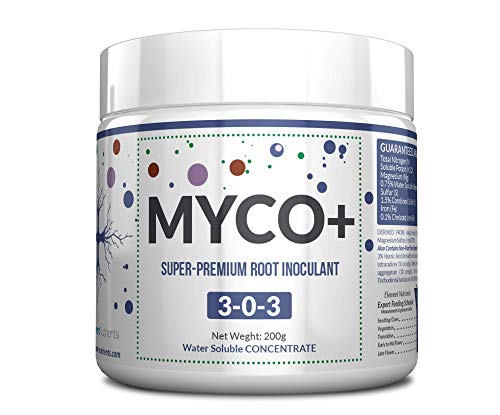
Element Nutrients MYCO+ Mycorrhizae Fungi Powder, 200 Grams

Complete Crop 9-5-15, 1000g
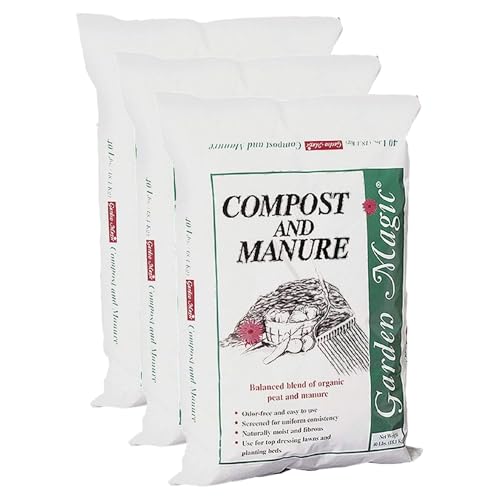
Garden Magic Compost Blend, 3-Pack

Flower Fuel 1-34-32, 250g

Michigan Peat BACCTO Raised Bed Soil with Compost, 1.5 cu ft

FoxFarm Raised Bed Mix with Earthworm Castings, 1.5 cu ft
The Picks, Examined More Closely
Roses reward attention to their root zone, particularly when the surrounding soil has become dense or biologically inactive. MYCO+ supplies a concentrated mycorrhizae amendment, a group of beneficial fungi that associate with plant roots and support the development of a larger root system.
Unlike the finished raised-bed blends later in this list, MYCO+ is an amendment rather than a complete growing medium. Its flexibility suits gardeners working with soil, coco, rockwool, hydroponics, or aeroponics, provided your base medium already handles drainage and root anchorage.
The Case For It
- Roses appear directly among the listed plants, so the formula targets a relevant garden use.
- Water solubility makes the powder practical across soil-based and soilless setups.
- Root-mass support offers a distinct benefit for cuttings, young roses, and disturbed beds.
Points To Keep In Mind
- This powder does not replace a well-drained rose mix or supply the physical structure roots need.
- Keep the container sealed and dry, and plan where you will store it between applications.
Feature Snapshot
Built With In Mind
You’ll benefit most from MYCO+ when you already have a suitable growing medium and want to support rose root development across indoor or outdoor systems.
Another Choice May Suit
Choose the Michigan Peat BACCTO Raised Bed Soil instead when you need a complete, ready-to-use planting medium for a new rose bed.
A rose bed can look healthy while still lacking the nutrition needed for sustained growth and flowering. Complete Crop 9-5-15 approaches that need through irrigation, providing a combined nitrogen, phosphorus, and potassium formula instead of three separate fertilizers.
The numbers describe the nutrient ratio: nitrogen supports leafy growth, phosphorus contributes to root and flower development, and potassium supports general plant vigor. For you, the appeal is the simplified feeding routine, especially in a greenhouse, nursery, or large container setup.
What Makes Sense
- One product combines three primary nutrients for a shorter feeding routine.
- The 9-5-15 ratio suits growers balancing foliage, roots, and flowers.
- Its water coverage suits recurring irrigation across numerous plants.
- The 1000-gram package provides a substantial supply for regular use.
Practical Considerations
- It supplies nutrients but does not create drainage or replace a proper rose-growing medium.
- Accurate measurement matters because treating up to 800 gallons calls for a deliberate watering plan.
Who Should Grab It
You’ll find Complete Crop most practical when you maintain several container roses or operate a water-fed garden with a regular fertilization schedule.
Where A Sibling Pick Shines
The FoxFarm Raised Bed Mix is the better fit when you need both a growing medium and an established organic base for fresh planting.
Established rose beds often need rebuilding before another round of fertilizer makes sense. Garden Magic combines reed sedge peat with composted animal manure, giving you a prepared blend for improving depleted soil, filling raised beds, or refreshing container mix.
The blend is odorless and requires no mixing, which matters in a busy garden shed or an entryway where a strong manure smell would be unpleasant. Compared with BACCTO’s smaller ready-to-use package, this three-bag format favors larger soil-building jobs.
A Strong Showing
- Compost and peat help add organic matter to tired garden soil.
- The pre-prepared formula removes the blending and curing stage.
- Its odorless composition suits close-to-home storage and use.
Small Caveats
- Three 40-pound bags require dry storage space and a manageable route into the garden.
- The fixed blend offers less control than mixing separate compost, peat, and soil components.
- It is a broad soil amendment rather than a rose-specific nutrient formula.
The Right Fit
You’ll appreciate this option when restoring a large raised bed, improving lawn soil, or replenishing several containers with a compost-based blend.
Consider Something Else When
The Michigan Peat BACCTO Raised Bed Soil fits a single compact bed better because its 1.5-cubic-foot package is easier to handle and pour directly around roses.
Flower Fuel takes the opposite approach from the soil blends: it concentrates on the flowering stage rather than the physical growing medium. Its 1-34-32 formula is low in nitrogen and high in phosphorus and potassium, a combination designed to encourage fuller floral development.
You can dissolve it in soil, coco, hydroponic, or aeroponic systems, and it can complement a standard two- or three-part base nutrient. For experienced rose growers managing irrigation closely, that flexibility makes it a focused addition rather than a soil replacement.
Practical Pluses
- Hydroponic-grade solubility suits controlled feeding systems.
- Works with common base nutrients across several growing media.
- The high-potassium formula targets the flowering phase of rose care.
- More than 40 ingredients create a complex bloom-focused blend.
Things To Consider
- This concentrated bloom nutrient does not provide the drainage and structure of a raised-bed mix, so it complements rather than replaces the root medium.
Who Will Love This
You’ll get the most value from Flower Fuel as a rose gardener who already has a sound medium and wants targeted flowering-stage nutrition.
Swap It Out When
The BACCTO Raised Bed Soil is the stronger choice for a new rose planting where you need compost, manure, and earthworm castings in the root zone from day one.
Planting a rose in a new raised bed calls for a medium that arrives ready to use and already contains useful organic components. BACCTO combines compost, composted manure, and earthworm castings, which add organic matter, support moisture retention, and introduce beneficial microbes into the root zone.
Earthworm castings are particularly useful for gardeners who want gentle, slow-release nutrition in the soil. Unlike the bulk Garden Magic blend, this 1.5-cubic-foot package offers a more manageable volume for one bed, with a straightforward pour-and-plant setup.
The Practical Payoff
- Ready-to-use composition saves time during bed preparation.
- Compost, manure, and castings provide a varied organic foundation.
- Organic matter supports the soil’s ability to retain moisture around rose roots.
Trade Offs
- The all-purpose formula does not tailor nutrients specifically to roses.
- A single 1.5-cubic-foot package may fall short for a broad or deeply rooted bed.
- Ongoing feeding can still be necessary as plants mature and use available nutrients.
Key Product Details
Made For
You’ll find BACCTO convenient for a new raised-bed rose planting where you want a ready-mixed medium without a separate soil recipe.
Reach For A Different Pick When
The Garden Magic Compost Blend better serves large-scale soil restoration because its three 40-pound bags provide more material for blending or top-dressing.
A raised bed and a container do not need the same volume, but both benefit from a medium that is ready to use. FoxFarm blends aged forest products, sphagnum peat moss, earthworm castings, and oyster shell into a general-purpose mix for raised beds and containers.
Earthworm castings bring organic nutrients and beneficial microbes, while peat and forest-derived materials form the base around them. Compared with BACCTO’s manure-led formula, this option offers a broader all-purpose composition for mixed plantings of roses, herbs, flowers, and vegetables.
Key Advantages
- No mixing or additional setup is required before planting.
- The blend works for raised beds and containers.
- Earthworm castings add nutrients and beneficial microbial material.
- Sphagnum peat and aged forest products create a versatile base.
- Oyster shell adds a mineral component to the finished mix.
Possible Compromises
- Its general-purpose composition is not tailored specifically to rose nutrition.
- The 1.5-cubic-foot volume is most convenient for a small bed or several pots, not a large garden.
Core Features
Whose Shelf It Belongs On
You’ll appreciate FoxFarm when planting roses in containers or a small raised bed alongside vegetables, herbs, and other flowers.
Look Elsewhere When
Choose MYCO+ instead when your current rose medium is already suitable and your main goal is a targeted root-zone fungal amendment.
What Matters Most in a Rose-Growing Mix
Start With Drainage
Roses grow poorly in soil that stays saturated around the roots. Raised beds improve drainage naturally, but the planting mix still needs a loose, open structure rather than a dense, compost-heavy consistency. Check the bed’s depth and drainage openings before selecting a blend.
Match Nutrients to the Planting Stage
A complete planting medium supplies a useful starting foundation, while a fertilizer handles later nutritional needs. New roses often benefit first from a well-prepared root zone; established plants may need a feeding program based on their growth stage and soil condition.
Consider Volume and Handling
One cubic foot is 7.48 gallons, so a 1.5-cubic-foot bag provides enough material for a compact bed or several containers. Larger gardens may need multiple bags, and dense compost blends can be awkward to carry and spread. Match the package to your bed size and storage space before ordering.
Two Details That Change the Decision
Common Shopping Slip Ups
A bloom fertilizer cannot replace planting soil because nutrients do not create the drainage, anchorage, and moisture-buffering structure that roots require. Likewise, compost is an enrichment material rather than a complete planting formula. Match the product to the job instead of assuming one bag handles every stage.
What Separates Premium From Basic
Cost differences often reflect the amount and variety of organic components, specialized handling, and concentrated formulation. A richer blend with compost, manure, or castings can suit new beds, while a targeted amendment or soluble nutrient may deliver more value later in the rose’s growth cycle.
Frequently Asked Questions
Is planting soil for roses the same as regular potting mix?
No. Potting mix is designed mainly for containers, while a raised-bed mix can support larger root systems and heavier plants. Choose a rose mix with good drainage, organic matter, and enough volume for the mature plant.
Should I use a raised-bed mix for container roses?
Yes, provided the container has drainage holes. A raised-bed blend can work well in a large pot, although you may need a more moisture-retentive component for a small container that dries quickly.
Does compost and manure blend provide enough nutrition for roses?
It provides an organic foundation, but nutrient needs change as roses grow. You may still need a suitable fertilizer during active growth, following its label and the plant’s condition.
Can I use bloom fertilizer instead of planting soil?
No. Bloom fertilizer supplies nutrients but does not provide the soil structure roots need for anchorage, drainage, and water management. Use it alongside a suitable rose-growing medium.
How much soil does a rose need?
The amount depends on the rose’s mature size and the planting container. A standard rose needs a root zone deep enough for active growth, while a raised bed should provide more rooting volume than a small pot.
Final Thoughts
The best fit depends on the job rather than the product label. BACCTO suits straightforward raised-bed planting, FoxFarm handles small gardens and containers, Garden Magic supports larger soil-building work, and the Element Nutrients products target root development and feeding. Match the medium to your space, then build a rose care routine around it.
