

A tired fern in a small apartment can make the watering schedule feel like a guessing game. You need potting soil that fits the plant, pot, and space you actually have, whether that means moisture control, fast drainage, or a compact block that avoids a shelf full of soil bags. These six options cover common houseplant, seedling, and succulent setups without pretending one formula suits every root system.
Your Options, Compared
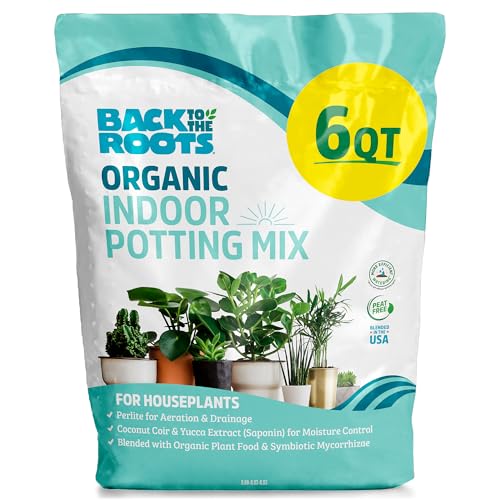
Back to the Roots Organic Potting Mix, 6 qt

Back to the Roots Organic Potting Mix, 12 qt

Miracle-Gro Moisture Control Potting Mix, 8 qt

FoxFarm Ocean Forest Potting Soil for Containers, 12 qt, Aerated Mix

Back to the Roots 6 qt Soil Block
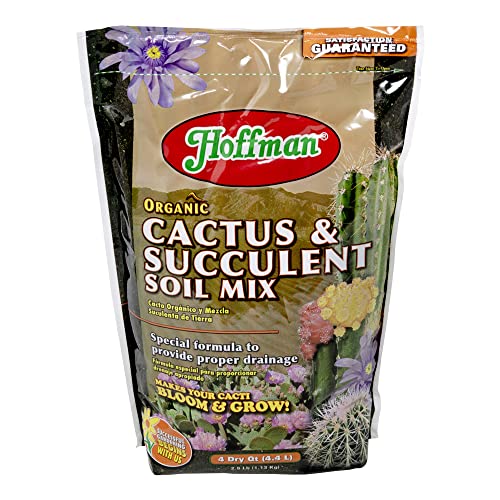
Hoffman 10404 Cactus Soil, 4 qt
A Deeper Look At The Lineup
This six-quart blend is a practical fit for houseplants that appreciate steady moisture without a dense, bark-heavy medium. Organic yucca extract helps the mix hold water between drinks, while dolomitic limestone adjusts pH, the measure of soil acidity or alkalinity. For most indoor plant shelves, that creates a sensible balance of moisture availability and root space.
The mix also includes mycorrhizae, beneficial fungi that form relationships with plant roots and support water and nutrient uptake. It contains no bark or compost, which also makes it less prone to the indoor gnats and pests associated with some organic amendments. Compared with the compressed block later in the lineup, you lose the storage advantage, but you gain a ready-to-use texture.
Strong Points
- Yucca extract supports moisture retention between regular watering sessions.
- Mycorrhizae give roots added support for water and nutrient uptake.
- Peat-free composition suits gardeners reducing reliance on peat-based mixes.
- The bark-free, compost-free blend can reduce nuisance pest pressure indoors.
Points To Note
- Six quarts may require another bag for a sizable collection, and the general-purpose formula is not tailored to cactus drainage needs.
Quick Facts
Who Will Love This
This mix suits you most when you keep leafy houseplants, prefer peat-free ingredients, and want a straightforward medium that is ready to use.
Where Another Pick Suits Better
Hoffman 10404 Cactus Soil is the better match for a collection made primarily of cacti and succulents that need specialized drainage.
The deciding factor here is simple: this is the same soil formulation as the six-quart option, but the bag holds twice as much. That makes sense for a busy repotting day, a home office filled with small pots, or anyone who dislikes making repeat trips to the garden section. For a single windowsill plant, the smaller bag leaves more room in the closet.
Yucca extract supports moisture retention, while mycorrhizae and dolomitic limestone provide the same root-focused and pH-balancing approach as the smaller container. The peat-free formula also avoids bark and compost, reducing the likelihood of indoor gnats and pests. The honest read is that the soil itself is not the difference; convenience and volume are.
A Few Strong Suits
- Twelve quarts supports larger collections and multiple repotting projects.
- The familiar moisture-control formula suits typical leafy houseplants.
- Peat-free, bark-free composition reduces common indoor soil concerns.
Practical Considerations
- The larger bag takes more shelf or floor space than the six-quart version.
- It remains a general indoor mix, so cacti and succulents need a more specialized medium.
Built With In Mind
This larger format best serves you when repotting several plants at once or maintaining an active indoor garden.
A Better Fit Elsewhere
Back to the Roots 6 qt Soil Block suits you better when storage space is limited and you prefer to add water only as needed.
For a container garden where watering days occasionally stretch from Sunday to Tuesday, this eight-quart mix offers a more forgiving approach. Its AquaCoir formula uses coir, a coconut-fiber medium, to help manage both excessive and insufficient watering. The mix is also formulated to feed plants for up to six months, reducing one more item on your maintenance list.
Unlike the Back to the Roots options, this formula combines moisture management with a stated feeding period, so it serves a different purpose. It works for flowers, vegetables, annuals, perennials, shrubs, and indoor container plants. Depending on your plants, that built-in feeding makes it especially convenient for mixed container displays.
Bright Spots
- AquaCoir is designed to buffer both overwatering and underwatering.
- The medium absorbs up to 33% more water than basic soil without coir, peat, or wetting agent.
- Plant food is included for up to six months of container feeding.
- Eight quarts covers several flowers, vegetables, or annuals.
- One formula accommodates a wide range of container plants.
Some Limits To Know
- The included feeding period may duplicate a separate fertilizer routine.
- It is a general container mix rather than a dedicated cactus or succulent medium.
Feature Snapshot
The Right Fit
This mix fits you well when you grow several container types and want moisture buffering with a built-in feeding schedule.
Reach For A Different Pick When
FoxFarm Ocean Forest Potting Soil is the better choice for seedlings that benefit from a lighter, aerated container texture.
FoxFarm Ocean Forest earns its place through texture rather than a moisture-control gimmick. Its blend of aged forest products, sandy loam, and sphagnum peat moss is light and aerated, which gives roots room while supporting drainage. That profile makes it appealing for houseplants, container gardens, seedlings, and plant starts.
Fish meal, crab meal, and earthworm castings add organic material to the base. Compared with Miracle-Gro Moisture Control, this mix presents a looser, more aerated profile rather than a coir-centered watering buffer. For seed-starting work or a patio of mixed containers, that distinction matters more than a built-in feeding schedule.
What Makes Sense
- The light texture promotes aeration and drainage around container roots.
- Sandy loam adds structure to the peat and aged forest components.
- Fish meal, crab meal, and earthworm castings enrich the blend.
- Twelve quarts supports multiple containers and propagation projects.
Trade Offs
- Its general container profile is less specialized than a cactus mix, and the 12-quart bag needs meaningful storage space.
At A Glance
Whose Shelf It Belongs On
This soil best suits you when you propagate plants, maintain container gardens, or want a loose root zone for indoor specimens.
Swap It Out When
Hoffman 10404 Cactus Soil is the better fit when your collection contains desert or jungle cacti that need a specialized, pH-balanced blend.
A cramped utility shelf changes the decision more than a plant does. This compressed coir block stores in a fraction of the space occupied by a loose soil bag, then expands to six quarts after you add water. Once hydrated, the coir-based medium becomes fluffy and supports both moisture retention and aeration indoors or outdoors.
That makes it a sensible choice for an apartment, a propagation station, or anyone who wants soil available without storing a heavy bag. Unlike the pre-mixed Back to the Roots options, though, it requires a preparation step before potting. The tradeoff is simple: better storage convenience in exchange for adding water and waiting for expansion.
The Value In It
- The compressed format keeps unused soil compact and easier to store.
- Expanded coir supports moisture retention and root aeration.
- Six quarts suits indoor and outdoor container projects.
Potential Drawbacks
- You must add water and let the block expand before using the soil.
- Six expanded quarts cover less volume than the 12-quart bagged mix.
- It lacks the ready-to-use convenience of the pre-mixed Back to the Roots products.
Best Suited To
This block suits you best when storage space is tight, you repot in stages, or you want to expand the soil only as needed.
Another Choice May Suit
Back to the Roots Organic Potting Mix, 6 qt is more convenient when you want to fill a pot immediately without preparing a compressed block.
Cacti and succulents rarely appreciate the same soil used for a leafy philodendron. This four-quart mix is formulated specifically for jungle and desert cacti, with a balanced pH and a drainage-focused composition. That focus makes it the clearest specialist in this group for windowsill collections full of prickly, flowering, or water-storing plants.
The mix is ready to use, so you can fill containers without preparing a blend yourself. It also supports root development and blooming, which are meaningful outcomes for cacti that spend much of the year in small pots. Compared with the compressed coir block, the trade-off is sharper specialization and less storage flexibility.
The Case For It
- The formulation is designed specifically for jungle and desert cacti.
- Balanced pH supports the conditions these plant types need.
Where It Is Less Suited
- This specialized mix is not the natural choice for ordinary foliage houseplants.
- Four quarts may be limiting for a large succulent collection, and the bag still takes up storage space.
The Key Facts
Made For
This mix is made for you when cacti and succulents make up most of your indoor collection.
Look Elsewhere When
Back to the Roots Organic Potting Mix, 12 qt is a better fit for a broad collection of leafy houseplants needing more volume.
Matching Soil to the Plant and Pot
Moisture and Drainage
Moisture control matters most when watering is irregular, but richer retention is not automatically right for every plant. A mix that holds water longer can support leafy plants, while cacti and many succulents generally benefit from faster drainage. You can compare coir-based moisture control with the FoxFarm blend’s aerated texture, but your plant’s watering needs should lead the decision.
Plant Type and Root Needs
A general indoor formula works well for many foliage plants and container vegetables. Seedlings may benefit from a lighter mix with more visible pore space, while cacti deserve a formulation designed around their specialized needs. Organic ingredients and pH adjustments can be useful attributes, but neither label replaces a close look at drainage.
Volume and Storage
Match the quantity to the pots you are filling, not simply to the number of plants. A 12-quart bag suits broad repotting sessions, while a compressed block can be easier to store in an apartment. Consider whether you need the soil immediately, how much shelf space you have, and whether one specialist blend will serve your whole collection.
What to Watch Before You Pot
Common Shopping Slip Ups
Choosing by the word “indoor” alone can leave you with a medium that does not match drainage, plant type, or pot size. Check the ingredient and texture details, then make sure the quantity fits your actual repotting plan.
What The Higher Tier Buys
Targeted formulations may cost more because they include specialized amendments, pH balancing, or a carefully blended texture. The extra investment makes sense for cacti, seedlings, or containers with difficult watering schedules, while a general organic mix remains practical for ordinary houseplants.
Frequently Asked Questions
Do All Potting Mixes Work for Indoor Plants?
Most general potting mixes suit common indoor plants, but drainage and plant type still matter. Cacti and succulents benefit from a specialized medium rather than a moisture-heavy indoor formula.
How Much Potting Soil Do I Need?
Fill the pot around one-third with soil, position the plant, then add enough mix to cover the root ball. Larger pots and multiple repotting projects require proportionally more soil.
Which Soil Is Best for Cacti and Succulents?
Hoffman 10404 Cactus Soil is formulated for jungle and desert cacti with balanced pH and drainage-oriented conditions. The FoxFarm Ocean Forest blend is more appropriate for general containers and seedlings.
Does Organic Potting Soil Work Better for Houseplants?
Organic describes the composition approach, not a universal performance level. Choose based on the plant’s drainage needs, your watering habits, and the texture that suits the container.
How Should Potting Soil Be Stored?
Keep loose potting mix sealed and dry in a location protected from moisture and temperature swings. A compressed soil block offers additional storage flexibility, but prepare it with water only when you are ready to use it.
Final Verdict
Start with the plants you actually own. Moisture-conscious houseplant owners can consider Back to the Roots, while container gardeners seeking built-in feeding may prefer Miracle-Gro. FoxFarm fits aerated seedling work, the compressed block solves storage, and Hoffman gives cacti the focused medium they need. Match the formula to the plant, then let the pot and watering routine make the final call.
