

A tomato planter needs more than enough space for roots. It also needs dependable drainage, a way to support climbing stems, and enough flexibility for patios, balconies, or open garden spaces. The right choice depends on whether you are starting seedlings, growing a full-size plant, or combining the container with a built-in trellis. These six options cover each approach with different capacities, materials, and footprints.
The Picks In Brief
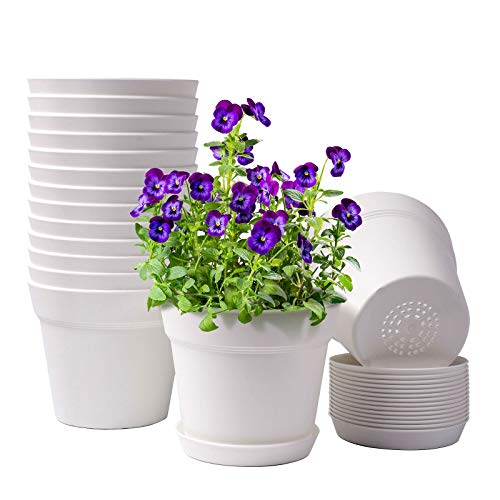
homenote 6-Inch Plant Pots, 15-Pack

AC Infinity 500G Fabric Grow Bags, 5-Pack

Plgardpo Clear Nursery Pot Set with Drainage, 3/3.5/4 Inches, 24-Pack
LINEX 41.3-Inch Raised Tomato Bed with Trellis and Wheels

LINEX 67.6-Inch Raised Tomato Bed with Trellis and Wheels

LINEX 56.7-Inch Raised Tomato Bed with Trellis and Wheels
A 6-inch plastic pot gives tomato seedlings a practical start without the bulk of a full raised planter. Each pot has multiple drainage holes, which let excess water leave the soil while reducing the chance of a single opening becoming blocked. For most balcony growers, that combination makes this a straightforward way to raise a group of young plants.
The set includes 15 pots and 15 matching trays, so you can water several seedlings without setting loose containers on a shelf. Compared with the fabric grow bags and clear nursery pots later in the list, these containers prioritize simple plastic construction, coordinated trays, and a low-profile footprint.
Positive Takeaways
- Fifteen pots support organized batches of seedlings or young tomato plants.
- Multiple bottom openings provide practical drainage for container soil.
- Matching trays collect excess water and keep pot bases elevated.
- The compact 6-inch format suits shelves, patios, and indoor propagation areas.
Minor Gripes
- These small pots provide less root space than the 5-gallon fabric grow bags.
- The trays need to be emptied after watering, especially in humid conditions.
Key Specs
Made For
You get the most value from these pots as a beginner or home grower raising seedlings before moving them into larger containers.
Another Choice May Suit
The AC Infinity 500G Fabric Grow Bags suit you better when mature tomato plants need substantially more root space.
These 5-gallon fabric bags replace rigid sidewalls with thick, nonwoven fabric, a material that allows air to reach the root zone. That process encourages air pruning, where roots branch when they encounter the porous surface rather than continuing around the container. For tomatoes that will grow beyond the seedling stage, this root-focused design offers a different approach from the homenote 6-inch plastic pots.
Nylon handles make each bag easier to move, while reinforced stitching supports regular handling. Built-in metal rings also create a pass-through for twist ties, giving you a convenient way to train climbing stems. Depending on your setup, the softer structure may be easier to reposition than a fixed raised bed.
Everyday Perks
- The 5-gallon capacity offers much more growing room for established tomatoes.
- Nonwoven fabric supports air pruning around the root zone.
- Nylon handles help you reposition each container without digging.
- Reinforced stitching adds support at the bag’s seams.
- Metal rings provide an opening for twist-tie plant support.
Worth Noting
- Each filled bag becomes heavy, so check the route to its permanent growing position before adding soil.
Technical Sheet
Right Fit For
You’ll appreciate these bags if you grow tomatoes in containers and want ample root space with easier repositioning than a fixed planter.
Where A Sibling Pick Shines
The Plgardpo Clear Nursery Pot Set is a better fit for young seedlings that need visible roots and smaller containers.
Transparent walls turn these nursery pots into practical monitoring containers, letting you check root development without disturbing the plant. The set includes eight pots each in 3-inch, 3.5-inch, and 4-inch sizes, so you can move seedlings upward as their root systems fill the available space. That visibility may be especially useful during indoor propagation.
Unlike the 500G fabric bags, these flexible polypropylene pots keep a more traditional container shape and include bottom drainage. The trade-off is capacity: they work well for young plants, but the largest 4-inch option still offers much less room than a 5-gallon grow bag.
Reasons It Performs
- Clear sides let you observe root growth without removing the plant.
- Three sizes support gradual transitions as seedlings develop.
- Drainage openings help prevent water from collecting inside each pot.
Small Caveats
- The 24 pots occupy more shelf or bench space than a similarly compact single-container setup.
- Small sizes are better suited to propagation than to full-size tomatoes.
- Visible roots and soil may make the clear plastic less suitable for decorative displays.
Who It Suits Best
You’ll find this set useful for seed-starting tomatoes and monitoring root development before transplanting.
Consider Something Else When
The LINEX 56.7-Inch Raised Tomato Bed is the better fit when you need built-in support and a much larger growing area.
The 41.3-inch LINEX planter combines a raised growing box, a climbing trellis, a watering reservoir, and wheels in one compact structure. The trellis gives tomato stems a place to climb instead of relying on separate stakes, while the reservoir stores water below the growing area. A self-watering reservoir gradually supplies moisture from that lower reserve.
Compared with the Plgardpo nursery pots, this is a more complete setup for a plant that develops tall stems. The wheels also make the combined unit easier to reposition, although the filled planter will need a smooth surface and enough room to turn. In most patios, the integrated support earns its space more readily than a collection of separate containers.
Noteworthy Benefits
- The built-in trellis supports climbing tomato stems and vine vegetables.
- A lower reservoir reduces the need for frequent top-level watering.
- Wheels help you move the raised bed across a patio or yard.
- The 41.3-inch format offers a compact option for dedicated tomato growing.
Practical Considerations
- Confirm that its height fits beneath any patio cover, shelf, or awning.
- Soil, water, and plant weight can make the unit awkward to move over uneven ground.
At A Glance
Built With In Mind
This planter suits balcony or patio gardeners who want tomato support, watering storage, and mobility in a smaller structure.
A Better Fit Elsewhere
The LINEX 67.6-Inch Raised Tomato Bed suits you better when you have room for a larger soil reservoir and taller trellis.
This is the roomiest of the three LINEX planters, with a 67.6-inch overall design, a 41.3-inch-long and 9.84-inch-wide planter box, and a 54.5-inch trellis. Its 8.3-gallon planting capacity gives you more soil volume than the 41.3-inch model, while the taller support gives climbing tomatoes more vertical room. The result is better suited to a dedicated bed than a compact patio corner.
The self-watering reservoir reduces top-watering frequency, and the wheels keep the unit mobile on a level surface. You’ll likely need to measure both the setup and its intended path carefully, since the larger dimensions can limit placement in narrow spaces.
Advantages To Know
- The 8.3-gallon box provides a substantial soil volume for a tomato bed.
- A 54.5-inch trellis provides generous vertical space for climbing stems.
Possible Compromises
- The 67.6-inch overall design needs more patio or yard space than the other LINEX models.
- The larger planting box and filled soil will create more weight to manage.
- Its scale is unnecessary for short seedling stages or a single young plant.
Made For
You’ll appreciate the extra capacity if you want a substantial raised bed for tomatoes and other climbing crops in an open outdoor area.
Swap It Out When
The LINEX 41.3-Inch Raised Tomato Bed is a better fit for patios where the 67.6-inch footprint would be restrictive.
The 56.7-inch LINEX model lands between its smaller and larger siblings, with a 6.1-gallon planter box and a 43.6-inch trellis. That gives tomatoes more room and vertical support than the 41.3-inch version without requiring the 67.6-inch footprint. For gardeners who want a substantial raised bed but still care about patio space, the proportions feel easier to accommodate.
The lower reservoir provides self-watering storage, while the wheels add mobility on a flat patio. Compared with the 67.6-inch model, the compromise is capacity, not the overall feature set. Check the filled weight and turning space before settling on a final position.
The Value In It
- The 6.1-gallon box balances useful soil volume with a moderate footprint.
- A 43.6-inch trellis gives climbing tomatoes substantial vertical support.
- Self-watering storage and wheels add convenience in an outdoor setup.
Some Limits To Know
- It offers less planting capacity and trellis height than the 67.6-inch LINEX planter.
- Its 56.7-inch length may still be too large for a narrow balcony.
Quick Facts
Whose Shelf It Belongs On
This raised bed suits patio growers who want integrated trellis support and a moderate soil capacity without the largest footprint.
Reach For A Different Pick When
The AC Infinity 500G Fabric Grow Bags suit you better when portability and flexible placement matter more than built-in trellis support.
Match the Container to Your Tomato Setup
Start With the Plant’s Stage
Small pots work best while roots are still developing and the plant can remain compact. The 3-inch, 3.5-inch, and 4-inch clear containers show root progress clearly, making them useful for propagation. Once stems need more room, the 5-gallon fabric bags offer a much larger soil volume. Raised planters serve a different role, combining root space with built-in support for climbing plants.
Drainage and Watering Are Separate Decisions
Drainage holes allow excess water to escape from the bottom of a pot, while trays catch that runoff. The homenote set includes both parts, which keeps a batch of seedlings organized. Fabric bags handle excess water through their porous sides, while the LINEX planters store water in a lower reservoir. Compare the watering method with your routine rather than treating one system as interchangeable with another.
Support and Footprint Shape the Decision
Tomato stems climb, so a trellis can save you from arranging separate stakes. The LINEX models add vertical support, a planting box, a reservoir, and wheels. Their differing lengths matter: the 41.3-inch version suits tighter patios, the 56.7-inch version balances capacity with space, and the 67.6-inch version serves larger growing areas. Measure the full setup, including its height, before filling it with soil.
Details That Change the Decision
Common Shopping Slip Ups
A common mistake is choosing by capacity alone. A large planter still needs a suitable location, and a small pot still needs reliable drainage. Check the full dimensions, available light, and your watering habits before choosing.
What Separates Premium From Basic
The larger LINEX models spend more space on support, soil volume, and water storage. That extra capacity helps when you are growing established vines, while a small nursery pot remains sensible for young seedlings.
Frequently Asked Questions
Do tomato seedlings need drainage holes?
Yes, drainage holes let excess water leave the soil and reduce standing moisture around the roots. The homenote pots, clear nursery pots, fabric bags, and raised planters each provide a drainage approach suited to their design.
Are fabric grow bags better than plastic pots for tomatoes?
Fabric grow bags suit tomatoes that need more root space and easy repositioning, while plastic pots remain useful for seedlings. Choose according to plant stage, available space, and how you prefer to manage watering.
What size container should I use for a tomato plant?
A 5-gallon fabric bag or raised planter provides more root room than a 3-inch or 6-inch nursery pot. Young seedlings can begin in smaller clear pots, then move into a larger container as their roots develop.
Do raised tomato planters need a trellis?
A trellis gives climbing stems structured support and can reduce the need for separate stakes. The LINEX planters include one, making them useful for tomatoes and other climbing vegetables.
Can I see roots in the Plgardpo nursery pots?
Yes, the transparent plastic walls allow you to observe root growth without removing the seedling. This visibility is most useful during propagation and early plant development.
Closing Remarks
The right tomato container depends on plant stage and space: clear nursery pots for propagation, 6-inch plastic pots for organized seedlings, 5-gallon fabric bags for flexible container growing, and LINEX raised beds for built-in support. Measure your available area, compare the watering systems, and choose the amount of capacity your plants will actually use. The most useful pot is the one that fits your patio, routine, and growing plan.
