

A countertop hydroponic garden needs a nutrient feed that mixes cleanly, delivers a consistent ratio, and suits the plants you actually grow. The NPK numbers on a label represent the proportions of nitrogen, phosphorus, and potassium, so understanding them matters before you pour anything into a reservoir.
The six options below span concentrated liquid feeds, dry nutrients, staged grow-and-bloom systems, and a specialty orchid mist. Each one works best within a particular setup, from beginner-friendly houseplants to recirculating systems that need finer control.
A Side-By-Side Look

Nature’s Source 7520-US 10-4-3 Plant Food

Botanicare Pure Blend Pro Grow 3-2-4

Athena Pro Line 3-Part Dry Fertilizer Kit

Athena Blended Line Complete 8-Part Nutrient Kit

Athena Blended Grow & Bloom A&B 4-Part Kit
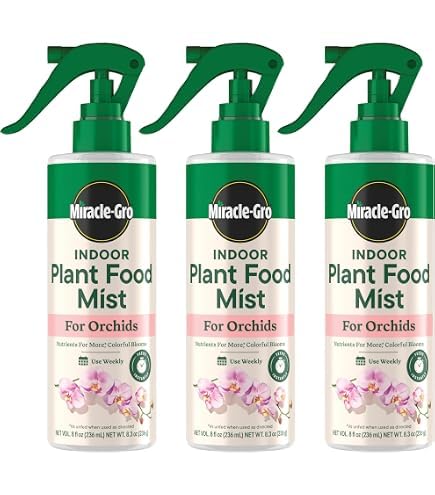
Miracle-Gro Orchid Plant Food Mist, 3 Pack
Meet The Standout Selections
A small mixed-plant garden can waste nutrients fast when every crop receives a different feed. Nature’s Source 7520-US takes a more general approach with its 10-4-3 ratio, a balanced blend intended for houseplants, gardens, and landscapes rather than one narrowly defined plant group.
The 64-ounce bottle is a practical choice for a busy shared system, particularly in a home setup where measured portions matter. Unlike a multi-part program, this is a single concentrated feed, so keeping the dosage consistent becomes the main daily task.
Why It Works Well
- The concentrated formula uses one teaspoon per gallon for houseplants, helping you avoid unnecessary mixing.
- A tablespoon per gallon serves garden and landscape plants, so one bottle covers several applications.
- Oilseed extract provides the base for a plant food designed for both indoor and outdoor growing.
- The all-purpose profile suits mixed collections better than a narrowly targeted flowering formula.
Things To Consider
- Its general-purpose ratio does not provide the staged control of a dedicated grow-and-bloom system.
- Accurate measuring matters because the recommended quantities change substantially between houseplants and garden plants.
Quick Facts
Made For
This option fits cost-conscious home growers tending houseplants and outdoor plants with one general-purpose concentrate.
Consider Something Else When
Botanicare Pure Blend Pro Grow 3-2-4 offers a clearer fit for a soilless setup that needs one-part nutrition during vegetative growth.
Hydroponic feeding gets complicated quickly when you have to coordinate several bottles and remember which stage each one serves. Botanicare Pure Blend Pro Grow removes that friction with a one-part formula, meaning you measure a single nutrient rather than build a multi-component recipe.
The 3-2-4 ratio is intended for vegetative growth, the period when plants are developing roots, stems, and foliage. That makes it a sensible fit for leafy crops, flowers, shrubs, cacti, and houseplants, but a separate flowering formula becomes necessary once plants enter their blooming phase.
Positive Takeaways
- The one-part format keeps daily feeding simple for a new hydroponic gardener.
- It works in soil, coco coir, containers, and soilless hydroponic applications.
- Using it with every watering during vegetative growth gives you a straightforward feeding routine.
- Its broad plant compatibility suits a mixed indoor or outdoor collection.
Worth Noting
- The formula is positioned for vegetative growth rather than the flowering stage.
- Compared with Nature’s Source 7520-US, it provides a more explicit hydroponic use profile but lacks that option’s indoor-and-outdoor concentration claims.
Who It Suits Best
This formula suits beginners and mixed-collection growers who want a straightforward feed for the vegetative stage.
A Better Fit Elsewhere
Nature’s Source 7520-US 10-4-3 Plant Food is the easier choice when you want one concentrate across both houseplants and garden beds.
A small reservoir does not need a complicated nutrient cabinet, but a full crop cycle still benefits from formulas matched to each stage. The Athena Pro Line offers a middle path: three dry components, a complete grow-to-harvest structure, and a simpler package than Athena’s larger eight-part system.
Its Pro Core, Pro Grow, and Pro Bloom components handle base nutrition, vegetative growth, and flowering separately. Unlike Botanicare’s single bottle, this setup gives you more control over the crop’s changing requirements, while the one-gallon mixing jugs help you prepare measured batches at the bench.
Practical Pluses
- The three formulas cover seedling, vegetative, and flowering stages in one coordinated kit.
- Dry, water-soluble nutrients dissolve without leaving sediment in the reservoir.
- Two one-gallon mixing jugs support preparation of larger working batches.
- The system works in hydroponics, soil, coco coir, greenhouses, and outdoor gardens.
- Its mineral-based formula suits growers who prefer measured, repeatable feeding schedules.
Points To Keep In Mind
- Managing three products takes more attention than using Botanicare Pure Blend Pro Grow.
- The dry concentrates require accurate measuring and complete dissolution before application.
- Storage space is a practical concern because the kit contains more components than a single-bottle option.
Feature Breakdown
Right Fit For
This kit fits home gardeners and small-scale growers who want stage-specific nutrition without a full eight-part program.
Where Another Pick Suits Better
Botanicare Pure Blend Pro Grow 3-2-4 suits a new grower who values one-part handling over separate grow and bloom components.
Recirculating systems reward precise control because water quality, plant stage, and reservoir conditions all interact. The Athena Blended Line Complete Nutrient Kit brings those variables into one coordinated package, with eight components covering base nutrition, flowering support, pH management, and system maintenance.
That level of control is the main reason to move up from Athena Pro Line’s three-part kit. The trade-off is real: more bottles mean more measuring, more storage, and a feeding schedule that demands closer attention, especially in a home space where simplicity is the priority.
A Few Strong Suits
- Grow A and B cover vegetative nutrition in two complementary components.
- Bloom A and B provide a separate stage-specific feeding program.
- PK supports more focused control over phosphorus and potassium additions.
- CaMg supplies calcium and magnesium for vigorous growth and accommodates reverse-osmosis or soft water.
- Balance helps hold pH steadier within the programmed feeding approach.
- Cleanse is included for maintaining roots, irrigation lines, and system cleanliness.
Honest Caveats
- This is the most involved option here, so your feeding routine and storage area need to accommodate eight components.
Technical Highlights
Built With In Mind
This kit fits experienced growers managing automated or recirculating systems that benefit from a detailed nutrient program.
Swap It Out When
Athena Pro Line 3-Part Dry Fertilizer Kit is easier to manage for a small home setup with straightforward stage changes.
Moving a crop from green vegetative growth into flowering can make nutrient management feel more involved than a single bottle ever does. The Athena Blended Grow & Bloom A&B 4-Part Kit handles that transition with four liquid bottles, two assigned to growth and two to blooming.
Compared with the eight-part Athena system, this set keeps the staged approach while reducing the number of separate supplements you need to track. It also works in hydroponics, soil, and coco coir, making it a flexible middle tier for growers who want more control than a one-part feed.
Features That Help
- Four bottles cover both vegetative and flowering stages through the crop cycle.
- The liquid formulas are designed for hand-watering, drip irrigation, and automated dosing equipment.
- Water-soluble formulas are intended to leave no sediment or residue in reservoirs and lines.
Possible Compromises
- Managing separate A and B components is more involved than using a one-part concentrate.
- It omits the supplemental pH, calcium, magnesium, and system-cleaning components included in the eight-part kit.
Core Details
Who Will Love This
This kit suits home growers and commercial operators who want stage-specific liquid nutrition across several irrigation methods.
Another Choice May Suit
Botanicare Pure Blend Pro Grow 3-2-4 is easier for beginners who only need a single formula during vegetative growth.
An orchid bench rarely resembles a leafy hydroponic reservoir, and a general-purpose fertilizer can miss the needs of that collection. This mist provides a more targeted routine, delivering moisture and nutrients to the leaves, roots, and growing medium rather than asking you to build a full reservoir feed.
The kit contains three bottles of approximately 8 fluid ounces each, which is useful for regular weekly application. Its specialty focus makes it a practical companion for orchid care, although it does not replace a complete hydroponic nutrient system for vegetables or mixed crops.
The Value In It
- Weekly misting gives orchid owners a simple way to add moisture along with plant nutrients.
- The three-bottle package provides enough supply for repeat use across an orchid collection.
Where It May Fall Short
- It is formulated for orchids, not a broad mix of vegetables, flowers, and houseplants.
- A spray bottle is part of the routine, so it suits orchid benches better than large recirculating reservoirs.
- Direct the mist toward leaves, roots, and growing media while keeping it away from the flowers.
The Right Fit
This pick fits orchid collectors who want a dedicated mist feed for leaves, roots, and growing medium.
Reach For A Different Pick When
Athena Blended Grow & Bloom A&B 4-Part Kit is the stronger fit for a recirculating system growing vegetables or flowering crops.
Matching Nutrients to Your Hydroponic Setup
Start with the crop and growth stage
A lettuce bed in vegetative growth has different nutritional needs from an ornamental plant entering flowering. Matching the formula to the stage keeps your choice purposeful, whether you need a single concentrate, separate grow and bloom bottles, or a complete nutrient program.
Consider how you mix and store
Liquid concentrates call for regular measuring, while dry salts need accurate dissolution and clean containers. Larger systems also require enough shelf space for multiple components, so your available mixing area matters as much as the formula itself.
Match the product to your system
Coco, soil, drip irrigation, and recirculating hydroponics can use different levels of control. A single-part feed suits straightforward routines, while a multi-part program offers more precise adjustments for a managed crop and a grower comfortable following a feeding schedule.
Before You Commit to a Nutrient Program
Common Shopping Slip Ups
Focusing only on the NPK ratio can hide differences in mixing, storage, and stage coverage. Check the number of components, the feeding method, and your growing medium before choosing a bottle that looks suitable on paper.
What The Higher Tier Buys
More components mean more control over vegetative growth, flowering, pH support, and system maintenance. That added control is worthwhile for experienced growers managing larger or automated systems, while a one-part feed is usually more practical for a small home garden.
Frequently Asked Questions
Can plant food for hydroponics be used in soil?
Yes, several hydroponic nutrients also support soil or container growing. Check the product’s listed growing methods and follow its dilution guidance for the medium you use.
What does a 3-2-4 plant food mean?
The numbers represent nitrogen, phosphorus, and potassium in that ratio. A 3-2-4 formula is commonly positioned for vegetative growth, so your plants’ current stage should guide the choice.
Are one-part hydroponic nutrients easier to use?
They usually require less measuring than a multi-part program. A one-part feed is convenient for beginners, while separate components can provide more control for staged crops.
Do hydroponic fertilizers need to dissolve completely?
Complete dissolution helps keep pumps, emitters, and irrigation lines clear of settled nutrients. Dry and liquid products should be mixed according to their labeled directions.
Can I use an orchid mist in a hydroponic reservoir?
An orchid mist is intended for foliage, roots, and orchid growing media rather than a general-purpose reservoir feed. Use a complete hydroponic nutrient system for mixed crops or vegetables.
Final Verdict
Your best choice depends less on the biggest bottle and more on your setup. A single concentrate keeps things simple, staged liquids suit crop transitions, and a complete eight-part program rewards experienced system management. Match the format to your plants, mixing habits, and available space before you order.
