

A gardenia in a patio pot can show you exactly when its soil has run short: fewer buds, pale leaves, and a plant that seems less vigorous despite regular watering. The right plant food can restore a balanced feeding routine, especially for container-grown shrubs in acidic soil. These six options cover targeted flower feeding, all-purpose care, and compost-based soil support so you can match the product to your garden rather than guessing.
The Main Contenders

Nelson NutriStar 5-30-5 Tropical Plant Food 2 lb

BioAdvanced 2-in-1 Systemic Rose and Flower Care 5 lb

Uncle Jim’s Super Red European Nightcrawlers, 100 Count for Compost and Soil Aeration

Scotts All Purpose Continuous Release Plant Food, 3 lbs.
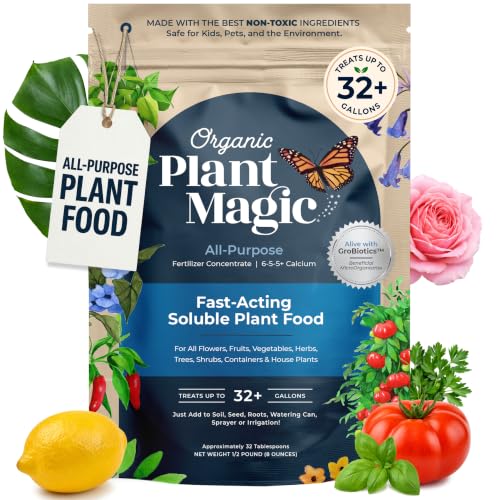
Organic Plant Magic All-Purpose Plant Food 1/2 lb

Uncle Jim’s Red Wiggler Composting Worms Mix 100 Count for Garden Soil
More On The Choices That Made The List
Among these options, Nelson comes closest to a focused flowering-plant formula for your gardenia. Its 5-30-5 analysis supplies relatively more phosphorus, a nutrient associated with flower and bud development, while the elemental sulfur supports the acidic soil conditions gardenias favor.
The granular format suits in-ground shrubs and container plants, although its tropical and flowering-plant positioning matters more than the name suggests. For one plant in a small pot, the 2-pound package may feel larger than your immediate needs.
Advantages To Know
- Five nitrogen sources provide a steadier feeding approach than a formula relying on one source.
- The elevated phosphorus content directly supports flowering shrubs and container-grown ornamentals.
- Elemental sulfur gives container gardeners a targeted way to maintain acidic growing conditions.
- Granules can be incorporated into potting media or applied around established container plants.
Points To Note
- Gardenia is not specifically named, so confirm that the label permits use on your shrub and follow its application directions.
- Extra phosphorus and sulfur should be matched to your soil and watering routine rather than added routinely.
Key Specs
Right Fit For
This formula best suits you when you maintain flowering tropical shrubs in containers or beds and want a phosphorus-forward feeding option.
Look Elsewhere When
Organic Plant Magic All-Purpose Plant Food 1/2 lb suits you better when a water-soluble concentrate serves several indoor and outdoor plants.
BioAdvanced combines plant food with control for a defined list of insects, giving you two garden tasks in one granular application. It is designed for roses and ornamental flowers, with named uses including hibiscus, azaleas, camellias, and rhododendrons.
That broad ornamental focus makes it worth considering for a mixed flower bed, but your gardenia is not among the plants explicitly named. The systemic label refers to material moving through the plant after soil application, not to a fertilizer specially formulated for acid-loving shrubs.
Where It Helps
- Combines flower fertilizer with insect control for listed pests in a single soil-applied step.
- No foliar spray is required, which simplifies treatment around dense rose or shrub growth.
- The manufacturer lists rainproof protection for up to eight weeks.
- Supports root development and flowering in roses and named landscape shrubs.
Worth Noting
- Inspect the label before using it on gardenias because they are not among the specifically named plants.
- The insect-control component may be unnecessary for a container shrub that has no listed pest problem.
Feature Snapshot
Who Will Love This
This product fits you best when you maintain a rose or mixed ornamental bed and need fertilizer and listed-pest control in one routine.
Consider Something Else When
Nelson NutriStar 5-30-5 Tropical Plant Food 2 lb better fits you when your priority is flowering and acidic soil rather than insect control.
These worms serve an indirect but important role in plant nutrition. They consume food scraps in a compost system, producing castings while creating tunnels that allow air, water, and nutrients to move through the soil around gardenia roots.
Unlike a bag of fertilizer, they improve the material from which your shrub draws nutrients. That makes them a good fit for a garden that already composts, though you need an active system rather than a quick feeding solution for a wilting container plant.
The Helpful Details
- The 100-count pack provides a manageable starting group for a home compost bin.
- Super Red European nightcrawlers are described as two to five times larger than standard red worms.
- Different worm species can work across multiple compost layers instead of remaining near the surface.
- Burrowing supports aeration and gives water a better route toward root systems.
Trade Offs
- This is a soil-building tool rather than plant food, so results depend on the compost process and the material you add.
- You need space for a managed bin and a supply of food scraps; the worms cannot replace a container fertilizer on their own.
Built With In Mind
This option suits you when you maintain an outdoor compost system and want improved soil structure for mixed beds.
A Better Fit Elsewhere
Scotts All Purpose Continuous Release Plant Food, 3 lbs. suits you better for direct, scheduled feeding of a potted gardenia.
Scott’s all-purpose formula is designed for a mixed garden rather than a single flowering species. Its continuous-release approach feeds plants for up to two months, reducing the need for repeated small applications during an active growing season.
For gardenias, the appeal is convenience: you can use one product across flowers and vegetables without juggling several fertilizers. The trade-off is a general nutrient profile without the flowering emphasis or acidifying sulfur found in the Nelson formula.
A Few Strong Suits
- Continuous nitrogen feeding lasts for up to two months.
- One formula supports flowers, vegetables, and other garden plants.
- The 3-pound package suits shared beds where several plants need routine feeding.
- Gradual release reduces the need for frequent follow-up feedings.
Small Caveats
- It does not provide the targeted acidic-soil support offered by a formula containing sulfur.
- Application rate matters, so follow the label rather than estimating from the container size.
At A Glance
Made For
This food fits you when your gardenia shares a bed or patio with several flowers and vegetables that need one convenient feeding product.
Another Choice May Suit
Organic Plant Magic All-Purpose Plant Food 1/2 lb suits you better when a concentrated liquid feed works across indoor and outdoor containers.
This water-soluble concentrate turns one small package into more than 32 gallons of liquid food. That makes it practical for you when a windowsill gardenia shares a watering routine with herbs, vegetables, fruit plants, and other houseplants.
Liquid feeding gives you finer control over the amount delivered to each pot than a granular product, particularly when your collection includes plants of different sizes. It is broadly positioned rather than tailored to acid-loving flowering shrubs, so the label remains important.
The Good Stuff
- One 1/2-pound package makes more than 32 gallons of liquid plant food.
- Works with houseplants, flowers, herbs, vegetables, fruit, and trees.
- Water-soluble format allows controlled feeding of individual containers.
- The concentrate is convenient for households that mix small batches.
Practical Considerations
- You must dilute the concentrate, so accurate measuring and the label’s directions matter.
- It lacks the explicit sulfur and high-phosphorus positioning of a gardenia-focused flowering formula.
Who Should Grab It
This concentrate suits you when you maintain a varied collection of container plants and want one liquid food for routine feeding.
Swap It Out When
Nelson NutriStar 5-30-5 Tropical Plant Food 2 lb suits you better when flowering performance and acidic soil are your main priorities.
Red wigglers offer a straightforward way to turn food scraps into compost for later use around gardenia beds. The 100-count starter pack includes worms drawn from mature worm beds that may contain several earthworm species, giving the bin a broader range of composting activity.
The castings become part of your soil-building routine rather than a direct liquid or granular feed. Compared with the Super Red European Nightcrawlers, this option emphasizes red wigglers in a mixed composting pack and also works as fishing bait.
Useful Touches
- The 100-count quantity provides a practical starting point for a household compost bin.
- Red wigglers convert food scraps into nutrient-rich castings for later garden use.
- Burrowing activity improves aeration and helps water reach root zones.
- One pack supports both composting and fishing use.
Possible Compromises
- The worms are not plant food and require a working compost environment.
- Benefits arrive as the compost develops, so this is not a rapid correction for a deficient potted shrub.
Feature Facts
The Right Fit
This pack fits you when you enjoy composting kitchen scraps and want finished material for improving garden soil.
Reach For A Different Pick When
Scotts All Purpose Continuous Release Plant Food, 3 lbs. fits you better when you want direct, measured feeding rather than compost production.
What Gardenia Feeders Need to Deliver
A useful gardenia food should fit both the plant’s growing conditions and your maintenance routine. Start with the nutrient balance, then consider whether you need immediate feeding, gradual release, or improved soil over time.
Understanding the NPK Numbers
NPK represents the proportions of nitrogen, phosphorus, and potassium in a fertilizer. Nitrogen supports leafy growth, phosphorus supports flowers, and potassium contributes to general plant vigor, so a balanced formula can suit a shrub that produces both leaves and buds.
Matching the Form to Your Routine
Granular products are practical for beds and containers because you incorporate them into the growing medium. A water-soluble concentrate gives you more control over individual pots, while continuous-release granules suit mixed gardens where you want fewer feeding sessions.
Considering Acid-Loving Soil
Gardenias favor acidic growing conditions, so sulfur content deserves attention alongside the NPK ratio. A flowering formula with added sulfur may fit your approach better, but soil conditions and container watering still influence the result.
Choosing Between Feed and Soil Building
Composting worms improve the material that feeds your plants over time, but they do not replace a fertilizer for a container that needs nutrients now. Use direct plant food for scheduled feeding and compost for long-term soil structure.
Keeping Your Feeding Routine on Track
Where Shoppers Go Wrong
The most common mistake is choosing a product because it says “flower food” without checking whether it suits acid-loving plants or container soil. Another error is buying a large package for one small pot, then stretching the application beyond the label directions.
What Separates Premium From Basic
A more specialized formula earns its place through targeted nutrients, such as higher phosphorus and sulfur, rather than a longer label. A basic all-purpose food can still work in a mixed garden, but it gives you less control over flowering and soil acidity.
Frequently Asked Questions
Can Gardenias Use Scotts All Purpose Plant Food?
Yes, Scotts All Purpose Continuous Release Plant Food can serve mixed garden beds that include gardenias. Follow the label, since it is not specifically formulated for acid-loving flowering shrubs.
What Is the Best NPK Ratio for Gardenias?
A balanced or moderately phosphorus-focused formula supports foliage and flowering, but soil and drainage matter too. Gardenias also benefit from acidic conditions, so added sulfur can be useful in container soil.
Do Gardenias Need Fertilizer?
Yes, container-grown gardenias often need supplemental nutrients because regular watering removes available minerals from potting media. Ground-planted gardenias may need less feeding, particularly when soil is renewed with organic matter.
Is BioAdvanced Rose and Flower Care Suitable for Gardenias?
Gardenias are not specifically listed among its named plants, so check the label before applying it. Nelson NutriStar 5-30-5 Tropical Plant Food offers a more directly relevant flowering and sulfur-focused approach.
Do Composting Worms Feed Gardenias Directly?
No, the worms create castings and improve soil structure as they process organic material. Finished compost can enrich gardenia beds, but direct plant food remains useful for routine container feeding.
Final Verdict
Nelson NutriStar 5-30-5 Tropical Plant Food 2 lb offers the most focused fit for a gardenia that needs flowering support and acidic-soil care. For mixed beds, Scotts provides a simpler continuous-release routine, while Organic Plant Magic works across varied container collections. The two worm options belong in a compost plan, where their value comes from building better soil over time rather than feeding a single shrub immediately.
