

A grape vine can carry plenty of leaves and still struggle to ripen fruit, especially when feeding has been left to guesswork. The right plant food depends on your growing method, the nutrient mix your soil already provides, and whether your priority is root development, foliage, fruit production, or an all-purpose approach.
The Lineup, Simplified

Jobe’s Organics Fertilizer Spikes, 50 Count
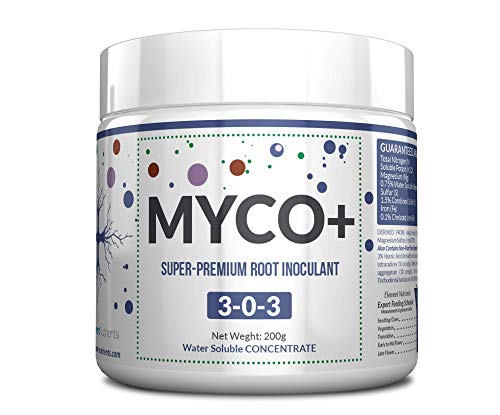
Element Nutrients MYCO+ Mycorrhizae Root Booster, 200g

Complete Crop 9-5-15, 1000g

Miracle-Gro Plant Food 2 lb.

Fiddle Leaf Fig Plant Food 8 oz

Flower Fuel 1-34-32, 250g
More On The Choices That Made The List
For a windowsill full of flowering houseplants, these spikes turn nutrient delivery into a small, scheduled task. Each premeasured spike is inserted into the growing medium, and the product is designed to release nutrients gradually while reducing loose fertilizer, runoff, odor, and handling mess.
That convenience makes this an indoor plant-care product rather than a grape-specific formula. Its 13-4-5 NPK balance provides nitrogen for foliage, phosphorus for plant development, and potassium for general plant health, but the indoor positioning means you should confirm its fit before applying it around a fruiting vine.
What Makes Sense
- Premeasured spikes reduce the need to measure loose fertilizer by hand.
- Slow release supports a repeat-feeding schedule every 60 days.
- The 50-count package suits a collection of container plants.
- Placement near the root zone offers a cleaner alternative to broadcasting powder.
Things To Consider
- The product is formulated for indoor flowering and foliage plants, not grape vines.
- Spikes still need placement in the container, so very large or unusual planters require extra planning.
Quick Facts
Who It Suits Best
This option fits indoor plant caretakers who value a tidy, scheduled feeding routine over a grape-specific nutrient program.
Where Another Pick Suits Better
Element Nutrients MYCO+ Mycorrhizae Root Booster, 200g suits gardeners who want to support root development across a broader range of growing systems.
Mycorrhizae are beneficial fungi that form associations with plant roots, making this powder a different kind of garden input from a conventional NPK fertilizer. The fully soluble formula works in soil, soilless media, coco, rockwool, hydroponic setups, and aeroponic systems, giving you considerable flexibility when a grape vine grows in a container or controlled environment.
Its main role is root-zone support, with the aim of encouraging a larger, stronger root mass. Compared with Jobe’s Organics Fertilizer Spikes, 50 Count, which supplies a defined 13-4-5 nutrient ratio, MYCO+ focuses on the biological environment around roots and does not present itself as a complete NPK feed.
The Good Stuff
- Works across soil and soilless growing methods.
- Suits cuttings, roses, orchids, vegetables, trees, and other plants.
- Concentrated powder can be mixed according to its application directions.
- Supports early root development rather than feeding only visible growth.
Worth Noting
- Root support should complement, not automatically replace, a complete nutrition program.
- Container vines require attention to the application rate and the volume of water used.
Made For
This fits experimental growers and hydroponic or container gardeners who want a flexible root-zone treatment alongside their regular plant nutrition.
Consider Something Else When
Complete Crop 9-5-15, 1000g is a more direct choice for growers who want a defined NPK formula rather than a root-focused fungal treatment.
Complete Crop is built around a 9-5-15 nutrient ratio, with nitrogen, phosphorus, and potassium balanced for general plant growth. The 1,000-gram package and stated coverage of up to 800 gallons make it look useful for gardeners who prepare larger volumes of nutrient solution or prefer not to handle small containers frequently.
That scale distinguishes it from Miracle-Gro Plant Food 2 lb., which targets vegetables and herbs in a familiar soluble format. For grapevines, the 9-5-15 profile can serve as a general feed, but the right rate still depends on your soil, root medium, vine age, and the nutrients already present.
Key Advantages
- A single 9-5-15 formula covers three primary nutrients.
- The 1,000-gram package supports ongoing container or solution feeding.
- Up to 800 gallons of treated water gives it a useful volume-oriented role.
Trade Offs
- Its nutrient ratio is general, so it cannot replace a crop-specific feeding plan.
- The large package takes more storage room than a small liquid bottle or spike set.
Feature Snapshot
The Right Fit
This option suits container and hydroponic growers who want one clearly defined nutrient formula for repeated watering.
Where A Sibling Pick Shines
Flower Fuel 1-34-32, 250g is a stronger fit for growers whose priority is a potassium-focused flowering and fruiting stage.
Dissolving this plant food into your watering routine makes it approachable for a mixed kitchen garden. Its 18-18-21 NPK formula gives nitrogen and phosphorus equal weight, while the higher potassium level supports vegetables and herbs as they develop fruit and continue producing through the growing season.
For grapes, that balance deserves a careful compatibility check because this is not a formula marketed specifically for vines. Compared with Element Nutrients MYCO+ Mycorrhizae Root Booster, 200g, it supplies a defined nutrient feed rather than root-focused biological support, which may be more relevant once you have a regular watering schedule.
Useful Touches
- Water-soluble format fits routine hand or hose watering.
- The 18-18-21 formula combines equal nitrogen and phosphorus with more potassium.
- Natural ingredients are included in the formula.
- The 2-pound package is sized for recurring garden use.
Points To Note
- Vegetable-and-herb positioning makes grape compatibility less direct.
- A 2-pound container needs to be stored somewhere dry and easy to reseal.
Best Suited To
This fits kitchen gardeners who want one water-soluble feed for several vegetables and herbs in beds or containers.
Another Choice May Suit
Complete Crop 9-5-15, 1000g suits growers who want a lower-nutrient general formula for a larger watering volume.
A fiddle leaf fig gets a deliberately narrow nutrient formula, which gives this liquid food a different purpose from the broader garden products in this lineup. Its 3-1-2 NPK ratio places the strongest emphasis on nitrogen, matching the needs of a foliage-focused indoor ficus rather than a fruit-producing grapevine.
The 8-ounce bottle keeps the volume manageable, and the liquid format allows controlled dilution during regular watering. For grape care, though, the plant-specific positioning makes this a poor routine substitute for a complete vine or soil-based program.
The Case For It
- The 3-1-2 ratio emphasizes foliage growth for its stated plant category.
- Liquid feeding gives indoor plant caretakers an easy way to dilute nutrients into watering water.
- The 8-ounce bottle offers a compact option for a single ficus plant.
Small Caveats
- It is formulated for fiddle leaf figs and other ficus rather than grapes.
- Its low phosphorus and potassium levels make it unsuitable as a general fruiting-vine feed.
Who Will Love This
This option fits dedicated fiddle leaf fig owners who want a small bottle matched to their indoor ficus rather than a general garden feed.
Not Your Match When
Element Nutrients MYCO+ Mycorrhizae Root Booster, 200g suits gardeners who want broader root-zone support across vines, vegetables, and ornamentals.
Flower Fuel concentrates on the flowering and fruiting stage, where potassium becomes the dominant nutrient in its 1-34-32 formula. That makes it the closest match in this lineup to a specialized bloom feed for grapevines, especially during the period when fruit development takes priority over lush vegetative growth.
The powder is fully soluble and hydroponic-grade, with compatibility extending to soil, coco, hydroponic, and aeroponic systems. It can also accompany a two-part or three-part base nutrient, so you can use it as a stage-specific addition rather than the sole source of plant nutrition.
Notable Upsides
- High potassium directly targets the flowering and fruiting emphasis.
- Soluble powder fits several soil and controlled growing systems.
- Works alongside common base nutrient programs.
- The formula includes more than 40 proprietary ingredients.
Details To Watch
- The low nitrogen level means it should not automatically replace a complete base feed.
- Application must coordinate with the plant’s growth stage and existing nutrient program.
Technical Highlights
Right Fit
This suits experienced growers managing a dedicated fruiting stage who already understand how their base nutrients and supplements work together.
Reach For A Different Pick When
Complete Crop 9-5-15, 1000g is the more useful choice for an all-purpose feeding routine that needs a fuller nitrogen contribution.
Matching Nutrients to Grape Growth
NPK describes the ratio of nitrogen, phosphorus, and potassium in a fertilizer. That ratio matters because nitrogen supports leaf and shoot growth, phosphorus contributes to root and flower development, and potassium plays a major role in fruit formation and plant resilience.
Start with your growing medium
A grape vine in open ground may already receive nutrients from the soil, while a container or hydroponic vine depends more heavily on what you add. Check the substrate and previous feeding before increasing a product’s concentration, since excess nutrients can create unnecessary growth.
Match the formula to the growth stage
A balanced formula works well for routine feeding, while a potassium-focused product suits the fruiting stage. Element Nutrients MYCO+ Mycorrhizae Root Booster, 200g serves a different purpose because it focuses on the root environment rather than replacing a complete NPK diet.
Consider how you water
Spikes suit individual houseplant pots, liquid concentrates fit regular watering sessions, and dry powders suit gardeners who prepare larger batches. Your application method affects both convenience and how easily you can control each dose.
Practical Decisions Before You Feed
Pitfalls Shoppers Hit
Choosing by the largest NPK number can distract from the complete ratio. Check the product’s intended crop, measure the application carefully, and account for nutrients already present in the soil or nutrient solution.
What The Higher Tier Buys
Concentrated and stage-specific formulas can provide more control over nutrient balance, but that precision only helps when your watering routine and base feeding are clear. A straightforward general formula is often easier to manage for a small garden.
Frequently Asked Questions
What type of plant food is suitable for grape vines?
A balanced plant food or a formula suited to fruiting plants can support grapevines when its application rate matches your soil and watering method. Grapes in containers often depend more heavily on the nutrients you provide.
Should grapevines receive a bloom booster?
A potassium-focused bloom booster can complement your program during fruit development, but it should accompany suitable base nutrition. The very low nitrogen ratio means it works best as a targeted addition rather than a complete replacement.
Can mycorrhizae be used with grapevines?
Mycorrhizal powder can support the root environment of grapevines and works across several growing media. It remains a root-focused treatment rather than a substitute for a complete plant food.
Is liquid or dry plant food easier to apply?
Liquid products offer straightforward dilution during watering, while dry concentrates can be more economical for larger volumes. Spikes require the least handling for individual containers.
How do I avoid overfeeding grapevines?
Start with the product’s crop guidance and account for the nutrients already in your soil or growing solution. Consistent measurement matters more than adding extra product, especially during vigorous shoot growth.
Final Verdict
Your best choice depends on the vine’s setup rather than a single universal formula. Complete Crop 9-5-15, 1000g suits broad container feeding, Flower Fuel 1-34-32, 250g targets fruiting stages, and MYCO+ supports root development without replacing a complete diet. Match the product to your growing method, then keep the application steady and measured.
