

A small round hole in a deck beam can signal carpenter bee activity, especially when fresh wood dust sits below the opening. You need a product suited to the nesting area, the scale of your property, and your comfort with application, rather than a broad-spectrum treatment chosen by label alone.
The options below cover three practical approaches. Concentrates mix into spray for broader property work, pressurized dust reaches protected cracks and voids, and hanging traps intercept carpenter bees around timber structures.
A Snapshot Of The Selections

Quality Chemical Demon Max EP Concentrate
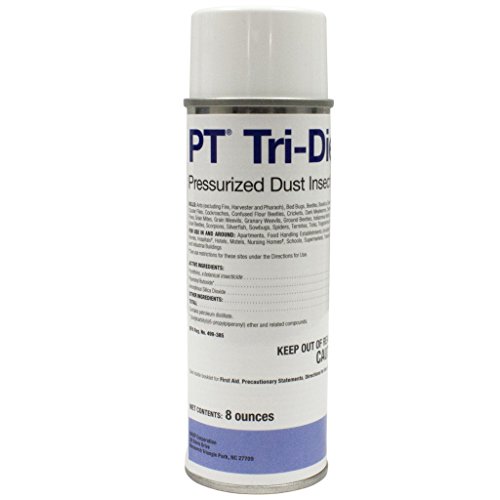
BASF PT Tri-Die Pressurized Dust Treatment

Spectracide Terminate 32 Oz

Best Bee Trap Wood Carpenter Bee Outdoor Trap

Best Bee Trap Green Pentroof Shed-Style Carpenter Bee Trap
Meet The Standout Selections
Quality Chemical Demon Max EP Concentrate brings broad structural coverage to larger pest-control jobs. Its active ingredient is cypermethrin at 25.3 percent, and one pint produces 32 gallons of finished spray, giving you substantial working volume for buildings, landscaping, and other outdoor areas.
That scale makes it the most demanding application in this group. Compared with the hanging traps, it addresses carpenter bees alongside ants, spiders, wasps, cockroaches, ticks, beetles, and subterranean termites, which matters for commercial applicators managing several crawling pests across a property.
What Makes Sense
- The 32-gallon yield supports repeated applications across a substantial property.
- It combines contact action with a residual effect for protected areas.
- Bee coverage makes it directly relevant to carpenter bee activity.
- Termite use extends beyond surface bee problems.
Practical Considerations
- The concentrated format requires dilution, compatible equipment, and careful label-directed application.
- Its professional scope may exceed what a homeowner needs for a single small nest opening.
Technical Highlights
Made For Professional-Scale Jobs
Commercial applicators and experienced homeowners managing bee, termite, or crawling-insect problems across large outdoor areas gain the most from this concentrate.
A Better Fit Elsewhere
Best Bee Trap Wood Carpenter Bee Outdoor Trap suits a focused homeowner who wants localized interception without mixing a large volume of spray.
BASF PT Tri-Die Pressurized Dust Treatment reaches places that a conventional surface spray may miss. Pressurized dust travels into narrow cracks, wall voids, and other sheltered spaces, making it a practical fit for structural areas around a home.
The formula pairs lambda-cyhalothrin, a pyrethroid class insecticide, with a silica-gel drying component. That combination gives it an immediate contact role plus a residual action, which is a different approach from mixing a concentrate or hanging a trap near timber.
Useful Touches
- Pressurized delivery reaches cracks and inaccessible voids.
- The dual-action formula supports both immediate and residual control.
- Coverage includes ants, cockroaches, silverfish, crickets, and stored-product pests.
- An 8-ounce can is manageable for targeted structural applications.
Details To Watch
- Dust is most useful in dry, protected locations, so exposed, damp areas call for a different delivery method.
- Label directions govern application, storage, disposal, and any state-specific restrictions.
Feature Snapshot
Built With Structural Access In Mind
Experienced applicators dealing with protected wall spaces, cracks, or stored-product pest locations benefit from this targeted dust format.
Consider Something Else When
Quality Chemical Demon Max EP Concentrate makes more sense for large outdoor areas requiring broad contact and residual coverage.
Spectracide Terminate 32 Oz belongs in your shortlist when carpenter ants or termites are part of the diagnosis rather than carpenter bees alone. Its concentrate format lets you prepare an application suited to labeled areas, while the 32-ounce container offers a manageable middle ground between professional bulk quantities and small household products.
For carpenter bees specifically, though, this is not the most direct fit in the group. You should confirm the bee species and inspect the wood before choosing it, since the product name identifies termites and carpenter ants as its targets.
What Stands Out
- The concentrate format supports flexible dilution for labeled applications.
- It addresses termites and carpenter ants in the same structural pest category.
- A 32-ounce container offers a practical middle volume for property work.
Honest Caveats
- The product name does not identify carpenter bees as a target.
- You must verify the pest and consult the label before choosing it for a bee hole.
- Concentrated products require proper dilution and application equipment.
Right Fit For
Homeowners dealing with termites or carpenter ants benefit most from this option when the activity has been identified correctly.
Another Choice May Suit
Best Bee Trap Wood Carpenter Bee Outdoor Trap is more closely aligned with carpenter bee activity around outdoor timber.
Best Bee Trap Wood Carpenter Bee Outdoor Trap offers a simpler response for a homeowner dealing with a few carpenter bees around a deck, patio, or wooden outbuilding. You hang it near the activity, where it can intercept bees without preparing spray or treating broad areas of the property.
The trap uses a patented layout and a wooden exterior reinforced with screws and horse nails. Its placement guidance is unusually practical: hang it 5 to 7 feet above ground in direct sunlight, facing south or southwest, and away from damp ground.
What It Does Well
- Physical trapping avoids mixing and broad spraying around the property.
- Reinforced wood supports outdoor placement near timber structures.
- Clear height and direction guidance simplifies setup.
- The trap suits a focused carpenter bee interception approach.
Points To Keep In Mind
- You need access to a sunny hanging point positioned near the bee activity.
- The trap addresses exposed outdoor flight activity rather than protected structural voids.
Who Will Love This
Homeowners with accessible eaves, patios, decks, or sheds benefit from a straightforward hanging trap and simple placement guidance.
Where Another Pick Shines
BASF PT Tri-Die Pressurized Dust Treatment better reaches cracks, wall voids, and sheltered structural spaces.
Best Bee Trap Green Pentroof Shed-Style Carpenter Bee Trap brings a more decorative profile to the same hanging-trap approach. Its green pentroof shape resembles a small garden shed, which makes it easier to blend into a deck, patio, or eave than an openly utilitarian container.
The removable vault adds convenience to the setup process, while the patented layout and screw-and-nail reinforcement support outdoor use. Compared with Best Bee Trap Wood Carpenter Bee Outdoor Trap, the main decision comes down to visual style and the removable internal component rather than a fundamentally different approach.
Useful Highlights
- The shed-style green exterior suits outdoor garden settings.
- A removable vault makes internal handling more convenient.
- Reinforced wood supports placement in exposed outdoor areas.
- Placement guidance keeps the trap near likely bee flight activity.
Small Caveats
- You still need a suitable hanging point 5 to 7 feet above ground.
- The trap remains most relevant to carpenter bees active near its placement.
Core Details
Made For Decks And Patios
Homeowners who want a carpenter bee trap that blends into a landscaped outdoor area benefit from the shed-style design.
Reach For A Different Pick When
Best Bee Trap Wood Carpenter Bee Outdoor Trap is the more direct alternative when basic hanging-trap simplicity matters more than exterior styling.
Match the Bee-Control Method to the Structure
Concentrates for Broad Coverage
A spray concentrate contains concentrated ingredients that you dilute with water before application. Quality Chemical Demon Max EP Concentrate offers the widest structural coverage here, including bees and subterranean termites, while producing 32 gallons of finished spray from one pint.
Choose concentrates for large outdoor areas or mixed pest activity. Your practical check is dilution equipment, labeled mixing instructions, and whether you need coverage beyond the visible nest area.
Dust for Protected Voids
Pressurized dust travels farther than surface spraying in narrow cracks, wall voids, and sheltered structural gaps. BASF PT Tri-Die Pressurized Dust Treatment combines lambda-cyhalothrin with a drying component for both contact and residual activity.
This method fits locations where moisture or restricted access makes spraying awkward. Read the label carefully because application, storage, disposal, and local restrictions govern safe use.
Traps for Focused Activity
Hanging traps concentrate on carpenter bees moving around timber rather than treating every crawling insect around a property. Position matters: direct sunlight, a south or southwest-facing direction, and a height of 5 to 7 feet match the bees’ preferred conditions.
For exposed decks, eaves, patios, and sheds, a trap can be the simplest approach. Look for an easy hanging point and consider the design’s appearance before installation.
Identify the Pest First
Carpenter ants and carpenter bees behave differently and may leave different signs around damaged wood. Confirm which pest you are dealing with before choosing a product, then inspect for multiple openings rather than focusing on a single hole.
Shopping Pitfalls and Upgrade Value
Mistakes Worth Dodging
Choosing by broad pest coverage can leave you with the wrong delivery method. Concentrates suit wide areas, dust reaches protected voids, and traps focus on outdoor bee activity. Mixing a concentrate without proper equipment or hanging a trap too close to damp ground adds unnecessary difficulty.
What Separates Premium From Basic
A larger concentrate package may cost more initially while providing more mixed spray for extensive property work. Specialized dust formulations and removable trap vaults also add value through targeted access or convenient handling. The higher-cost option earns its place only when your scale and application setting justify those features.
Frequently Asked Questions for Carpenter Bee Control
Which treatment works best for carpenter bees?
Concentrates offer broad property coverage, while hanging traps focus on carpenter bees near outdoor timber. Match the product to the activity area and your comfort with mixing and application.
Where should a carpenter bee trap be placed?
Hang the trap 5 to 7 feet above ground in direct sunlight, facing south or southwest. Choose a location near timber activity while avoiding damp ground.
Can dust reach carpenter bees inside wall voids?
Pressurized dust is designed for cracks, crevices, and wall voids, but access and moisture affect its usefulness. Follow the label directions for structural applications and local restrictions.
Is Spectracide Terminate suitable for carpenter bees?
Spectracide Terminate identifies termites and carpenter ants as its targets rather than carpenter bees. Confirm the pest before using it for a suspected carpenter bee hole.
How much spray does Demon Max EP produce?
One pint makes 32 gallons of finished solution. That volume makes Quality Chemical Demon Max EP Concentrate more practical for large properties than small, isolated treatment areas.
Final Thoughts
Choose a broad concentrate for large or mixed pest work, pressurized dust for protected structural spaces, and a hanging trap for focused carpenter bee activity around outdoor wood. Confirm the pest, follow the label, and match the application method to the location before purchasing.
