

A Nebraska perennial bed has to earn its space through more than one growing season. You need plants suited to the state’s cold winters, warm summers, and variable soil, whether you’re planting a broad pollinator patch or setting a compact border beside your porch. These six choices cover different needs, but their usefulness in Nebraska depends heavily on location, planting timing, and drainage. The native wildflower mix offers the broadest regional appeal, while the ranunculus bulbs provide concentrated spring color in warmer parts of the state.
The Choices Worth Comparing

Eden Brothers Native Perennial Wildflower Seed Mix, 1oz, 19 Species, Pure Seed

25 Bright Orange Ranunculus Bulbs

25 Mix Ranunculus Bulbs
25 Orange Ranunculus Bulbs

25 Pink Ranunculus Bulbs
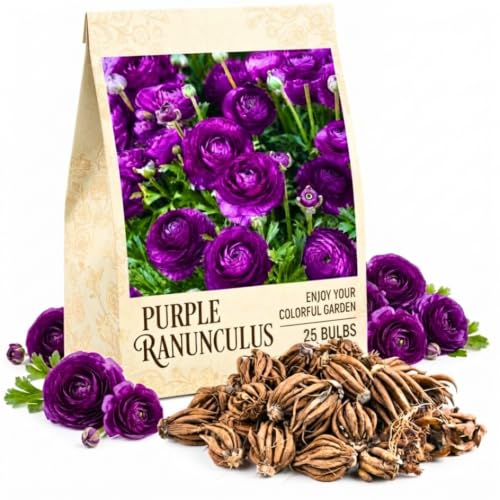
25 Purple Ranunculus Bulbs
A mixed planting gives you more texture and a longer sequence of blooms than a row of identical bulbs. This Eden Brothers mix contains 19 native perennial species, including bergamot, black-eyed Susan, purple coneflower, gayfeather, blanketflower, Lewis flax, and columbine. Perennials live for multiple growing seasons, so a successfully established patch can return rather than ending its life after one bloom cycle.
For most sunny backyard borders, the mix suits gardeners who want a loose, meadow-style display without choosing every species themselves. Unlike the single-color ranunculus bulbs, it builds varied height and movement, and the listed plants offer nectar and pollen across a broader range of bloom periods. The one-ounce packet may feel modest for a large landscape, though it remains practical for beginning with a defined bed.
Practical Advantages
- 19 species create a layered planting with more color variation than a single-variety bed.
- The pure seed formulation contains no inert filler, so each component contributes to the mix.
- Plants can return in later seasons once established, supporting a gradually developing garden.
- Flowers can reach 25 inches or taller, giving the bed noticeable structure.
- Native species add nectar and pollen resources for bees, butterflies, and hummingbirds.
Trade Offs
- A one-ounce packet may cover a modest starting area rather than an expansive meadow.
- Sunny placement and suitable soil still influence establishment, despite the mix’s easy-going approach.
- Confirm the listed species against local planting guidance for your part of Nebraska.
Key Specs
Made For
This mix best serves Nebraska gardeners establishing a sunny, pollinator-focused native bed where a varied perennial display matters more than a precise single-color arrangement.
A Better Fit Elsewhere
Gardeners seeking one coordinated spring color should consider AVERAR 25 Mix Ranunculus Bulbs instead of this broad wildflower blend.
Bright orange gives a spring border a clear focal color, and this packet makes that approach straightforward. Each ranunculus grows from a corm, a swollen underground stem that stores energy for the following season. The layered flowers appear from spring into summer on stems that generally reach 1 to 2 feet.
For a compact grouping beside a walkway, the 25 corms provide enough material to create a noticeable display without the visual variety of the Eden Brothers mix. The trade-off is geographic: ranunculus is listed for zones 7 through 10, so much of Nebraska falls outside its stated range. You may have better results in the state’s warmer growing areas or treat the bulbs as seasonal container plants.
What Stands Out
- Bright orange creates an emphatic spring color block.
- Twenty-five corms support a grouped bed or several containers.
- Plants can return in later seasons where the climate falls within zones 7 through 10.
- The 1-to-2-foot height works well near paths, entry borders, and patio edges.
Practical Considerations
- The stated zone range is a major fit check for most Nebraska gardens.
- Containers need regular watering, and planting sites should have well-drained soil.
Quick Facts
Right Fit For
This set suits gardeners in warmer Nebraska areas who want a concentrated orange display in beds, borders, or containers.
Where Another Pick Shines
Gardeners in colder Nebraska locations should favor Eden Brothers Native Perennial Wildflower Seed Mix over this zone-limited bulb planting.
Several ranunculus colors give you more freedom when an existing border already contains strong hues. The mix shares the same basic growth pattern as the orange sets: bulbs planted in well-drained soil, full sun, and a climate within zones 7 through 10. Flowers grow to 1 or 2 feet and bring layered color from spring through summer.
For a cottage-style grouping, this selection offers a softer alternative to the deliberate color blocks produced by AVERAR 25 Bright Orange Ranunculus Bulbs. The exact mix you receive may not place every color in a balanced sequence, so placement becomes more of a visual gamble. You gain variety, though you give up the precise uniformity of a solid-color planting.
Everyday Perks
- Multiple colors coordinate more easily with mixed borders.
- Twenty-five bulbs suit beds, borders, or container groupings.
- The flowers can return in later seasons within the stated climate range.
Possible Compromises
- The zone limitation applies across this set and much of Nebraska.
- A mixed palette offers less control than a single-color bulb planting.
Built With In Mind
This set best fits warm-region gardeners who want varied ranunculus colors and already have an informal, multicolored planting scheme.
Another Choice May Suit
Gardeners who prefer a consistent border should choose AVERAR 25 Orange Ranunculus Bulbs rather than this mixed-color option.

A solid orange grouping gives a flower bed a clean, deliberate look. These 25 ranunculus bulbs produce layered blooms from spring into summer, with stems that typically stand 1 to 2 feet tall. Their sunny-site and well-drained-soil requirements make them straightforward to fit into a border with enough light and no persistent water buildup.
Compared with AVERAR 25 Bright Orange Ranunculus Bulbs, this option has a more restrained visual identity, although both share the same package size and growing profile. The honest read is simple: choose this set for a conventional orange bed, and choose the brighter version for a more emphatic focal display. The key question is climate, since the bulbs are listed for zones 7 through 10.
Everyday Advantages
- Solid orange creates a coordinated planting with minimal color mixing.
- The 25-bulb count supports a substantial grouped border.
Where It May Fall Short
- Its zones 7-10 range limits dependable perennial use across much of Nebraska.
Feature Snapshot
Who Will Love This
This set suits gardeners in warmer Nebraska areas who want a neat, single-color orange planting along a path, patio, or entry bed.
Look Elsewhere When
Gardeners in colder parts of Nebraska should choose AVERAR 25 Pink Ranunculus Bulbs only as a container display rather than expecting the same perennial return.
Pink ranunculus brings a lighter seasonal accent than the orange and purple options, especially in a border with soft green foliage. The 25 bulbs produce layered flowers from spring through summer on stems that commonly reach 1 to 2 feet. Full sun and well-drained soil provide the clearest planting conditions, while containers offer flexibility in colder areas.
Unlike AVERAR 25 Mix Ranunculus Bulbs, this set gives your design one consistent pink palette. That makes it useful beside fences, entry steps, and outdoor seating, where a clear color reads more calmly than a varied assortment. You still face the same regional limitation: the perennial return is stated for zones 7 through 10, not for Nebraska’s colder climate zones.
The Helpful Details
- A single pink palette creates a coordinated and soft display.
- The flower form adds layered detail to borders and containers.
- Plants can return annually within the stated zone range.
- The 1-to-2-foot height works well near paths and seating areas.
Points To Note
- The climate range is a significant limitation in much of Nebraska.
- Regular watering remains important for container-grown ranunculus.
- A solid pink scheme may not suit a garden designed around varied seasonal hues.
Best Suited To
This set suits warm-region gardeners who want a soft pink accent for spring containers or a tidy border beside a porch.
Swap It Out When
Gardeners seeking varied color and broader habitat should choose Eden Brothers Native Perennial Wildflower Seed Mix instead of this coordinated bulb set.
