

A hummingbird garden comes down to continuous color, nectar, and dependable growth, not one spectacular flowering week. Tubular, nectar-rich plants attract feeding hummingbirds, while colorful perennials extend the visual appeal and fill gaps between peak bloom periods.
The six options below include a pollinator-focused wildflower mix and four shades of repeat-blooming ranunculus, plus a mixed-color collection. Most are best used alongside hummingbird-friendly flowers rather than as substitutes for them. Your site, climate zone, and desired palette should guide the final choice.
The Picks In Brief

BBB Seed Monarch Milkweed Mix

AVERAR Bright Orange Ranunculus

AVERAR Mix Ranunculus Bulbs

AVERAR Orange Ranunculus Bulbs

AVERAR Pink Ranunculus Bulbs
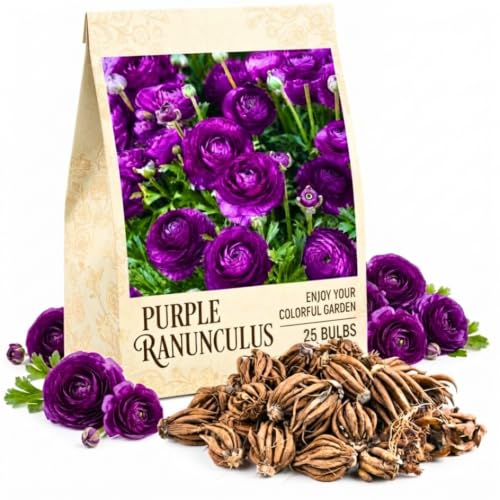
AVERAR Purple Ranunculus Bulbs
Meet The Standout Selections
A packet of mixed wildflowers creates a broader habitat patch than a row of identical ranunculus corms. This BBB Seed blend pairs milkweed with annual and perennial flowers intended to support monarchs, bees, and other pollinators throughout the growing season. It suits an open sunny bed near hummingbird flowers, where the goal is layered plant variety rather than one coordinated color.
The one-ounce package is especially useful for a new habitat garden. Open-pollinated seed, a filler-free composition, and quality checks for germination and weed-seed content give you a more defined starting point than an unlabeled flower sack. The trade-off is that annual and perennial growth will not return in perfectly uniform layers.
Bright Spots
- Milkweed adds a host plant for monarch caterpillars.
- Annual and perennial flowers spread bloom timing.
- Open-pollinated seed supports a diverse habitat patch.
- No filler material keeps the packet focused on seed.
- Planting instructions help guide bed preparation.
Practical Considerations
- A one-ounce packet is more practical for a defined bed than a large landscape sweep.
- Because the blend contains annuals, its year-to-year appearance can change.
Key Specs
Who It Suits Best
You benefit most from this mix if you want a mixed habitat bed that supports monarch and general pollinator activity.
Where Another Pick Shines
AVERAR Bright Orange Ranunculus suits you better when one saturated spring color matters more than habitat variety.
Bright orange ranunculus gives a spring border a concentrated block of color that a mixed wildflower packet cannot reproduce. These corms are described as hardy perennials in zones 7 through 10, reaching about one to two feet in a sunny bed. For a hummingbird garden, they work well as a colorful companion planting around nectar-rich flowers.
Compared with the BBB Seed blend, this option exchanges habitat diversity for a deliberate visual theme. Fall planting in well-drained soil gives the corms time to establish before spring growth. You still need regular watering, especially during active growth and dry periods, so this is not the easiest choice for a neglected corner.
A Favorable Mix
- Layered orange blooms create a strong border accent.
- Perennial growth returns in suitable zones.
- The compact height fits many sunny garden beds.
Things To Consider
- Zones 7 through 10 limit where this perennial can be relied upon.
- Full sun and well-drained soil are important planting conditions.
- Regular watering is needed for containers and flower beds.
Built With In Mind
This collection fits you best if you want bold orange flowers in a sunny zone 7 through 10 border.
Swap It Out When
BBB Seed Monarch Milkweed Mix serves you better when building a varied pollinator habitat takes priority over a single color.
A mixed ranunculus planting brings movement to a border without requiring you to coordinate several separate bulb collections. The flowers appear in different shades, adding a looser, garden-style effect than the uniform orange planting offered by AVERAR Bright Orange Ranunculus. You can distribute the corms among containers, borders, or mixed flower beds for a less formal display.
Like the color-specific collections, this mix calls for full sun, well-drained soil, and regular watering. The plants are described as hardy perennials in zones 7 through 10 and typically reach one to two feet. In a hummingbird-focused planting, the mixed colors provide attractive seasonal continuity beside your primary nectar plants.
Standout Benefits
- Mixed shades simplify a colorful planting.
- Twenty-five corms suit a several-plant border.
- Compact flowers work in beds or containers.
- Perennial growth returns in suitable climates.
Minor Gripes
- Color placement cannot be controlled as precisely as with a single-variety collection.
- Dry soil and missed watering can weaken the display.
The Right Fit
This option suits you best when you want a relaxed, multicolor spring display across several planting locations.
Another Choice May Suit
AVERAR Pink Ranunculus Bulbs fit you better when a soft, coordinated palette is more useful than varied colors.
Orange ranunculus delivers the same warm spring color as AVERAR Bright Orange Ranunculus, but its simpler naming gives it a broader role in coordinated planting. You can use it beside burgundy foliage, late-spring bulbs, or contrasting purple flowers without introducing another color into the mix. The layered blooms work especially well near a porch, along a sunny path, or in a grouped container.
This collection remains tied to zones 7 through 10, full sun, and well-drained soil. The corms can also handle a range of soil conditions, though drainage remains the important practical check. Regular watering supports the flowers through their spring-to-summer display period.
What Stands Out
- Warm orange blooms complement many garden palettes.
- Flower beds and containers both suit the planting.
Some Limits To Know
- Gardeners outside zones 7 through 10 face a less predictable perennial return.
- Bright exposure is necessary for the strongest flowering display.
- Waterlogged soil can create more problems than poor soil composition.
- Containers need closer attention because soil dries faster.
Feature Snapshot
Made For
This collection fits you best when you want a coordinated orange accent for sunny borders or containers.
Look Elsewhere When
AVERAR Mix Ranunculus Bulbs suit you better when you want several colors without arranging separate collections.
Pink ranunculus softens a hummingbird garden without disappearing into the foliage. The layered flowers bring a fresh spring accent to cottage borders, patio containers, and mixed beds where a restrained palette is already taking shape. Unlike AVERAR Orange Ranunculus Bulbs, this collection avoids the visual intensity of a warm primary color.
The growing requirements are straightforward: full sun, well-drained soil, and regular watering. These perennial corms are suited to zones 7 through 10 and usually grow one to two feet tall. Fall planting gives them time to settle into the bed before the growing season, while a sunny position supports repeat flowering from spring into summer.
Notable Upsides
- Pink flowers complement soft garden palettes.
- Layered petals add texture to borders.
- Containers need only a sunny location and drainage.
- The collection suits mixed beds as well as dedicated rows.
- Perennial growth returns in the stated zones.
Points To Note
- The collection is limited to the stated zone 7 through 10 perennial range.
Best Suited To
This choice suits you best if you enjoy pastel spring planting in a sunny border, patio, or container.
Consider Something Else When
AVERAR Purple Ranunculus Bulbs fit you better when you want deeper color with a similar planting approach.
Purple ranunculus adds depth to a sunny garden, especially beside orange flowers or golden spring bulbs. It offers the same compact perennial form and layered blossoms as AVERAR Pink Ranunculus Bulbs, but the deeper color works well in borders and containers with a more dramatic palette. Grouped together, the corms create a concentrated seasonal accent near a hummingbird garden.
The basic care remains simple: full sun, well-drained soil, and regular watering. The plants are listed for zones 7 through 10 and typically stand one to two feet tall. You can plant them in flower beds, along borders, or in containers, with drainage remaining the most important container requirement.
Where It Helps
- Purple creates a strong contrast with warm flowers.
- Compact growth suits borders and containers.
- Perennial blooms return in suitable zones.
Possible Compromises
- The strongest perennial performance is limited to zones 7 through 10.
- Containers may require more frequent watering than garden beds.
Core Details
Who Will Love This
This collection suits you best if you want rich purple spring flowers in a sunny, well-drained planting area.
A Better Fit Elsewhere
BBB Seed Monarch Milkweed Mix serves you better when your priority is varied pollinator habitat rather than a single color.
Build a Hummingbird Garden With Longer Blooming Appeal
Match Flower Form to Feeding Habits
Hummingbirds generally feed from flowers with tubular forms that keep their beaks near nectar, and many also visit small blossoms reached by hovering. Use nectar-rich specialists as the core of your feeding garden, then use colorful ranunculus and wildflowers to extend the display. The flowers in this roundup work best as companion planting rather than the sole food source.
Plan for Blooming Continuity
A single spring crop may look wonderful for several weeks and then leave the area bare. Plan a sequence that includes flowers opening before, during, and after your main run of ranunculus. The annual and perennial mix in BBB Seed Monarch Milkweed Mix offers one way to spread flowering across growth cycles, while the ranunculus choices provide a predictable spring-to-summer color accent.
Match the Planting to Your Site
Zones 7 through 10 are the stated perennial range for every AVERAR ranunculus collection here. Full sun and well-drained soil suit the bulbs, while containers need attention because they lose moisture quickly. For a mixed wildflower bed, prepare the site before sowing and follow the packet guidance for establishment.
Decide Between Habitat and Palette
Your goal determines which option is more useful. A varied seed mix creates a broader habitat patch, while a single ranunculus color gives you tighter design control. Mixed ranunculus bulbs offer a compromise, providing several shades without building the bed from separate color collections.
Two Details That Change Your Plant Choice
Common Shopping Slip Ups
Avoid judging a perennial only by its flower color. Check the climate zone, sunlight, soil drainage, and watering pattern before selecting it. A corm that suits your climate but sits in a shaded corner will contribute less than a compatible plant in the right location.
What Separates Premium From Basic
A higher-priced seed offering may provide stronger quality checks, clearer planting guidance, or a more thoughtfully composed mix. The extra value usually lies in preparation and consistency rather than flashy color. For bulbs, matching color, quantity, and site suitability matters more than an elaborate package description.
Frequently Asked Questions
Which of these perennials is best for a hummingbird garden?
None should replace nectar-specialized hummingbird flowers, but AVERAR Mix Ranunculus Bulbs add varied seasonal color around your feeding plants. The BBB Seed blend offers the broadest habitat planting among the six choices.
Are the AVERAR ranunculus bulbs perennials?
Yes, the AVERAR collections are described as hardy perennial ranunculus suitable for zones 7 through 10. They typically reach one to two feet and return yearly in the right conditions.
When should these ranunculus bulbs be planted?
Fall planting is recommended, allowing the corms to establish before spring growth. Choose a sunny site with well-drained soil and plan to water them regularly.
Can ranunculus grow in containers?
Yes, the AVERAR ranunculus bulbs suit flower beds, borders, and containers. Use a container with drainage and monitor moisture more closely than you would in a garden bed.
Which ranunculus collection suits a multicolor planting?
AVERAR Mix Ranunculus Bulbs provide several flower shades in one group of 25 bulbs. Choose a single-color collection when you want a more coordinated border or container.
Final Verdict
For a hummingbird-focused garden, begin with nectar-rich, tubular flowers and add these perennials for color and habitat variety. BBB Seed Monarch Milkweed Mix supports a mixed pollinator planting, while the AVERAR ranunculus choices cover orange, pink, purple, or assorted shades for sunny beds and containers. Match every choice to your climate, drainage, and watering routine before planting.
