

A Georgia flower bed in full sun can look harsh by midsummer unless its plants can handle heat, bright light, and soil that drains well. Perennials for Georgia full sun gardens need to fit your local growing zone, mature height, and watering routine, not simply look colorful in a catalog photograph. A pack of ranunculus bulbs can create a layered spring display, while compact blue-eyed grass works beautifully along paths and in rock gardens. These choices give you several practical ways to plan beds, borders, and containers for the 2026 growing season.
The Picks In Brief

AVERAR Bright Orange Ranunculus

AVERAR Mixed Ranunculus

AVERAR Orange Ranunculus

AVERAR Pink Ranunculus
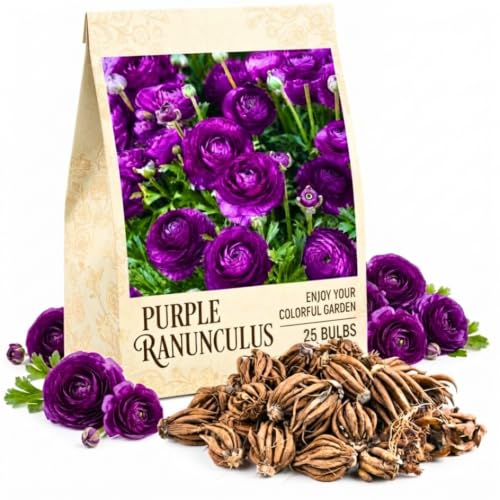
AVERAR Purple Ranunculus

Perennial Farm Marketplace Lucerne Blue-Eyed Grass, Quart
A Closer Look At Each Pick
Bright orange gives a Georgia border a clear focal color without the fuss of annual bedding plants. For most sunny beds, a grouped planting creates a stronger display than scattered bulbs, and the 1- to 2-foot height fits comfortably behind low edging plants.
These are corms, which are small underground storage structures that sustain the plant between growing periods. You get 25 bulbs for fall planting, with layered flowers expected from spring into summer in the stated zones 7-10.
What It Does Well
- Saturated orange blooms create a strong focal point in mixed borders.
- The 25-bulb packet supports a generous grouped planting.
- Its 1- to 2-foot height works well in the middle of a bed.
- Full-sun placement and well-drained soil suit many Georgia sites.
Trade Offs
- Heavy, persistently wet soil is unsuitable; drainage matters before planting.
- Regular watering is still required, particularly while plants establish and bloom.
Key Specs
Who It Suits Best
You benefit most from this packet in a zone 7-10 Georgia border that needs saturated orange color for a grouped spring planting.
Where Another Pick Suits Better
Perennial Farm Marketplace Lucerne Blue-Eyed Grass suits you better for an 8-inch path edge or rock garden where compact blue flowers matter more than tall ranunculus.
A mixed-color packet solves the problem of choosing every shade before the ground is ready. Depending on the mix, you can distribute several colors through a new bed or keep the entire group together for a varied spring display.
Compared with AVERAR Bright Orange Ranunculus, this option gives you less control over a strict color scheme but more visual range. The same 25-bulb format, 1- to 2-foot height, and zone 7-10 guidance keep the planting straightforward.
The Case For It
- Multiple shades make one packet suitable for several planting combinations.
- The 25 bulbs offer enough flexibility to split across borders and containers.
Practical Considerations
- A coordinated color scheme is less predictable with a mixed selection.
- You need prepared, well-drained soil rather than a low, soggy planting area.
- Regular watering remains part of the plant’s ongoing care needs.
Made For
You get the most from this mix in a colorful cottage border, pollinator planting, or sunny container arrangement where natural variation suits the design.
Consider Something Else When
AVERAR Bright Orange Ranunculus suits you better when one bold, coordinated color is more useful than a varied mix.
Orange flowers earn their place beside warm brick paths, autumn-themed borders, and deep green foliage. This straightforward color choice makes it easier to coordinate the entire planting before the flowers appear.
Unlike AVERAR Mixed Ranunculus, you receive a consistent orange direction while keeping the familiar 25-bulb quantity and layered flowers. The 1- to 2-foot plants provide enough scale to fill a border without overwhelming compact edging.
Noteworthy Benefits
- A coordinated orange display simplifies a themed border.
- Layered flowers add texture as well as color.
- The established height works well across beds and containers.
Worth Noting
- Its single-color effect is less varied than the mixed selection.
Quick Facts
Right Fit For
You benefit most from a neat orange border beside a porch, fence, patio, or warm-toned path in a compatible growing zone.
Reach For A Different Pick When
AVERAR Mixed Ranunculus suits you better when you want several colors distributed throughout one sunny bed.
Pink ranunculus bring a softer transition between spring pastels and the stronger summer palette. For most cottage borders, a group near a walkway creates a welcoming display without the visual weight of orange or purple.
Compared with AVERAR Bright Orange Ranunculus, this color works more readily with pale walls and muted companion flowers. You still get 25 bulbs, spring-through-summer bloom, and a mature height of 1-2 feet in the stated zone range.
Good Reasons To Consider
- Pink flowers coordinate naturally with soft garden palettes.
- The 25-bulb packet supports a generous grouped border.
- Layered blooms provide visual depth above the foliage.
- A 1- to 2-foot height fits well behind low edging.
- Zones 7-10 cover many Georgia garden locations.
Some Limits To Know
- Pink may blend into a heavily pastel planting without contrasting foliage.
- Good drainage and regular watering are necessary for dependable growth.
Feature Snapshot
Who Will Love This
You will appreciate this packet in a cottage garden, along a pale fence, or beside a seating area where soft pink spring color sets the mood.
Not Your Match When
AVERAR Bright Orange Ranunculus suits you better for a high-contrast border that needs vivid color and a defined focal area.
Purple ranunculus can turn a sunny apartment terrace or small courtyard into a more finished space. Depending on your container mix, the layered color gives a compact setting more depth than a single flat band of flowers.
Unlike the softer AVERAR Pink Ranunculus, this option adds deeper contrast to beds with green or silver foliage. It also gives you a coordinated alternative to the mixed packet, while retaining the same 25-bulb format and 1- to 2-foot mature height.
The Helpful Details
- Purple adds contrast to green, silver, and pale foliage.
- Container planting makes the color accessible to small-space gardens.
- Layered flowers create a fuller display from spring into summer.
Points To Keep In Mind
- Containers must drain freely rather than hold water around the corms.
- The stated hardiness range is zones 7-10, so check your local zone.
- Regular watering supports the flowering period.
Built With In Mind
You get the most use from this packet in a sunny balcony, courtyard container, or compact border that needs coordinated purple color.
Another Choice May Suit
AVERAR Mixed Ranunculus suits you better when a varied assortment works better than a single purple color scheme.
Blue-eyed grass brings a different scale to the list, reaching only 8 inches and fitting neatly along garden paths or in a rock garden. Its blue, gold-centered flowers bloom from May through July, extending the season into early summer.
Compared with the 1- to 2-foot ranunculus, this live perennial stays low and spreads visually through narrow spaces. You receive a fully rooted quart-sized plant, and the listed zones 5-8 make it relevant to many Georgia gardens, especially those in zones 7-8.
Everyday Perks
- The 8-inch height fits paths, rock gardens, and bed edges.
- Blue star-shaped flowers contrast with the ranunculus palette.
- Its flowers also work as cut material for arrangements.
- It tolerates some shade while remaining suitable for full sun.
Details To Watch
- The zones 5-8 range is less suitable for Georgia’s warmer zones 9-10.
- You may receive a dormant or trimmed plant during the November-to-March shipping period.
Core Details
The Right Fit
You benefit most from Lucerne in a zone 7-8 path edge, rock garden, or sunny border where compact blue flowers are needed.
Swap It Out When
AVERAR Bright Orange Ranunculus suits you better for a taller, warm-colored display that fills a middle bed from spring through summer.
What Matters for Georgia’s Sunny Gardens
Start With the Zone
USDA hardiness zones divide regions according to winter temperature patterns, and they provide the clearest first check. The AVERAR ranunculus are listed for zones 7-10, while Lucerne blue-eyed grass is listed for zones 5-8. Check the zone for your specific Georgia location before choosing a perennial, especially in the state’s warmer southern areas.
Match Form to the Site
Plant height determines how a perennial fits with its neighbors. The ranunculus reach 1-2 feet and work well in beds, borders, and containers, while Lucerne stays near 8 inches and shines along paths or in rock gardens. Choose compact plants for narrow edges and taller groups for the middle of a sunny border.
Plan Around Soil and Water
Well-drained soil is the common requirement across these choices. Amend compact or persistently wet ground before planting, and avoid low spots where water collects. The ranunculus need regular watering, so group them with plants that share similar moisture needs rather than placing them beside a deliberately dry planting.
Use the Planting Window
Fall planting gives the ranunculus corms time to establish before spring growth. Lucerne arrives as a rooted live plant, which makes it suitable for immediate planting once the soil and weather are suitable. You can also plan color continuity by combining spring-through-summer ranunculus with blue-eyed grass that flowers from May through July.
Avoidable Mistakes Before Planting
Mistakes Worth Dodging
Choosing color before checking zone, height, and drainage leads to disappointing placements. A full-sun label does not offset soil that stays wet, and a perennial’s return depends on local winter conditions. Match each plant’s stated range to your county’s climate before shaping the bed.
What Separates Premium From Basic
The live quart plant offers a head start compared with dormant bulbs, while bulbs provide more flexibility for color planning and mass planting. Lucerne is the practical choice for immediate edging, and the 25-bulb packets are useful for broader spring displays. The better format depends on whether your priority is immediate placement or coordinated mass color.
Frequently Asked Questions for Perennials For Georgia Full Sun
Are these perennials suitable for Georgia full sun?
The AVERAR ranunculus are listed for zones 7-10 and full sun, while Lucerne blue-eyed grass is listed for zones 5-8 and tolerates some shade. Your county zone and soil drainage determine which is the more practical fit.
Which ranunculus color works best in a mixed border?
AVERAR Mixed Ranunculus offers the broadest color variety for a varied border. A single-color packet gives you more control when your design calls for orange, pink, or purple as a coordinated feature.
When should ranunculus bulbs be planted?
Plant the ranunculus bulbs in fall for establishment before spring flowering. Place them in well-drained soil that receives full sun and keep the planted area regularly watered.
Can ranunculus bulbs grow in containers?
Ranunculus bulbs can be planted in containers, flower beds, or borders. Use a container with free drainage, since waterlogged soil is unsuitable for the corms.
Should you choose bulbs or a live perennial?
Choose bulbs for mass planting and coordinated spring color, or choose a live perennial for an immediate start in a specific edge location. Lucerne blue-eyed grass provides a compact, already-rooted option in a quart-sized pot.
Closing Remarks
For a Georgia border that needs bright spring color, the AVERAR ranunculus packets offer clear choices of orange, pink, purple, or a mixed palette. Lucerne blue-eyed grass serves a different purpose, providing low blue flowers for paths, rock gardens, and compact edges. Plant for your local zone, drainage, and mature size, then let the bed develop naturally.
