

A south-facing flower bed can look bare by midafternoon, especially after spring bulbs finish blooming. Ranunculus offers a colorful solution for gardeners in zones 7 through 10 who have full-sun sites, well-drained soil, and room for flowers that reach 1 to 2 feet tall. These six bulb collections let you choose a coordinated color scheme or mix several shades into one planting.
The Main Contenders

AVERAR Bright Orange Ranunculus

AVERAR Mixed Ranunculus

AVERAR Orange Ranunculus

AVERAR Pink Ranunculus
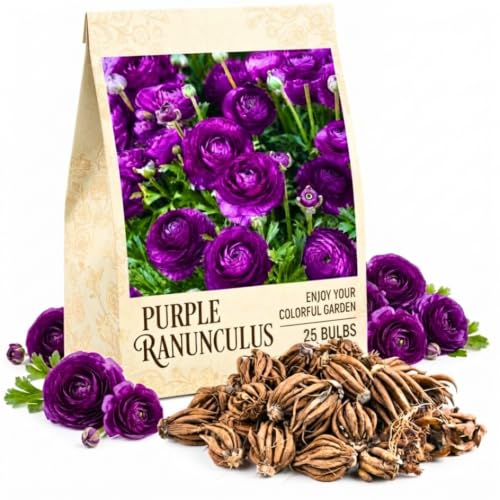
AVERAR Purple Ranunculus

AVERAR Red Ranunculus
Why These Options Stand Out
Bright orange is difficult to disguise, and that is precisely the point of this collection. The layered ranunculus blooms create a concentrated band of warm color along borders, while the 1-to-2-foot height suits the middle of a flower bed rather than the very front.
For most sunny gardens in zones 7 through 10, the straightforward planting requirements are easier to manage than the color payoff suggests. Plant these corms, the swollen underground stems sold as flower bulbs, in well-drained soil with regular watering. Unlike the mixed collection, this option keeps the planting focused and predictable.
What Works In Its Favor
- Layered orange flowers create strong visual impact from spring into summer.
- The 1-to-2-foot height works well between low edging and taller plants.
- Twenty-five corms provide enough stock for a substantial bed or several containers.
- Returning growth suits gardeners who want a repeatable annual display.
Things To Consider
- The single-color planting suits a deliberate palette better than a varied cottage border.
Key Specs
Who It Suits Best
This collection suits gardeners who want a bold orange display in a full-sun border within zones 7 through 10.
Where Another Pick Suits Better
AVERAR Mixed Ranunculus offers a better fit for informal beds that need several coordinated flower colors.
Mixed colors make this the easiest collection to use when you want movement across a bed rather than a single block of color. The varied shades add interest before you know exactly how each bloom will combine with neighboring plants, which is useful for a new garden or a first large planting.
That convenience comes with less control over the final palette. The flowers appear in assorted shades rather than a chosen scheme, so you may need to adjust nearby plants once you see the colors emerge. The planting itself remains simple: full sun, well-drained soil, and steady watering.
Positive Takeaways
- Several shades create visual variety without separate color collections.
- The 1-to-2-foot plants suit borders, beds, and containers.
- Perennial growth supports a recurring spring-to-summer display in zones 7 through 10.
Small Caveats
- Mixed shades reduce your control over a precise color scheme.
- Regular watering remains necessary because the planting calls for consistently moist soil.
Quick Facts
Made For
This mix suits first-time perennial planters who want color variety without managing several separate bulb collections.
Consider Something Else When
AVERAR Pink Ranunculus suits you better when a controlled pink border matters more than mixed-color flexibility.
Orange ranunculus offers a clean choice for repeating color along the front or middle of a sunny bed. The layered flowers bring texture as well as hue, and their compact stature keeps the planting from overwhelming nearby perennials.
Compared with the bright-orange collection, this option presents the same general height, care, and climate needs without the extra emphasis implied by that color name. The honest read is that the main decision comes down to how you want the orange to look, not to a major difference in the growing routine.
Positive Points
- A dependable single-color choice for coordinated borders.
- The layered flowers add visual texture to sunny planting schemes.
Practical Considerations
- Orange can feel visually dominant beside softer colors.
- You need full sun and well-drained soil rather than a shaded, wet corner.
- Consistent watering matters during active growth.
Right Fit For
This collection suits gardeners who want an uncomplicated orange planting that can repeat along a sunny border.
A Better Fit Elsewhere
AVERAR Bright Orange Ranunculus offers a stronger visual impact for beds where saturated color is the main objective.
Pink makes a useful bridge between soft pastels and stronger border colors, so this collection works naturally in cottage-style planting or beside lavender-toned flowers. The layered blossoms give the bed depth while the green stems keep the planting attractive between flowering periods.
You also gain more planting options than the single-bloom focus suggests. Flower beds, borders, and containers are all suitable, provided the soil drains well and receives regular water. At 1 to 2 feet tall, these plants fit neatly beneath taller perennials in a layered bed.
Where It Delivers
- Pink blooms coordinate easily with pastel and purple plantings.
- Layered flowers provide depth within a sunny border.
- The plant’s moderate height works under taller flowers.
- Green stems add structure beyond the flowering period.
- Containers, beds, and borders give you several placement options.
Worth Noting
- The pink-only palette will not provide the broad color variation found in the mixed collection.
Feature Snapshot
Who Will Love This
Pink ranunculus appeals to gardeners creating gentle cottage borders or colorful container combinations.
Another Choice May Suit
AVERAR Mixed Ranunculus is the better fit for a loose, multicolored display with less color planning.
Purple ranunculus brings depth to a sunny border, especially when paired with pale or yellow flowers. The color feels more substantial than pink without reaching the visual intensity of orange or red, making it a useful middle ground for layered planting schemes.
You can group the corms in a border or fill several containers with the same saturated effect. Their 1-to-2-foot height keeps them within easy view, while the layered petals reward closer planting near a path or patio. For most gardens, the key requirement is full sun and soil that does not hold excess water.
What Helps Most
- Purple adds strong contrast beside yellow and pale flowers.
- Layered petals create depth in beds and containers.
- The moderate height keeps the color visible within a border.
Where It May Fall Short
- A single purple collection offers less variation than the mixed selection.
- The display depends on a planting zone within 7 through 10.
At A Glance
Built With In Mind
This collection suits gardeners who want a rich purple focal area without using the boldest warm colors.
Where A Sibling Pick Shines
AVERAR Red Ranunculus fits beds where a warmer, more dramatic focal color is the goal.
Red ranunculus creates the boldest focal accent in this group, particularly in a container placed near an entryway or within a bed surrounded by green foliage. Its layered blooms hold visual attention from spring into summer without adding substantial height to the planting.
That drama comes with less flexibility in pairing than the mixed collection. Depending on the surrounding palette, a group of 25 red blooms may read as festive, formal, or visually dominant. The basic care remains manageable in full sun, but regular watering and well-drained soil deserve attention from the start.
Advantages To Know
- Red creates an immediate focal point in a sunny bed.
- Compact growth keeps the color near ground level.
- Layered petals add depth to the solid color.
- Containers make it easy to place the display where it matters most.
Trade Offs
- The saturated color can overpower softer neighboring plants.
- A single-color collection offers less variety than mixed ranunculus.
- Outdoor conditions must stay within zones 7 through 10.
Whose Shelf It Belongs On
This collection suits gardeners who want a concentrated red accent for a sunny entryway, patio, or focal bed.
Reach For A Different Pick When
AVERAR Pink Ranunculus suits you better when the planting should blend gently into a soft, cottage-style border.
Matching Plants to Your Light and Soil
Confirm the light requirement
Ranunculus from this collection calls for full sun, making it a stronger match for bright, exposed beds than for a site that receives only afternoon light. A south- or west-facing location can be promising, but the surrounding site should be open rather than shaded by buildings or trees.
Match the climate before the color
The stated climate range of zones 7 through 10 narrows the decision considerably. Gardeners outside that range should consider local planting guidance before ordering, since temperature patterns affect perennial survival.
Plan for drainage and repeat visits
Well-drained soil is essential because the corms need suitable growing conditions, while regular watering supports active growth. Twenty-five bulbs can fill a generous border or several containers, so consider how much space remains visible after neighboring perennials mature.
Practical Notes Before You Plant
Mistakes Worth Dodging
Avoid placing these corms in a low spot where water collects, since the product specifically calls for well-drained soil. Do not assume “perennial” means a flower needs no attention; regular watering remains part of the routine.
Where The Extra Money Goes
Color selection accounts for much of the difference between these choices. Pay more only when a particular hue is central to your design, since the shared plant count, climate range, height, and general care are comparable.
Frequently Asked Questions
Are ranunculus suitable for afternoon sun?
Ranunculus requires full sun, so it works best in a location receiving broad, direct exposure. A spot with afternoon sun plus limited morning light may need closer local assessment.
What size do these ranunculus plants reach?
The stated mature height is 1 to 2 feet. That size suits the middle of a border, the front section of a tall bed, or a container where you want the layered flowers close to eye level.
Can ranunculus bulbs grow in containers?
Yes, these ranunculus are suitable for containers when the soil drains well and receives regular watering. Twenty-five bulbs can be divided among several pots or grouped into one larger container.
Which color is easiest to combine?
AVERAR Mixed Ranunculus offers the broadest combination because it includes varied shades. Pink and purple suit softer coordinated schemes, while orange and red create stronger focal colors.
Do ranunculus flowers return each year?
Yes, the product is described as a hardy perennial in zones 7 through 10, returning yearly under suitable growing conditions. Full sun, well-drained soil, and regular watering support that recurring growth.
Final Verdict
Your choice comes down to color and planting style. Orange and red create bold focal displays, pink and purple coordinate more readily with layered borders, and the mixed collection offers the easiest path to varied color. Confirm your zone, drainage, and sunlight before planting, then choose the palette that fits your garden.
