

A bed of bare soil in October can look unproductive, yet that’s exactly when the work pays off. The right perennial tulips give you spring color, dependable structure for flower beds, and distinctive blooms for containers or cut-flower arrangements. These six options suit different priorities, from a colorful 25-bulb mixture to rare foliage, towering red flowers, and richly layered doubles.
The Choices Worth Comparing

VAN ZYVERDEN 88015 Tulip Mix, 25 Bulbs

VAN ZYVERDEN Purissima Blonde Tulips, 12 Bulbs

TENDED BLOOM Red Van Eijk Tulips, 25 Bulbs
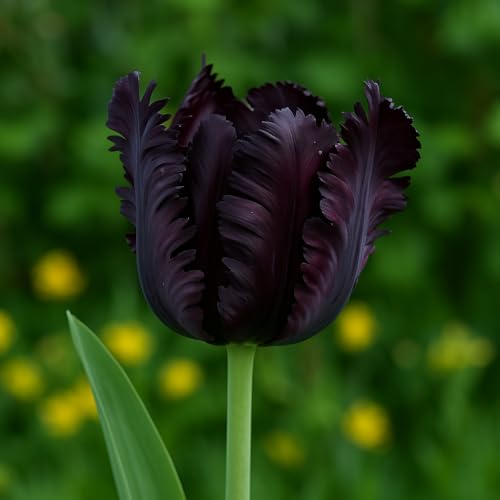
CZ Grain Black Parrot Tulip Bulbs, 5 Pack

CZ Grain Northcap Double Early White Tulips, 5 Bulbs

CZ Grain Icoon Double Orange Red Tulips, 5 Bulbs
The Details Behind The Selections
The 25-bulb medley suits a broad spring bed or a generous container grouping where mixed colors create more interest than a single cultivar. For a large yard, the 16-to-18-inch height gives you enough scale for borders, while the mixed planting reduces the visual monotony of one repeated color.
Compared with the five-bulb doubles later in this list, this set gives you more planting positions and a broader range of heights and colors. You give up the defined uniformity of one named variety, though the result suits informal beds better.
The Helpful Details
- Twenty-five dormant bulbs make it practical for filling a sizable bed without assembling several collections.
- The mixed colors suit informal borders, containers, and coordinated spring displays.
- Planting in fall establishes the bulbs before spring flowering begins.
- A height of 16 to 18 inches works well near the middle of a layered bed.
Practical Considerations
- Space bulbs 4 to 8 inches apart and at the same depth, so the planting area must be large enough for 25 bulbs.
- Mixed colors offer less predictability than the white Northcap or orange-red Icoon selections.
Quick Facts
Who It Suits Best
You benefit most from this set when you want a colorful, space-filling planting without selecting several named varieties individually.
Where Another Pick Suits Better
CZ Grain Icoon Double Orange Red Tulips suit you better when a coordinated warm-color design matters more than a varied 25-bulb mixture.
Purissima Blonde brings interest beyond the flower itself, since its foliage carries visible variegation. That feature gives you a plant worth watching from emergence through bloom, particularly in a raised bed or along a path where you regularly pass it.
The 12-to-16-inch height places it below the towering Red Van Eijk and makes it easier to combine with shorter spring plants. For a compact display, the 12-bulb set gives you a moderate starting quantity rather than the fuller sweep offered by the 25-bulb economy mix.
Everyday Wins
- Variegated foliage adds visual interest before and during the flowering period.
- The manageable height works well in containers and the front half of a bed.
- Full sun to partial shade gives you flexibility around shrubs or open borders.
- Twelve bulbs offer a practical starting point for a clustered planting.
Some Limits To Know
- The named variety and limited availability may make it harder to replace later.
- Its 12-bulb quantity covers less ground than the 25-bulb mixes in this roundup.
Built With In Mind
This selection fits you best when distinctive foliage matters as much as the spring flower and you have a sheltered, visible planting spot.
Reach For A Different Pick When
Red Van Eijk Tulips suit you better when you need a tall, strongly colored display for cutting rather than variegated foliage.
Red Van Eijk reaches about 22 inches, giving your spring bed a clear vertical accent. The sturdy stems and large red blooms also suit cut-flower use, where height helps the flowers stand above shorter arrangements.
Unlike the softer-looking double selections from CZ Grain, this Darwin Hybrid emphasizes a single saturated color and a more traditional tulip form. A 25-bulb quantity makes it a practical choice for a massed border, although the uniform height requires more space than a compact container grouping.
The Practical Payoff
- Twenty-two-inch stems add strong vertical structure to borders.
- Large red flowers create a coordinated mass planting rather than a mixed-color effect.
- The 25-bulb count supports an expansive bed or a substantial cut-flower patch.
- Sturdy stems make the variety more practical for arranging than the shorter Purissima Blonde.
Details To Watch
- Allow about 3 inches between bulbs and plant them 6 to 8 inches deep for the specified spacing.
- Well-drained soil matters because prolonged excess moisture can leave dormant bulbs vulnerable to rot.
- The 22-inch height may feel too tall for a low container or very front-of-bed position.
Key Details
The Right Fit
You benefit most from Red Van Eijk when you want bold red mass plantings, tall stems, or a substantial source of spring flowers for arrangements.
Swap It Out When
VAN ZYVERDEN 88015 Tulip Mix suits you better when you prefer varied colors and a lower 16-to-18-inch height for mixed borders.
An almost-black tulip changes the atmosphere of a spring bed more dramatically than a conventional red or white planting. These five bulbs work best as accents near pale flowers, light stone, or evergreen foliage, where their dark color remains visible.
Compared with the 25-bulb options, this pack gives you a smaller but more focused display. The trade-off is scale: five bulbs suit a deliberate feature area better than a broad border that you expect to read as a solid mass.
Reasons It Performs
- The unusual dark coloring creates a memorable focal point in a mixed bed.
- Large blooms add visual weight to a small grouping.
- Fall planting prepares the bulbs for a spring display.
- The five-bulb pack makes an accent planting manageable for a new gardener.
What To Weigh
- Five bulbs will not create the broad color mass that a 25-bulb mixture can provide.
- Plant in well-draining soil and keep the area watered during active growth without leaving it waterlogged.
At A Glance
Who Will Love This
You benefit most from this selection when dramatic contrast and unusual dark color matter more than covering a broad area.
A Better Fit Elsewhere
Northcap Double Early White Tulips suit you better when you want soft, densely layered blooms that brighten a shaded border.
Northcap’s layered white petals give a familiar tulip shape the fuller appearance of a peony. For a front border or container, the restrained color also makes it easy to combine with darker tulips or yellow flowers without competing with them.
Its early-season role sets it apart from the Red Van Eijk variety, which centers on tall, mid-season red flowers. The five-bulb pack gives you a smaller planting, so most gardeners would use it as a coordinated cluster rather than expecting an entire bed to fill from one purchase.
What Helps Most
- Densely layered petals create a full, peony-like flower form.
- The white color brightens borders, containers, and partially shaded spots.
- Early flowering gives you a head start on the spring display.
- The restrained palette makes coordinated plantings easy to plan.
Trade-Offs To Consider
- Five bulbs suit a cluster or container better than a large mass planting.
- Plant in well-draining soil and allow room for the variety’s mature size and climate-dependent bloom timing.
Made For
This set fits you best when you want elegant white double blooms, an early display, and an easy color scheme for beds or containers.
Another Choice May Suit
Icoon Double Orange Red Tulips suit you better when warm color and dramatic golden-orange highlights are your priority.
Icoon brings a concentrated burst of orange-red color, with warm golden-orange highlights adding depth to the layered petals. That combination works especially well against green foliage or beside pale tulips, creating contrast without needing several colors in one grouping.
Like Northcap, this is a five-bulb double-flowered selection rather than a large mixed set. Compared with the traditional Red Van Eijk form, Icoon offers a fuller, more decorative flower, but its five-bulb quantity is better reserved for containers and deliberate border accents.
The Good Stuff
- Orange-red petals with golden highlights create rich, dimensional color.
- Dense layers give each bloom a miniature peony-like appearance.
- The compact pack works well for containers and planned accent groups.
- Planting with other spring bulbs allows you to build a coordinated mixed display.
Points To Keep In Mind
- Five bulbs provide a concentrated display rather than broad coverage.
- Use well-draining soil and follow the mature size and bloom timing suited to your climate.
Feature Snapshot
Best Suited To
You benefit most from Icoon when you want concentrated warm color and layered flowers for containers, borders, or coordinated spring plantings.
Where A Sibling Pick Shines
Northcap Double Early White Tulips suit you better when a pale, elegant display fits your bed better than vivid orange-red.
Plan Your Planting by Size, Color, and Bloom
Match Height to Your Bed
Tall Red Van Eijk flowers work well in the middle or rear of a border, while the 12-to-16-inch Purissima Blonde and 16-to-18-inch economy mix fit more naturally toward the front or middle. Account for mature height before combining varieties, since flowers planted at the same level can hide one another as they develop.
Decide Between Variety and Volume
A named variety gives you a coordinated color, flower form, and height, which simplifies container and formal-bed designs. A 25-bulb mixture covers more ground and introduces greater variety, so it suits informal landscapes where a patchwork effect works better than exact uniformity.
Consider Light and Soil Conditions
Full sun generally supports strong flowering, while the mixed economy set and Purissima Blonde also tolerate partial shade. Well-drained soil remains essential across these choices because dormant bulbs left in persistently wet ground face a greater risk of rot.
Match the Flower to Your Design
Single blooms offer a clean, recognizable tulip silhouette, while double varieties create a fuller, more decorative shape. Nearly black flowers provide the strongest contrast, white doubles brighten restrained designs, and warm orange-red blooms add intensity to green-and-white spring plantings.
Planting Details That Shape Your Results
Mistakes Worth Dodging
Planting too shallowly or spacing bulbs too closely can restrict development, while soggy soil creates unnecessary risk to dormant bulbs. Check the planting depth, mature size, and light needs before placing each variety, and group bulbs with similar requirements rather than arranging them solely by appearance.
What Separates Premium From Basic
The differences here concern variety, quantity, and flower structure rather than luxury features. Named doubles and unusual foliage offer a specific design character, while larger mixed sets spread that visual effect across more ground at a lower cost per bulb.
Frequently Asked Questions
Do perennial tulips come back every year?
Perennial tulips can return in suitable conditions, but soil, drainage, sunlight, and climate all affect their long-term performance. Planting them in a location that matches their needs gives you the best chance of repeat flowering.
When should perennial tulips be planted?
Plant dormant tulip bulbs in fall so they can establish roots before spring growth begins. Well-drained soil and the planting depth specified for the variety are important parts of getting them off to a strong start.
Which perennial tulips are best for containers?
Compact options such as Purissima Blonde or the five-bulb double selections suit containers well. You still need a container with drainage and enough room for the mature dimensions of the chosen variety.
Are double tulips harder to grow than single tulips?
Double tulips need the same basic care, including well-drained soil, appropriate spacing, and suitable light. Their fuller flowers simply create a more decorative display, so choose them for appearance rather than expecting different planting rules.
Can different perennial tulip varieties be planted together?
You can combine varieties that share similar soil, drainage, and light requirements. Planting by bloom period also creates a smoother progression from early flowers such as Northcap to later spring color.
Final Verdict
Choose VAlAN ZYVERDEN 88015 Tulip Mix for broad, colorful beds, or Red Van Eijk for tall red flowers and cutting. Purissima Blonde brings variegated foliage, Black Parrot creates dramatic contrast, and the Northcap and Icoon doubles cover soft white and vivid orange-red designs. Match the variety to your space, light, and desired style, then plant carefully in fall for the strongest start.
