

Bare soil takes over a garden bed faster than most gardeners expect, especially between shrubs or along a walkway. The right ground cover depends on the space: fragrant flowers, spreading perennials, native pollinator plants, and weed-control fabric each solve a different problem. These selections give you practical options for borders, containers, pathways, larger planting areas, and regions with warm or dry summers.
A Snapshot Of The Selections

KVITER Royal Carpet Alyssum Seeds

VEVOR 4 x 100 ft Woven Landscape Weed Barrier

VEVOR 4 x 300 ft Heavy-Duty Woven Weed Barrier
VEVOR 3 x 300 ft Heavy-Duty Woven Weed Barrier

Florida Foliage Mexican Petunia Purple, 2 Plants
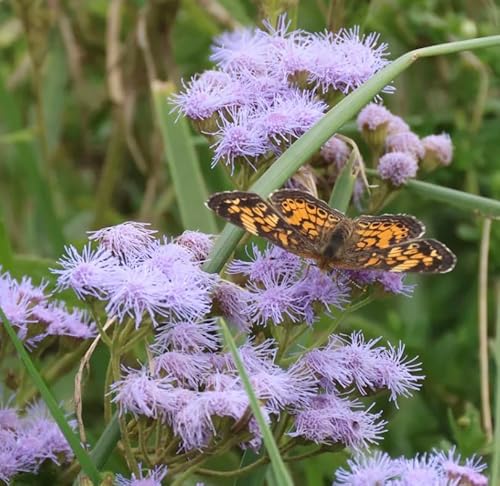
My Home Park Blue Mistflower, 3 Live Plants
The Details Behind The Selections
Sweet alyssum brings a soft, fragrant carpet to borders, containers, and the edges of flower beds. The plants stay near four inches tall and can form a dense mat, making this a useful annual companion beside taller perennials rather than a perennial replacement.
You also gain blooms from late spring through early fall, with flowers that attract bees and butterflies. For most small gardens, the 5,000-seed packet offers abundant planting material, although the annual growth cycle means fresh starts may be needed each year.
Useful Touches
- Low growth suits container rims and narrow planting strips.
- Fragrance adds another sensory layer to a border.
- Extended bloom supports pollinators across several months.
- Full sun to partial shade broadens placement options.
Points To Note
- This packet produces an annual, so it does not meet a strict perennial requirement.
- Surface sowing requires lightly moist soil during germination.
Feature Snapshot
Built With In Mind
Gardeners seeking a fragrant, low-flowering annual edge will find this format especially useful.
Another Choice May Suit
My Home Park Blue Mistflower is a better fit for a spreading perennial with a longer regional growing role.
This roll serves as the supporting layer beneath your perennial planting, suppressing weeds in vegetable beds, flower borders, gravel areas, and around artificial turf. Its four-foot width makes it manageable for many paths and medium-sized beds.
The 5.8-ounce woven construction is designed to resist tearing and corrosion while allowing air and water through. Permeability, the ability to pass water and air, matters because trapped water can create poor growing conditions around roots.
Where It Delivers
- Green guide lines simplify straight plant rows.
- Ultrasonic cutting leaves clean edges without burrs.
- The woven surface suits beds, paths, and gravel.
- Water and air can continue moving through the fabric.
Practical Considerations
- Cutting and installation tools are not included.
- Plan storage space for the unused portion of the roll.
Quick Facts
The Right Fit
You will appreciate this roll for medium-sized beds where manageable material and clear alignment lines matter.
Look Elsewhere When
VEVOR 4 x 300 ft Heavy-Duty Woven Weed Barrier fits larger properties better.
Large gardens create a different kind of headache: enough bare soil to attract weeds across several borders or paths. This 300-foot roll covers a much larger area than the four-by-100-foot VEVOR option, reducing the need to join smaller sections.
Its high-density woven polypropylene construction is easy to cut and includes green alignment stripes. The material allows soil to breathe and retain moisture while limiting weed growth, making it a practical underlayer for perennial beds, greenhouses, driveways, and gravel areas.
What It Does Well
- Three hundred feet suits extensive landscaping work.
- Four-foot width supports broader bed coverage.
- Dual-layer construction adds structure.
- Straight stripes make plant placement easier.
Some Limits To Know
- The longer roll takes more storage space before installation.
- Installation tools are not included.
- The woven side should face upward for the described setup.
Made For
Property owners with extensive planting areas or multiple paths will find the roll length especially useful.
Where A Sibling Pick Shines
VEVOR 3 x 300 ft Heavy-Duty Woven Weed Barrier fits long, narrow projects that call for easier roll handling.
A three-foot-wide roll fits comfortably along winding paths, narrow borders, and planting strips without producing as much excess material as a wider sheet. The 300-foot length still makes this a practical choice for substantial projects with several separate beds.
Unlike the four-foot roll, this version uses a needle-punched laminated construction rated at 5.8 ounces. It can be cut into custom shapes, includes green alignment guides, and allows water movement through the surface while supporting weed suppression below your planted layer.
Notable Upsides
- The narrower roll suits winding paths and tight borders.
- Custom cutting simplifies irregular layouts.
- Aligned stripes support orderly planting.
- The long roll covers multiple garden zones.
- Water can pass through the permeable surface.
Factors To Consider
- You must still provide your own cutting tools.
- Unused fabric needs a dry storage location.
Technical Highlights
Who Will Love This
Gardeners planning long paths and narrow planting strips will enjoy the balance of length and manageable width.
Swap It Out When
VEVOR 4 x 300 ft Heavy-Duty Woven Weed Barrier suits broad beds requiring wider coverage.
Mexican petunia brings saturated purple flowers and upright foliage to sunny southern landscapes. Two large trade-gallon plants give you an immediate start for a mixed border, walkway edge, or container, while the heat tolerance makes this a practical choice for warm-season gardens.
Unlike the low alyssum option, this perennial develops spreading clumps that fill gaps with vertical texture. The trumpet-shaped blooms appear across the growing season, providing color without relying on a single mass of foliage.
Everyday Wins
- Purple blooms enliven mixed borders and containers.
- Full sun or partial shade offers placement flexibility.
- Heat tolerance suits southern gardens.
- Spreading clumps soften paths and garden edges.
- Adaptability covers several soil types.
Worth Bearing In Mind
- Its upright form provides texture rather than a flat ground-hugging carpet.
- Spreading growth needs room around nearby plants.
Who Should Grab It
Southern gardeners wanting bold purple color and heat-tolerant perennial structure will find this pairing practical.
A Better Fit Elsewhere
My Home Park Blue Mistflower fits regional native gardens that prioritize soft blue flowers and local plant relationships.
Blue mistflower creates a loose drift of soft blue flowers that suits borders, meadow plantings, and naturalized landscapes. The spreading habit complements upright Mexican petunia, with the two choices offering different heights, colors, and regional approaches to perennial growth.
This selection carries a strong native-plant focus for the southeastern United States. Once established in full sun, it needs little supplemental water, and its nectar-rich flowers support native bees, butterflies, and other beneficial insects.
A Few Highlights
- Three live plants arrive ready for outdoor planting.
- Soft blue color creates a naturalistic look.
- Spreading growth fills informal garden areas.
- Established plants suit low-water landscapes.
- Native status supports regional ecosystem planting.
Trade Offs
- Your climate and soil need to fall within its stated growing range.
- Allow room for its spreading habit.
Essential Details
Whose Shelf It Belongs On
Native-focused gardeners in suitable southeastern states will value the soft color and spreading form.
Consider Something Else When
Florida Foliage Mexican Petunia Purple suits warmer gardens seeking purple blooms across a broader set of conditions.
Match The Ground Cover To Your Garden
Check The Growth Habit
A true carpet, an upright clump, and a spreading perennial create very different effects. Sweet alyssum stays close to the ground, Mexican petunia adds height, and blue mistflower forms looser drifts. Choose the habit that fits the space before the flower color enters the decision.
Match The Plant To The Climate
Blue mistflower has a defined regional range, while Mexican petunia is presented as heat tolerant and alyssum is listed for Hardiness Zones 1–12. Hardiness zones divide regions according to their typical minimum winter temperatures. Check both your region and the specific conditions around the planting area.
Decide Between Seeds And Established Plants
Seeds offer high planting volume and a low-cost way to fill a small area, while live plants provide larger starting plants for immediate borders and containers. Alyssum needs surface sowing and moist germination conditions, so seed convenience depends on your setup.
Consider A Supporting Weed Barrier
Fabric does not create a living ground cover, but it can reduce weed pressure beneath perennials, gravel, paths, and artificial turf. The VEVOR rolls differ mainly in width and length, allowing you to match the sheet more closely to your planned area.
Keep These Ground Cover Details In Perspective
Mistakes Worth Dodging
Do not count a weed barrier as a perennial, or judge an annual seed packet by perennial expectations. Another common mistake is choosing a spreading plant without leaving room around nearby shrubs and flowers. Match the mature habit to your bed before adding anything to the cart.
When Paying More Pays Off
A longer or wider fabric roll can prevent extra seams and wasted material across a large property. The added amount matters most for broad beds, lengthy paths, and commercial-scale landscaping where frequent joins would complicate installation. For a small bed, the shorter VEVOR roll is the more sensible fit.
Frequently Asked Questions for Perennial Ground Cover
What is the easiest perennial ground cover for a sunny garden?
Mexican petunia fits sunny, warm gardens where purple flowers and spreading clumps are useful. It offers a practical choice for borders, paths, and containers in southern landscapes.
Which ground cover option attracts the most pollinators?
Sweet alyssum and blue mistflower both support visiting pollinators with nectar-bearing blooms. Alyssum works as a low annual accent, while blue mistflower provides a perennial option in suitable southeastern regions.
Can weed barrier fabric be used under perennial plants?
Yes, permeable landscape fabric can sit beneath compatible plantings while limiting weeds and allowing water and air to pass through. Secure the edges and keep the woven layer facing upward as directed for the selected roll.
Should I choose a 3-foot or 4-foot weed barrier roll?
A three-foot roll is easier to maneuver along narrow paths and compact beds. A four-foot roll reduces the need for additional lengths across broad planting areas.
Are all perennial ground covers suitable in cold climates?
No, regional fit matters. Blue mistflower has a defined southeastern range, while heat-tolerant Mexican petunia and alyssum offer different options for warmer or broader climates.
Closing Remarks
Your best choice depends on the job: fragrance and dense annual color from alyssum, bold heat-tolerant blooms from Mexican petunia, native blue flowers from blue mistflower, or dependable weed control from woven fabric. Match the plant or material to your climate, space, and maintenance preferences, and you can build a more useful ground cover plan.
