

A bright vegetable bed can become stressful for plants during the hottest part of the day, especially when containers, young seedlings, and greenhouse rows need protection from direct sun. These shade cloths give you a practical way to manage that exposure, with coverage sizes and light-reduction levels suited to beds, hoop structures, and enclosed growing areas.
The Choices Worth Comparing
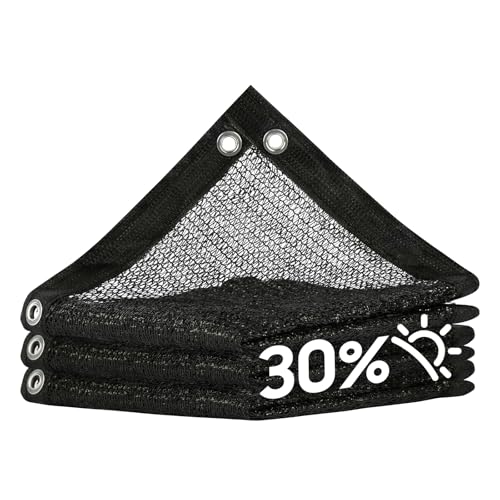
Royal Shade 30% Shade Cloth 8′ x 12′
Royal Shade 30% Shade Cloth 8′ x 10′
Royal Shade 30% Shade Cloth 8′ x 16′
Royal Shade 30% Shade Cloth 10′ x 10′

Royal Shade 50% Shade Cloth 8′ x 10′

Royal Shade 70% Knitted Cover 8′ x 12′
The Picks, Examined More Closely
The 8-by-12-foot footprint makes this cloth a sensible middle ground for a standard backyard bed. It blocks 30% of sunlight while allowing air to move through the HDPE fabric, which can reduce heat around plants without sealing them into a completely enclosed area.
Compared with the smaller Royal Shade 30% Shade Cloth 8′ x 10′, it covers more length while keeping the same moderate shade level. For most vegetable gardens, that combination feels easier to balance than starting with heavier shading.
Real Benefits
- The 30% reduction offers moderate protection for vegetables, flowers, and fruiting plants during bright afternoons.
- Air circulation continues through the mesh, helping the cover serve as protection rather than a sealed roof.
- UV-resistant HDPE and reinforced edge binding suit outdoor use across gardens, greenhouses, and hoop structures.
Trade Offs
- Two grommets may require additional tie points or a well-supported frame to keep the cloth taut across 12 feet.
- Thirty-percent shade may be light for tender seedlings during intense summer heat, so a 50% or 70% cover could suit them better.
Key Specs
Made For
This option suits home gardeners protecting a medium vegetable or flower bed that needs moderate shade and good airflow.
Consider Something Else When
Royal Shade 70% Knitted Cover 8′ x 12′ better serves gardeners with tender plants that need much deeper light reduction.
An 8-by-10-foot cover fits neatly over a compact bed, balcony growing area, or small hoop structure where a larger sheet would be difficult to tension. The 30% shade level offers a practical starting point for plants that need protection from intense midday sun but still benefit from substantial daylight.
This is the more manageable option than the Royal Shade 30% Shade Cloth 8′ x 16′ for tight spaces. You gain the same HDPE construction and moderate shading without carrying extra fabric beyond the area you need.
Points In Its Favor
- The compact 8-by-10-foot coverage is convenient for smaller frames and limited growing areas.
- UV-resistant HDPE with reinforced edges supports routine outdoor use while allowing air to circulate.
Worth Noting
- Coverage ends at 10 feet, so a longer row may need adjoining sections or a larger single sheet for an even finish.
Right Fit For
Apartment growers and small-space gardeners will find this size easy to position over a compact bed or portable hoop frame.
A Better Fit Elsewhere
Royal Shade 30% Shade Cloth 8′ x 16′ better suits gardeners with a long row who want shade cloth spanning the full planting area.
Sixteen feet of length makes this the most expansive 30% option here, which matters for a long row of vegetables or an extended hoop-house frame. It creates a continuous shaded area without requiring several shorter panels to meet in the middle.
The trade-off is installation. A sheet this long needs secure support along its edges, so the frame spacing and number of tie points deserve attention before the fabric goes up.
Strengths Worth Knowing
- The 8-by-16-foot size covers an elongated bed in one continuous piece.
- Thirty-percent shading moderates direct sunlight while preserving useful daylight and airflow.
- UV-resistant HDPE provides a practical outdoor material for gardens, greenhouses, and hoop structures.
- Reinforced binding strengthens the perimeter where tension and repeated handling are most likely.
Practical Considerations
- Only two grommets are specified, so a 16-foot span may need extra ties or intermediate supports.
- The large sheet takes more space to store and handle than the 8-by-10-foot version.
- Moderate 30% shading may not be enough for highly heat-sensitive plants in peak summer.
Feature Snapshot
Who Will Love This
This cloth fits growers with a long raised bed or a row of plants that needs shading across the entire length.
Another Choice May Suit
Royal Shade 30% Shade Cloth 10′ x 10′ may suit gardeners with a square footprint who do not need 16 feet of length.
A square sheet often lines up more naturally with a square hoop frame or a four-sided garden structure. At 10 feet by 10 feet, this version provides more area than the Royal Shade 30% Shade Cloth 8′ x 10′ without reaching the length of the 8-by-16-foot option.
For most backyard setups, the result is a versatile moderate-shade panel. The frame still needs to support the fabric evenly, especially around corners where wind can pull at the material.
Practical Pluses
- The square dimensions suit square frames, hoop houses, and evenly sized planting areas.
- Thirty-percent shading gives flowers and vegetables relief from direct afternoon sun.
- HDPE construction resists UV exposure while reinforced binding supports the edges.
Things To Consider
- Two grommets may leave the corners and center without direct tie points, making additional supports useful on an exposed frame.
- The 10-foot width can be more than a small balcony setup needs.
Built With In Mind
Square-frame owners and gardeners with balanced 10-foot dimensions will find the coverage easier to align than an oblong sheet.
Where A Sibling Pick Shines
Royal Shade 30% Shade Cloth 8′ x 10′ better serves growers with limited space and a smaller rectangular frame.
Moving from 30% to 50% shade makes this a more substantial option for greenhouses and plants that struggle beneath strong midday light. Air still circulates through the HDPE mesh, while reduced evaporation and increased humidity can help maintain a cooler growing environment.
The 8-by-10-foot size suits a compact greenhouse section, hoop structure, or shaded bed. Compared with the Royal Shade 50% cloth, it gives less coverage, so larger protected areas may need multiple panels.
Everyday Advantages
- Half the sunlight is blocked, offering stronger protection than the 30% cloths.
- Airflow remains available through the mesh structure.
- Reduced evaporation and higher humidity can help keep a greenhouse cooler.
- Additional antioxidants and strengthened UV resistance support outdoor use.
- Reinforced edges and two grommets simplify attachment to a suitable frame.
Minor Gripes
- Heavier shading may be unnecessary for crops that still benefit from abundant direct light.
At A Glance
Best Suited To
Greenhouse growers and gardeners tending heat-sensitive seedlings will appreciate the stronger light reduction.
Swap It Out When
Royal Shade 30% Shade Cloth 8′ x 12′ better serves gardeners whose mature plants need moderate rather than dense shade.
This cover provides the deepest light reduction in the group, blocking 70% of sunlight while still allowing air to circulate. That makes it a practical choice for tender seedlings, heat-sensitive plants, or greenhouse areas receiving harsh midday exposure.
The 8-by-12-foot size matches the Royal Shade 30% Shade Cloth 8′ x 12′, so you can compare shade levels without changing the footprint. In our view, the knitted construction and higher density suit gardeners who want more protection than a moderate 30% cloth provides.
Reasons It Performs
- Seventy-percent shade provides the strongest light reduction among these options.
- Air circulation continues through the knitted cover.
Where It May Fall Short
- Dense shading can reduce daylight more than some vegetables require during the growing season.
- The two specified grommets may not be enough to hold a taut 12-foot span.
- Plants requiring strong direct light may perform better under a lighter 30% or 50% cover.
Core Details
Whose Shelf It Belongs On
Seedling growers and greenhouse gardeners managing intense summer light will find this level of protection especially useful.
Reach For A Different Pick When
Royal Shade 50% Shade Cloth 8′ x 10′ better suits growers who want substantial shade while retaining more daylight for mature plants.
What Matters Before You Cover Your Garden
Match the shade level to the plant
A 30% cover provides moderate protection for many vegetables, flowers, and fruiting plants. A 50% cover suits more heat-sensitive crops and greenhouse sections, while 70% shading serves tender plants or areas exposed to strong midday light. Less shade preserves more light, so sun-loving crops may not need a dense cover.
Measure the frame and planting area
Cloth dimensions should match the structure you intend to cover. A square 10-by-10-foot sheet fits a square frame neatly, while the 8-by-16-foot option suits a long row. In compact gardens, the 8-by-10-foot cover reduces excess material and makes handling easier.
Plan secure attachment
Grommets provide the basic points for tying or fastening the cloth. Larger spans need intermediate supports to remain taut, and corners benefit from additional ties. Checking your frame before installation helps prevent loose fabric from shifting in the wind.
Consider the growing environment
Greenhouse users often want more shade than an open vegetable bed because reflective surfaces can intensify heat. The 50% option is a practical middle ground, while the 70% knitted cover suits the toughest summer exposure. Watch the plants’ light needs rather than adding shade automatically.
Common Mistakes Worth Avoiding
Choosing shade by guesswork
The percentages describe light reduction, not a promise about every plant. Start with the crop’s light needs and observe the growing area before selecting a level.
Ignoring the support structure
A large sheet needs more than two tie points to stay evenly positioned. Add supports along long edges and corners where wind can pull.
Treating a cover as permanent shade
Seasonal seedlings may need strong protection early, while mature crops may need more direct light later. Keep the cover adjustable enough to remove during suitable periods.
What Separates Premium From Basic
The meaningful differences here are shade density, coverage area, and fabric construction. Higher percentages and reinforced edges serve different needs rather than automatically making one choice better.
Spend more area or stronger shading only when your plants and frame require it. Otherwise, a 30% HDPE panel provides a practical balance of protection, airflow, and manageable size.
Frequently Asked Questions
What shade percentage is best for vegetable plants?
A 30% shade cloth is a practical starting point for many vegetables that need protection from intense midday sun. Seedlings and heat-sensitive crops may benefit from 50% or 70% coverage.
Does shade cloth stop air from circulating?
The listed cloth allows air to move through its mesh or knitted structure. Airflow remains important for enclosed greenhouses and hoop structures.
How should I measure a shade cloth for my garden?
Measure the frame at its widest points, including the full length and width you want to cover. Leave enough material to reach each edge without creating an awkward surplus.
Is 50% shade better than 30% shade?
Fifty-percent shade provides greater light reduction and suits hotter or more enclosed growing areas. Thirty-percent shading preserves more daylight for plants that only need moderate protection.
Can one shade cloth cover a greenhouse?
A single cover works well when its dimensions closely match the greenhouse frame. Larger structures may need adjoining panels supported with adequate ties and tension.
Closing Remarks
The best shade cloth for outdoor plants depends on light needs and frame size, not simply the largest percentage. A 30% panel handles moderate protection, the 50% option gives greenhouses more relief, and the 70% knitted cover serves plants facing the strongest exposure. Measure your setup, match the shade to the crop, and secure the edges properly.
