

Growing herbs outdoors can be frustrating when ordinary pots tip over, dry out quickly, or leave your back aching. Raised planters solve those problems by lifting the soil into a manageable height, while rolling containers add mobility for chasing sunlight or protecting plants from bad weather. These options suit patios, balconies, decks, and compact gardens, whether you want a self-watering home for a lemon tree or an elevated bed for everyday herbs and vegetables.
The Main Contenders

Rolling Citrus Tree Planter Gen 3 Self-Watering 30 Gallon Olive Green

Rolling Citrus Tree Planter Gen 3 Self-Watering 30 Gallon Modern Gray

Vego garden Rolling Elevated Raised Garden Bed 1.5′ x 3.5′ Modern Gray
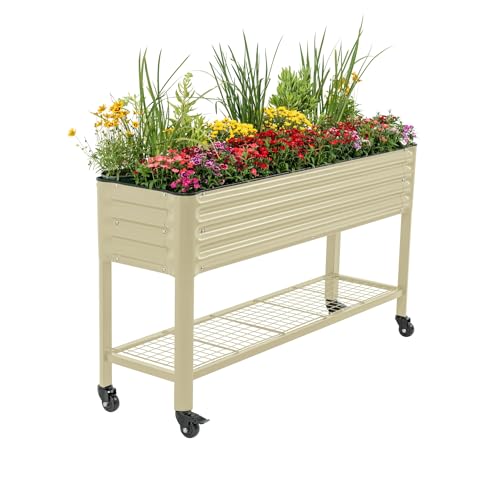
Vego garden Rolling Elevated Raised Garden Bed 1.5′ x 5.5′ Pearl White
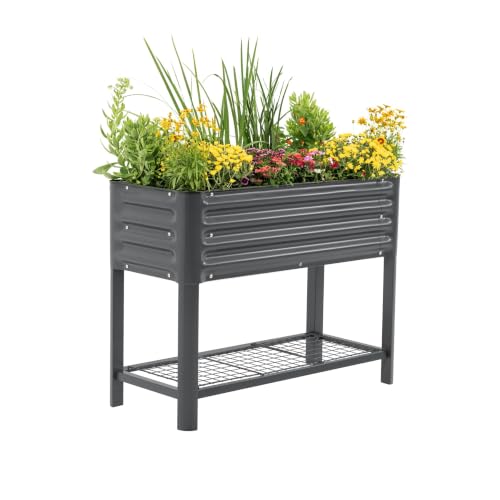
Vego garden Elevated Raised Garden Bed 1.5′ x 3.5′ 500 Lbs Modern Gray

Vego garden Elevated Raised Garden Bed 2′ x 4′ 700 Lbs Olive Green
A Breakdown Of The Leading Choices
A lemon tree in a rigid pot can become difficult to reposition once the soil is wet. This 30-gallon rolling planter handles that task more gracefully, with locking casters for moving citrus, fig, olive, or dwarf fruit trees between sunny and sheltered spots.
The integrated reservoir sends moisture toward the root zone through a wicking system. A fill tube and water gauge simplify routine care, which makes this a practical choice for gardeners who want tree-sized planting capacity without frequent watering.
Strong Points
- The 30-gallon container provides substantial room for tree roots.
- Locking casters make a heavily planted container easier to reposition.
- The refill tube avoids having to reach around the foliage.
- The visible water gauge helps you monitor reservoir levels.
- Corrosion-resistant coated steel and stainless steel hardware suit outdoor use.
Minor Gripes
- Its 24-inch round body needs enough clearance for the casters to roll, and a loaded planter will still require a level surface.
Key Specs
Who It Suits Best
This planter suits patio gardeners growing a lemon, fig, olive, or other compact fruit tree in a large container.
Where Another Pick Suits Better
The Vego garden Elevated Raised Garden Bed 2′ x 4′ suits gardeners who want a broad herb and vegetable bed rather than a single tree.
Modern Gray gives this rolling tree planter a quieter look beside gray decking, contemporary outdoor furniture, or neutral walls. Beyond the finish, it shares the useful 30-gallon format, self-watering design, and locking wheels found in the olive-green version.
That makes it particularly useful for a balcony or patio where appearance matters alongside plant capacity. The reservoir helps maintain steadier moisture around the roots, while the casters let you adjust the tree’s position as sunlight changes.
Where It Helps
- The neutral finish coordinates easily with modern outdoor decor.
- Tree-scale capacity supports deeper root development.
- Locking wheels keep the container stationary during routine use.
- Refilling through the tube reduces disturbance to the plant.
Practical Considerations
- The round planter needs enough room to roll without catching nearby furniture or walls.
- Its large format offers less flexibility for renters with very limited patio space than a rectangular herb bed.
Made For
This model best suits contemporary patio gardeners who want a mobile, self-watering home for citrus or another compact fruit tree.
Consider Something Else When
The Rolling Citrus Tree Planter Gen 3 30 Gallon Olive Green is a better fit when you prefer a planter that blends more closely with greenery and natural outdoor colors.
Rolling across a deck to catch morning sun sounds simple until the bed is filled with soil and plants. This Vego garden model adds locking casters and an elevated frame, giving you a movable 1.5-by-3.5-foot bed with a lower storage rack for tools.
The frame uses VZ 2.0 coated steel, a zinc, magnesium, and aluminum coating paired with an AkzoNobel paint system. Its 500-pound load capacity makes it more appropriate for a concentrated garden bed than light decorative planting.
Where It Excels
- Rolling mobility makes seasonal light changes easier to manage.
- The elevated frame reduces the need to bend down constantly.
- The lower rack keeps common tools close at hand.
- The coated steel construction suits outdoor placement.
Where It May Fall Short
- The 3.5-foot length is modest for anyone wanting rows of tomatoes or a full herb collection.
- Because it rolls, the bed needs a flat route without abrupt steps or narrow corners.
Feature Snapshot
Right Fit For
This raised bed suits small-space gardeners who want mobile planting, elevated soil, and convenient tool storage on a patio.
Not Your Match When
The Vego garden Elevated Raised Garden Bed 2′ x 4′ suits gardeners who prioritize a wider planting area over mobility.
The long Pearl White bed is built for gardeners who want a generous run of herbs, vegetables, or compact fruit plants without giving up an elevated format. At 1.5 by 5.5 feet, it offers more row space than the shorter Vego rolling bed.
The rolling frame, lower storage rack, and 750-pound load capacity work together for a substantial patio garden. Pearl White gives it a light, clean appearance, although that finish may show dirt more readily than a darker option.
Everyday Advantages
- The 5.5-foot length supports longer planting rows.
- Rolling casters make seasonal repositioning less disruptive.
- The under-bed rack provides a home for hand tools.
Trade Offs To Consider
- The long frame requires a straight, level route for its wheels.
- Its footprint is substantial, so smaller balconies may be tight.
- Moving a fully planted bed calls for a level surface and careful handling.
The Details
Best Suited To
This long raised bed suits experienced patio gardeners who want ample growing space and can accommodate its 5.5-foot length.
Look Elsewhere When
The Vego garden Elevated Raised Garden Bed 1.5′ x 3.5′ fits narrow outdoor spaces where a shorter, stationary bed makes more sense.
A compact patio does not have to mean giving up an elevated herb bed. This 1.5-by-3.5-foot Vego garden model provides a rectangular planting area on legs, along with a storage rack for keeping tools beneath the bed.
The Modern Gray finish fits neatly into many outdoor palettes, and the 500-pound load rating matches the listed capacity. Unlike the rolling version, this bed stays put, which can be reassuring in a busy deck area but less convenient when sunlight shifts.
Where It Delivers
- The compact footprint suits patios, decks, and balconies with limited room.
- The lower rack adds storage without requiring a separate tool unit.
Factors To Consider
- The stationary frame cannot follow changing sunlight around the patio.
- The 3.5-foot bed limits the number of plants you can place in one row.
Who Will Love This
This model suits apartment and small-patio gardeners who want a fixed elevated bed with a modest footprint.
A Better Fit Elsewhere
The Vego garden Rolling Elevated Raised Garden Bed 1.5′ x 3.5′ suits gardeners who want the same compact planting dimensions plus easier repositioning.
For a kitchen garden that feeds more than a few small pots, the 2-by-4-foot footprint offers a useful middle ground between the compact beds and the longer rolling model. Its 700-pound load rating provides room for a densely planted mix of herbs and vegetables.
Olive Green blends naturally with a garden setting, while the elevated frame makes frequent tending easier on your back and knees. The lower storage rack handles tools, though you should measure the available patio space before committing to a fixed 2-by-4-foot structure.
Advantages To Know
- The 2-by-4-foot bed offers more planting space than the 1.5-by-3.5-foot models.
- The 700-pound rating supports a substantial soil-and-plant load.
- Elevated legs make routine tending more comfortable.
- The lower rack keeps gardening tools close to the planting area.
Some Limits To Know
- The fixed frame makes seasonal repositioning less convenient.
- A filled bed requires a level, stable location with enough clearance around it.
Core Features
Built With In Mind
This raised bed suits serious home gardeners who want a broad, stationary kitchen garden with a higher listed load capacity.
Another Choice May Suit
The Vego garden Rolling Elevated Raised Garden Bed 1.5′ x 5.5′ Pearl White suits gardeners who need more row length and frequent movement.
What Matters Before You Fill a Patio Bed
A raised garden bed is a bottomless container that elevates soil above ground level. That height helps with access, drainage, and keeping roots away from some in-ground conditions, though the final result still depends on your soil, drainage, and chosen plants.
Match the Footprint to Your Space
Measure the full planter, including any wheels or storage rack, before buying. The 1.5-by-3.5-foot models suit tighter patios, while the 2-by-4-foot and 5.5-foot beds need a longer straight approach for access and positioning.
Decide Whether Mobility Matters
Rolling planters help you follow changing sunlight or move a tree toward shelter. Stationary elevated beds save floor complexity and provide a more substantial rectangular growing area, so your available space and planned plant locations should guide the choice.
Think Beyond the Planting Area
Self-watering reservoirs, fill tubes, and gauges simplify care for container trees. Raised beds instead emphasize elevation and storage. Consider how much watering attention you want, especially during hot spells, and whether a lower rack is useful enough to influence your decision.
Check the Load and Access Needs
Load capacity tells you the listed maximum weight, including soil and plants in practical terms. Choose a frame and location that suit that weight, and make sure you can reach the planting area without squeezing between the bed and a wall.
Common Mistakes Worth Avoiding
Mistakes Worth Dodging
Choosing by color before footprint can leave a striking planter beside plants it cannot support. Check the mature size of your herbs or tree, then measure the planter and its approach path.
The Upgrade Payoff
A larger bed adds planting room, while rolling hardware adds convenience. Those upgrades matter most when you expect dense plantings, changing sunlight, or frequent movement; a compact fixed bed remains more practical for a small, settled growing area.
Frequently Asked Questions
Are outdoor herb garden planters suitable for vegetable plants?
Yes. Raised planters can support herbs, vegetables, compact fruit plants, and ornamental greenery as long as the container is deep enough for the roots and the chosen plants suit the available soil volume.
Is a self-watering planter better than a regular container?
A self-watering planter suits people who want steadier root-zone moisture and simpler refilling. Regular containers can work well too, but they usually require more frequent attention to soil moisture.
Do rolling raised garden beds work on balconies?
They can work where the surface is level and the route is narrow enough for the bed’s dimensions. Check the floor, clear obstacles, and make sure the planter’s full load is appropriate for the location.
Which planter size is best for a lemon tree?
A large container such as the 30-gallon rolling tree planter gives a citrus tree more rooting room than a standard herb bed. Container-grown citrus also needs a suitable light position and consistent care.
Do elevated garden beds need assembly?
These planters commonly arrive as parts that must be assembled. Carefully follow the included instructions, tighten the hardware as directed, and place the completed bed on a stable, level surface.
Final Verdict
A rolling self-watering planter suits tree-sized patio plants, while an elevated bed gives herbs and vegetables a more organized home. Start with the available footprint, then choose mobility, capacity, storage, and watering features to match how you actually garden. A measured fit will serve your outdoor space better than a feature you never use.
