

A tomato bed can look vigorous one week and struggle the next, especially when nutrients or moisture fluctuate. The right fertilizer should match your soil, plant stage, and willingness to mix or measure. Only one option here explicitly carries an organic designation, so this guide also shows where conventional tomato feeds, eggshell calcium, and tree spikes fit into the wider garden.
A Snapshot Of The Selections

TPS NUTRIENTS 5-10-10 Fertilizer

TeaDrops Organic Tomato Food
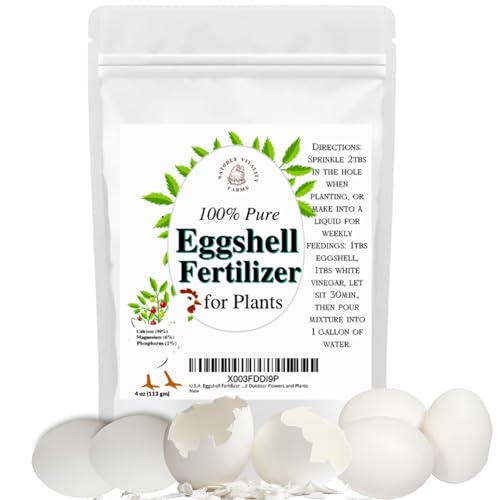
Natures Vitality Eggshell Powder
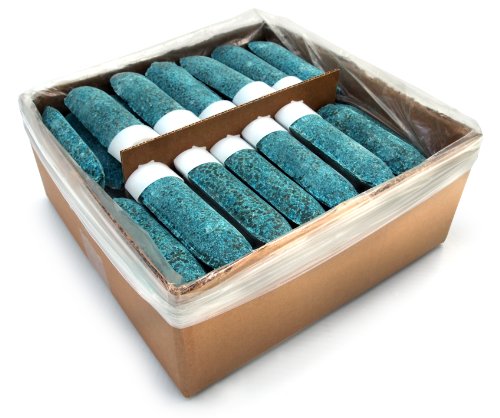
Winchester Gardens Evergreen Fertilizer Spikes

Winchester Gardens Tree Shrub Spikes

Winchester Gardens Fruit Citrus Spikes
Meet The Standout Selections
Fertilizer labels express the primary nutrients in N-P-K order: nitrogen for leafy growth, phosphorus for root and flower development, and potassium for general plant vigor. This 5-10-10 formula gives tomatoes and flowers a moderate nitrogen level with more phosphorus and potassium, making it practical for garden beds, landscapes, and backyard crops.
The honest read is that this is a broad-garden option rather than a narrowly tomato-specific feed. You gain a formulation suitable for tomatoes, vegetables, and flowers, plus an 8-ounce package that may fit a small bed better than a large landscape project.
A Few Strong Suits
- The 5-10-10 balance supports tomatoes, flowers, and other vegetables in one product.
- Higher phosphorus and potassium levels suit root strength and plant development.
- The compact 8-ounce package suits raised beds and small garden areas.
- Made in USA with an outdoor-garden focus.
Things To Consider
- Its name does not carry an organic designation, so organic requirements need closer label checking.
- The formula serves several plant groups rather than being tailored exclusively to fruiting crops.
The Numbers That Matter
Made For
You benefit most from this formula in a mixed raised bed where tomatoes share space with vegetables and flowers.
Consider Something Else When
TeaDrops Organic Tomato Food is a better fit when an organic designation and tomato-specific packet format matter most.
Tea packets remove the guesswork that comes with loose powder and liquid concentrate. Each packet holds a premeasured amount, so you steep one in one gallon of water for at least four hours, then use the prepared tea as a soil drench or foliar feed during active growth.
Compared with TPS NUTRIENTS 5-10-10 Fertilizer, this option narrows its purpose to tomatoes, peppers, eggplants, and similar fruiting vegetables. The tube also packs 16 uses into a compact format, which works nicely beside a watering can in a busy balcony or patio garden.
Key Advantages
- Premeasured packets remove the need for liquid concentrate or measuring spoons.
- The formula directly targets tomatoes, peppers, eggplants, and other fruiting vegetables.
- Works as either a soil drench or a foliar feed according to the label.
- Made in USA and intended only for plant feeding.
Worth Noting
- Each feeding requires a four-hour steeping period, so you need to plan it ahead.
- Weekly use is described for active growth, which may not align with dormant periods or slow winter growth.
Right Fit For
You get the most convenience from this format as a new gardener or container grower who wants measured weekly feeding.
Look Elsewhere When
Natures Vitality Eggshell Powder makes more sense when calcium supplementation for a broad range of indoor and outdoor plants is your priority.
Eggshell powder gives you a focused source of calcium rather than the broader nutrient balance offered by TPS NUTRIENTS 5-10-10 Fertilizer. The powder is pasteurized and made from farm-fresh eggshells, with minerals including magnesium and phosphorus also identified in the formula.
Its strongest garden use is calcium-focused plant care, including tomatoes affected by blossom end rot. Unlike the ready-to-use TeaDrops packets, you mix two tablespoons with vinegar and water per gallon, so preparation takes a little more work.
Noteworthy Benefits
- Provides a natural calcium source for tomatoes and many other plants.
- Works with orchids, African violets, spider plants, ivy, hoya, and kalanchoe.
- Supports plants facing calcium-related blossom end rot.
- Marketed as non-toxic and suitable around children and pets.
- Made in USA from pasteurized farm-fresh eggshells.
Small Caveats
- You must mix the powder with vinegar and water before application.
- The name does not carry an organic designation, despite its eggshell-based positioning.
Core Details
Built With In Mind
This powder suits households seeking an eggshell-derived calcium option for tomatoes and assorted ornamental plants.
A Better Fit Elsewhere
TPS NUTRIENTS 5-10-10 Fertilizer is a better fit for a general vegetable bed that needs broader primary nutrients rather than calcium alone.
Evergreen fertilizer spikes serve a different part of the garden than a tomato feed. These 12-10-10 spikes are formulated for evergreen trees and shrubs, placing them near conifers, foundation plantings, and year-round greenery rather than annual vegetable beds.
The practical advantage is placement. You insert a spike into the soil instead of mixing a container or carrying a watering can to each plant, and the design is marketed as reducing mess and runoff. That convenience makes this a companion choice for a mixed yard, not the central answer for tomatoes.
What Pays Off
- Low-mess application suits beds surrounding shrubs and trees.
- The 12-10-10 formula provides nitrogen, phosphorus, and potassium.
- A case of 70 spikes supports repeated landscape use.
- Marketed as child- and pet-friendly for garden placement.
Possible Compromises
- The product is formulated for evergreens, not fruiting vegetables.
- You need to confirm the proper spike count and placement for each plant size on the label.
Quick Facts
Who Should Grab It
You need this option primarily for evergreens and conifer shrubs within a larger mixed landscape.
Another Choice May Suit
TeaDrops Organic Tomato Food is the stronger choice for a patio or raised bed devoted to tomatoes and other fruiting vegetables.
This tree and shrub formula uses a 15-10-9 nutrient ratio, with more nitrogen than the evergreen spikes. That emphasis suits plants managed primarily for overall growth, making it a reasonable companion feed for large trees and foundation shrubs with dense foliage.
You press the spikes into the soil near the root zone, and the design is intended to dissolve at an even rate for continued nourishment. Compared with liquid feeds, that approach reduces mixing and carrying, which is useful across a broad yard or an area with many permanent plantings.
Points In Its Favor
- The 15-10-9 ratio supports overall growth in trees and shrubs.
- Spikes dissolve at an even rate for sustained soil feeding.
- The 70-spike case works well for extensive landscaping.
Points To Note
- The formula is designed for trees and shrubs rather than tomato plants.
- Placement around established roots requires you to work carefully in the soil.
- A general growth ratio is less specific to fruiting crops than a tomato-labeled feed.
The Right Fit
You benefit from these spikes when maintaining numerous trees and shrubs across a larger property with established root zones.
Where A Sibling Pick Shines
Winchester Gardens Fruit Citrus Spikes fit better when your priority is a fruit-bearing tree or citrus plant rather than general tree and shrub growth.
The 8-18-18 ratio gives these spikes a different emphasis from Winchester Gardens Tree Shrub Spikes. Nitrogen sits lower while phosphorus and potassium take larger positions, a combination that aligns more closely with feeding fruit-bearing trees and citrus plants in the landscape.
Slow nutrient release supports an extended feeding schedule, while the soil-placed format keeps application tidy. You still need to respect the stated use area: these are fruit and citrus spikes, so treating them as a dedicated tomato-bed formula would stretch their intended purpose.
Features That Help
- The 8-18-18 formula emphasizes phosphorus and potassium for fruiting plants.
- Slow release supports continued nourishment over time.
- Spikes reduce loose material and watering-can handling.
- A 70-spike case suits multiple mature fruit trees.
Practical Considerations
- The product targets fruit trees and citrus rather than annual tomato plants.
- Spike count and placement should follow the label for each tree’s size.
Feature Breakdown
Whose Shelf It Belongs On
You need this spike format for mature fruit trees or citrus plants managed as part of an outdoor orchard or yard.
Reach For A Different Pick When
TeaDrops Organic Tomato Food serves you better for a raised bed where tomatoes, peppers, and eggplants need a labeled weekly feed.
What To Look For In A Tomato Feed
Start with the crop label. Tomato-specific products are formulated around the needs of fruiting vegetables, while a general 5-10-10 blend can support several garden crops at once. TeaDrops names tomatoes, peppers, and eggplants directly, making it easier to match the feed to the plants in your bed. A general blend earns its place only when you value one product for a mixed planting.
Decode the N-P-K numbers before judging the formula. Nitrogen supports leaf growth, phosphorus contributes to roots and flowers, and potassium supports general vigor and fruit development. A 5-10-10 product offers more phosphorus and potassium than nitrogen, which makes it a reasonable middle ground for outdoor vegetables and flowers, but the label remains more important than the numbers alone.
Organic labeling deserves a separate check. TeaDrops Organic Tomato Food explicitly includes “Organic” in its name, while the remaining products do not make that claim in the supplied labeling. Read the full package for the exact ingredients and any applicable organic certification language before fitting it into an organic gardening routine.
Application format determines how consistently you will feed the plants. Tea packets suit a routine centered on watering cans, while eggshell powder requires mixing two tablespoons per gallon. Spikes reduce loose material and carrying, but their intended crop matters: the Winchester Gardens options target evergreens, trees and shrubs, or fruit and citrus rather than annual tomatoes.
Mistakes Worth Dodging
A common mistake is assuming every fertilizer with a high potassium number is a tomato fertilizer. Compare the named crops, N-P-K ratio, and application method before choosing.
Another is treating an eggshell product as a complete substitute for general plant food. Its calcium focus may suit your needs, but tomatoes still require a broader feeding plan.
What The Higher Tier Buys
A higher-priced option may provide more packets, a broader crop range, or simpler preparation. The added value comes from convenience and label fit, not a guarantee of better results.
Pay more for a specialized tomato formula only when it matches your routine. A premeasured weekly feed can earn its place through consistency, while a broader blend may be more economical for a mixed bed.
Frequently Asked Questions
Which is the most practical organic tomato fertilizer here?
TeaDrops Organic Tomato Food is the most practical organic-labeled option for tomatoes, peppers, and eggplants. Its premeasured packets remove measuring steps and fit naturally into a weekly watering routine.
Is 5-10-10 fertilizer suitable for tomatoes?
Yes, a 5-10-10 formula provides a useful balance for tomatoes and other garden vegetables. It gives you more phosphorus and potassium than nitrogen, so you can apply it according to the package directions.
Can eggshell powder support tomato plants?
Yes, Natures Vitality Eggshell Powder supplies calcium along with magnesium and phosphorus. It is marketed for plants facing calcium-related blossom end rot, although watering and soil conditions also influence that problem.
Are these fertilizer spikes suitable for a tomato bed?
The Winchester Gardens spikes shown here target evergreens, trees and shrubs, or fruit and citrus rather than annual tomatoes. Choose a product specifically labeled for tomatoes when the bed contains fruiting vegetables.
How often should you feed tomato plants?
TeaDrops uses one packet in one gallon of water steeped for at least four hours, followed by weekly feeding during active growth. Other products may follow different schedules, so use the directions printed on each package.
Closing Remarks
TeaDrops Organic Tomato Food leads for container growers and anyone who values premeasured weekly feeding. Choose TPS NUTRIENTS 5-10-10 Fertilizer for a broader outdoor garden bed, or consider the eggshell powder for a calcium-focused approach. The Winchester Gardens spikes serve different landscape plants and belong beside, rather than inside, a dedicated tomato bed.
