

Starting a potato garden from seed can feel confusing because the tubers you buy at a grocery store aren’t seeds, and some packets contain a different crop entirely. The six options below cover true potato seed, jicama, and broader heirloom collections, helping you match the packet to your soil, climate, and available space. Two products focus specifically on potatoes, while the remaining collections make more sense for building a wider kitchen garden.
An Overview Of The Picks
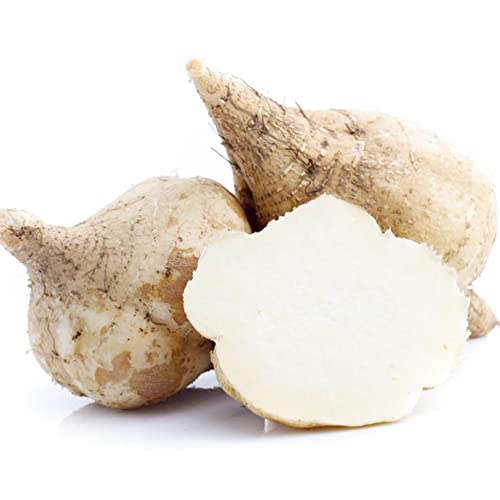
QAUZUY GARDEN 200 Jicama Yam Bean Mexican Potato Root Seeds

70 Purple Red Yellow Mix TPS Potato Seeds

60 Yukon Heirloom Potato Seeds

B&KM Farms 100,000-Seed Variety Kit

LUSH&DEW Zone 6 32-Variety Seed Kit

LUSH&DEW 32-Variety Raised Bed Seed Bank
What Each Pick Brings To The Table
A packet marked “Mexican potato” can actually contain jicama, a crisp root vegetable rather than a true potato seed. QAUZUY GARDEN’s 200-seed packet suits a spacious garden where you want a substantial root crop with mild, lightly sweet flavor.
For most backyard plots, the main attraction is the vine’s potential reach of 13 to 16 feet with proper support. The roots can also develop impressively, though that makes spacing and a sturdy trellis central to the decision.
Noteworthy Benefits
- The 200-seed quantity supports repeated rows or a generous family garden.
- Roots may exceed 6½ feet and reach 44 pounds under favorable conditions.
- The mild, slightly nutty flavor works raw, roasted, boiled, or added to stir-fries.
- Seeds can be soaked overnight before planting to support germination.
Small Caveats
- This is jicama seed, so it will not produce conventional potato tubers.
- The climbing vine needs support and roughly a foot of row space.
Key Specs
Who Will Love This
You’ll appreciate this packet most in zones 9 through 12 with a sturdy trellis and space for sprawling roots.
Consider Something Else When
Choose 60 Yukon Heirloom Potato Seeds instead when you specifically want true potato seed and a simpler potato-focused planting.
True potato seed, or TPS, comes from the small berries produced by potato plants and can generate genetically varied tubers. This 70-seed mix gives you purple, red, and yellow types, making it more experimental than the single-purpose Yukon packet.
For a first-time grower willing to accept varied results, that color range adds real interest to a bed. Outdoor conditions matter, because the packet is intended for well-drained soil, moisture, and full sun across zones 3 through 9.
Everyday Wins
- Seventy seeds provide a manageable start for a home vegetable patch.
- Purple, red, and yellow tubers create a visually varied harvest.
- Outdoor planting guidance suits beds and larger in-ground gardens.
- The broad zone range covers many temperate growing areas.
Worth Noting
- True potato seed can produce different traits from plant to plant.
- Consistent moisture and full sun are central to successful establishment.
Quick Facts
Made For
You’ll find this mix most useful in a full-sun outdoor bed where colorful, variable potatoes are part of the appeal.
A Better Fit Elsewhere
60 Yukon Heirloom Potato Seeds may suit you better when you prefer one named potato type and a simpler growing plan.
A packet devoted to one potato type removes much of the guesswork from a first attempt. These 60 Yukon true potato seeds are intended for outdoor planting, with fall and spring sowing listed as suitable planting periods.
Compared with 70 Purple Red Yellow Mix TPS Potato Seeds, this option trades colorful variety for a focused plan. It fits a sunny patch where you want potatoes to be the main crop, although soil preparation and regular watering remain your responsibility.
Real-World Strengths
- Sixty seeds offer a practical starting quantity for a home plot.
- Zones 3 through 9 cover a wide range of temperate climates.
- Fall or spring planting gives you flexibility in garden scheduling.
- Full sun matches the light needs of most home vegetable beds.
Practical Considerations
- Yukon is the only potato variety named in the packet.
- Outdoor beds need a sunny location and attention to soil moisture.
Right Fit For
This packet suits new potato growers who value clear timing guidance over a mixed-color experiment.
Reach For A Different Pick When
70 Purple Red Yellow Mix TPS Potato Seeds is a better choice when multiple tuber colors and varied plant outcomes are desirable.
Some gardens need more than one season’s worth of potatoes, and a large seed reserve changes the scale of the project. B&KM Farms combines 100,000 non-GMO heirloom seeds representing 50 fruit and vegetable varieties in one collection.
For a serious home-food garden, that breadth lets you spread plantings across several crops rather than concentrating on one. It is less focused on potatoes, though, and the 50-variety assortment may be more than a compact plot can handle effectively.
Features That Help
- The 100,000-seed quantity supports extensive multi-season planning.
- Fifty varieties offer meaningful diversity across the garden.
- Heirloom and non-GMO labels suit gardeners seeking traditional seed lines.
Things To Weigh
- Potatoes are only part of a broad fruit-and-vegetable collection.
- Fifty varieties require careful rotation and space allocation.
- Large collections need dry, organized storage between plantings.
Feature Snapshot
Built With In Mind
You’ll get the most value from this collection with multiple beds, a crop plan, and enough storage space for each packet.
Look Elsewhere When
LUSH&DEW Zone 6 32-Variety Seed Kit is a better fit for a smaller collection organized around zone-specific and mixed-purpose planting.
A 32-variety collection becomes more useful when you want food crops and a few ornamental additions in the same packet. LUSH&DEW’s Zone 6 kit contains more than 30,000 non-GMO heirloom seeds across vegetables, herbs, fruit, and flowers.
Crops include nightshades, cabbage, cucumber, spinach, lettuce, dill, cosmos, and sunflowers, giving you options for beds, borders, and successive harvests. For most mixed gardens, that variety feels more manageable than the larger 50-type collection, provided zone 6 matches your local conditions.
Where It Delivers
- Thirty-two varieties bring useful diversity to a mixed garden.
- The seed count supports generous planting across numerous crops.
- Herbs and flowers add usefulness beyond edible rows.
- Zone 6 labeling gives you a clear regional reference point.
Points To Note
- Potatoes are only one part of this broad collection.
- Gardens outside zone 6 may need to adjust planting timing carefully.
The Right Fit
This kit suits you when you want a compact but varied food garden with herbs, vegetables, and pollinator-friendly flowers.
Another Choice May Suit
LUSH&DEW 32-Variety Raised Bed Seed Bank is a closer fit when your planting plan centers on a prepared raised bed.
A raised bed gives you a defined planting area, and this LUSH&DEW collection supplies more than 30,000 seeds representing 32 varieties for that purpose. Its assortment covers vegetables, fruit, flowers, and herbs rather than concentrating on potatoes alone.
For weekend projects, the combination of a contained bed plan and open-pollinated, non-hybrid seed choices can simplify crop diversity. The collection is positioned as a seed bank, so the bed, soil, and routine watering remain separate parts of the setup.
Everyday Perks
- Thirty-two varieties support a varied raised-bed harvest.
- More than 30,000 seeds provide plenty of planting material.
- Open-pollinated, non-hybrid seeds suit traditional seed-saving plans.
- Vegetables, fruit, herbs, and flowers make the collection versatile.
Minor Gripes
- A raised bed and suitable growing medium may require separate purchases.
Core Details
Who Should Grab It
You’ll appreciate this collection when planning a raised-bed garden with several crop families and repeated seasonal sowings.
Swap It Out When
70 Purple Red Yellow Mix TPS Potato Seeds is the better choice when your raised bed exists specifically for colorful true potato seed.
What Matters Before You Plant
Confirm the crop before the packet
True potato seed, seed potatoes, and jicama seed create different gardens. TPS begins with botanical seed and can produce variable tubers, while seed potatoes are planted as tubers and generally retain their variety characteristics. Jicama offers a crisp root vegetable but remains a separate crop from conventional potatoes.
Match the packet to your location
Use the stated hardiness zone as a starting point, then compare it with your local frost dates and summer heat. The Zone 6 LUSH&DEW kit is most relevant to that region, while the YOKEBOM packets list broader ranges of zones 3 through 9. Your local planting calendar still matters because potatoes generally perform best with full sun.
Think beyond the seed count
A packet containing 100,000 seeds can be more than one small garden can use effectively. More valuable for most home plots is a clear crop plan, suitable spacing, and a manageable number of varieties. Rotate crops, keep seed packets organized, and reserve space for taller or spreading crops.
Separate seed labels carefully
Heirloom, open-pollinated, non-GMO, and organic describe different qualities. Check each packet’s documentation before placing it within a strictly organic garden plan, and review any treatment or handling information before sowing.
Common Mistakes to Avoid
Mistaking a potato-shaped name for potato seed
Jicama is often called Mexican potato or Mexican turnip, but it does not produce true potato tubers. Read the crop name and planting instructions closely so you buy seed for the harvest you actually want.
Overcrowding a broad collection
Fifty varieties sound useful until every packet competes for limited bed space. Start with the crops you regularly cook and add another variety as your planting plan and storage capacity expand.
What the Higher Tier Buys
A larger seed count mainly adds planting volume and crop variety, not better growing conditions. The 100,000-seed collection earns its place when you can rotate numerous crops across multiple beds; a 60- or 70-seed potato packet makes more sense for a focused trial. The worthwhile upgrade is the one that matches your space and storage, not simply the largest number.
Frequently Asked Questions
Are these packets organic?
Treat heirloom, open-pollinated, and non-GMO as separate labels from organic. Check each packet’s organic documentation before including it in an organic-only garden plan.
Can you grow potatoes from true potato seed?
Yes, and the resulting tubers may differ in color, size, and other traits. TPS is more experimental than planting conventional seed potatoes, so it works well for gardeners comfortable with variation.
Which option is easiest for a beginner?
60 Yukon Heirloom Potato Seeds provides the simplest focused choice through one named variety, clear zones, and two planting periods. It still requires full sun, suitable soil, and regular moisture.
Do jicama seeds produce regular potatoes?
No, jicama produces a large edible root with brown skin and a crisp, mildly sweet interior. The familiar “Mexican potato” name describes another common name, not a true potato variety.
Are larger seed collections better?
Only when you have room, sunlight, and organization to use them. A smaller potato-focused packet is often more practical for a first bed, while broad collections suit multi-season garden planning.
The Takeaway
Start with the crop and space you actually have. True potato seed offers variety, jicama brings a substantial root crop, and the larger heirloom collections work best when you can manage several crops across multiple plantings. Check zone guidance, seed documentation, and soil needs before opening a packet, then keep the first season manageable.
