

A tired potting mix can leave container plants struggling with poor drainage, compacted roots, or nutrients that disappear too quickly. The right soil, amendment, or plant food depends on whether you’re repotting houseplants, starting seeds, feeding a vegetable bed, or managing a collection of orchids. These six options cover different parts of the process, from compressed growing media to liquid conditioners and slow-release granules.
The Essentials At A Glance

Nature’s Wonder Organic Soil Conditioner & Root Booster 60oz Concentrate

Gardenera Horticultural Organic Vermiculite, Medium Grade, 5-Quart

Organic Plant Magic Compressed Potting Soil, 4x Expansion, Coir & Worm Castings
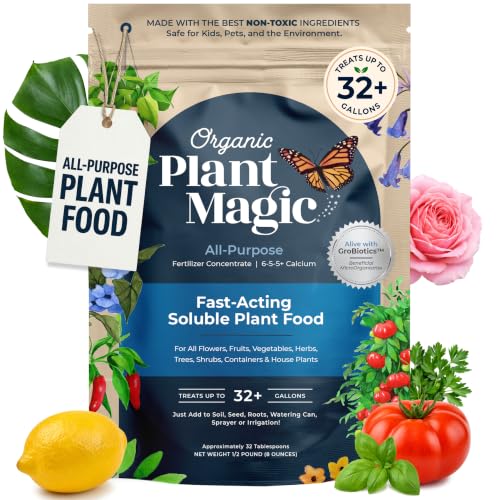
Organic Plant Magic Plant Food

Organic Plant Magic Truly Organic Slow-Release Granular Fertilizer, 4 lb Bag

PlantBest Coco Peat Garden Soil
More Details On Our Top Picks
Repotting day exposes problems that a top layer of soil can hide. This concentrate is designed to support water movement, nutrient retention, and root recovery after transplanting, which makes it relevant to container gardens, flowers, lawns, and newly moved plants.
A biostimulant is a material intended to improve how plants use nutrients or handle environmental stress. You add 3 ounces per gallon of water, shake the container, and apply every two to four weeks, so the product suits gardeners who want a straightforward addition to an established watering routine.
Where It Helps
- The fulvic and humic components are formulated to support nutrient availability and retention in soil.
- Its liquid format mixes into irrigation water, avoiding the need to mix a new potting medium.
- The product is OMRI listed for organic production use.
- Its uses include seed starting, propagation, transplanting, and routine plant care.
Things To Consider
- This is a soil conditioner and biostimulant, not a complete growing medium for filling pots.
- The 60-ounce bottle needs upright storage away from temperature extremes and direct sunlight.
Key Specs
Who It Suits Best
Container gardeners and lawn maintainers benefit most from this option when their existing soil and watering routine need support.
Where Another Pick Suits Better
Gardenera Horticultural Organic Vermiculite, Medium Grade, 5-Quart suits gardeners who specifically need a dry amendment to improve drainage and aeration.
Waterlogged pots leave less oxygen around the roots, while dense potting mixes can become difficult to rewet. Vermiculite is a lightweight mineral amendment that supports drainage, aeration, and some water retention, giving container gardeners another tool alongside the liquid conditioner from Nature’s Wonder.
The medium grade fits seed starting, cuttings, orchids, hydroponics, terrariums, raised beds, and container mixes. For an apartment gardener working with limited storage, a 5-quart bag is easy to carry and portions into several pots without taking over a closet shelf.
Positive Points
- Adding vermiculite to dense soil creates more space for air and water to move through the root zone.
- Its lightweight character is useful when you carry potting materials from a storage area to a balcony.
- One material supports seed starting, rooted cuttings, and established container plants.
- The non-toxic composition is suitable for indoor and outdoor gardening tasks.
Trade Offs
- Vermiculite is an amendment rather than a ready-to-use potting mix, so you combine it with another medium.
- Its water-retention behavior means that watering frequency still depends on the plant, pot size, and the surrounding mix.
At A Glance
The Right Fit
Balcony growers and propagation hobbyists benefit most from this option when their priority is airflow and manageable drainage.
A Better Fit Elsewhere
Organic Plant Magic Compressed Potting Soil, 4x Expansion, Coir & Worm Castings better serves people who want a complete compressed medium rather than a separate mineral amendment.
A bulky bag of potting soil can monopolize the corner of a garage until the next project comes around. This compressed option expands up to four times after mixing with water and can produce as much as 3 gallons of growing medium, which is useful for shelves, apartments, and seasonal containers.
Coir is the fibrous material recovered from coconut husks, while worm castings provide a familiar organic component. Compared with Gardenera’s loose vermiculite, this option occupies far less room before use and comes with plant food already included, so you can pot a group of houseplants without assembling a separate blend.
What Makes Sense
- The compact bag is easy to carry and store between repotting sessions.
- Water expands the material up to four times, reducing the space required for unfinished soil.
- Coconut coir and worm castings provide a complete-looking base for container plants.
- The resealable package helps protect unused material after expansion.
Minor Gripes
- You need to prepare the expanded material before potting, so it is not an instant-use option.
- The 3-gallon maximum expansion is better suited to small projects than large raised beds.
Built With In Mind
Apartment dwellers and occasional plant keepers benefit most from the compact package and simple water-expansion process.
Consider Something Else When
PlantBest Coco Peat Garden Soil better serves gardeners who need a much larger expanded volume for raised beds or multiple containers.
Good soil supplies support, but plants still need nutrients as they grow. This water-soluble plant food concentrate fits a mixed household garden where houseplants, herbs, flowers, vegetables, fruit, and trees all need feeding, and the flexibility of liquid application makes it easier to treat them through one routine.
A half-pound package makes more than 32 gallons of liquid plant food when diluted, so the concentrate can cover repeated feedings without requiring a separate product for every plant category. Unlike the compressed potting soil from Organic Plant Magic, this item feeds plants without replacing their growing medium.
Where It Excels
- One water-soluble food covers a wide range of indoor and outdoor plants.
- The concentrated format makes measured liquid feedings convenient for routine watering.
- A half-pound package yields more than 32 gallons of diluted plant food.
Worth Noting
- This is fertilizer, not a soil amendment or potting medium.
- Your watering can needs enough capacity to dilute and distribute the feed evenly.
Quick Facts
Who Will Love This
Houseplant owners and mixed-garden growers benefit most from one simple liquid feed across several kinds of plants.
Reach For A Different Pick When
Organic Plant Magic Truly Organic Slow-Release Granular Fertilizer, 4 lb Bag better fits gardeners who prefer top-dressing beds and containers instead of preparing liquid feed.
Watering every plant with a liquid feed gets tiring once a garden contains dozens of pots, flowers, and vegetables. Slow-release granules are designed to release nutrients gradually, making this dry option a practical alternative to mixing diluted fertilizer for every watering cycle.
You can place granules in planting holes, mix them into soil, or spread them across the surface with your hand or a spreader. Compared with Organic Plant Magic Plant Food, the main difference is application style, with this option serving outdoor beds, container plants, fruit trees, shrubs, and houseplants through a granular routine.
Useful Touches
- Granules can be mixed into potting soil during the planting process.
- Top-dressing lets you apply the product without disturbing the entire root area.
- The 4-pound bag provides more material for garden beds and multiple containers.
- Slow release suits plant types ranging from flowers and vegetables to trees and shrubs.
Possible Compromises
- Granular fertilizer requires even distribution to avoid concentrated patches near roots.
- It is less convenient for foliar feeding than the water-soluble alternative.
Made For
Gardeners with outdoor beds or a large collection of containers benefit most from a simple granular feeding method.
Swap It Out When
Organic Plant Magic Plant Food better serves indoor plant keepers who already dilute their routine watering and want more control over each liquid feeding.
Large containers and raised beds can consume more potting soil than you expect. PlantBest uses a compressed 11-pound coconut coir block that expands to approximately 79 quarts, or 2.65 cubic feet, giving you a substantial volume without carrying several heavy soil bags into the garden.
The block is peat-free, triple-washed, and described as low in salts. Those details matter for gardeners seeking a lighter alternative to dense peat-based mixes, while the 79-quart result makes this a more practical choice for larger projects than Organic Plant Magic’s smaller compressed package.
Features That Help
- One compressed block replaces the bulk of several conventional soil bags.
- The expanded volume supports multiple containers or a raised-bed project.
- Triple washing and low salt content suit gardeners attentive to growing-medium preparation.
- The peat-free coir format offers an alternative for people avoiding peat-based media.
- The lightweight block is easier to carry and position than loose, damp soil.
Details To Watch
- The block must expand with water before it can fill pots or beds.
- You need a container or bed with enough room to hold roughly 79 quarts after expansion.
Core Details
Whose Shelf It Belongs On
Container gardeners and raised-bed growers benefit most from the large expanded volume and compact pre-use storage.
Another Choice May Suit
Organic Plant Magic Compressed Potting Soil, 4x Expansion, Coir & Worm Castings better fits small spaces where you want a smaller batch with worm castings included.
What Matters in an Organic Soil Setup
Match the Product to the Job
A complete growing medium, soil amendment, and fertilizer perform different roles. Potting media fills the container and supports roots, vermiculite changes drainage and aeration, while liquid or granular plant food supplies nutrients. Choose based on the job your plants need rather than expecting one item to handle every stage.
Read the Material and Use
Coir comes from coconut husks and provides a lightweight base for containers. Vermiculite is a mineral amendment that improves pore space, while humic products are added to existing soil or irrigation water. Liquid concentrates suit measured watering routines, while slow-release granules are useful for top-dressing beds and containers.
Check Scale and Storage
Compressed products need room to expand, so compare their final volume with the number or size of your pots. A small compressed bag works well for occasional repotting, while a large block suits raised beds. Also account for a watering can or container large enough to hydrate the medium before use.
Common Sense for Soil Selection
Common Shopping Slip Ups
Do not treat fertilizer as potting soil, or assume a drainage amendment will provide everything a seed needs. Check whether the product is a complete medium, an additive, or plant food, then confirm that its expanded volume matches your project.
What Separates Premium From Basic
Premium options may cost more because of concentrated ingredients, larger compressed volumes, washing steps, or specialized organic inputs. The upgrade is worthwhile when you need a peat-free medium with higher expansion, a measured biostimulant, or a fertilizer designed to cover many plant types.
Frequently Asked Questions
Is organic soil the same as potting soil?
Organic soil and potting soil can overlap, but potting soil may also contain conventional ingredients. Check the material list and intended use before choosing either term.
Do soil conditioner and plant food do the same job?
A soil conditioner supports the medium’s physical and biological processes, while plant food supplies nutrients. Using both can be reasonable, but the soil type and current plant needs determine whether each serves a purpose.
Which option suits small-space container gardening?
Organic Plant Magic Compressed Potting Soil, 4x Expansion, Coir & Worm Castings fits small spaces because its package expands only after use. PlantBest Coco Peat Garden Soil offers more final volume for larger projects.
Can vermiculite be used for orchids and hydroponics?
Gardenera Horticultural Organic Vermiculite, Medium Grade, 5-Quart is listed for orchids, hydroponics, terrariums, propagation, and container use. Its fit depends on the growing system and the proportions used in your mix.
How do compressed soil products expand?
Water loosens the compressed coir material, causing the block to increase in volume. Use a container with enough space for the expanded medium and follow the product’s preparation directions before planting.
Final Verdict
Your strongest choice depends on the role: Nature’s Wonder conditions existing soil, Gardenera improves drainage, and the Organic Plant Magic products cover both feeding methods. PlantBest takes the lead for larger peat-free projects, while compressed coir makes small-space gardening easier. Match the product to the problem, and your soil routine becomes much more manageable.
