

Aphids gathering beneath tomato leaves can turn a promising vegetable patch into a frustrating chore overnight. Whether you tend a few raised beds, manage a larger edible garden, or move plants between a patio and a greenhouse, reliable pest control depends on matching the formula to the crop, season, and insects you are dealing with.
These six options cover different needs, from contact sprays for common garden pests to dormant oil for fruit trees and plant food that supports healthy growth. Some are explicitly marketed for organic gardening, while others require closer label checks before you apply them around vegetables.
The Picks In Brief

Garden Safe Insect Killer 32 Oz

Natural Guard Spinosad Soap

Agrisel Bifenthrin Pro 7.9

Agrisel Zone Plus 128 Oz
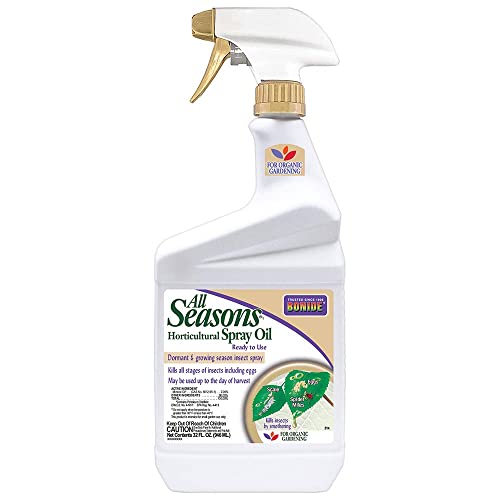
Bonide All Seasons Spray Oil

ARBER Plant Food Concentrate
More On The Choices That Made The List
For a mixed edible garden and a windowsill full of houseplants, this spray offers the most straightforward starting point. Its fast contact action targets listed pests such as aphids, tomato hornworms, and green fruitworms, which makes it more targeted than a general household insecticide.
The label allows use on vegetables, herbs, fruit and nut trees, ornamental plants, flowers, and houseplants. That range is useful for gardeners who do not want separate products for each growing area. For most backyard plots, the practical advantage is its stated use through the day of harvest, but following the product label remains essential.
Good Reasons To Consider
- Targets more than 100 listed insect pests across several plant types.
- May be applied to edible crops through the harvest day.
- Works on contact, which suits visible infestations.
- Serves vegetables, herbs, ornamentals, and houseplants.
- Permits use in homes, gardens, and home greenhouses.
Points To Note
- The broad pest list does not mean every insect responds in the same way, so identify the problem before spraying.
Key Specs
Made For
This option suits home gardeners who want one contact spray for edible crops, ornamentals, and houseplants.
Consider Something Else When
Bonide All Seasons Spray Oil is a stronger fit for seasonal oil treatments on fruit trees and dormant or green-tip applications.
Where Garden Safe emphasizes the breadth of its listed pest coverage, Natural Guard focuses on foliage-feeding insects and a contact-oriented soap formula. It is intended for vegetables, crops, lawns, and outdoor ornamental plants, giving it a different angle within a mixed garden.
Spinosad is the active pest-control component, while the soap formulation helps it reach foliage pests on contact. The stated action begins within minutes, which is useful during a busy growing season. Complete spray coverage still matters, especially for spider mites and plants with dense leaf surfaces.
The Practical Payoff
- Targets foliage-feeding insects on vegetables and outdoor plants.
- Controls spider mites through direct contact.
- Ready-to-spray format saves preparation time.
Trade Offs
- Direct contact and complete coverage are central to the stated action, so spray placement needs care.
- The formula is listed for outdoor residential areas, vegetable gardens, and non-commercial greenhouses rather than indoor rooms.
Feature Snapshot
Who Will Love This
This spray fits gardeners dealing with foliage pests across outdoor vegetables, lawns, and ornamental plantings.
Another Choice May Suit
Garden Safe Insect Killer 32 Oz offers a broader explicit use range that includes houseplants and edible crops through harvest day.
Agrisel Bifenthrin Pro 7.9 is the most conventional chemical insecticide in this group, rather than an explicitly organic-gardening product. Its active ingredient is bifenthrin, a synthetic pyrethroid, so it does not fit an organic-production program without the required label and regulatory guidance.
For outdoor landscaping, its broader role may still be useful. The manufacturer describes control across pests such as spiders, ants, fleas, mole crickets, and stink bugs, with use around lawns, ornamental plants, and agricultural settings. You need to read the current label before using it near anything you intend to harvest.
What Makes Sense
- Addresses several common lawn and landscape pests.
- Works across multiple outdoor environments.
- Comes in a one-gallon container for larger property applications.
- Uses a concentrated spray format rather than a ready-to-use formula.
Practical Considerations
- Bifenthrin is not presented as an organic-gardening active ingredient.
- Concentrates require accurate dilution and careful handling.
- Check crop, harvest, and site language on the label before treating edible plants.
The Right Fit
This option suits people managing broad outdoor pest pressure on lawns or ornamental areas who can follow conventional-product label requirements.
Skip It When
Natural Guard Spinosad Soap is the more suitable choice for gardeners who want a contact spray formulated for outdoor vegetables and foliage-feeding insects.
Zone Plus is built for a different kind of pest-control job: protecting spaces around the home rather than concentrating on a raised vegetable bed. The manufacturer positions it for indoor and outdoor use around structures, including areas where bees, wasps, ants, spiders, and roaches may be present.
Its 128-ounce size reduces the need for repeated smaller containers, particularly for someone treating a sizable property or several perimeter zones. The eco-friendly positioning is appealing, but that wording does not by itself establish suitability for edible crops or a particular organic standard.
Bright Spots
- Handles both indoor and outdoor pest-control areas.
- The 128-ounce container suits larger treatment areas.
Potential Drawbacks
- Its perimeter and structural focus is less aligned with routine vegetable-bed care.
- Do not assume the eco-friendly claim covers edible-crop use.
- Confirm the active ingredient, application sites, and harvest language on the label.
Built With In Mind
This option suits households managing insects around home interiors, exterior spaces, and larger surrounding areas.
A Better Fit Elsewhere
Garden Safe Insect Killer 32 Oz is the clearer match for edible crops, houseplants, and home greenhouses.
Bonide takes a seasonal approach with horticultural oil rather than a broad contact spray. It can serve as a growing-season treatment, a dormant spray for plants without leaves, or a delayed dormant treatment at the green-tip stage. That flexibility makes it especially relevant to fruit trees and shrubs managed throughout the year.
The listed targets include overwintering eggs associated with red spiders, scale insects, aphids, bud moths, leaf rollers, whiteflies, and mealybugs. The key trade-off is timing, since the product’s role changes with plant growth stage.
The Value In It
- Works across growing, dormant, and delayed dormant stages.
- Targets numerous pests associated with trees and shrubs.
- Offers a useful seasonal alternative to contact insecticides.
Details To Watch
- Application timing must match the plant’s growth stage.
- Not every plant or pest combination appears in the same product category, so check the label carefully.
Quick Facts
Made For
This oil is suited to orchard-minded gardeners who plan treatments around dormant, green-tip, and growing-season stages.
Reach For A Different Pick When
Natural Guard Spinosad Soap suits vegetables and lawns facing active foliage-feeding pests rather than seasonal tree care.
Plant food does not control insects directly, so ARBER belongs in this list as a preventive and supporting choice rather than a pesticide. Its liquid concentrate is designed for houseplants and garden plants, making it useful for maintaining vigorous growth through repotting, flowering, and stressful growing conditions.
The manufacturer describes biofermentation that unlocks plant nutrients, with a formulation intended for rapid uptake and a light rosemary aroma. For most indoor collections, the practical benefit is a single concentrate for both houseplants and outdoor plants, provided you follow the feeding and dilution directions.
Strengths Worth Knowing
- Supports houseplants and garden plants in one concentrate.
- Liquid format suits regular feeding routines.
- Can complement plant care after repotting or during stress periods.
Small Caveats
- It cannot replace a pest-control treatment for an active infestation.
Technical Sheet
Who Should Grab It
This concentrate suits plant keepers who want an approachable feeding routine for mixed house and garden collections.
Where A Sibling Pick Shines
Garden Safe Insect Killer 32 Oz is the appropriate choice when you need direct contact control for listed pests on edible crops.
What To Check Before You Treat Your Edible Garden
Match the Formula to the Pest
Start with the insect you can actually identify. Aphids, spider mites, caterpillars, and scale insects behave differently, so a product that mentions one group may not suit another. The broad Garden Safe range works best when your situation falls within its listed targets.
Confirm Crop and Harvest Use
Organic gardening does not mean every product belongs in the bed. Check that the label names vegetables or the crop you are treating, along with any harvest interval. Items explicitly marketed for organic production, including Bonide All Seasons Spray Oil and Garden Safe Insect Killer 32 Oz, provide a clearer starting point than a general household formula.
Consider the Plant and Season
Dormant oil works around a seasonal window, while contact sprays fit active foliage problems. Bonide requires attention to plant stage, and Natural Guard Spinosad Soap is built for outdoor residential use. A product that is excellent on a lawn may be unnecessary around a small vegetable bed.
Think About Coverage and Handling
Ready-to-use sprays simplify application, while concentrates require measured dilution. Complete coverage can affect contact products, and larger containers need suitable storage. Think about both the treated area and the space available for storing the product.
Practical Lessons Before You Spray
Mistakes Worth Dodging
Do not select a pest product solely because it sounds natural or eco-friendly. Confirm the crop, pest, application site, and harvest language first. Applying a broad household formula around vegetables without checking its label can leave you with an unsuitable treatment.
Where The Extra Money Goes
Larger containers may be useful for broad property coverage, while seasonal oils and specialized formulations serve narrower tasks. You pay for features that matter to your site, such as broader coverage, multiple use areas, or a convenient application format. The upgrade is worthwhile when it matches the scale and pests you actually manage.
Frequently Asked Questions
Which product is designed for organic vegetable gardening?
Garden Safe Insect Killer 32 Oz is explicitly marketed for organic gardening and lists vegetables among its use areas. Bonide All Seasons Spray Oil also carries organic-gardening positioning, particularly for seasonal treatments.
What should I use for spider mites on outdoor vegetables?
Natural Guard Spinosad Soap lists spider mites among its targets and is intended for outdoor residential areas and vegetable gardens. Apply it according to the label and ensure the spray reaches the affected foliage.
Is a one-gallon concentrate convenient for a small garden?
A one-gallon container may offer more than a small bed requires, especially because concentrates require measured dilution. Natural Guard Spinosad Soap is a ready-to-spray alternative for smaller outdoor vegetable plots.
Can plant food replace insecticide?
No. ARBER Plant Food Concentrate supplies nutrients but does not control insects directly. It can support plant care alongside a pest-control program rather than serve as the treatment for an active infestation.
Which option suits fruit trees best?
Bonide All Seasons Spray Oil is designed for growing-season, dormant, and delayed dormant applications on trees and shrubs. Match the application timing to the plant’s growth stage and follow the current label.
Final Verdict
Garden Safe Insect Killer 32 Oz is the most versatile fit for a mixed edible garden and houseplant collection, while Natural Guard Spinosad Soap handles active outdoor foliage pests. Bonide All Seasons Spray Oil adds seasonal tree care, and ARBER supports healthier plants without replacing direct pest control. Read each label, match it to the crop and season, and keep the treatment narrow enough for the problem you actually have.
