

You can spot a struggling vegetable bed from weak growth, tired soil, or a harvest that never quite develops. Choosing organic manure for vegetables becomes easier when you separate soil-building amendments from concentrated plant foods, then match the product to the bed, container, or season. These six options cover root-focused feeding, compost-based nutrition, worm castings, liquid concentrate, slow-release granules, and expandable coir for a practical patch, pot, or full garden.
A Side-By-Side Look

Rootblast Plant Food 30lb

Sustane Plant Food 20 lb
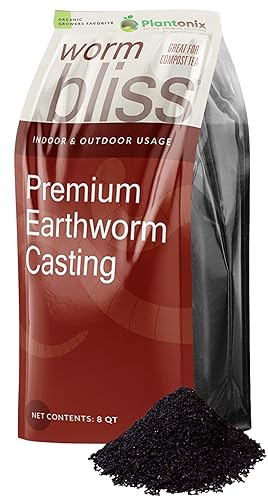
plantonix Worm Bliss 8-Qt Organic Worm Castings for Plants & Potting Soil
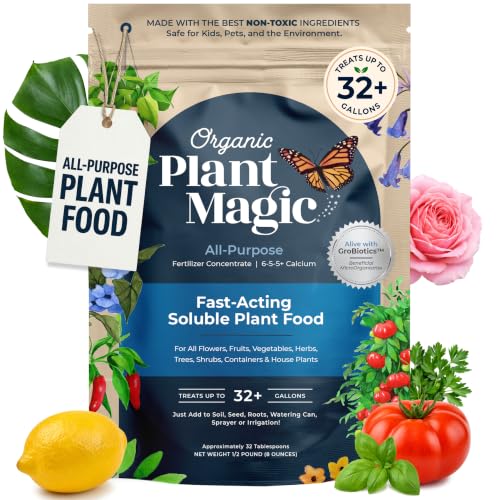
Organic Plant Magic 1/2 lb

Organic Plant Magic Truly Organic Slow-Release Granular Fertilizer, 4 lb Bag

Back to the Roots Coir 51-Qt Soil
More On The Choices That Made The List
Rootblast Plant Food 30lb centers the growing season on roots, a useful focus for vegetable gardeners working with annuals and transplants. The listed routine calls for one scoop once per season, so measuring the application matters more than managing repeated feedings.
Each plant receives 1½ teaspoons, and the bucket covers up to 3,000 plants. Root-zone feeding means placing nutrients in the soil area where roots can reach them, giving this option a different role from Sustane Plant Food 20 lb and its broader soil preparation.
Notable Gains
- One seasonal application simplifies feeding for annual and perennial beds.
- The root emphasis suits gardeners establishing transplants or supporting annual vegetables.
- Application works across flowers, shrubs, trees, bulbs, and houseplants.
- The 30-pound format supports a substantial mixed garden.
Trade Offs
- This is a concentrated plant food rather than a bulk manure, so beds needing added organic matter require a separate amendment.
Key Specs
Made For
You benefit most from Rootblast Plant Food 30lb when you manage a large mixed garden and want a measured feeding schedule for many plant types.
A Better Fit Elsewhere
Sustane Plant Food 20 lb suits you better when your bed needs compost-based soil conditioning alongside a broad nutrient supply.
Sustane Plant Food 20 lb combines plant nutrition with soil preparation. Its compost-based formula provides all 17 essential plant nutrients, including trace elements, while also supporting soil structure and a wider variety of soil microorganisms.
That dual role makes this option useful for new beds and established vegetable plots. Compared with Rootblast Plant Food 30lb, Sustane places more emphasis on conditioning the overall bed rather than delivering a measured seasonal scoop around individual plants.
Good Reasons To Consider
- Broad nutrient coverage suits mixed vegetables and flowers.
- The compost base brings conditioning and feeding into one routine.
- Improved soil structure supports a more useful growing environment over time.
Worth Noting
- A 20-pound dry bag needs more storage space than the smaller concentrate and expanded coir block.
- General-purpose feeding still calls for careful label-directed application around individual crops.
At A Glance
The Right Fit
Sustane Plant Food 20 lb fits you best when you prepare mixed beds and want a compost-based product that handles both soil structure and plant nutrition.
Consider Something Else When
Rootblast Plant Food 30lb suits you better when you want one measured seasonal application centered on individual root zones.
plantonix Worm Bliss 8-Qt Organic Worm Castings for Plants & Potting Soil takes a soil-building approach. Finished worm castings contain nitrogen, phosphorus, potassium, and trace minerals, giving you both an amendment and a source of plant nutrition.
You can mix the castings into potting soil or work them into a bed for vegetables, flowers, and indoor plants. Unlike Sustane Plant Food 20 lb, Worm Bliss is measured by volume, so compare the quantity with your potting and mixing needs before choosing.
Positive Takeaways
- Castings fit naturally into potting blends and garden soil preparation.
- The nutrient content covers primary plant nutrients and trace minerals.
- OMRI-listed status gives you a clear standard to consider when organic sourcing matters.
- The material is described as natural, vegan, and manure-free.
Small Caveats
- Worm castings act as an amendment, so label guidance matters when combining them with concentrated plant foods.
Who Should Grab It
You benefit most from Worm Bliss when building container mixes or improving soil that must support vegetables, flowers, and houseplants in the same pots.
Another Choice May Suit
Organic Plant Magic 1/2 lb suits you better when you want a water-soluble feed for routine watering rather than a solid soil amendment.
Organic Plant Magic 1/2 lb is a water-soluble concentrate, meaning you dissolve the fertilizer in water before applying it. You can use the resulting liquid on vegetables, flowers, herbs, fruit plants, trees, gardens, and houseplants.
One half-pound bag makes more than 32 gallons of liquid plant food, giving compact gardens considerable feeding volume. Unlike Rootblast Plant Food 30lb and its dry scoop application, this option adds dilution and a watering can to your routine.
Useful Touches
- The prepared volume provides substantial coverage from a small package.
- One liquid format serves both indoor containers and outdoor beds.
- The compact bag stores easily in a utility closet or garden shed.
Points To Note
- Liquid feeding requires accurate dilution and a regular application schedule.
- Gardeners who prefer one dry seasonal scoop will find the watering routine less convenient.
Quick Facts
Best Suited To
You benefit most from Organic Plant Magic 1/2 lb when you already water your plants regularly and want one liquid food for a balcony, patio, or mixed home garden.
Look Elsewhere When
plantonix Worm Bliss 8-Qt Organic Worm Castings for Plants & Potting Soil suits you better when you want to blend a solid amendment into potting soil.
Organic Plant Magic Truly Organic Slow-Release Granular Fertilizer, 4 lb Bag fits a hands-on but low-fuss garden routine. Slow release means the granules feed gradually rather than behaving like a liquid applied during each watering.
You can add the granules to planting holes, mix them with soil, top-dress by hand, or spread them across a bed. That flexibility suits vegetable gardens, flowers, fruit trees, shrubs, and houseplants without changing products for every growing area.
The Helpful Details
- Granules support planting-hole, soil-mixing, and top-dressing methods.
- Gradual feeding suits gardeners who prefer fewer application moments.
- The all-purpose format handles both indoor and outdoor planting areas.
- Hand application works well in small spaces without a large spreader.
Possible Compromises
- Gradual release is less suited to a quick response than a diluted liquid feed.
Who Will Love This
You benefit most from this Organic Plant Magic granular fertilizer when you maintain several types of plants and want a straightforward top-dressing routine.
Where A Sibling Pick Shines
Organic Plant Magic 1/2 lb suits you better when regular watering can deliver a measured liquid feed directly to container plants.
