

A seed tray can look crowded while individual seedlings remain underfed. You need nutrients that suit their small root systems, a growing medium that holds the right balance of moisture and air, and a feeding method you can manage without overdoing it. The six options below cover solid amendments, concentrated powders, liquid plant food, kelp supplements, and seed-starting coir.
A Fast Comparison Of The Options
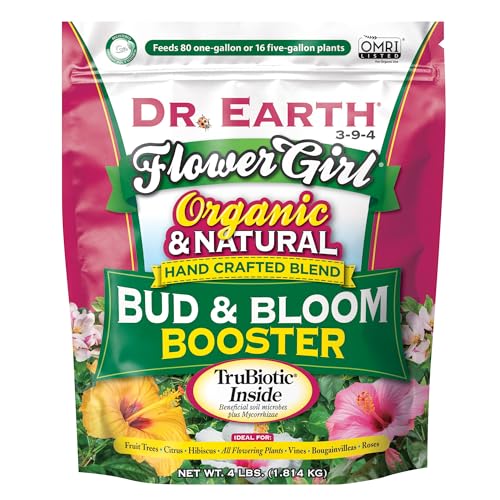
Dr. Earth 707P Organic Bud & Bloom 4 lb
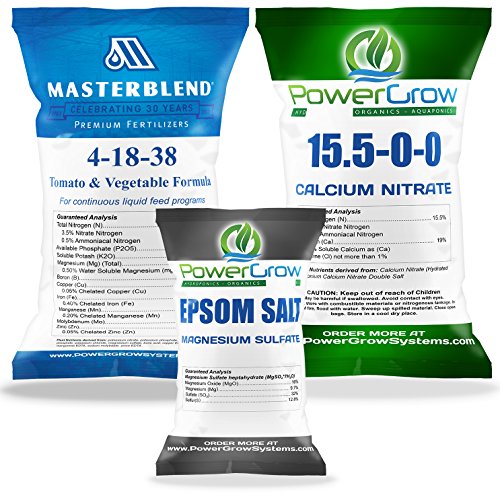
MasterBlend 4-18-38 Set

BuildASoil Premium Organic Earthworm Castings for Indoor and Outdoor Plants, 2 Gallons

Neptune’s Harvest Fish & Seaweed Liquid Fertilizer 2-3-1, 36 oz Bottle

Smart Grower Sea-Kelp 2oz Pouch

Back to the Roots Coir 51 Quart
A Breakdown Of The Leading Choices
Dr. Earth 707P makes more sense for bulbs, tubers, corms, rhizomes, and plants moving toward flowering than for a basic indoor seed tray. Its blend of fish bone meal, alfalfa meal, feather meal, soft rock phosphate, and mined potassium sulfate supplies a broader range of plant nutrients while feeding continues for several months.
The distinctive addition is a group of mycorrhizae, fungi that associate with plant roots and improve access to water and nutrients. For gardeners raising flowering crops in containers or raised beds, that root-focused approach carries more relevance than it does for a quick crop of lettuce seedlings.
Everyday Advantages
- Eight ectomycorrhizal and endomycorrhizal strains support root activity and nutrient access.
- Works with bulbs, tubers, corms, rhizomes, and flowering plants.
- Ingredients are described as 100 percent natural and organic.
- Contains no GMOs, chicken manure, or sewage sludge.
Trade Offs
- The four-pound package may sit unused on a small windowsill setup.
- Its flower-oriented purpose makes it less natural for seedlings that need only steady vegetative growth.
Key Specs
Made For
You will benefit most from this blend when raising flowering bulbs or tubers in containers, raised beds, or established garden soil.
Look Elsewhere When
Back to the Roots Coir 51 Quart is a better fit for starting seeds in a compact, soilless medium.
MasterBlend takes a measured approach by providing three separately identified nutrient components in their intended proportions. The 4-18-38 blend supplies phosphorus and potassium, while calcium nitrate adds nitrogen and calcium, and Epsom salt supplies magnesium sulfate for root-zone use.
All three components dissolve in water, which makes this kit practical for controlled feeding programs. Compared with Dr. Earth 707P’s slow, broad feeding approach, MasterBlend offers more direct control over nutrient concentration and timing.
Notable Gains
- Combines base fertilizer, calcium nitrate, and Epsom salt in one kit.
- Water-soluble powders simplify measured mixing.
- The component ratio supports repeatable feeding recipes.
- Useful across controlled horticulture and bloom-stage feeding.
- The 12.5-pound package suits larger batches.
Practical Considerations
- Accurate measuring is important with concentrated components.
- The bulk format needs dry, secure storage.
- Its bloom-oriented analysis is not the first choice for every young plant.
Technical Sheet
Right Fit For
This kit suits experienced growers who prepare measured nutrient solutions for flowering plants and larger cultivation areas.
Where A Sibling Pick Shines
Neptune’s Harvest Fish & Seaweed Liquid Fertilizer is easier for routine feeding of mixed indoor and outdoor seedlings.
BuildASoil worm castings bring a different approach to seed starting: they amend the growing medium rather than arrive as a measured liquid feed. The two-gallon quantity is useful for mixing into potting soil, top-dressing raised beds, or improving an indoor growing mix before transplanting.
For gardeners who want organic matter in their medium, the screened, evenly moist castings are easy to incorporate. Their solid form means mixing is part of the process, unlike the ready-to-dilute liquid Neptune’s Harvest formula.
What Earns Its Place
- Works for raised beds, vegetable gardens, and indoor plants.
- Can be blended into potting media before sowing.
- Also suits top-dressing around established vegetables.
- The two-gallon size is practical for container and bed projects.
Points To Note
- Unlike a water-soluble powder, castings need mixing into soil.
- Plan the quantity against your pot or bed volume to avoid leftovers.
Who Will Love This
You will appreciate this option when you frequently amend potting mixes or raised beds and prefer a solid organic material over liquid feeding.
Another Choice May Suit
Smart Grower Sea-Kelp 2oz Pouch is a better fit for adding a concentrated potassium supplement through irrigation water.
A liquid fertilizer makes regular feeding easier to spread across seed trays, houseplants, vegetables, flowers, fruit trees, and lawns. Neptune’s Harvest combines fish material at 75 percent with seaweed at 25 percent, giving you a convenient way to feed several kinds of plants with one bottle.
The 2-3-1 analysis places more emphasis on nitrogen and phosphorus than potassium. That balance can suit seedlings and leafy growth, although plants entering a flowering or fruiting stage may need a different nutrient profile.
A Strong Showing
- Liquid format allows controlled dilution and even application.
- Supports a wide range of indoor and outdoor plants.
- Fish and seaweed provide a rounded organic feeding source.
- The 36-ounce bottle suits regular household use.
Worth Noting
- Measure dilution carefully for small seed trays.
- The potassium level is lower than the nitrogen and phosphorus levels.
Quick Facts
The Right Fit
This bottle works well for home growers feeding a mixed collection of seedlings, houseplants, flowers, and vegetables.
Swap It Out When
MasterBlend 4-18-38 Set is a better fit for experienced growers who need separately measured calcium and magnesium components.
Smart Grower concentrates its Maine-harvested kelp into a 2-ounce pouch that can make up to 50 gallons of feed. That scale is attractive for a gardener with many containers, a greenhouse, or a routine irrigation schedule that already handles other nutrients.
The kelp comes from Ascophyllum nodosum and supplies seaweed compounds alongside 0-0-18 soluble potash. Unlike Neptune’s Harvest’s fish-and-seaweed blend, it is designed as a specialized potassium and seaweed addition rather than a broad plant food.
Points In Its Favor
- Two ounces produce a large batch of treated irrigation water.
- Concentrated powder simplifies storage and measuring.
- Kelp-derived material suits indoor and outdoor growing areas.
- Useful for growers who already manage nitrogen and phosphorus separately.
Possible Compromises
- It does not provide nitrogen or phosphorus in its 0-0-18 analysis.
- Seedlings still need a suitable base feeding program.
Built With In Mind
You will find this pouch useful when you maintain a precise feeding schedule and want to add potassium-rich kelp across many pots.
Reach For A Different Pick When
Neptune’s Harvest Fish & Seaweed Liquid Fertilizer is a better fit for routine feeding that needs both nitrogen and potassium.
Back to the Roots is the practical starting point for a seed tray, not another bottle of nutrients. The organic coconut coir expands after watering into a light growing medium designed for seeds, potting, and indoor or outdoor cultivation.
Coir retains moisture while leaving room for air around young roots, which gives seedlings a more controlled environment than a dense garden soil. It also solves the storage problem posed by a loose, damp medium.
Positive Points
- Expands from a compact block for easier storage.
- Designed specifically for seed starting and potting.
- Combines moisture retention with aeration for young roots.
- Suitable for indoor and outdoor growing.
Small Caveats
- Coir is a growing medium, so it does not replace crop-specific feeding.
- Expansion takes up more room than the dry block suggests.
Core Details
Best Suited To
This coir suits beginners, apartment growers, and anyone starting seeds without handling large bags of potting soil.
Consider Something Else When
BuildASoil Premium Organic Earthworm Castings for Indoor and Outdoor Plants, 2 Gallons is a better fit when you want to enrich potting media with a solid organic amendment.
What Seedlings Actually Need From Their Feed
Match the fertilizer to the growth stage. Nitrogen primarily supports leafy growth, phosphorus contributes to root and flower development, and potassium helps manage plant vigor and water movement. Seedlings generally need a gentler, balanced approach than mature plants entering bloom, so read the N-P-K numbers before mixing anything.
Choose a form you can measure consistently. Liquid feeds are convenient for small trays, soluble powders offer precise control, and solid amendments are easier to incorporate into potting mixes. Your watering habits matter as much as the container, since concentrated products become risky when application is inconsistent.
Account for the growing medium. Coir and sterile potting mixes begin with fewer stored nutrients than garden soil. A seed starter using coir may need an appropriate feed sooner, while plants in amended garden soil may receive more from the surrounding soil.
Check the label and storage needs. Concentrated nutrients require accurate measurement, and open powders need a dry, sealed home. Organic describes how ingredients are sourced or processed; it does not guarantee a particular nutrient analysis, so your plants’ stage and the label remain your guide.
A Few Details That Shape Your Choice
Mistakes Worth Dodging
Avoid feeding a dry root system or mixing concentrated nutrients directly against tender roots. Measure from the label, dilute before application, and keep a simple record of what you use. A crowded seed tray can hide uneven watering, so inspect the medium rather than judging moisture from the surface alone.
What Separates Premium From Basic
Higher-tier products may add multiple microbial strains, separate nutrient components, or concentrated seaweed material. Those extras suit growers who value precision or have a large planting area, while a simple coir medium or straightforward liquid food remains easier for small projects.
Frequently Asked Questions
Can organic fertilizer burn seedlings?
Yes, concentrated organic products can still damage tender roots. Apply them at the labeled rate and use a consistent watering routine.
Is fish emulsion better than kelp for seedlings?
Fish emulsion supplies more nitrogen, while kelp with a 0-0-18 analysis mainly supplies potassium. Your plants’ growth stage and existing feeding program determine which fits better.
Do seedlings need fertilizer immediately after germination?
Not always. Seedlings emerging from nutrient-rich soil or amended mixes may develop on stored nutrients, while coir and lean mixes usually benefit from a carefully measured feed.
How often should I feed seed trays?
Feed according to the product directions and the plant’s growth stage. Young seedlings generally need smaller, more controlled applications than mature container plants.
Can I mix worm castings into seed-starting coir?
Yes, castings can be incorporated into potting media for additional organic matter. Mix them evenly and adjust the amount so the medium does not become overly dense.
Final Verdict
Dr. Earth 707P suits flower and bulb growers, MasterBlend gives experienced growers precise nutrient control, and BuildASoil supports organic soil building. Neptune’s Harvest handles routine liquid feeding, Smart Grower adds a concentrated kelp supplement, and Back to the Roots coir provides a clean starting medium. Match the format to your setup, follow the measurements, and let the plant’s stage guide each feeding.
