Fruit trees rarely need more fertilizer, but they do need the right balance at the right time. A backyard grower nurturing a single apple tree has different needs from someone tending a row of blueberries, citrus, or young ornamental trees, and the label matters more than the bag size. This guide compares six options by nutrient profile, application method, soil preferences, and the kinds of fruit trees each formula serves best.
This loose, soil-applied fertilizer suits a small orchard bed or a container-grown fruit tree where you want a straightforward way to support growth and fruiting. Its 3lb bag covers up to 61 square feet, making it easier to manage than a large product.
The 7-7-7 profile includes 5.25% slow-release nitrogen, along with phosphate and calcium. Compared with the later spike options, it offers a broader nutrient balance and works both in-ground and in containers, though spreading and watering take more effort.
Real Benefits
✓The balanced 7-7-7 formula supports growth, flowering, and fruit development rather than emphasizing a single nutrient.
✓Slow-release nitrogen provides a steadier feeding approach than a product that acts more quickly.
✓Application suits both raised beds and container plants, including compact fruit-tree setups.
✓A 3lb bag provides stated coverage of up to 61 square feet for small to medium garden areas.
Things To Consider
•The bag’s stated coverage means larger orchards will need several bags, so ground area should guide the quantity.
•It is a granular application that requires spreading and watering rather than the placement convenience of a spike.
You will get the most from this option when tending one or two fruiting plants in a small bed or container and prefer granular feeding.
A Better Fit Elsewhere
Large properties with established fruit trees may find Winchester Gardens Fruit and Citrus Spikes 8-18-18 easier to place around individual root zones.
Blueberries need different care from apples, pears, or citrus, and this fertilizer is built for plants that favor low-pH soil. It is a stronger fit for blueberry beds, azaleas, and rhododendrons than for a general fruit orchard.
Unlike True Organic Bone Meal’s broad 7-7-7 approach, Happy Frog centers on slow-release feeding for acid-preferring plants. Mycorrhizal fungi and soil microbes add a biological angle, while its OMRI-listed identity may suit gardeners following organic production standards.
Strong Points
✓Slow-release feeding gives acid-loving plants an extended supply of nutrients.
✓Mycorrhizal fungi form beneficial associations with plant roots, while soil microbes contribute to the root environment.
✓The formula targets blueberries, azaleas, rhododendrons, and other plants adapted to low-pH soil.
Points To Note
•Its specialty purpose makes it a poor general substitute for a fruit tree that does not prefer acidic soil.
•The 4lb package is designed for a defined group of plants, so check the plant list before buying for a mixed orchard.
Feature Snapshot
Feature
Specification
Why It Matters
Plant focus
Low-pH-loving plants
Matches blueberries, azaleas, and rhododendrons
Package and listing
4lb, OMRI Listed
Fits the needs of certified-organic growers and specialty beds
Right Fit For
Home growers with blueberry bushes or other acid-preferring fruit plants benefit most from this specialized feeding approach.
Another Choice May Suit
True Organic Bone Meal 3lb Bag is the better fit for mixed beds containing fruit trees that do not require acidic soil.
Blood meal is a focused nitrogen source, and that narrow purpose makes it useful when a fruit tree needs support for vigorous leafy growth or deep green foliage. It can serve flowers, vegetables, trees, and shrubs without the broader mineral blend found in bone meal.
The 12-0-0 label means nitrogen is the only listed primary nutrient. That matters for your decision: compared with FoxFarm Happy Frog Acid-Loving Fertilizer, Espoma does not provide the same slow-release, low-pH positioning, so your soil type and the nutrient balance of the tree become central.
Practical Advantages
✓Concentrated nitrogen gives you a targeted option for seasonal green growth.
✓The formula contains all-natural domestic blood meal without fillers or additives.
✓It works across trees, shrubs, flowers, and vegetables, making it practical for a mixed garden.
✓Spring and fall application periods align with common seasonal maintenance routines.
Worth Noting
•A 12-0-0 analysis supplies no listed phosphate or potassium, so it cannot serve as a complete fruit-tree feeding program by itself.
•Application requires sprinkling the material onto soil and watering it in, which adds a step compared with placing a spike.
Who It Suits Best
Gardeners managing a mixed landscape will appreciate the flexibility, especially when the main goal is to add nitrogen during active growth.
Consider Something Else When
Blueberry growers should choose FoxFarm Happy Frog Acid-Loving Fertilizer 4lb for its low-pH focus and slow-release approach.
For an evergreen tree or shrub, convenience is the central advantage of these pre-measured spikes. You place the fertilizer near the root area instead of spreading a granular product across the soil, which keeps application tidy around mulch beds and ornamental plantings.
The 12-10-10 analysis supplies equal nitrogen and phosphate with potassium, while slow-release nitrogen extends the feeding period. Compared with Espoma Organic Blood Meal Fertilizer, this option offers a broader nutrient profile and less spreading, but its intended strength lies with evergreen plants rather than fruiting crops.
The Value In It
✓Pre-measured spikes remove the need to estimate a loose fertilizer quantity for each plant.
✓Slow-release nitrogen supports an extended feeding period for established evergreens.
✓The no-mess format is useful where runoff would scatter granules or where neat application matters.
✓The label describes the spikes as child- and pet-friendly, which suits active household gardens.
Practical Considerations
•This formula is specialized for evergreen trees and shrubs, so it should not replace a fruit-specific nutrient plan.
•Spikes require suitable soil placement around each plant, so container-grown specimens need a different setup.
Technical Highlights
Feature
Specification
Why It Matters
Analysis
12-10-10
Provides a broader nutrient balance than blood meal
Count
70 spikes
Supports repeated feeding across numerous plants
Timing and release
Spring or fall, slow release
Extends nutrient availability through the season
Built With In Mind
Households with many evergreens will find the case format and pre-measured design especially practical for routine seasonal care.
Look Elsewhere When
Winchester Gardens Fruit and Citrus Spikes 8-18-18 make more sense for a tree whose primary purpose is fruit production.
This general tree and shrub formula handles a broader landscape than the fruit-specific spike, making it useful when you maintain several woody plants with different but related needs. The 15-10-9 analysis leans toward nitrogen while still including phosphate and potassium.
Compared with Winchester Gardens Evergreen Spikes 12-10-10, the nutrient balance supports more vigorous general growth rather than a specialized evergreen program. The dissolve-at-an-even-rate design provides continuous nourishment, and the pre-measured format keeps application manageable.
Notable Gains
✓A 15-10-9 ratio provides nitrogen-led support for overall tree and shrub growth.
✓The even-release design is intended to provide continuous nourishment over time.
✓Spikes simplify the process of feeding individual plants spread across a yard.
✓The no-mess format helps keep fertilizer out of mulched beds and away from surfaces.
Trade Offs
•Its general-purpose profile is less targeted than the 8-18-18 fruit and citrus formula for a tree grown primarily for harvest.
•Spikes work best where there is soil for placement, making them less convenient than granular soil amendments.
Whose Shelf It Belongs On
You will find this formula most useful when a yard contains several established trees and shrubs rather than one specialized fruit crop.
Where Another Pick Shines
Choose Winchester Gardens Fruit and Citrus Spikes 8-18-18 when your main goal is feeding apples, citrus, or another fruiting tree.
When fruit production is the main concern, a dedicated 8-18-18 formula gives this option a clear advantage over a general tree feed. The reduced nitrogen level is paired with more phosphate and potassium, matching the nutritional emphasis of a fruit and citrus program.
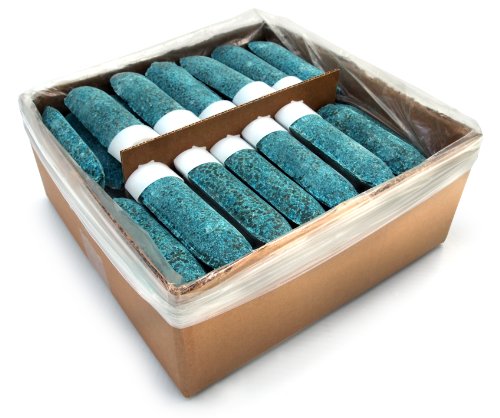
These spikes deliver slow-release macronutrients while pre-measuring each application, which keeps handling simple around established trees. Compared with True Organic Bone Meal 3lb Bag, you trade granular coverage and an explicit organic identity for targeted placement and a formula made specifically for fruit and citrus trees.
Noteworthy Benefits
✓The 8-18-18 analysis places greater emphasis on phosphate and potassium for fruiting plants.
✓Slow nutrient release supports the tree over an extended period.
✓Pre-measured spikes simplify application beneath established fruit trees.
✓The no-mess format is useful where scattered granules would be inconvenient.
✓A case of 70 spikes covers repeated seasonal care across multiple trees.
Details To Watch
•The lower nitrogen value may not suit a tree whose visible goal is primarily leafy growth.
•Spikes need workable soil placement, so this format may not suit a compact container setup.
Feature Card
Feature
Specification
Why It Matters
Analysis
8-18-18
Emphasizes phosphate and potassium for fruit crops
Quantity
70 spikes
Provides numerous pre-measured applications
Application
Slow release, no mess
Reduces spreading and cleanup
Household use
Child- and pet-friendly
Suitability for active family gardens
Best Suited To
Home growers with established apple, citrus, or similar fruiting trees get the most targeted benefit from this nutrient profile.
Swap It Out When
True Organic Bone Meal 3lb Bag is the better fit for container trees and gardeners prioritizing a 100% organic bone-meal material.
## Matching Fruit Tree Nutrition to Your Soil
### Read the NPK Ratio First
The three numbers on a fertilizer label represent nitrogen, phosphate, and potassium in that order. Nitrogen supports vigorous leafy growth, phosphate supports roots and reproductive development, and potassium contributes to overall plant vigor and fruit quality. The ratio shows proportion, not how much fertilizer you need, so your tree’s age, soil, and growth stage still guide the application rate.
### Match the Formula to the Tree
General fruit trees can use a balanced profile, while blood meal targets nitrogen and the FoxFarm formula serves plants that favor acidic soil. For fruiting trees, a higher phosphate and potassium ratio may be more relevant than a nitrogen-heavy product. A soil test gives you a much better starting point than choosing by the word “fruit” alone.
### Account for Application Practicalities
Granular products spread through soil and require watering, making them adaptable to beds and containers. Spikes offer more controlled placement around established trees and shrubs, but they need enough soil for proper positioning. Measure the area or count the trees before buying, since a bag sized for a small garden will not stretch far across a mature orchard.
## Shopping Lessons From Nutrient Labels
### Common Shopping Slip Ups
Avoid choosing solely by the word “fruit” on the front of a bag. Check the nutrient analysis, soil preference, and planting stage instead. A nitrogen-focused product, a low-pH formula, and a spike designed for established trees serve different purposes.
### What Separates Premium From Basic
Higher-tier products often provide clearer nutrient ratios, specialized ingredients, or more convenient application formats. The added value matters when it matches your soil and planting plan, not simply because a package carries a more elaborate label.
## Frequently Asked Questions
### What is the best organic fertilizer for fruit trees?
The best fit depends on the tree, soil, and nutrient balance rather than one universal formula. True Organic Bone Meal 3lb Bag offers a balanced 7-7-7 profile for general fruit growing, while the spike options target established trees more directly.
### Is bone meal good for fruit trees?
Bone meal can support flowering and fruiting with a balanced nutrient profile that includes phosphate and calcium. It works for both in-ground and container plants, so you can also use it on vegetables and flowering plants.
### When should fruit trees be fertilized?
Spring and fall are the most practical feeding periods for the seasonal products covered here. Apply according to the label and water granular products after spreading, since the tree’s age and current growth also affect how much nutrition it needs.
### Can blood meal replace a complete fruit tree fertilizer?
No, blood meal is a concentrated nitrogen source without listed phosphate or potassium. It fits a program focused on leafy growth but needs to be combined with other nutrients when your soil test shows a broader deficit.
### Are fertilizer spikes better than granular fertilizer?
Spikes are more convenient around established trees because they are pre-measured and create less mess. Granular products are more adaptable for containers, small beds, and precise soil-area coverage, so your planting setup determines which method makes more sense.
## Final Thoughts
The right choice comes down to your tree, soil, and preferred application method. True Organic Bone Meal offers a broad granular option, FoxFarm serves acidic-soil crops, Espoma supplies focused nitrogen, and the Winchester Gardens spikes simplify feeding established trees. Match the nutrient analysis to your needs rather than applying more fertilizer than the soil and tree can use.