

Tomato plants need warm soil, steady moisture, and room for their roots to spread, while peppers often prefer a slightly warmer root zone. Mulch can help with all three goals, especially in raised beds, garden rows, and containers where soil dries quickly. The right choice depends on whether you need a surface cover, a weed barrier, a soil amendment, or added nutrition.
The products below serve different parts of that process. Some protect the soil and suppress weeds, while others improve growing conditions or feed vegetables. Paying close attention to materials, coverage, and installation needs helps you select the right option for your garden.
The Shortlist At A Glance
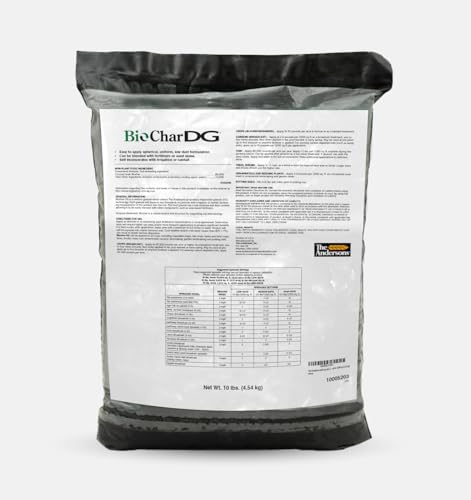
The Andersons BioChar DG Soil Amendment 10 lb

AGEGOMIC Biodegradable Heavy-Duty Paper Mulch 3 x 100 Ft

Espoma Organic Land and Sea Compost with Lobster and Crab Meal, 1 Cubic Foot

Down To Earth All Purpose Organic Fertilizer 4-6-2, 5 lb

AGEGOMIC Biodegradable Heavy-Duty Paper Mulch 4 x 100 Ft

Back to the Roots Organic Coconut Husk Mulch Block, 2 Cubic Feet
Biochar is a stable, carbon-rich soil amendment rather than a traditional layer of bark, straw, or chips. The Andersons BioChar DG fits tomatoes and peppers best when your goal is to improve the bed itself, retain more moisture, and create a more welcoming root zone over several seasons.
Its dispersible granule design sets it apart from AGEGOMIC paper mulch, which covers the soil instead. For most vegetable gardens, the Andersons option offers the broader long-term soil benefit, though it does not provide the same physical weed barrier.
What Pays Off
- The 10-pound bag covers as much as 5,000 square feet, making it practical for large beds and lawns.
- Dispersible granules spread through soil with water, which helps support more even coverage.
- Its lasting carbon-based structure can continue improving soil for years after application.
- It suits garden soil, containers, flower beds, new lawns, and compost piles.
Things To Consider
- It works below the soil surface, so you may still want a separate surface mulch for temperature control.
- Availability is restricted in California and Oregon.
Key Specs
Made For
This option suits gardeners building healthy soil across tomato and pepper beds, especially those willing to combine it with another surface cover.
A Better Fit Elsewhere
Back to the Roots Organic Coconut Husk Mulch Block suits gardeners who want a ready-to-place surface layer and simpler storage.
A tomato bed that becomes dry and weedy between watering has different needs from a bed with poor soil structure. This paper mulch answers the first problem by limiting exposed soil, modering moisture, and creating a physical barrier against weeds.
The material is unbleached kraft paper, which allows air and water to pass through while diffusing some sunlight. Compared with The Andersons BioChar DG, it works immediately at the surface instead of gradually improving soil biology, and biodegradable fibers eventually return organic matter to the bed.
Noteworthy Benefits
- Reinforced cellulose fibers withstand moderate rain and wind during bed preparation.
- The open-fiber structure supports airflow and water movement instead of sealing the soil shut.
- Printed guidelines help you cut the paper around curved beds and irregular rows.
- It can serve vegetable gardens, flower beds, greenhouses, and farm plots.
Small Caveats
- Secure the edges with biodegradable stakes, especially along slopes or exposed edges.
- The 3-by-100-foot roll covers fewer linear feet than the 4-foot-wide version, so long rows may require additional material.
Feature Snapshot
Right Fit For
This paper mulch suits gardeners who want a biodegradable weed barrier for tomato rows without using plastic fabric.
Consider Something Else When
The Andersons BioChar DG Soil Amendment offers a better fit for gardeners focused on long-term soil structure rather than immediate surface coverage.
Large container tomatoes can struggle when the potting mix drains too freely or settles into a dense, root-unfriendly layer. Espoma Organic Land and Sea Compost is intended for planting and transplanting, giving containers and window boxes a richer medium without asking you to mix every component separately.
The blend includes lobster and crab meal along with mycorrhizal fungi, which form associations with plant roots. That makes it a closer fit for filling containers than the AGEGOMIC paper mulch, which belongs beneath open-bed plants rather than around their roots.
The Value In It
- Works for tomatoes, peppers, vegetables, flowers, trees, and shrubs.
- Mycorrhizal fungi help establish beneficial root relationships in the planting mix.
- The one-cubic-foot format is convenient for containers and smaller garden projects.
Points To Keep In Mind
- This is a planting mix rather than a surface mulch, so it does not suppress surface weeds.
- The lobster and crab meal makes it less appealing to gardeners who avoid animal-derived soil ingredients.
Built With In Mind
This option fits home cooks and gardening beginners who want to plant tomatoes and peppers directly in a container.
Another Choice May Suit
Down To Earth All Purpose Organic Fertilizer suits established vegetable beds that need a feeding program rather than a complete container mix.
Mulch keeps roots from competing with hot, exposed soil, but it cannot feed a tomato plant that has exhausted the nutrients available in its bed. Down To Earth All Purpose Organic Fertilizer fills that separate role with a 4-6-2 nutrient formula designed for a broad range of edible and ornamental plants.
The gentle formula is suitable for transplants, vegetables, herbs, flowers, and container plants. Compared with Espoma Organic Land and Sea Compost, it is a focused feeding product rather than a broad planting medium, which makes it easier to add alongside mulch without replacing the entire bed mix.
Strengths Worth Knowing
- The 4-6-2 formula provides a balanced mix of nitrogen, phosphorus, and potassium.
- It suits tomatoes, peppers, herbs, flowers, transplants, and container vegetables.
- The gentle, non-burning formula suits established edible crops and new transplants.
- Its five-pound package is practical for focused garden and container use.
Trade Offs
- It feeds plants but does not act as a surface layer for moisture retention or weed suppression.
- Application timing and rate need to follow the crop, soil, and label guidance.
Core Details
Who Should Grab It
This fertilizer suits gardeners tending established tomato and pepper plants in beds, containers, or mixed vegetable plantings.
Look Elsewhere When
AGEGOMIC Biodegradable Heavy-Duty Paper Mulch suits gardeners who need weed control and moisture moderation beneath the plants.
Wide rows can be frustrating to cover with narrow paper because several overlapping pieces create uneven edges. The 4-by-100-foot AGEGOMIC roll gives you more width per length, making it a more natural fit for broad tomato beds and long pepper rows.
Like the 3-foot version, this heavy-duty kraft paper allows air and water to circulate while gradually breaking down into the soil. The wider roll mainly changes coverage and handling, giving large gardens fewer joints than the narrower option.
What It Does Well
- The 4-foot width reduces the number of overlapping sections needed across a broad bed.
- Breathable paper supports irrigation and natural soil movement beneath the barrier.
Practical Considerations
- Plan for enough material to cover, overlap, and secure the perimeter, especially on exposed or sloped soil.
Whose Shelf It Belongs On
This roll belongs with gardeners managing large raised beds, community plots, or several long vegetable rows.
Swap It Out When
The 3-by-100-foot AGEGOMIC paper mulch offers a better fit for narrow beds, curved borders, and smaller garden sections.
Bagged mulch takes up considerable storage space, even when you only need a small layer around a few tomato plants. This compressed coconut husk block solves that inconvenience by expanding with water into two cubic feet of loose mulch, making it easier to store in a closet, shed, or utility area.
The expanded material helps retain soil moisture and improve aeration around roots, so it works well in raised beds and garden rows. Unlike the AGEGOMIC paper options, it creates a loose surface layer rather than a sheet barrier, and it requires hydration before application.
The Good Stuff
- The compact block expands into two cubic feet, reducing the space needed to store mulch.
- Coconut husk material supports moisture retention and aeration around vegetable roots.
- One block covers raised beds, garden rows, and containers without requiring a bulky loose-fill bag.
Less Ideal Details
- You need to add water and let the block expand before spreading the mulch.
- It does not provide the weed-blocking function of a covered paper barrier.
Quick Facts
Best Suited To
This block suits apartment growers, small-space gardeners, and anyone who wants convenient mulch storage between plantings.
Where A Sibling Pick Shines
Espoma Organic Land and Sea Compost serves container gardeners who need a planting medium for roots rather than a loose surface covering.
What Matters Most for a Productive Mulched Bed
Match the material to the job
A surface mulch, planting mix, soil amendment, and fertilizer solve different problems. Loose coconut husk controls moisture around roots, paper suppresses weeds, compost enriches planting containers, and fertilizer supplies nutrients. Decide which job comes first before comparing packages.
Consider how much area you need
Roll dimensions determine coverage by width and length, while loose mulch is easier to scale to small beds. The AGEGOMIC 4-foot roll covers broad rows with fewer overlaps, whereas the 3-foot version handles narrow and curved beds more conveniently. Account for corners, overlaps, and secured edges rather than relying only on the printed dimensions.
Match the product to your growing setup
Raised beds benefit from paper mulch that blocks weeds while preserving airflow. Containers may need Espoma’s planting mix combined with a loose mulch layer. Existing beds can benefit from The Andersons BioChar DG for soil improvement, while Down To Earth addresses the separate need for plant nutrition.
Check practical ownership details
Loose mulch requires storage and spreading, paper mulch requires careful positioning and securing, and compressed blocks require water and preparation time. Organic materials also have different uses within the bed, so keep surface coverage, root-zone media, and fertilizer in their proper roles.
Common Mistakes Worth Avoiding
Mistakes Worth Dodging
Do not treat fertilizer as a substitute for mulch, or planting mix as a surface barrier. Measure the bed before purchasing paper rolls, and match the product to the crop’s stage. A new transplant has different needs from a mature tomato plant.
What Separates Premium From Basic
The extra cost may reflect larger coverage, stronger material, concentrated ingredients, or simpler handling. A broad bed may make a wide roll more useful, while a small container garden needs only a modest volume. Paying more makes sense when it removes wasted material or supports a specific soil task.
Frequently Asked Questions
What is the best mulch for tomatoes and peppers?
Loose organic mulch such as coconut husk is a practical surface choice for tomatoes and peppers because it helps retain moisture while leaving room for airflow. A biodegradable paper barrier works well when weed suppression is the main goal.
Should tomatoes and peppers touch the mulch?
Keep plant stems and leaves clear of wet mulch to reduce trapped moisture around the crown. Leave an open space around each stem and maintain airflow through the planting area.
Is paper mulch suitable for raised beds?
Paper mulch suits raised beds because it covers bare soil, limits exposed weeds, and allows air and water to pass through. Secure the perimeter so wind cannot lift the edges.
How much mulch do tomatoes and peppers need?
Apply enough loose mulch to cover the exposed soil around the root zone without burying the plant stems. Paper coverage should overlap enough to create a continuous barrier with no open gaps.
Can I use soil amendment and fertilizer together?
Soil amendments and fertilizers serve different purposes, so combining them is possible when application directions are followed. Apply each product according to its label and avoid adding extra fertilizer without accounting for existing nutrients in the soil.
Closing Thoughts
The strongest choice depends on the problem in your bed. Biochar supports long-term soil work, kraft paper handles surface protection, coconut mulch offers convenient moisture control, and compost or fertilizer covers root-zone and nutrition needs. Match the material to the job, measure the space, and keep each product in its proper place around tomatoes and peppers. A little planning now makes the growing season easier to manage.
