

A windowsill full of greenery can look healthy between waterings, yet quietly run short of nutrients. I know the problem well: some fertilizers are too concentrated for regular home use, while others demand more mixing or storage than a small apartment allows. The seven options below cover quick liquid feeding, slow-release granules, organic soil amendments, and formulas designed for flowering houseplants.
I consider nutrient balance, ease of application, indoor compatibility, and the room each product occupies after the job is done. That practical mix matters because the right fertilizer should support a healthy routine rather than turn every watering day into a chemistry lesson.
Indoor Plant Fertilizer Picks
An Overview Of The Picks

Miracle-Gro All Purpose Plant Food 12.5 lb.

Schultz 1012 All Purpose Plant Food

Smart Grower Sea Kelp Fertilizer 4 oz

BUILD A SOIL Premium Worm Castings 2 Gallons

Osmocote Smart-Release Plant Food 2 lb.
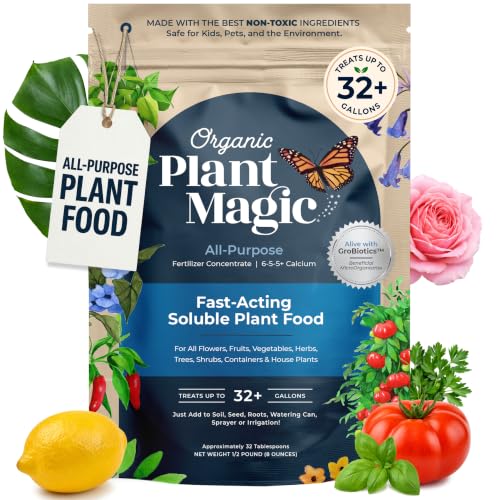
Organic Plant Magic Fertilizer 1/2 lb
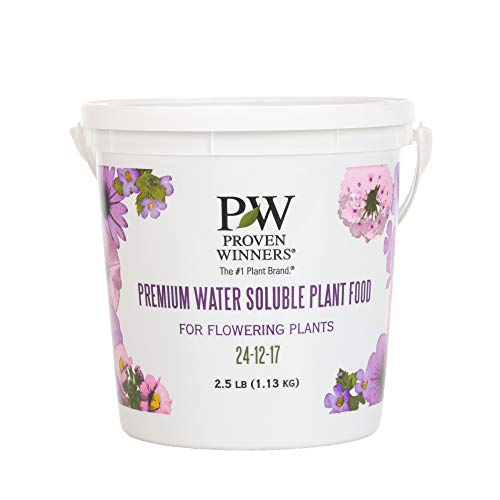
Proven Winners Water Soluble Plant Food 2.5 lb
The Strengths Of Each Pick
A mixed home can contain a fern, a flowering orchid, a small lemon tree, and a potted tomato, which makes one broad-spectrum formula easier to manage than four separate products. Miracle-Gro All Purpose Plant Food covers indoor plants, flowers, vegetables, roses, and trees. Its soluble form also fits the familiar routine of adding measured nutrition to a watering can.
For a large plant collection or a home connected to a larger garden, the 12.5-pound container offers useful coverage and is listed for approximately 5,000 square feet of garden area. The honest tradeoff is dilution: concentrated nutrients require careful measuring, and the bulk container needs somewhere dry to stand. I would still favor it for broad coverage rather than one narrowly defined indoor need.
Useful Highlights
- Serves houseplants, flowers, vegetables, roses, and trees with one formula.
- Works indoors and outdoors, simplifying mixed plant care.
- Provides nitrogen, phosphorus, and potassium for general plant nutrition.
- Large container offers substantial coverage for sizable gardens.
Practical Considerations
- Mixing requirements call for careful measurement, particularly around small pots.
- The large package needs dry storage and may be excessive for a few houseplants.
Key Specs
Who It Suits Best
It fits plant keepers who maintain both houseplants and a sizable outdoor garden and want one balanced formula for both.
Another Choice May Suit
Schultz 1012 All Purpose Plant Food fits a smaller collection that values drop-based dosing over carrying a large container.
Schultz 1012 All Purpose Plant Food suits a routine built around consistency rather than large batches. Seven drops mixed into one quart of water make the dosing easy to repeat at the kitchen sink. That compact approach is especially useful for houseplants that receive a modest drink several times a week.
The formula is labeled for indoor and outdoor plants, and it can support transplanting, repotting, and rooting projects. Compared with Miracle-Gro’s large soluble container, this 8-ounce bottle emphasizes portability and gradual feeding. I see the trade-off in frequency: drop-based watering may need to continue as part of the normal watering rhythm, and the smaller package still calls for careful measurement.
A Favorable Mix
- Only seven drops are needed per quart of water.
- Compact bottle fits neatly near a small watering can.
- Useful during repotting, transplanting, and rooting work.
Small Caveats
- The bottle size may run short for extensive outdoor feeding.
- Drop accuracy matters when fertilizing a small collection of pots.
Quick Facts
Made For
It fits apartment plant keepers who want a concentrated, repeatable feeding method without carrying a large garden product.
Where Another Pick Shines
Miracle-Gro All Purpose Plant Food 12.5 lb. suits a larger garden where container size and broad outdoor coverage matter more.
Sea kelp is the defining feature here, so this is not a general-purpose substitute for a balanced NPK product. Smart Grower uses a liquid extract made from cold-water Ascophyllum nodosum seaweed. Its 0-0-4 analysis centers on potassium, a nutrient associated with sturdy stems and efficient water use.
The practical occasion is repotting or transplanting, when root and stem development deserve specific attention. I also see a place for it in a mixed houseplant routine, although plants with different needs may still benefit from broader nutrition. The 4-ounce bottle takes up little shelf space, but the concentrated nature of the liquid calls for accurate dilution.
Strong Points
- Concentrated seaweed extract suits targeted feeding routines.
- Supports root and stem development after disturbance.
- Small bottle stores easily in a compact utility area.
- Liquid format blends into a normal watering routine.
Honest Caveats
- The potassium-focused analysis does not provide a complete NPK balance.
- Concentrated liquids require careful measurement during mixing.
Right Fit For
It fits plant keepers focused on recent repotting, transplanting, and potassium-led plant support rather than broad feeding.
Consider Something Else
Organic Plant Magic Fertilizer 1/2 lb. suits a mixed indoor and edible garden that needs a broader all-purpose routine.
Worm castings take a different route from the liquid and granular products around them. BUILD A SOIL Premium Worm Castings is a two-gallon vermicompost fertilizer intended for plant soil, including indoor growing spaces and raised vegetable beds. It resembles a soil amendment rather than something diluted into every watering can.
That difference makes it most useful at potting and planting time. The material is described as well screened, moist, and rich in color, and the 7.57-liter volume suits raised beds or several containers. My practical caution is storage: two gallons needs more space than a shelf bottle, and an indoor user mixing small amounts may find it excessive.
Where It Excels
- Adds worm-casting material directly to potting soil or beds.
- Serves both indoor and outdoor growing areas.
- Two-gallon volume suits raised-bed and container projects.
- Screenable material fits into soil-mixing routines.
Points To Note
- The two-gallon package requires more storage than liquid concentrates.
- It is a soil amendment rather than a measured watering-can feed.
Core Details
Built With In Mind
It fits gardeners improving potting mix or preparing a raised bed and willing to incorporate the material into the soil.
A Better Fit Elsewhere
Osmocote Smart-Release Plant Food 2 lb. fits plant keepers who want measured feeding without handling or storing a two-gallon amendment.
Smart-release granules change the rhythm of indoor feeding. Osmocote Smart-Release Plant Food is labeled to feed living plants for up to six full months from one application, which suits busy plant keepers who do not want nutrition mixed into every watering. It is intended for both indoor and outdoor varieties.
Compared with the water-soluble options, the key difference is delivery through coated granules rather than liquid dilution. I would pay attention to potting practice, since the granules must sit near the root zone and surface watering can move them away from the plant. The two-pound container also asks for dry storage, but it remains more compact than the BUILD A SOIL package.
What Pays Off
- One application is listed to feed plants for up to six months.
- Granular format removes repeated measuring from watering cans.
- Works with a broad range of indoor and outdoor varieties.
- Includes 11 essential nutrients for general plant nutrition.
Where It May Fall Short
- Granules need placement near the root zone for consistent access.
- Surface watering may move fertilizer away from the root area.
Who Will Love This
It fits busy plant keepers who prefer infrequent applications over a recurring liquid-feeding routine.
Swap It Out When
Schultz 1012 All Purpose Plant Food suits a smaller collection that prefers adding fertilizer directly to each watering.
Organic Plant Magic Fertilizer covers an unusually broad domestic planting routine in a compact half-pound bag. The water-soluble concentrate is listed for vegetables, flowers, herbs, fruit, trees, gardens, and houseplants. That makes it a practical choice for a home where the same watering can feeds several kinds of plants.
One bag is listed as making more than 32 gallons of liquid plant food, so a small container can support regular use. Compared with Proven Winners, which emphasizes flowering and fast-growing annuals, this formula presents a more general profile. I would still follow the label dilution carefully, because the wide plant compatibility does not remove the need for accurate mixing.
Points In Its Favor
- Supports flowers, herbs, vegetables, fruit, trees, and houseplants.
- Half-pound package stores more easily than a liquid concentrate bottle.
- Produces more than 32 gallons of mixed plant food from one bag.
- Water-soluble format fits routine watering-can care.
Possible Compromises
- Plant-specific nutrient targets may be less focused than specialized formulas.
- Accurate dilution remains important around small containers.
At A Glance
The Right Fit
It fits home growers tending houseplants and edible plants with one general-purpose feeding routine.
Reach For A Different Pick
Proven Winners Water Soluble Plant Food 2.5 lb. suits a collection centered on heavy-flowering annuals and patio displays.
Proven Winners Water Soluble Plant Food is built around a more specific goal than a general houseplant formula. Its 24-12-17 blend is intended for heavy-flowering, fast-growing plants, especially annuals. That makes it relevant to a sunny patio crowded with geraniums, petunias, verbena, or other seasonal flowers.
The fast-dissolving formula suits liquid feeding and nutrient delivery through a watering can. Compared with Organic Plant Magic’s broader use list, this product has a clearer flowering focus, while its 2.5-pound size offers more than the smaller Schultz bottle. I would still treat it as a targeted choice rather than a universal indoor solution for ferns and foliage plants.
A Few Highlights
- Designed specifically around heavy-flowering annual plants.
- Highly water-soluble formula dissolves into regular watering routines.
- Provides a 24-12-17 blend of primary nutrients.
- Two-and-a-half-pound container suits multiple patio pots.
Details To Watch
- Its flowering focus is narrower than the all-purpose formulas.
- Concentrated mixing still requires attention to label directions.
Feature Snapshot
Best Suited To
It fits balcony and patio growers whose collection centers on vigorous annual flowers rather than foliage-heavy houseplants.
Look Elsewhere When
Organic Plant Magic Fertilizer 1/2 lb. suits a mixed home collection that includes herbs, vegetables, fruit, trees, and houseplants.
What Matters Most In A Plant Feeding Routine
Match The Format To The Routine
Liquid concentrates fit plant care centered on a watering can. I find them easy to distribute, but accurate dilution and storage become routine considerations. Water-soluble granules offer a middle ground because the dry material is measured once, mixed before application, and kept away from moisture.
Check The Plant Groups Covered
A formula made for flowering annuals does not necessarily match the needs of a fern, herb, or fruiting houseplant. Broad-use products save shelf space across mixed collections, while specialized formulas provide a more focused nutrient profile. I check the listed plants and nutrient analysis before replacing a familiar formula.
Think About Storage And Coverage
A two-gallon soil amendment needs more room than a 4-ounce concentrate. At the other end, a small bottle may disappear quickly in a large garden. I compare container size with the number of plants, the space available for storage, and how much mixed liquid or treated soil the routine actually requires.
Indoor Plant Care Details Worth Checking
Mistakes Worth Dodging
One common mistake is treating fertilizer as a substitute for regular watering and suitable light. Another is increasing the concentration because a plant looks pale, rather than following the labeled dilution. I also check the listed plant types before assuming every fertilizer suits every indoor plant.
What Separates Premium From Basic
A higher-tier fertilizer may offer a longer feeding schedule, a more specialized nutrient blend, or a larger mixing volume. The upgrade is worthwhile only when it matches the routine. A precise flowering formula helps a patio of annuals, while a compact general formula may make more sense for a handful of houseplants.
Frequently Asked Questions
How Often Should Indoor Plants Be Fertilized?
I fertilize according to the product label and the plant’s active growth period. Newly repotted or stressed plants may need a lighter or delayed feeding schedule.
Is Liquid Fertilizer Better Than Granular Fertilizer?
I choose liquid fertilizer for routine watering-can application and granules for longer feeding intervals. The better option depends on storage space, plant type, and how often I want to feed.
Can One Indoor Plant Fertilizer Cover Houseplants and Flowers?
Yes, an all-purpose formula can serve several plant groups, provided its listed uses include them. Flowering annuals may benefit from a more specialized nutrient blend.
Should Fertilizer Be Applied to Dry Soil?
I follow the product directions because moisture requirements can vary by formula. Avoid adding concentrated fertilizer directly against roots or leaves unless the label specifically directs that method.
How Much Fertilizer Should I Mix?
I measure exactly as directed and use a marked watering can or mixing vessel. Extra concentrate can damage roots even when the product is suitable for the plant.
Final Verdict
I find Miracle-Gro All Purpose Plant Food 12.5 lb. the most flexible option for mixed indoor and outdoor collections, while Schultz 1012 All Purpose Plant Food is easier to store. Osmocote Smart-Release Plant Food 2 lb. fits infrequent feeding, and BUILD A SOIL Premium Worm Castings 2 Gallons suits soil-building projects. The most useful choice ultimately comes down to plant type, watering rhythm, and available storage space.
