

A windowsill full of ferns, palms, and flowering plants needs more than occasional water to stay vigorous. The right indoor plant feed matches the plant’s stage, the container’s soil, and the routine of the person caring for it, without turning fertilizing into a complicated chore.
I focus on liquid concentrates, granules, specialty formulas, and products suited to flowers, citrus, money trees, and mixed houseplant collections. The most useful choice depends less on packaging than on nutrient purpose, application format, and how consistently the feeding routine can be maintained.
The Leading Options At A Glance
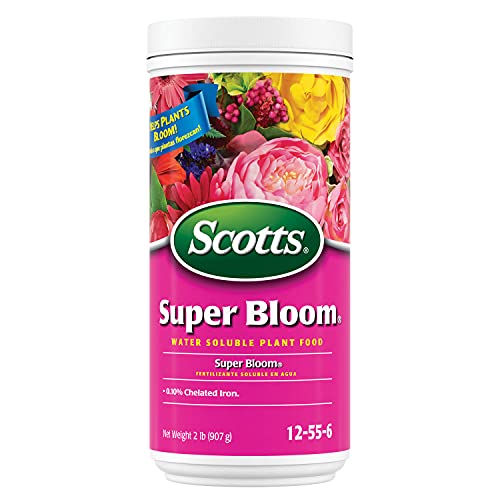
Scotts Super Bloom 2 lbs.

BioBizz Fish-Mix Fertiliser 1L

GrowThrive Lemon Tree Fertilizer

GrowThrive Citrus Liquid Fertilizer

GrowThrive Money Tree Liquid Fertilizer
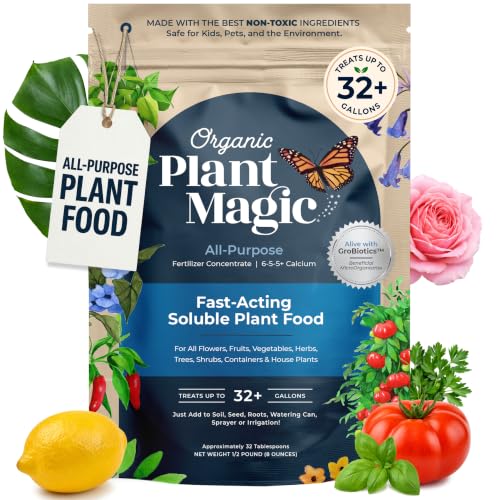
Organic Plant Magic All-Purpose Plant Food
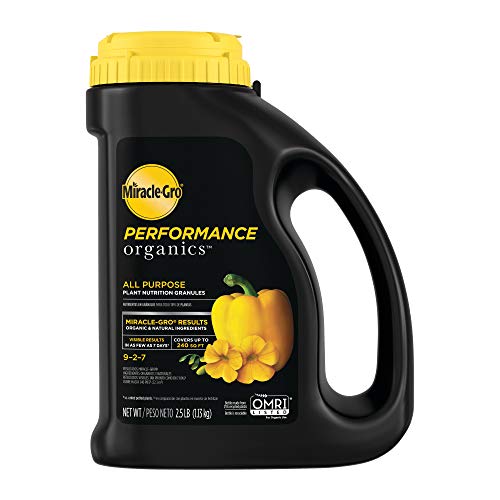
Miracle-Gro Performance Organics 2.5 lb.
The Picks, Examined More Closely
Scotts Super Bloom is built around a simple goal: supporting flowers and fruiting plants with a phosphorus-forward formula. That makes more sense for a sunny patio container or garden bed than for a shaded foliage plant, even though its soluble format is convenient.
For a balcony gardener feeding several blooming containers, the water-soluble format can fit comfortably into a regular watering routine. I would consider it a targeted outdoor or patio choice rather than a broad indoor solution.
Positive Takeaways
- High phosphorus gives flowering and fruiting plants a purpose-specific nutrient profile.
- Water-soluble granules mix into irrigation water, helping busy plant keepers simplify application.
- The formula suits outdoor flowers, fruiting plants, containers, and garden beds.
- A two-pound package suits a seasonal patio or small garden feeding program.
Things To Consider
- The flowering emphasis makes it less targeted toward leafy houseplants kept away from bright windows.
- Following the label dilution and feeding interval matters because the formula is intended for regular use every one to two weeks.
Key Specs
Made For
This formula best suits patio gardeners tending flowering or fruiting containers that receive regular watering.
Another Choice May Suit
Organic Plant Magic All-Purpose Plant Food serves mixed indoor collections more directly than this patio-focused formula.
BioBizz Fish-Mix takes a different approach from the bloom-focused Scotts formula. Its liquid fish emulsion and Dutch sugar-beet extract are intended to encourage biological activity in the growing substrate, which matters for soil-based pots and active indoor growing setups.
I see the strongest fit among indoor gardeners who already work with substantial soil volumes rather than tiny decorative pots. The one-liter package may also require careful storage, especially in a compact apartment.
The Practical Payoff
- Organic fish emulsion provides a recognizable liquid nutrition source for substrate-based plants.
- Fish-Mix is designed to support beneficial microbial activity around plant roots.
- The liquid format avoids the granule-storage issue that can make dry plant food inconvenient in a small utility area.
- It suits gardeners seeking a soil-focused approach rather than a narrowly specialized houseplant formula.
Practical Considerations
- The one-liter volume demands more shelf space than a small bottle of concentrated houseplant food.
- It is less directly tailored to an individual indoor species than GrowThrive Money Tree Liquid Fertilizer.
Feature Snapshot
Built With In Mind
This liquid feed best fits indoor growers using substantial soil-based containers and paying close attention to root-zone biology.
A Better Fit Elsewhere
GrowThrive Money Tree Liquid Fertilizer offers a more specific choice for houseplant collections centered on money trees, monstera, and similar foliage plants.
A lemon tree kept indoors becomes a very different plant-care project from a spider plant or pothos. GrowThrive Lemon Tree Fertilizer concentrates on citrus needs, using a liquid nutrient approach intended to support foliage, flowering, and fruit production.
The fast-acting format makes sense for someone maintaining a container lemon tree in a bright conservatory or winter garden. In my view, its narrow citrus focus is a strength rather than a flaw, since a purpose-built formula reduces guesswork.
A Favorable Mix
- Designed specifically for the nutritional needs of lemon and citrus plants.
- Liquid nutrients reach the root zone in a format suited to container growing.
- The formula supports leaf growth, flowering, and fruit development as one coordinated routine.
- Organic micronutrients complement the broader nutrient mix for indoor citrus trees.
Possible Compromises
- The citrus-specific formula is not the most efficient choice for an unrelated mixed houseplant collection.
- Fruit expectations still depend on suitable light, watering, and general growing conditions.
Right Fit For
This product best suits indoor citrus growers with a container lemon tree, dwarf orange, or another citrus plant in a bright location.
Consider Something Else When
Miracle-Gro Performance Organics fits a broader collection containing vegetables, herbs, flowers, and houseplants rather than citrus alone.
GrowThrive Citrus Liquid Fertilizer combines a slow-release liquid format with a natural approach to soil nutrition. Beneficial microbes, fungi, and active enzymes help break down organic material, loosen soil, and support nutrient uptake around the root zone.
For a container citrus tree, those soil-focused attributes are more meaningful than they would be for a plant kept in a minimal soilless setup. Depending on the growing medium, the biological ingredients may provide a useful complement to routine liquid feeding.
A Few Highlights
- Slow-release liquid nutrition can support steadier feeding than a quick-dissolving concentrate.
- Beneficial microbes and fungi contribute to active conditions within the growing medium.
- Active enzymes help break down organic material and support nutrient availability.
- The ten-ounce bottle suits a dedicated citrus plant without requiring a large storage area.
Worth Noting
- The slow-release format calls for a more considered schedule than Scotts Super Bloom’s one-to-two-week interval.
- Its scope remains centered on citrus rather than a complete mixed houseplant collection.
Core Details
Who Will Love This
This formula suits indoor citrus growers who value organic inputs, biological soil activity, and a compact bottle.
Where A Sibling Pick Shines
GrowThrive Lemon Tree Fertilizer offers a more explicitly fast-acting option for maintaining a lemon tree in active growth.
GrowThrive Money Tree Liquid Fertilizer is the most directly aligned with a common indoor collection. It is formulated for Pachira aquatica and also accommodates monstera, fiddle-leaf fig, pothos, snake plant, peace lily, and other familiar houseplants.
The fermented microorganisms give it a soil-building character, while the slow-release liquid format suits plant keepers who prefer measured feeding over frequent top-ups. Its indoor focus makes it a straightforward choice for rooms shared with pets, based on the stated safety positioning.
Where It Delivers
- Targets money trees while remaining useful across several popular foliage plants.
- Fermented beneficial microorganisms support activity within the potting medium.
- The slow-release liquid format fits a measured, routine-based feeding schedule.
- Designed with indoor environments and pet households in mind.
- A ten-ounce container is easy to store near the plants being fed.
Small Caveats
- Its indoor foliage focus makes it less directly relevant to fruiting vegetables and outdoor flower beds.
- The claim of suitability for pets comes from the product positioning, so careful storage remains important around curious animals.
Made For
This feed best suits indoor plant keepers with money trees, monstera, pothos, peace lilies, and other leafy houseplants.
Reach For A Different Pick When
BioBizz Fish-Mix suits soil-based indoor growers who want a broad microbial approach rather than a houseplant-specific formula.
Organic Plant Magic turns a complicated shelf into a simpler decision. The same water-soluble concentrate covers indoor houseplants, vegetables, herbs, fruit, flowers, trees, and garden beds, making it useful for homes where plant types change with the season.
A half-pound bag makes more than 32 gallons of liquid feed, which gives the package a strong appeal for households with several containers or a small indoor growing area. The tradeoff is routine dilution, since a concentrated dry product needs proper mixing before application.
What Makes Sense
- One plant food covers an unusually broad range of indoor and outdoor plants.
- The water-soluble concentrate fits routine watering and avoids separate products for different rooms.
- A half-pound package produces more than 32 gallons of liquid plant food.
- Organic positioning appeals to gardeners seeking an all-purpose alternative.
Trade Offs
- The concentrate requires mixing and suitable liquid-storage equipment.
- Its broad coverage is convenient, though less targeted than a dedicated money-tree or citrus formula.
- The dry package takes more shelf space than a small pre-mixed liquid bottle.
Key Product Details
Who Should Grab It
This product suits plant keepers with a varied collection who value one flexible formula for indoor and outdoor containers.
Swap It Out When
GrowThrive Money Tree Liquid Fertilizer offers greater species specificity for collections centered on money trees and familiar foliage plants.
Miracle-Gro Performance Organics takes the granule route, giving indoor plant keepers a dry option that can serve vegetables, flowers, and herbs as well as houseplants. That flexibility is useful in a home where the indoor collection shares a watering routine with edible plants.
The label states that visible results can begin in as few as seven days compared with unfed potted plants. A 2.5-pound package is practical for repeated use, although anyone seeking a pre-diluted liquid may find the granular format less convenient.
Real-World Strengths
- Granules provide an alternative to liquid concentrate for routine plant feeding.
- The all-purpose formula covers houseplants, vegetables, flowers, and herbs.
- Visible changes are stated to begin in as few as seven days.
- The 2.5-pound package supports a substantial number of feedings.
Less-Strong Areas
- Granules require a different application routine from pre-mixed liquid plant food.
- The broad formula does not provide the plant-specific focus found in the money-tree and citrus options.
- A large dry package needs more storage space than a compact liquid bottle.
Feature Overview
The Right Fit
This granule format suits plant keepers who maintain mixed houseplant and edible-plant collections and prefer dry feeding products.
Not Your Match When
Organic Plant Magic All-Purpose Plant Food fits indoor growers who prefer a water-soluble concentrate that can be poured during watering.
Matching Plant Food to Plants and Space
Start with the plant’s growth stage
Flowering and fruiting plants often receive formulas with a stronger emphasis on phosphorus and potassium, while leafy houseplants generally need balanced support for steady foliage. A citrus-specific formula makes more sense for a lemon tree than a general flower food, and a money-tree formula reduces guesswork for Pachira aquatica.
Choose a format that fits the routine
Liquid concentrates mix with irrigation water and suit regular watering schedules. Granules require a separate application step but can be easier to store and measure. Slow-release liquids prioritize gradual feeding, which may suit plant keepers who want fewer intervention points.
Account for containers and storage
A compact bottle works well for a few indoor plants, while a larger package makes more sense for a mixed collection or seasonal patio. The practical calculation includes the number of plants, frequency of feeding, available shelf space, and the extra equipment required for mixing or applying concentrated products.
Separate general feeding from specialty care
An all-purpose formula can simplify a collection containing several unrelated plants. Specialized products become more valuable when one plant dominates the indoor space or has distinct requirements, such as citrus or a money tree. A broader formula is convenient; a targeted one can make the care routine clearer.
Feeding Details That Matter
Wrong Turns To Avoid
The most common mistake is choosing a formula by the plant’s visual appearance alone, since a lush plant can still need support for a different growth stage. Another error is ignoring the label’s dilution and interval, which can make a potent formula harder to use consistently. Storage deserves attention too, because concentrated liquids and dry granules need a stable, accessible place.
What Separates Premium From Basic
A higher-tier plant food may offer a specialized nutrient profile, biological ingredients, slow release, or greater coverage per package. Those additions matter most for a demanding citrus tree, a carefully maintained money tree, or a large mixed collection. A basic all-purpose concentrate remains sensible for a small group of ordinary houseplants, where simplicity often matters more than added complexity.
