

A jasmine plant can turn a quiet windowsill into a fragrant retreat, but choosing the right live plant requires more than spotting pretty flowers in a listing. Light, watering habits, vine growth, and container size all affect how the plant fits an indoor space. I separated compact jasmine vines from outdoor-first varieties and bonsai-style alternatives to make the decision easier. The result is a practical shortlist for desks, shelves, patios, and homes where fragrance matters as much as greenery.
A Fast Comparison Of The Options

Brussel’s Bonsai Ficus Bonsai

YOKEBOM Grand Duke Jasmine

Florida Foliage Night Blooming Jasmine 3 Live Plants

TANKDA Star Jasmine Vine

YOKEBOM White Star Jasmine
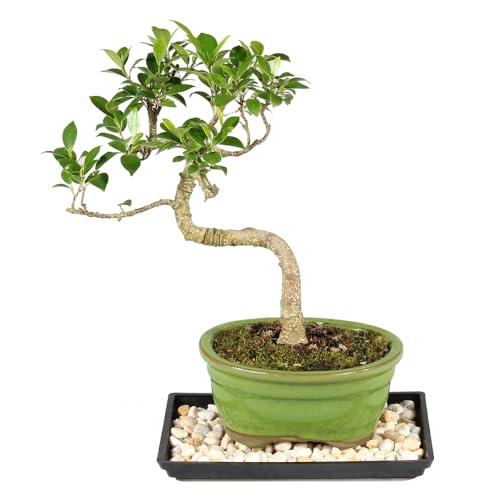
Brussel’s Bonsai 4-Year Ficus

Brussel’s Bonsai Small Juniper
A Breakdown Of The Leading Choices
A small ficus bonsai brings more structure to a desk than a conventional flowering houseplant. Its spiraling trunk and dense, dark foliage create a sculptural focal point on a shelf, coffee table, or office windowsill. I like this choice for compact spaces where a full-size jasmine vine would overwhelm the furniture.
This is not a jasmine plant, so fragrance and star-shaped flowers are not the reason to choose it. The case rests on its miniature form, traditional bonsai presentation, and included container. Unlike the later juniper option, it is explicitly presented as an indoor ficus suited to bright light and regular watering.
Where It Excels
- The included bonsai container makes the tree ready for display without an immediate repotting task.
- Its compact scale suits desks, shelves, dorm rooms, and smaller offices.
- Dark foliage and a curved trunk provide year-round visual structure.
- Ficus microcarpa adapts to indoor conditions with bright light and regular watering.
Things To Consider
- It offers ficus foliage rather than jasmine flowers or fragrance.
- Shipping is unavailable to Alaska and Hawaii, and nighttime temperatures above 50°F are preferred for transit.
Feature Snapshot
Made For
This tree suits a first-time bonsai hobbyist seeking a small, display-ready ficus for a bright office or living space.
Look Elsewhere When
YOKEBOM Grand Duke Jasmine is a better fit for a plant whose main attraction is fragrant flowering.
Two compact Grand Duke jasmine plants make this a practical choice for a bright indoor sill or a small indoor-outdoor garden. Each starts between 5 and 7 inches tall, so the plants are still small enough to arrange together without crowding a shelf. I would favor this option over the taller night-blooming set for a compact indoor display.
The care requirements are approachable: bright light, well-drained soil, and moderate watering. “Well-drained” means excess water can escape the growing medium rather than remain around the roots. The plants are also presented as easy to plant, which makes them more approachable than a mature specimen carrying a larger setup.
The Value In It
- Two plants allow a grouped display or separate placement in different rooms.
- The 5-to-7-inch starting size fits neatly on an indoor shelf.
- Bright-light care guidance suits a sunny window or bright room.
- Well-drained soil guidance helps prevent the soil from staying constantly saturated.
Worth Noting
- The flowering shown in reference pictures represents a mature plant rather than the starting size of the delivered starter plants.
- A dim corner will not suit the stated bright-light requirement.
Quick Facts
Right Fit For
This set suits beginners with bright indoor space who want compact jasmine plants and flexibility to display them together or separately.
Reach For A Different Pick When
TANKDA Star Jasmine Vine fits better for someone specifically seeking a climbing plant for a trellis, balcony, or entryway.
Evening fragrance changes the character of this plant completely. The white flowers are presented as opening around dusk, making this more of a patio or evening-garden choice than a typical windowsill jasmine. For a person who enjoys an outdoor sitting area after sunset, that timing gives the plant a distinct role.
The set includes three live plants, which makes it useful for filling several containers or creating a fuller grouping. Compared with the compact Grand Duke jasmine, this choice emphasizes scent and nighttime flowers rather than small-scale indoor display. I would treat it as an outdoor container plant that can spend warm periods outside.
The Good Stuff
- White flowers add visible interest during evening hours.
- The sweet fragrance becomes the plant’s strongest distinguishing feature.
- Three plants support a substantial container grouping.
- Container and ground planting are both supported options.
Some Limits To Know
- The emphasis on evening outdoor enjoyment makes it less aligned with a strictly indoor shelf.
- Sunny and partly shaded placement needs attention because less light can slow flowering.
Who Will Love This
This set suits garden hobbyists who want fragrant white flowers in a patio container for evening enjoyment.
A Better Fit Elsewhere
YOKEBOM Grand Duke Jasmine better fits a bright indoor sill where compact size and simpler placement matter most.
Star jasmine brings a climbing habit and small white blossoms to spaces that can support a vine. The 3-to-5-inch starter plant is compact at delivery, yet its intended use spans patios, balconies, entryways, and bright indoor windows. That versatility makes it easier to place than a broad-leaved shrub, provided room remains for training and growth.
Compared with YOKEBOM Grand Duke Jasmine, this plant is more explicitly a vine. I would use it where a trellis or support can guide the stems, rather than expecting it to remain a small tabletop specimen. The star-shaped flowers and sweet scent supply the jasmine character, while the climbing habit supplies the visual movement.
Useful Strengths
- The climbing form adds vertical interest to a patio, balcony, or bright window.
- Small white star-shaped flowers provide delicate detail at close range.
- A sweet scent makes the plant rewarding near a doorway or seating area.
- The plant can serve as an outdoor landscape vine or an indoor specimen near bright glass.
Points To Keep In Mind
- USDA Zones 8-11 limit the listed outdoor planting range.
- Bright light is important for an indoor placement, and a vine may need support as it grows.
Feature Breakdown
Best Suited To
This vine suits apartment residents with a bright balcony, entryway, or window where vertical growth has room to develop.
Another Choice May Suit
Brussel’s Bonsai Ficus Bonsai fits a narrow shelf better because it offers a compact sculptural form without climbing growth.
This starter plant is built around a simple idea: one compact vine can decorate a home garden, an outdoor plot, or an indoor support. The plant is described as producing fragrant, white, star-shaped flowers, making it a direct alternative to the slightly taller TANKDA star jasmine. I see the main difference as the bare-root presentation rather than a dramatic change in plant type.
At roughly four to six inches in the listed details, it starts small enough for a modest pot or propagation setup. The climbing habit means that a narrow plant becomes a long-term project. A trellis, pole, or other support may be needed before the vine develops the flowing shape associated with mature star jasmine.
Practical Advantages
- The plant works in indoor and outdoor garden settings.
- Fragrant white flowers bring recognizable detail to a trellis or container.
- A compact starting size simplifies initial potting and placement.
- The vining form offers more decorative options than a static tabletop shrub.
Small Caveats
- No pot is included, so a container and growing medium are separate requirements.
- Allow space for training because a jasmine vine can spread beyond its starting footprint.
Core Details
Built With In Mind
This plant suits a hands-on gardener who wants a fragrant vine and already has a suitable pot or support ready.
Where A Sibling Pick Shines
TANKDA Star Jasmine Vine is easier to place near an entryway because it is presented with a broader set of patio, balcony, and indoor use cases.
Age gives this ficus bonsai a different appeal from the smaller Brussel’s Bonsai Ficus Bonsai. The 4-year designation suggests an established start to the bonsai hobby, while the Golden Gate ficus brings dark foliage and a naturally curved trunk to the display. For someone learning basic bonsai care, that combination has more character than an anonymous nursery shrub.
It remains a ficus bonsai rather than a jasmine plant, so the attraction is structure instead of fragrant flowers. Compared with the Grand Duke jasmine, it uses the same general preference for bright indoor light and regular watering, but it presents that care through a miniature tree form. The honest read is that this is a hobby-focused alternative, not a substitute for flowering jasmine.
What Works In Its Favor
- The stated four-year age gives the tree a more established bonsai profile.
- Dark foliage creates a rich, traditional bonsai appearance.
- The curved trunk supplies a distinctive sculptural focal point.
- Ficus care requirements are approachable for a beginner bonsai hobbyist.
Honest Caveats
- It does not provide jasmine blooms or fragrance.
- The compact tree still needs a bright indoor position and a suitable display area.
Whose Shelf It Belongs On
This ficus suits a bonsai hobbyist who values an established miniature tree for a bright office or home display.
Swap It Out When
YOKEBOM White Star Jasmine is a better fit for a fragrant climbing plant that can train along an indoor or outdoor support.
Dense green foliage and natural texture give this small juniper bonsai a rugged outdoor character. The listed use cases are patios, gardens, and outdoor plant displays, which makes it a natural fit for a sheltered garden table or entry display. Compared with the indoor ficus bonsai, its identity is less about a desk accent and more about bringing shaped greenery outdoors.
There is one important distinction: a juniper is not an indoor jasmine plant. I would group this option with the roundup as an outdoor sculptural alternative rather than a fragrant flowering choice. Its compact form and evergreen appearance may appeal to hobbyists who prefer the disciplined silhouette of bonsai over trailing vines.
Reasons It Performs
- Dense green foliage provides a full, substantial bonsai appearance.
- Natural texture works well in an outdoor display setting.
- The small scale suits patios and garden areas with curated plant arrangements.
- The juniper form offers variety beside flowering vines and broad-leaved ficus.
Where It May Fall Short
- It is presented as an outdoor bonsai rather than a windowsill houseplant.
- It lacks the flowers and fragrance that draw most people to jasmine.
Feature Facts
The Right Fit
This juniper suits an outdoor bonsai hobbyist creating a compact display on a patio or garden table.
Consider Something Else When
Florida Foliage Night Blooming Jasmine 3 Live Plants fits better for fragrant flowers and an evening container garden.
What Matters Before Bringing Jasmine Indoors
Match the Plant to the Light
Jasmine performs best with abundant light, which makes window placement more important than decorative pots or indoor styling. A south-facing window or similarly bright location can support a flowering indoor jasmine better than a dim room. I would also account for seasonal changes in window light, since a plant that thrives in winter may need a brighter position once surrounding structures block more light.
Understand the Growth Habit
A compact starter can grow into a long vine, so available space matters. A shelf plant and a climbing vine require different approaches: the first relies on balanced branching, while the second needs room to trail or climb. Grand Duke jasmine can work as a contained indoor plant, while star jasmine benefits from a support near a bright window or outdoors on a trellis.
Check the Container and Drainage
Well-drained soil is important for jasmine because saturated growing media can leave roots in wet conditions. Containers need drainage openings, and a bare-root starter requires a pot before planting. This detail matters for YOKEBOM White Star Jasmine, whose supplied form includes no container.
Common Mistakes and Premium Differences
Mistakes Worth Dodging
A common mistake is choosing by the flower picture alone. Starter plants rarely match the size or fullness shown in a mature reference image, so scale should guide expectations. Another mistake is placing jasmine in low light or forgetting that a vine will eventually need support. Confirming plant type also prevents confusion between true jasmine, night-blooming jasmine, and juniper bonsai.
What Separates Premium From Basic
Higher-tier live plants may command more because of plant size, cultivar, quantity, container, or bonsai age. A multi-plant set offers more placement options, while an older bonsai provides a more developed starting structure. The extra cost is most useful when the plant’s size or age matches a specific display plan rather than simply looking impressive in a listing.
Frequently Asked Questions
Can Indoor Jasmine Plants Grow in Low Light?
Jasmine generally needs strong light to produce healthy growth and flowers. A bright window or another well-lit indoor position is a better choice than a dim corner.
Are Indoor Jasmine Plants Sold With Pots?
Container inclusion varies among the listed options. Some arrive in a container, while bare-root starters require a separate pot and well-drained growing medium.
How Often Should Indoor Jasmine Be Watered?
Watering depends on the growing medium, light, temperature, and moisture level. Checking the soil is more reliable than following a rigid schedule, since wet soil should not be allowed to remain constantly saturated.
Can a Small Jasmine Starter Become a Large Vine?
Yes, vines can expand well beyond their delivered size. Adequate light, suitable support, and room for the mature growth pattern determine how the plant develops.
Are Bonsai Trees the Same as Jasmine Plants?
No, a bonsai is a trained or shaped miniature tree, not a plant family. The ficus and juniper bonsai options provide sculptural greenery rather than jasmine flowers and fragrance.
Final Verdict
I would choose YOKEBOM Grand Duke Jasmine for a compact indoor flowering setup, TANKDA Star Jasmine Vine for climbing growth, and Florida Foliage Night Blooming Jasmine for an outdoor evening display. The bonsai choices make more sense for hobbyists who value sculptural form over fragrance. Matching the plant’s light needs, growth habit, and available space prevents a disappointing placement later.
