

A white-flowered hydrangea can look healthy above the soil while quietly missing the nutrition it needs for sturdy stems and new flower buds. The practical challenge is finding a feed that suits acid-loving shrubs without confusing fertilizer type with flower color, then applying it at a rate that fits the plant and soil.
I focus on the active ingredients, nutrient balance, application method, and intended plants across these eight options. The shortlist includes dry and liquid formulas, organic amendments, general-purpose feeds, and products formulated for specific flowering stages, giving gardeners a useful range of choices for containers, garden beds, and mixed plantings.
Your Options, Compared
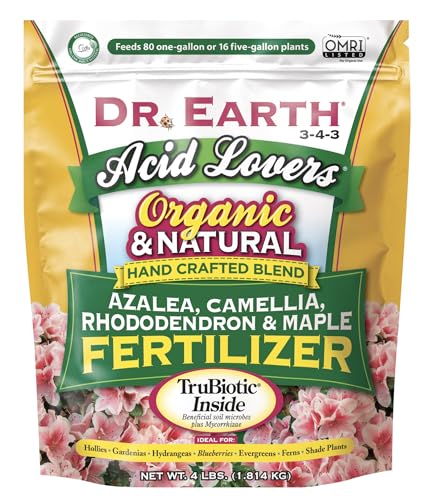
Dr. Earth 703P Organic Acid Fertilizer 4 lb

Miracle Gro Water Soluble Miracid 4-Pound

Jobe’s Organics Granular Rose Fertilizer 4-Pound Bag
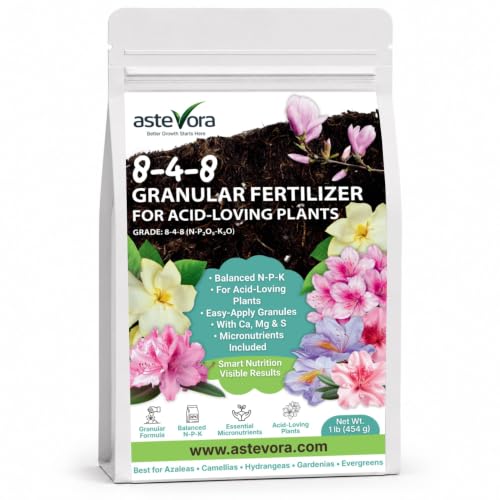
GARDENWISE 8-4-8 Acidic Fertilizer for Hydrangeas, Azaleas and Camellias 1/2 Quart

GARDENWISE 10-10-10 Slow-Release Granular All-Purpose Fertilizer 1/2 Quart

GARDENWISE 20-20-20 Water-Soluble Fertilizer for Indoor and Outdoor Plants 1/2 Quart

Farmer’s Secret Fruit & Bloom Booster Fertilizer for Late Summer 8oz
The Strengths Of Each Pick
I value this option for gardeners who want one dry fertilizer that addresses both soil acidity and the living biology around hydrangea roots. The 4-pound bag suits an established shrub border better than a small container, while the organic formula and several-month feeding period reduce the need for frequent separate applications.
Its microbial content is the distinguishing feature. Beneficial soil microbes and mycorrhizae support nutrient availability around roots, making this more involved than a basic general-purpose feed. It cannot turn a colored hydrangea white, but it targets the soil conditions associated with healthy acid-loving shrubs.
Benefits That Matter
- Continuous feeding extends through several months.
- Microbial strains support nutrient availability around roots.
- Soil-acidifying formula suits hydrangeas, azaleas, and camellias.
- Organic nutrients support a measured soil-building approach.
- The formula is intended for use around people and pets when directed properly.
Practical Considerations
- The 4-pound format needs more storage space than a liquid concentrate.
- Soil acidity and flower color are separate issues, so fertilizing alone will not produce white blooms.
Core Details
Built With In Mind
This formula best serves organic-minded gardeners maintaining several acid-loving shrubs in a dedicated bed or large container.
Where A Sibling Pick Shines
Miracle Gro Water Soluble Miracid 4-Pound suits gardeners who prefer a water-soluble feed and a more immediate application method.

This liquid is the adaptable choice for a gardener feeding hydrangeas alongside flowers, vegetables, fruit plants, or turf. Its measured bottle makes it practical for mixing specific amounts at a watering can, and the 32-ounce size offers enough volume for repeated indoor and outdoor applications.
Unlike the acid-focused options, Triple 10 relies on an even 10-10-10 nutrient ratio rather than specialized acidic nutrition. Amino acids and seaweed extract are included, but gardeners seeking a dedicated hydrangea treatment should view this as a broad plant feed rather than a soil-acidifying product.
What Earns Its Place
- The squeeze bottle simplifies measuring smaller doses.
- The 10-10-10 ratio gives nitrogen, phosphorus, and potassium equal weight.
- One formula suits multiple indoor and outdoor plant groups.
- The concentrate can produce up to 32 gallons of diluted fertilizer.
Details To Watch
- It does not specifically acidify soil.
- Frequent watering can make the measured application slower than a dry granular feed.
Quick Facts
Right Fit For
This liquid works well for households that want one measured fertilizer for hydrangeas, containers, flowers, and edible garden plants.
Another Choice May Suit
GARDENWISE 8-4-8 Acidic Fertilizer for Hydrangeas, Azaleas and Camellias 1/2 Quart is a closer match for gardeners prioritizing acidic soil and iron, magnesium, and manganese.
A watering can makes this a natural choice for container hydrangeas and garden shrubs that receive regular irrigation. It is specifically associated with acid-loving plants such as hydrangeas, azaleas, and rhododendrons, giving it a clearer purpose than the general-purpose liquid in the preceding pick.
Water-soluble nutrients are available without the prolonged feeding schedule associated with slow-release granules. For most gardeners, the practical attraction is simple: the formula dissolves into irrigation water and feeds through both roots and leaves. It remains a feed, though, rather than a guaranteed method of changing bloom color.
The Practical Payoff
- Directly targets familiar acid-loving plants.
- Root and leaf feeding broadens nutrient delivery.
- Water-soluble format integrates with routine irrigation.
- The two-pack provides more material for larger shrub collections.
Worth Noting
- Dry powder requires storage away from moisture.
- Its broad acid-plant positioning is less specific than a formulation centered only on hydrangeas.
Made For
This option suits gardeners who routinely water container hydrangeas and other acid-loving ornamentals and want a familiar, water-soluble treatment.
A Better Fit Elsewhere
Jobe’s Organics Granular Rose Fertilizer 4-Pound Bag is the stronger fit for gardeners wanting a dry organic fertilizer suitable for roses, hydrangeas, and other flowering shrubs.
For a mixed flower border, this granular organic fertilizer has broader relevance than a product aimed only at hydrangeas. Its stated uses include roses, hydrangeas, hibiscus, azaleas, and other flowering shrubs, which makes it convenient for gardeners maintaining several kinds of ornamentals in the same bed.
The dry format avoids diluting and carrying a liquid mixture, while the 4-pound bag provides a practical quantity for repeated shrub feeding. I would not select it solely for creating white flowers, but gardeners prioritizing organic flower and shrub care get a product designed around that exact purpose.
What Helps Most
- It explicitly supports hydrangeas and several common flowering shrubs.
- OMRI-listed organic status fits organic gardening routines.
- Granules keep the application simple around mixed borders.
- The formula is intended for use around children and pets when properly directed.
Room For Improvement
- The broad flowering-shrub focus is less specific to acid-loving hydrangeas.
- A 4-pound bag requires dry storage and occupies more space than a small concentrate.
Key Product Details
Who It Suits Best
This fertilizer best serves organic-minded gardeners with mixed rose, hydrangea, and flowering-shrub borders.
Look Elsewhere When
Dr. Earth 703P Organic Acid Fertilizer 4 lb suits gardeners who want a specifically acidifying formula enriched with soil microbes.
This acidic formula stands out for gardeners managing a border that contains hydrangeas, azaleas, camellias, blueberries, gardenias, magnolias, evergreens, and rhododendrons. Its 8-4-8 analysis places more emphasis on nitrogen than on the equal-ratio general-purpose feeds elsewhere in the list.
Magnesium, iron, and manganese add a more specific nutritional angle. Those micronutrients are involved in plant processes that can become less efficient in unsuitable soil conditions, so their inclusion makes this a sensible candidate for plants showing pale growth associated with poor iron availability.
Positive Points
- Designed for a broad collection of acid-loving plants.
- Includes magnesium, iron, and manganese.
- The acidic formulation suits hydrangea, azalea, and camellia beds.
- It also serves blueberries, magnolias, gardenias, and rhododendrons.
Where It May Fall Short
- It is less suitable for a gardener seeking a fully balanced 10-10-10 or 20-20-20 ratio.
- Several listed plants have different needs, so matching this feed to the dominant species still matters.
Best Suited To
This formula fits gardeners with a mixed acid-plant border who want iron and other micronutrients included in the feed.
Reach For A Different Pick When
Triple 10 Liquid Plant Fertilizer 32oz is a better fit for households seeking one broad-purpose liquid for hydrangeas, flowers, vegetables, and container plants.
The slow-release granules suit a hydrangea garden that also contains roses, shrubs, flowers, fruit trees, vegetables, or evergreens. Instead of feeding several categories separately, a gardener can use the balanced 10-10-10 ratio across a mixed planting where the plants have broadly similar nutritional needs.
Slow release means nutrients are intended to become available over time rather than all at once. That reduces the need for repeated feeding during the season, although the product is primarily an all-purpose outdoor formula and does not specifically acidify soil.
The Upside
- The equal nutrient ratio supports varied flowering and foliage plants.
- Slow release simplifies routine feeding in mixed beds.
- Granules work for outdoor shrubs, flowers, and edible plants.
- The format also suits large indoor containers.
Possible Compromises
- It lacks the specific acidic profile of a dedicated hydrangea fertilizer.
- Granular feeding is less convenient for plants that receive only small, frequent doses of water.
Feature Breakdown
Made For
This granular feed suits low-maintenance gardeners tending mixed beds where hydrangeas are only one of several flowering shrubs.
Swap It Out When
Farmer’s Secret Fruit & Bloom Booster Fertilizer for Late Summer 8oz is the better fit for gardeners concentrating on late-season flower and fruit production.
This powder makes sense for gardeners managing a collection of potted hydrangeas, orchids, vegetables, flowers, and lawn plants. Water-soluble fertilizer dissolves into irrigation water, and the 20-20-20 analysis supplies equal proportions of nitrogen, phosphorus, and potassium.
Compared with the slow-release granular option, this approach suits plants that need a more readily available feed during active growth. It remains a general-purpose product, so I would pair soil preparation and pH management with it rather than treating a balanced liquid as an acidic hydrangea treatment.
Notable Upsides
- The powder dissolves into water for routine irrigation.
- One balanced formula covers many indoor and outdoor plant types.
- The 1/2-quart package stores compactly.
- It also suits orchids, vegetables, flowers, and lawns.
Less-Strong Areas
- It does not specifically target acidic soil.
- Measuring and mixing are required with every application.
- Dry storage is necessary to keep the powder from absorbing moisture.
Who Will Love This
This fertilizer suits container-focused gardeners who want a quick, water-soluble feed for a varied collection of plants.
Consider Something Else When
Miracle Gro Water Soluble Miracid 4-Pound is the better match for a gardener seeking a water-soluble formula explicitly associated with hydrangeas and other acid-loving plants.
Timing gives this fertilizer its clearest purpose. It is formulated for late summer and early fall, making it relevant for hydrangeas that are setting buds and for compatible flowers, fruit plants, and vegetables still producing during that part of the growing season.
The formula focuses on stronger root development and improved nutrient uptake, which support the plant’s ability to flower and produce. The trade-off is its narrow seasonal positioning. Gardeners wanting one fertilizer for spring, summer, and fall use would gain more flexibility from a general-purpose slow-release product.
Reasons It Performs
- Designed for the late-summer and early-fall growth window.
- Supports flower and fruit production across several plant types.
- Root development and nutrient uptake are central features.
- The 8-ounce concentrate suits targeted seasonal applications.
Small Caveats
- It is less convenient as an all-season garden feed.
- The compact package may be too little for a large mixed garden.
Feature Facts
The Right Fit
This seasonal formula suits gardeners preparing hydrangeas and other late-season flowering or fruiting plants for bud and yield development.
Not Your Match When
GARDENWISE 10-10-10 Slow-Release Granular All-Purpose Fertilizer 1/2 Quart serves gardeners seeking one balanced feed for routine care across the growing season.
What Matters Before Adding Fertilizer to White Hydrangeas
Match the formula to the plant
A dedicated acidic fertilizer makes the most sense when hydrangeas, azaleas, camellias, and blueberries share the bed. Dr. Earth 703P Organic Acid Fertilizer 4 lb and GARDENWISE 8-4-8 Acidic Fertilizer for Hydrangeas, Azaleas and Camellias 1/2 Quart both target that category, with the former emphasizing soil biology and the latter adding specific micronutrients.
Separate nutrition from flower color
Fertilizer can support bud development, foliage, and roots, but it does not inherently turn hydrangea blossoms white. Flower color depends mainly on the cultivar and the availability of aluminum in the soil, so gardeners should avoid selecting a feed solely on a promise of changing bloom color.
Choose a practical application method
Granular products suit beds and large containers because they can be applied directly to the soil. Water-soluble powders mix with irrigation water, while liquids offer more control over measured doses. Container hydrangeas may favor measured liquid or water-soluble applications, especially during active growth.
Account for the whole planting
General-purpose 10-10-10 and 20-20-20 formulas make sense in mixed gardens where several plant types receive similar care. Acid-specific feeds are more useful in dedicated borders, while late-season bloom boosters serve a narrower purpose around bud and yield development.
Common Mistakes Around Hydrangea Nutrition
Wrong Turns To Avoid
Choosing fertilizer by the word “bloom” alone overlooks soil type, plant category, and application timing. I would match the formula to the plants, confirm the product suits containers or beds, and follow its labeled dilution or application rate.
What Separates Specialized From Basic
Specialized acidic formulas add soil-acidifying ingredients or micronutrients, while basic feeds balance the three primary nutrients. The extra formulation is most useful in dedicated acid-plant collections or beds with confirmed soil issues.
Frequently Asked Questions
Can fertilizer change a pink or blue hydrangea to white?
Fertilizer does not reliably remove existing flower color because cultivar genetics and soil chemistry have a stronger influence. It can support the plant, but changing bloom color requires understanding the specific hydrangea variety and soil conditions.
Is liquid fertilizer better than granular fertilizer for hydrangeas?
Neither format is inherently better. Liquid and water-soluble products offer easier dosage control, while granular feeds can reduce application frequency and work well in garden beds.
How often should white hydrangeas be fertilized?
Application timing depends on the product’s release method and the plant’s active growth period. Slow-release granules usually require less frequent feeding, whereas liquid and water-soluble products are commonly applied more often according to their labels.
Does acidic fertilizer produce more white flowers?
Acidic fertilizer supports plants that prefer acidic soil, but it does not directly control flower color. The most useful benefits for a white hydrangea are improved nutrition, root activity, and the plant’s ability to develop healthy buds.
Can general-purpose fertilizer be used on white hydrangeas?
A balanced general-purpose fertilizer can suit a white hydrangea when soil fertility is the main concern. A specialized acidic formula is more relevant when the shrub shares a bed with other acid-loving plants or its soil requires acidification.
Final Verdict
For a dedicated white-hydrangea bed, I favor Dr. Earth 703P for organic, microbe-focused soil care, GARDENWISE 8-4-8 for targeted acidic nutrition, and Miracle Gro Water Soluble Miracid for convenient watering-can feeding. Container gardeners and mixed plots have good alternatives in the measured liquid and slow-release options. The right choice comes down to soil needs, neighboring plants, and the application method that fits the routine.
