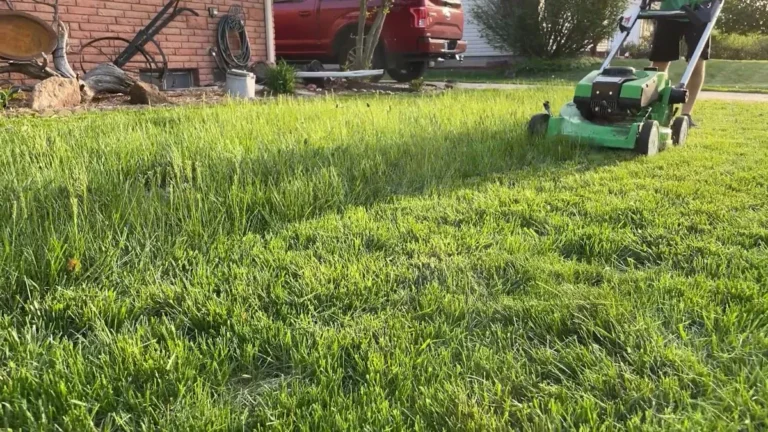


Choosing the right mower for large lawns is crucial for maintaining a healthy and attractive yard. The type of mower you select can greatly impact your efficiency and overall mowing experience. For instance, zero-turn mowers excel in maneuverability, making them ideal for properties with many obstacles. On the other hand, lawn tractors provide stability and power, which suits uneven terrain. As you consider your options, remember that larger lawns often require more robust and potentially pricier mowers, while smaller areas can benefit from lighter, less expensive models.
Key Takeaways
Zero-turn mowers offer exceptional maneuverability, making them ideal for lawns with many obstacles. They can turn on a dime, reducing the need for extra trimming.
Lawn tractors provide stability and versatility, suitable for uneven terrain. They can handle slopes up to 15 degrees and can be used for various yard tasks with attachments.
Consider your lawn’s size and terrain when choosing a mower. Zero-turn mowers excel on flat lawns, while lawn tractors are better for hilly areas.
Evaluate your budget and maintenance preferences. Zero-turn mowers may have higher upfront costs but can save time, while lawn tractors generally require less maintenance.
Prioritize comfort and ease of use. Lawn tractors offer a familiar driving experience, while zero-turn mowers require more skill to operate effectively.
Zero-Turn Mowers Overview
Zero-turn mowers are specialized lawn care machines designed for efficiency and precision. They feature a unique steering system that allows you to turn the mower in place, making them ideal for navigating around obstacles like trees and flower beds. This design enables you to achieve a professional-looking lawn with minimal effort.
Advantages of Zero-Turn Mowers
Zero-turn mowers offer several advantages that make them popular among homeowners and landscapers alike:
Exceptional Maneuverability: You can pivot 180 degrees without leaving uncut grass. This feature allows you to navigate tight spaces easily.
Speed: These mowers can reach speeds of up to 7–10 mph, allowing you to cover large areas quickly.
Cutting Precision: The design creates uniform cuts with clean, sharp turns, enhancing the overall appearance of your lawn.
Comfort: Many models come with high-back seats and armrests, reducing fatigue during long mowing sessions.
Experts recommend zero-turn mowers for large, flat properties. Their ability to make tight turns without leaving uncut grass makes them particularly effective in landscapes with obstacles. You can significantly reduce mowing time while maintaining a manicured finish.
Disadvantages of Zero-Turn Mowers
Despite their many benefits, zero-turn mowers have some drawbacks:
Safety Concerns: They are unsafe on slopes greater than 10 degrees, which can lead to rollovers.
Wet Conditions: Mowing on wet ground increases the risk of slipping and losing control.
Environmental Impact: Gas-powered models contribute to air pollution, emitting hydrocarbons similar to driving a car for about 200 miles in just one hour.
Lawn Tractors Overview
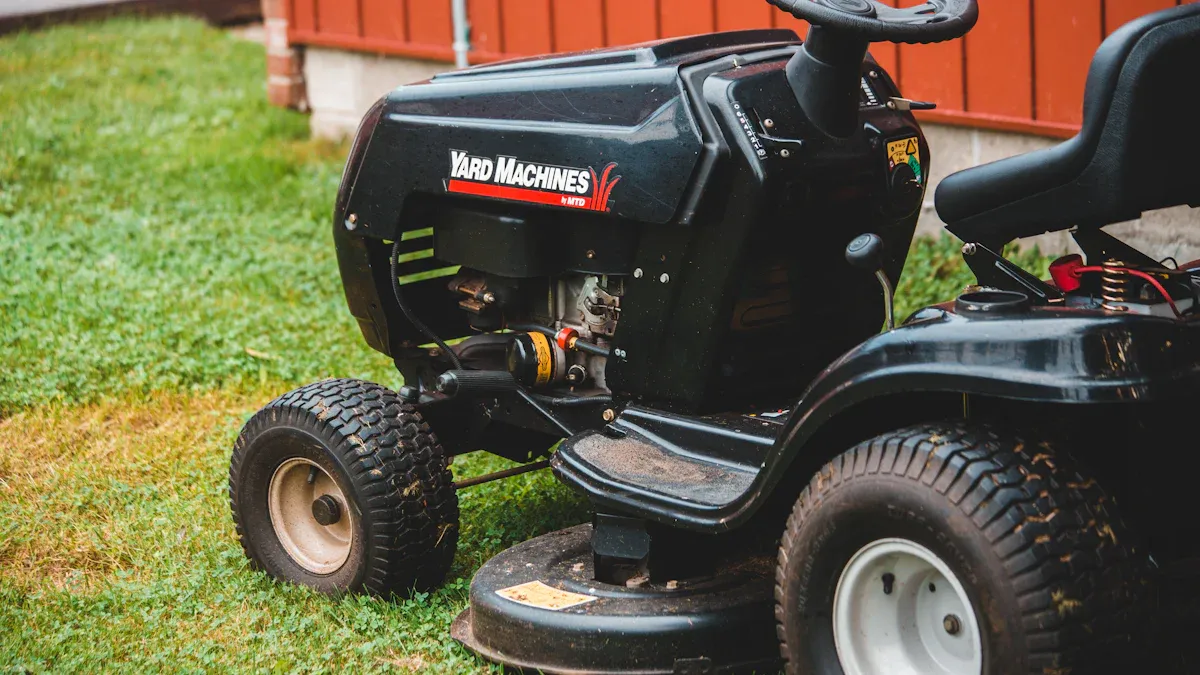
Lawn tractors are versatile machines designed for larger lawns. They resemble traditional riding mowers but offer more features and capabilities. With a front-mounted engine and a steering wheel, you can operate them like a car. This design provides stability and comfort, especially on uneven terrain.
Advantages of Lawn Tractors
Lawn tractors come with several benefits that make them a popular choice for homeowners:
Versatility: You can attach various tools, such as utility carts, sprayers, and snow blowers. This feature allows you to use your tractor for multiple yard tasks throughout the year.
Stability: Lawn tractors perform well on slopes up to 15 degrees. Their larger rear wheels provide better traction, making them suitable for uneven ground.
Efficiency: Many models feature larger cutting decks, allowing you to cover more ground in less time. This efficiency is especially beneficial for large lawns, typically about an acre or more.
Comfort: Ergonomic seating and intuitive controls enhance your mowing experience. You can operate them easily, similar to driving a car.
Disadvantages of Lawn Tractors
While lawn tractors have many advantages, they also have some drawbacks:
Maneuverability: They require more turning space compared to zero-turn mowers. This limitation can make it challenging to navigate tight spaces or areas with many obstacles.
Speed: Lawn tractors generally mow at speeds of 3-5 mph, which is slower than zero-turn mowers that can reach speeds of 8-13 mph. This difference may affect your overall mowing time.
Cutting Precision: While they provide a good cut, they may not achieve the same level of precision as zero-turn mowers, especially in intricate landscapes.
Comparative Analysis of Mowers
Maneuverability and Speed
When it comes to maneuverability, zero-turn mowers clearly outperform lawn tractors. You can turn a zero-turn mower on a dime, allowing you to navigate around obstacles without leaving uncut grass. In contrast, lawn tractors have a wider turning radius, which may require additional trimming in tight spaces.
Here’s a quick comparison of their maneuverability:
Feature | Zero-Turn Mower | Lawn Tractor |
|---|---|---|
Maneuverability | ✅ Turns on a dime, no need for extra trimming | ❌ Wider turning radius, may require additional trimming |
Speed is another area where zero-turn mowers shine. They typically mow at speeds ranging from 5 to 8 mph, allowing you to cover large areas quickly. Lawn tractors, on the other hand, usually operate at slower speeds of 3 to 5 mph. This difference can significantly impact your overall mowing time, especially on expansive lawns.
Mower Type | Average Speed (MPH) |
|---|---|
Zero-Turn Mower | 5 – 8 |
Lawn Tractor | 3 – 5 |
Cutting Efficiency and Lawn Quality
Cutting efficiency is crucial for maintaining a healthy lawn. Zero-turn mowers provide precise and even cuts, leading to a cleaner lawn appearance. They can mow at higher speeds, which enhances efficiency and reduces missed spots. In fact, experts like Jeff Ellis, a maintenance manager, note that zero-turn mowers significantly improve speed and turnaround time on jobs.
On the other hand, lawn tractors, while stable and effective for larger areas, may leave uneven patches, especially in tight corners. Their slower speeds can contribute to this issue. Here’s a summary of how each mower affects lawn quality:
Zero-Turn Mowers: Provide precise and even cuts, leading to a cleaner lawn appearance.
Lawn Tractors: Operate at slower speeds, which can result in uneven patches, especially in tight corners.
Maintenance and Cost
Maintenance is an essential consideration when choosing between these mowers. Zero-turn mowers often require more frequent maintenance due to their complex steering systems and higher speeds. However, the operational cost for a zero-turn mower averages around $15 per hour based on a $15,000 purchase price.
In contrast, lawn tractors generally have lower maintenance costs. They are simpler machines, which can lead to fewer repairs over time. For example, a comprehensive maintenance service for a lawn tractor might cost around $429.99, which includes cleaning and diagnostics to ensure optimal performance.
When considering the cost comparison, think about both the initial purchase price and the long-term maintenance expenses. Zero-turn mowers may have a higher upfront cost, but their efficiency can save you time and money in the long run.
Choosing the Right Mower
Assessing Lawn Conditions
Before selecting a mower, you must assess your lawn’s conditions. Consider the following factors:
Yard Size: The size of your lawn plays a crucial role in determining the right mower. Larger areas often require more powerful mowers to cover the ground efficiently.
Terrain Type: Evaluate whether your lawn is flat or hilly. Zero-turn mowers excel on flat surfaces, while lawn tractors perform better on slopes.
Obstacles: Identify any trees, flower beds, or other features that may affect your mowing. Zero-turn mowers are ideal for navigating around obstacles due to their tight turning radius.
Here’s a table summarizing the important lawn conditions to consider:
Condition | Description |
|---|---|
Yard size | Match the mower to your yard size; larger properties require riding mowers with powerful engines. |
Terrain type | Hilly yards may need more power or larger tires; flat terrain can work with smaller mowers. |
Obstacles | Precise turning is needed around trees; zero-turn mowers are beneficial for handling slopes. |
Gates and storage | Ensure the mower fits through gates and has adequate storage space in your garage or shed. |
User Preferences and Budget
Your preferences and budget also significantly influence your choice. Think about the following:
Comfort and Ease of Use: If you prioritize comfort, lawn tractors may be the better option. They offer a stable and familiar experience, making them easier to handle, especially on uneven terrain. Zero-turn mowers provide speed and maneuverability but require more skill to operate.
Versatility: Lawn tractors can accommodate various attachments for different tasks, making them more versatile for your lawn care needs. If you plan to use your mower for tasks beyond cutting grass, this feature may be essential.
Budget Considerations: Determine how much you are willing to spend. Zero-turn mowers often have a higher upfront cost but can save you time and effort in the long run. Lawn tractors may have lower initial costs but could require more maintenance over time.
When choosing between zero-turn mowers and lawn tractors, consider your lawn’s features and your personal preferences. This approach will help you find the best mower for your large or complex lawns.
Choosing between zero-turn mowers and lawn tractors depends on your specific lawn needs. If you have a large, flat area with many obstacles, zero-turn mowers offer superior maneuverability and speed. Recent consumer satisfaction surveys show that brands like Kubota and John Deere lead in reliability and owner satisfaction for zero-turn mowers. However, if your lawn features uneven terrain or you need versatility for various tasks, lawn tractors may be the better choice. They provide stability and ease of use, making them suitable for different yard tasks. Ultimately, assess your lawn’s conditions and your preferences to make the best decision for your mowing needs.
FAQ
What is the main difference between zero-turn mowers and lawn tractors?
Zero-turn mowers excel in maneuverability and speed, making them ideal for flat lawns with obstacles. Lawn tractors offer stability and versatility, suitable for uneven terrain and various yard tasks.
Can I use a zero-turn mower on hilly terrain?
You should avoid using zero-turn mowers on slopes greater than 10 degrees. Their design makes them prone to rollovers in hilly areas, which can be dangerous.
How much maintenance do these mowers require?
Zero-turn mowers typically need more frequent maintenance due to their complex systems. Lawn tractors generally require less maintenance, making them easier to care for over time.
Are zero-turn mowers worth the investment?
If you have a large, flat lawn with many obstacles, zero-turn mowers can save you time and effort. Their efficiency often justifies the higher upfront cost.
What attachments can I use with lawn tractors?
Lawn tractors are versatile and can accommodate various attachments, such as utility carts, snow blowers, and sprayers. This feature allows you to tackle multiple yard tasks throughout the year.