
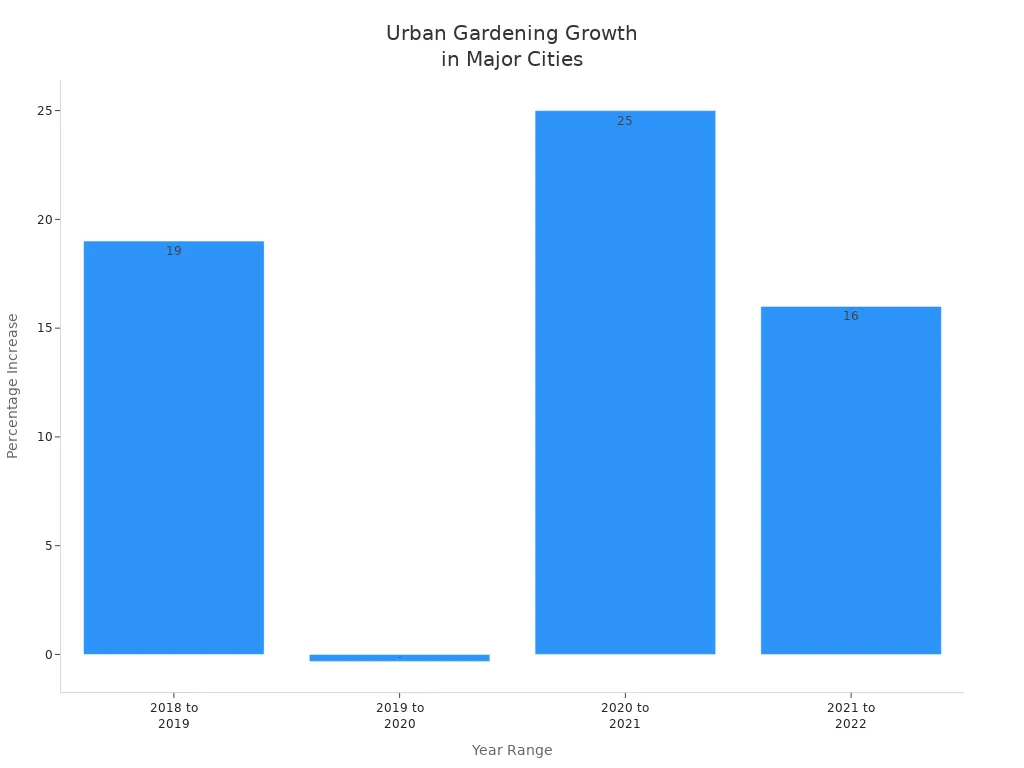
Urban gardening strategies bring a breath of fresh air to tight city spaces. You can transform balconies, walls, and rooftops into lush green retreats. Did you know that the urban gardening market is expected to grow from $136 billion in 2020 to $286 billion by 2030? This trend shows how more people are embracing the joy of growing their own plants.
Here are some benefits you’ll enjoy with urban gardening strategies:
Fresh produce right at your doorstep.
Improved mental and physical well-being.
Increased biodiversity in your neighborhood.
A vibrant community spirit as you connect with fellow gardeners.
With limited space, you can still cultivate a thriving garden that enhances your environment and lifestyle through effective urban gardening strategies.
Key Takeaways
Maximize your space by using vertical gardening techniques to grow more plants in small areas.
Enjoy the mental and physical health benefits that come from gardening, such as reduced stress and increased happiness.
Support the environment by improving air quality and promoting biodiversity through your urban garden.
Choose the right plants for your space, focusing on compact varieties that thrive in limited conditions.
Engage with your community by participating in or starting a community garden to enhance local food access.
Vertical Gardening Basics
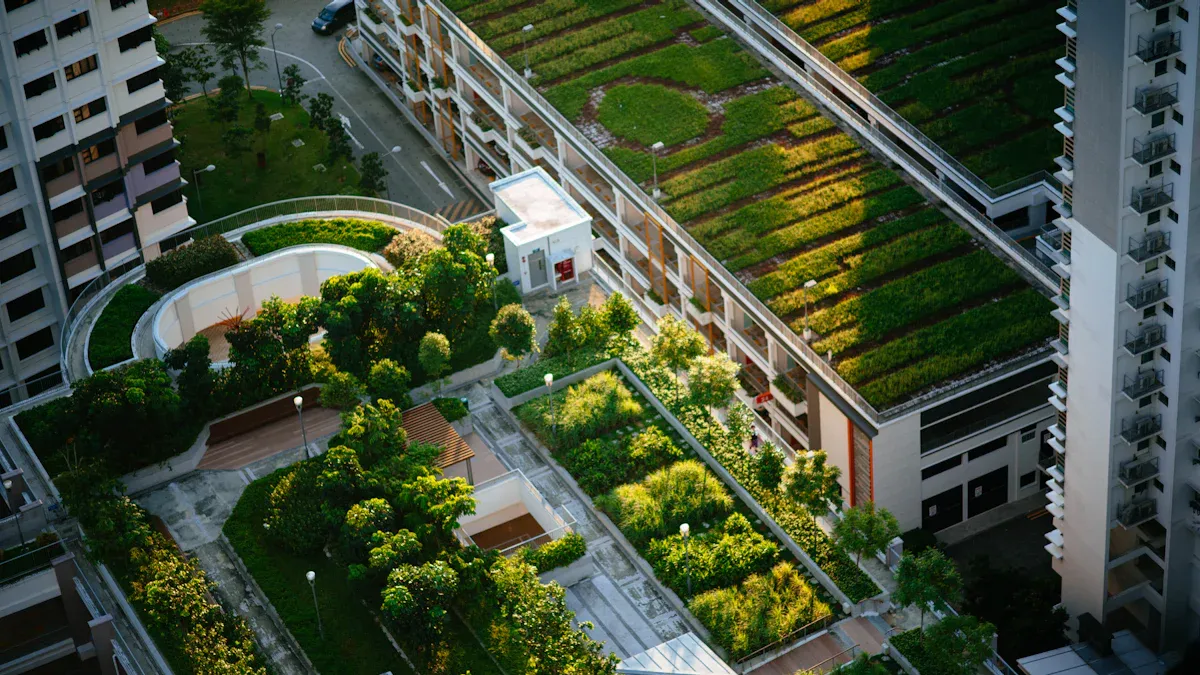
Vertical gardening is a fantastic way to make the most of your limited space in urban environments. By growing plants upward instead of outward, you can create a lush garden even in the smallest areas. Let’s explore some popular structures for vertical urban gardens and the benefits they offer.
Structures for Vertical Urban Gardens
When it comes to vertical gardening, you have several options to choose from. Here are some popular structures that can help you maximize your space:
Vertical Planters: These are perfect for small spaces. You can find tiered or wall-mounted versions that fit snugly against walls.
Trellises and Arbors: These structures support climbing plants, allowing them to grow upward and save ground space.
Hanging Baskets: Great for trailing plants, hanging baskets add visual interest and utilize overhead space effectively.
Pallet Gardens: Eco-friendly and cost-effective, these gardens use repurposed materials like old pallets to create a unique planting area.
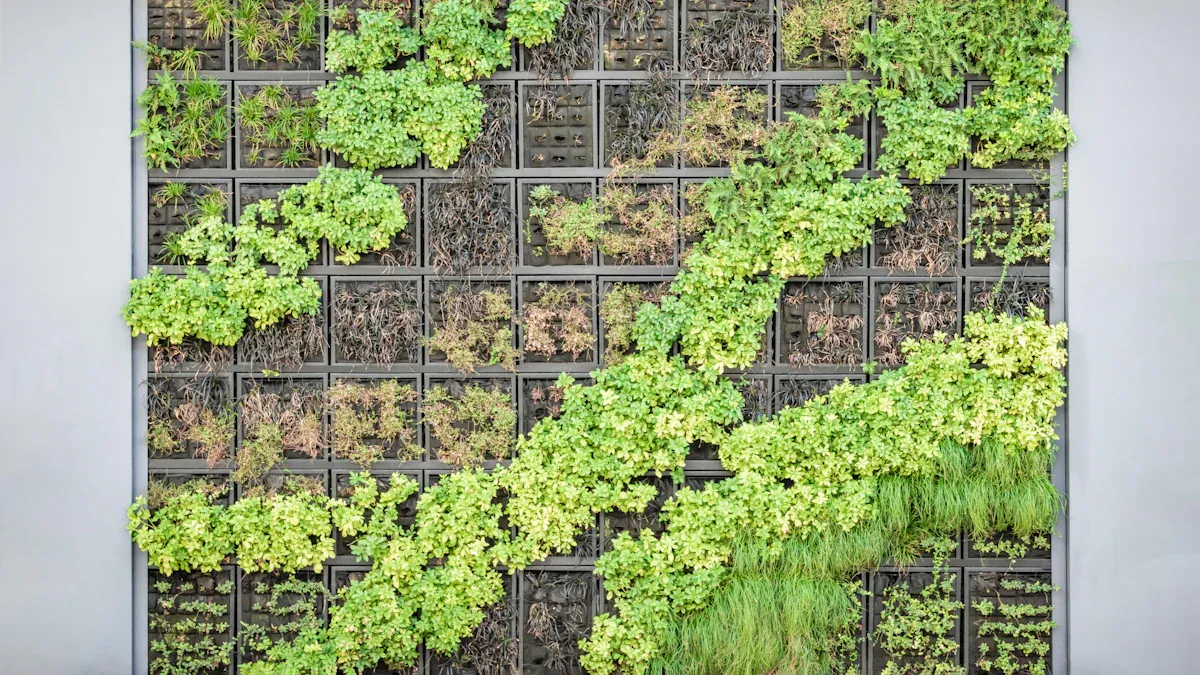
Living Walls: These decorative structures not only look beautiful but also improve air quality and enhance the aesthetics of your space.
You can also get creative with materials. Consider using upcycled containers like tin cans or mason jars for a vertical herb garden. You might even transform an old ladder into a vertical planter!
Benefits of Vertical Gardening
Vertical gardening offers numerous advantages, especially in urban settings. Here’s why you should consider it:
Maximizing Space: Vertical gardens can produce up to 10 times more yield per square foot compared to traditional gardening. This makes them ideal for apartments and areas with limited ground space.
Environmental Impact: Vertical gardens improve air quality by absorbing pollutants and converting CO2 into oxygen. They also help mitigate the urban heat island effect, making cities cooler.
Biodiversity: These gardens support various plant species and provide habitats for wildlife, enhancing biodiversity in your neighborhood.
Noise Reduction: Plants act as natural sound barriers, reducing noise pollution in busy urban areas.
Rainwater Management: Vertical gardens absorb rainwater, delaying its discharge into sewage systems and helping manage stormwater.
By incorporating vertical gardens into your urban lifestyle, you not only beautify your space but also contribute positively to the environment. So, why not start planning your vertical garden today?
Rooftop Gardens Essentials
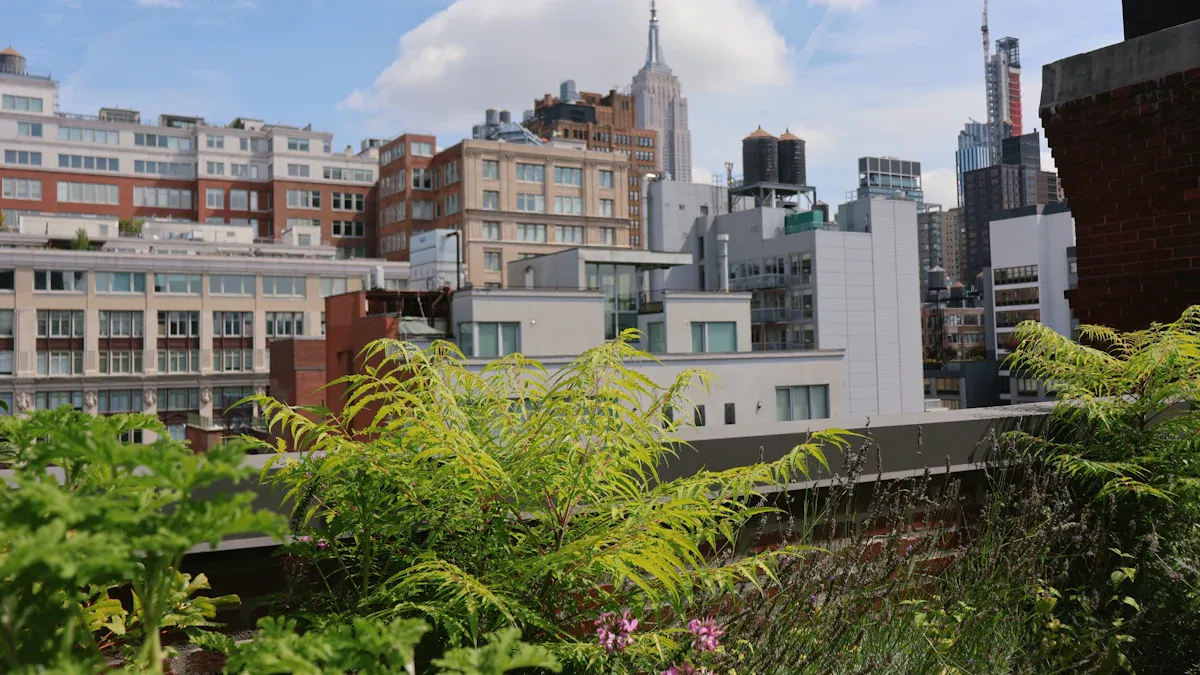
Creating a rooftop garden can be a rewarding experience, but it requires careful planning and consideration. Let’s dive into how you can design a productive rooftop garden and ensure safety while you’re at it.
Designing Productive Rooftop Gardens
To make the most of your rooftop space, you should follow some key design principles. Here’s a list to guide you:
Efficient Use of Space: Maximize your limited area by incorporating vertical gardening techniques. This allows you to grow more plants without taking up too much ground space.
Privacy and Security: Use trellises and dense plants to create secluded areas. This not only enhances your garden’s aesthetics but also provides a sense of tranquility.
Easy Maintenance: Choose plants that require minimal care. This will save you time and effort while keeping your garden thriving.
Visual Interest and Aesthetics: Incorporate a variety of textures and colors. This makes your rooftop garden visually appealing and inviting.
Sustainability: Opt for native plants and eco-friendly materials. This choice supports local ecosystems and reduces your environmental footprint.
Flexibility for Use: Design your rooftop for various activities, whether it’s relaxing, entertaining, or growing food.
When planning your layout, consider the following strategies to maximize yield:
Strategy | Description |
|---|---|
Sunlight Exposure | Utilize south-facing terraces for maximum sunlight; use shade-tolerant plants in shaded areas. |
Soil Selection | Lightweight potting mixes and organic compost improve fertility and water retention. |
Modular and Vertical | Stacked planters and trellises optimize space and allow climbing plants to thrive. |
Crop Selection | Choose plants suited to your local climate; rotate crops and use companion planting for better yields. |
Water Management | Implement drip irrigation and rainwater harvesting to optimize water use and plant health. |
Technology Integration | Use hydroponics to maximize yield in limited spaces while minimizing water use. |
Safety Tips for Rooftop Gardening
Safety is crucial when you’re gardening on a rooftop. Here are some important considerations to keep in mind:
Weight-bearing Capacity: Before you start, assess whether your rooftop can support the additional load of a garden. This is essential to prevent structural issues.
Waterproofing: Installing a waterproofing membrane is critical. It protects your building from water damage caused by excess moisture.
Drainage Systems: Effective drainage is necessary to prevent water accumulation. This helps avoid potential structural problems.
Additionally, always consult with professionals to understand specific requirements and restrictions. Structural engineers can help determine the maximum load capacity of your rooftop.
For safe access and maintenance, consider these key points:
Key Considerations | Description |
|---|---|
Structural Capacity | Ensure the building can support the weight of the green roof and its components. |
Plant Selection | Choose appropriate plant species that can thrive in rooftop conditions. |
Waterproofing | Implement effective waterproofing to prevent leaks and damage to the building. |
Drainage Systems | Install proper drainage to manage water flow and prevent pooling. |
Maintenance Requirements | Regularly inspect roof membranes, drainage paths, and perform necessary watering and weeding. |
By following these design principles and safety tips, you can create a beautiful and functional rooftop garden that enhances your urban living experience.
Choosing Plants for Small Spaces
When it comes to selecting plants for your small gardens, you want to choose wisely. The right plants can make all the difference in maximizing your space and ensuring a thriving garden. Here are some recommendations for both vertical and rooftop gardens.
Best Plants for Vertical Gardening
For vertical gardening, consider these fantastic options:
Berries: They grow well on trellises and provide delicious fruit.
Cucumbers: These climbing plants thrive on vertical supports.
Tomatoes: Indeterminate varieties can be trained to climb, saving space while offering a bountiful harvest.
Herbs: Compact herbs like basil and chives are perfect for vertical gardens. They add flavor to your meals and require minimal space.
Tip: Look for dwarf or bush-type plants. They fit perfectly in small spaces and still provide plenty of yield.
Ideal Plants for Rooftop Gardens
Rooftop gardens can be a bit different due to their unique conditions. Here are some ideal plants for these elevated spaces:
Succulents: These drought-resistant plants thrive in sunny conditions and require little maintenance.
Leafy Greens: Varieties like spinach and kale do well in partial shade, making them perfect for rooftop gardens.
Peppers: Both sweet and spicy varieties grow well in containers and add color to your garden.
Native Plants: They enhance biodiversity and support local wildlife, making them resilient choices for your rooftop.
Understanding sunlight exposure is crucial. Leafy greens thrive in less light, while herbs like parsley and mint adapt well to lower light conditions.
Soil quality also plays a significant role in your garden’s success. Use a lightweight potting mix that retains moisture but drains well. This helps your plants flourish, especially in small gardens where soil depth may be limited.
By choosing the right plants and ensuring they have the proper sunlight and soil, you can create a vibrant and productive garden in your urban space.
Sustainable Urban Gardening Practices
Caring for your urban garden is essential for its success. With a few simple strategies, you can maintain a thriving space that contributes to sustainability. Here are some care and maintenance tips to keep your garden healthy and productive.
Care and Maintenance Tips
Regular Site Inspections: Check your garden often. Look for signs of pests or diseases. Adjust your maintenance based on what you find.
Seasonal Plant Care: Different seasons bring different needs. Make sure to address your plants’ requirements as the weather changes.
Natural Pest Control: Instead of harsh chemicals, consider using beneficial insects. They can help manage pests without harming your plants.
To enhance soil health, use organic methods like composting. This enriches your soil and avoids chemical fertilizers. You can also conserve water by choosing native plants that require less maintenance. Here are some additional sustainable practices to consider:
Waste Reduction: Compost kitchen scraps and garden waste. This creates organic manure and reduces landfill waste.
Seed Saving: Harvest seeds from local plants. This reduces the need for new purchases and helps your plants adapt to local conditions.
Utilize Low-Maintenance Plants: Select drought-resistant plants that require less care. This makes your gardening experience easier and more enjoyable.
Irrigation Solutions for Urban Gardens
Watering your garden efficiently is crucial, especially in urban settings where resources may be limited. Here are some effective irrigation solutions:
Irrigation Method | Benefits | Suitability for Urban Gardens |
|---|---|---|
Drip Irrigation | – Reduces water usage by up to 60% | Ideal for limited space and water supply |
Soaker Hoses | – Easy installation | Great for small vegetable or flower gardens |
Rainwater Harvesting | – Eco-friendly | Perfect for capturing water in urban settings |
Implementing these irrigation methods can help you conserve water and save time. You can also create an irrigation system that fits your garden’s needs. For example, consider using rain barrels to collect rainwater. This not only minimizes water costs but also supports sustainability.
By combining these care and maintenance tips with effective irrigation solutions, you can create a flourishing urban garden. Remember, every small effort counts towards a more sustainable urban gardening project.
Creative Urban Gardening Ideas
Unique Vertical Gardening Concepts
You can get really creative with vertical gardening! Here are some innovative concepts that can transform your urban space:
Recycled Pallet Planters: Old pallets make fantastic multi-tier planters for herbs and vegetables.
Shoe Organizer Gardens: Use shoe organizers as vertical planters to save space while growing your favorite veggies.
Rain Gutter Gardens: Attach horizontal rain gutters to walls for a neat and tidy vertical garden.
Living Wall Installations: These artistic vertical gardens not only beautify your space but also improve air quality.
Pocket Planters: Compact plant pockets utilize wall space effectively, adding greenery without taking up much room.
Hydroponic Vertical Gardens: These innovative gardens let plants grow in nutrient-rich water, defying gravity and maximizing space.
These practical applications of vertical gardening not only maximize greenery in limited spaces but also purify the air by filtering pollutants, which is crucial in urban areas.
Community and Edible Gardens
Community-led urban gardening is a fantastic way to bring people together while enhancing local food production. Here’s how edible landscaping can make a difference:
It transforms underutilized urban spaces into productive areas for food production, directly addressing food scarcity.
Fresh produce becomes accessible in urban areas, especially in food deserts, enhancing access to nutritious food.
This practice fosters community engagement and strengthens the bond between people and their food sources, promoting awareness of sustainable food systems.
By creating local food networks, edible landscapes help fill nutritional gaps in underserved neighborhoods.
They reduce food miles, minimizing carbon emissions associated with food transportation by making fresh produce available locally.
Engaging in community gardening not only beautifies your neighborhood but also creates job opportunities in gardening, education, and culinary roles, contributing to local economic development.
Embrace these creative ideas and watch your urban garden flourish!
Urban gardening strategies offer you a fantastic way to transform your small space into a green oasis. By utilizing vertical and rooftop gardens, you can grow fresh produce, enhance your surroundings, and contribute to a healthier environment.
Here are some key takeaways to inspire you:
Maximize Your Space: Use vertical gardening techniques to grow more in less area.
Boost Your Well-being: Enjoy the mental and physical health benefits that come from gardening.
Support the Environment: Urban gardens improve air quality and promote biodiversity.
Now is the perfect time to start your own garden! Whether you have a balcony or a rooftop, you can make a difference. Embrace the joy of growing your own plants and enjoy the many rewards that come with it.