
Starting a flower garden fills you with excitement and joy. Did you know that 84% of U.S. households engage in gardening activities each year? When you start a flower garden, you not only beautify your space but also enjoy amazing psychological benefits. It encourages mindfulness, calms your nerves, and boosts your mood. Understanding the differences between perennials and annuals helps you plan and maintain a stunning garden. With the right knowledge, you can create a vibrant oasis that brings you happiness and peace.
Key Takeaways
Understand the difference between perennials and annuals. Perennials return year after year, while annuals complete their life cycle in one season.
Choose the right site for your garden. Ensure it receives at least six hours of sunlight daily and has good drainage to support healthy plants.
Prepare your soil before planting. Test its quality, add organic matter, and maintain coverage to promote nutrient retention and plant health.
Follow best practices for planting annuals. Space plants properly, handle roots gently, and use organic fertilizers for optimal growth.
Design your garden with color schemes and seasonal blooms in mind. Mix perennials and annuals for continuous color and visual interest throughout the year.
Perennials vs. Annuals
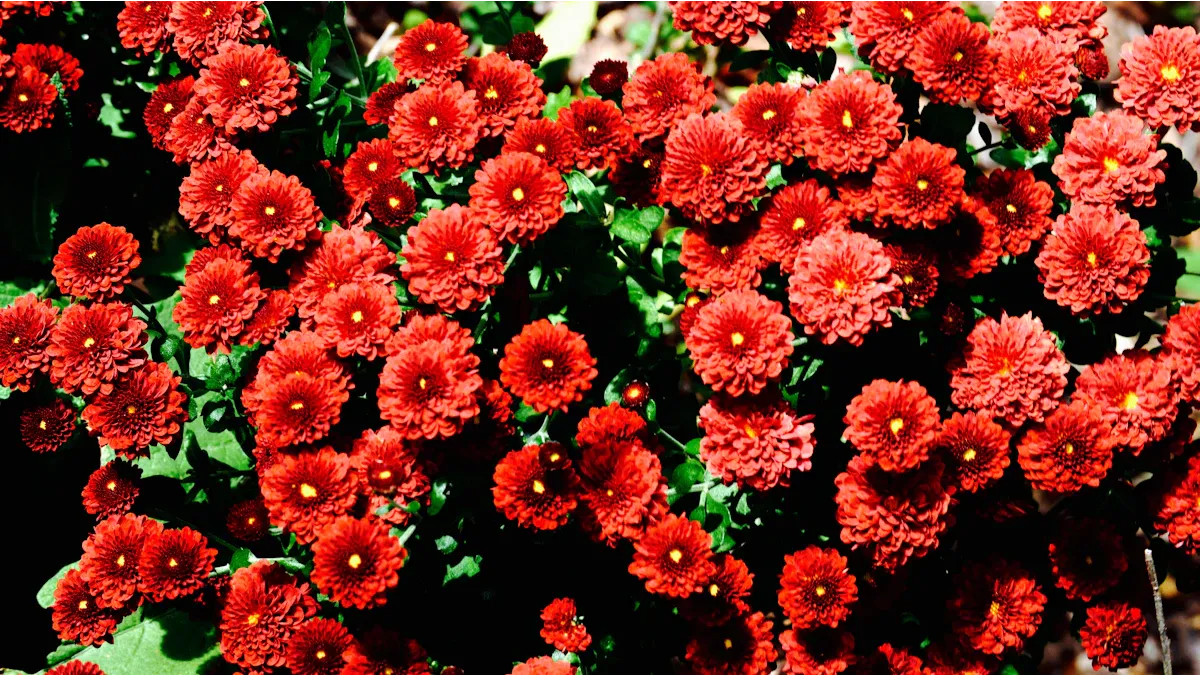
When starting your flower garden, understanding the differences between perennials and annuals is crucial. Each type of plant has unique characteristics that can affect your gardening experience.
Characteristics of Perennials
Perennials are the long-term champions of your garden. These plants live for three years or more, returning year after year. They often bloom beautifully in spring and summer, providing consistent color and interest. Here are some key points about perennials:
Longevity: They come back each year, which means less replanting for you.
Maintenance: Once established, perennials generally require less upkeep compared to annuals. They can survive winter dormancy and return in spring, making them hardy choices for your garden.
Varieties: Popular perennial varieties include daisies, yarrow, and hydrangeas. These plants can last for decades, adding stability and beauty to your landscape.
Here’s a quick comparison of their growth cycle:
Type | Growth Cycle Description |
|---|---|
Perennials | Live for three years or longer, returning year after year, with varying lifespans among species. |
Characteristics of Annuals
On the other hand, annuals are the vibrant, short-term stars of your garden. They complete their life cycle in just one growing season. Here’s what you need to know about annuals:
Life Cycle: Annuals germinate, flower, set seed, and die all within one season. This means they focus on reproduction, blooming continuously until the first frost.
Replanting: You’ll need to replant annuals every year, which can be more work but also allows for fresh looks each season.
Varieties: Some popular annuals include sunflowers, cosmos, and nasturtiums. They provide a burst of color and can fill gaps in your garden when perennials are dormant.
Here’s a quick look at their growth cycle:
Type | Growth Cycle Description |
|---|---|
Annuals | Complete their life cycle in one growing season, germinating, flowering, and dying within that time. |
Choosing the Right Type for Your Garden
When deciding between perennials and annuals, consider your gardening goals. If you want a low-maintenance garden that provides beauty year after year, perennials are the way to go. However, if you enjoy changing your garden’s look frequently and love vibrant blooms, annuals might be your best bet.
How to Start a Flower Garden
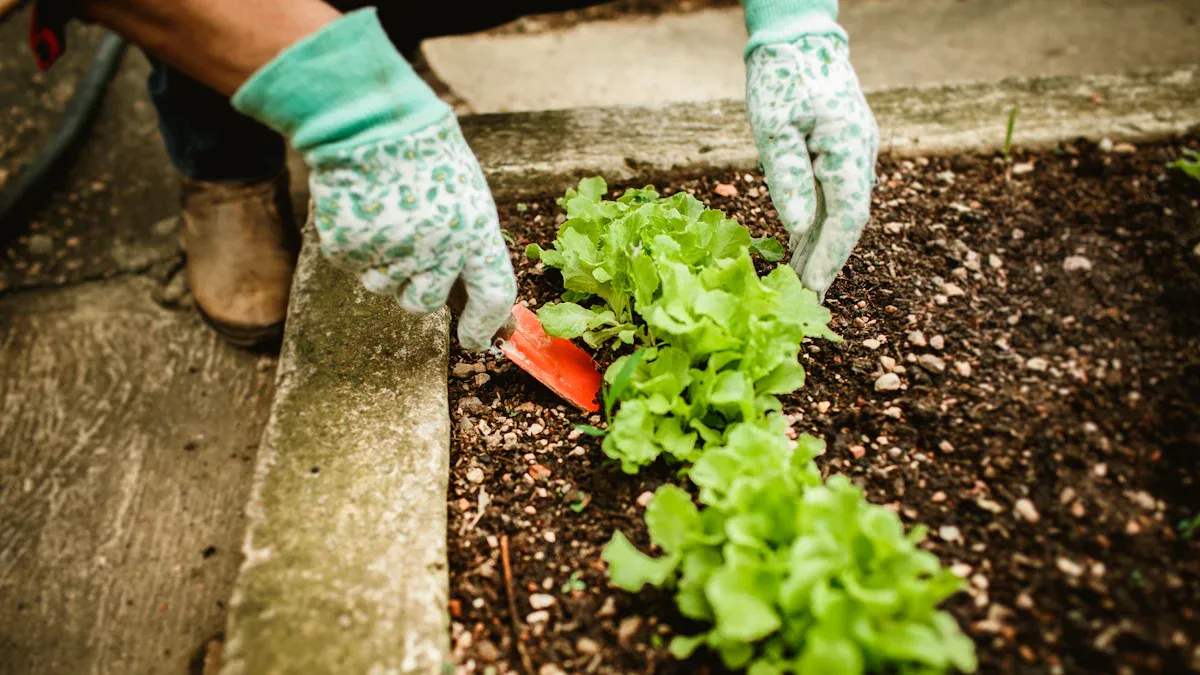
Site Selection
Choosing the right site for your flower garden is crucial. You want to ensure your plants thrive, so consider the following steps:
Chart the sun: Create a chart to track sunlight exposure in potential areas. Note how many hours of sun each spot receives throughout the day.
Map the shade: Use a site plan to observe and color in shaded areas at different times. This helps you identify where sunlight is available.
Purchase a tool to measure the sun: Consider using instruments that measure sunlight for more accurate readings.
Test the drainage: Dig a 12-inch deep hole, fill it with water, and time how long it takes to drain. This will help you assess the soil drainage, which is vital for healthy plants.
Remember, most flowering plants love sunlight. Aim for a location that gets at least six hours of direct sunlight daily. If your garden area has poor drainage, you might face issues with root rot and other problems.
Soil Preparation
Once you’ve selected the perfect spot, it’s time to prepare the soil. Good soil is the foundation of a successful flower garden. Here are some best practices to improve soil quality before planting:
Conduct soil testing to assess pH, nutrient, and organic matter levels.
Add organic matter, like compost, to enhance soil health.
Maintain soil coverage with diverse plants to protect soil structure.
Minimize soil disturbance to preserve earthworm burrows and soil aggregates.
Soil quality impacts nutrient uptake, water retention, and overall plant health. Different soil types, such as topsoil and compost, offer unique benefits for specific plants. Matching your flowers to the right soil type leads to healthier blooms and higher yields.
Tip: Keep soil covered at all times to prevent erosion and nutrient runoff. This practice supports microbial diversity, which is essential for thriving plants.
By taking the time to select the right site and prepare your soil, you set the stage for a beautiful flower garden that flourishes with vibrant colors and life.
Planting Techniques for Annual Flowers
Best Practices for Annuals
When you plant annual flowers, following best practices can make a big difference in their growth and health. Here are some tips to keep in mind:
Prepare the Soil: Start with well-drained soil that has a pH between 6.3 and 6.7. You can improve your soil by adding peat moss or compost.
Space Your Plants: Give your young plants enough room to grow. Small or slow-growing plants should be spaced about one inch apart, while larger seedlings need about two inches.
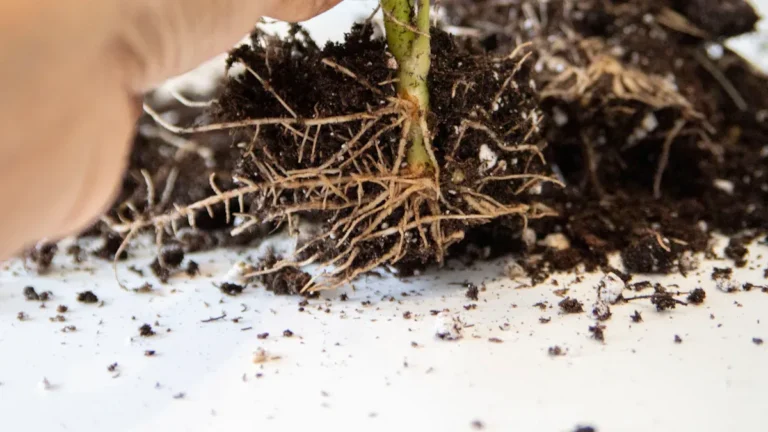
Handle Roots Carefully: If your seedlings are potbound, break apart the roots gently before planting. This encourages them to spread out and grow better.
Fertilize Wisely: Use organic or slow-release fertilizer when you plant. This gives your annuals the nutrients they need right from the start.
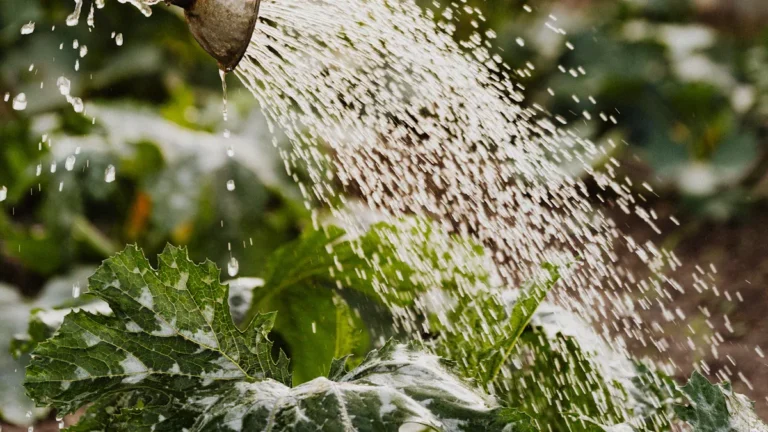
Water Smartly: Water your plants regularly, but avoid overhead watering to prevent fungal issues. Gentle watering helps establish roots without disturbing the soil.
Timing Your Planting
Timing is key when it comes to planting annuals. Here’s what you should know:
Know Your Frost Dates: Tender annuals, like marigolds and petunias, should go in the ground after the last frost in late spring or early summer. This ensures they thrive in warm soil.
Consider Cool-Season Annuals: If you’re planting cool-season annuals, such as pansies, you can start as early as spring after the last frost. These flowers can handle cooler temperatures and will bloom beautifully.
Regional Variations: Different regions have unique planting times. For example, in Eastern North America, temperature sensitivity can affect when you plant. Always check local guidelines to find the best time for your area.
By following these planting techniques, you’ll set your annual flowers up for success. With the right care and timing, your garden will burst with color and life!
Ongoing Care for Perennials and Annuals
Watering and Fertilizing
Caring for your flowers means paying attention to their watering and fertilizing needs. Here’s how you can keep your perennials and annuals thriving:
Watering Schedule:
Water thoroughly at planting time and keep the soil moist until you see new growth.
Once established, water your plants once a week, providing about one inch of water.
Use 3-4 inches of mulch around your plants to retain moisture and keep the root zone cool.
Fertilizing Tips:
Use fertilizers rich in Nitrogen (N) for lush foliage growth.
Choose fertilizers with higher Phosphorus (P) percentages to promote blooming and fruit formation.
Potassium (K) supports healthy root systems, which are crucial for vibrant flowers.
Consider organic fertilizers, as they improve soil health and are safe for wildlife.
Pest Management
Pests can be a real headache in your flower garden. Here are some strategies to manage them effectively:
Common pests include aphids, cabbage moth worms, and leaf miners. Not all insects are harmful; some help break down organic matter and aerate the soil.
Try companion planting. This organic practice uses flowers and herbs to enhance plant growth and enrich the soil. It encourages biodiversity, which helps control pests naturally.
To keep your garden healthy, remember to deadhead your flowers regularly. This simple practice removes faded blooms, encouraging your plants to produce new flowers instead of focusing on seed production. It’s especially important for annuals, as it extends their blooming period and improves the overall look of your garden.
Weeding is another essential part of ongoing care. Here are some effective strategies:
Let sleeping weeds lie. Avoid disturbing the soil too much to prevent bringing hidden weed seeds to the surface.
Mulch, mulch, mulch! Use organic materials to cover the soil, keeping it cool and moist while blocking light from weeds.
Mind the gaps between plants. Plant closely to shade the soil and prevent weed growth.
Water the plants you want, not the weeds you’ve got. Use drip irrigation to target desired plants and reduce water for weeds.
By following these care tips, you’ll ensure your flower garden remains vibrant and healthy throughout the seasons!
Design Tips for Your Flower Garden
Color Schemes
Choosing the right color scheme can transform your flower garden into a stunning visual masterpiece. Here are some popular combinations to consider:
Bold Primary Colors: Red, yellow, and blue create a striking visual impact, especially in full-sun gardens. These colors can energize your space and draw attention.
Pastel Colors: Soft shades like pink, lavender, and light blue can create a calming atmosphere. However, they may appear washed out in bright sunlight, so consider your garden’s light conditions.
Black and White Combinations: Pairing black and white flowers adds sophistication. This classic look can be especially striking in larger garden spaces.
When you pair plants, think about how their colors complement each other. For example, a vibrant yellow sunflower next to deep purple asters creates a beautiful contrast that catches the eye.
Seasonal Blooms
To keep your garden lively throughout the year, plan for seasonal blooms. Here are some strategies to ensure continuous color:
Staggered Bloom Times: Select perennials with different bloom periods. This way, you’ll have flowers popping up at various times.
Succession Planting: Plant flowers in waves throughout the season. This method extends the blooming period and keeps your garden looking fresh.
Mix Perennials and Annuals: Combining these plants fills gaps in blooming. Annuals can provide immediate color while perennials establish themselves.
To optimize your layout, consider varying plant heights. Place taller plants at the back and shorter ones in front. This creates depth and visual interest. You can also change your plant display with the seasons by adding seasonal decorations or specific varieties that bloom at different times.
By thoughtfully designing your flower garden, you’ll create a vibrant space that delights the senses all year round!
Starting your flower garden is an exciting journey! Remember, choosing the right flowers is essential. Perennials offer long-lasting beauty with less maintenance, while annuals bring vibrant colors and fill gaps in blooming. Proper care, like watering and fertilizing, keeps your plants healthy. Thoughtful design enhances your garden’s visual appeal and can even incorporate elements like edible landscaping.
By avoiding common mistakes, such as planting too early or ignoring soil conditions, you set yourself up for success. With patience and creativity, you can create a thriving garden that brings joy for years to come! 🌼
FAQ
What are the best flowers for beginners?
Start with easy-to-grow flowers like marigolds, zinnias, and sunflowers. These plants thrive in various conditions and require minimal care, making them perfect for novice gardeners.
How often should I water my flowers?
Water your flowers once a week, providing about one inch of water. Adjust based on rainfall and temperature. Always check the soil moisture before watering.
When is the best time to plant flowers?
Plant flowers after the last frost in spring. For cool-season annuals, you can start as early as spring. Check local frost dates for the best timing.
How do I prevent pests in my garden?
Encourage beneficial insects like ladybugs and use companion planting. Regularly inspect your plants and remove any pests by hand. Organic insecticides can also help.
Can I grow flowers in pots?
Absolutely! Many flowers thrive in pots. Choose containers with drainage holes and use quality potting soil. Ensure your potted plants receive enough sunlight and water.