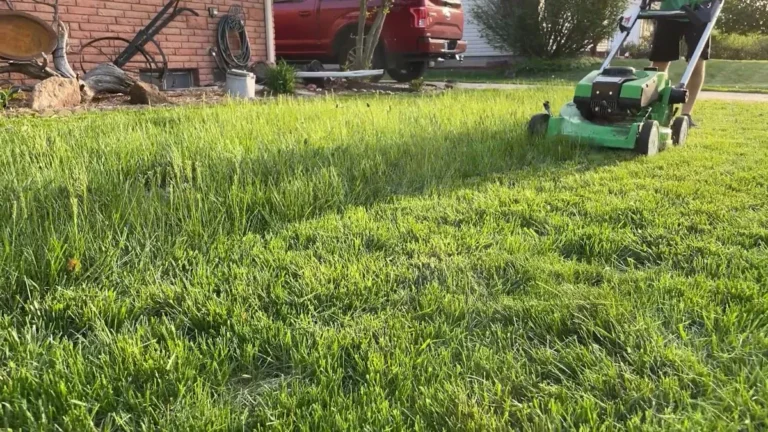

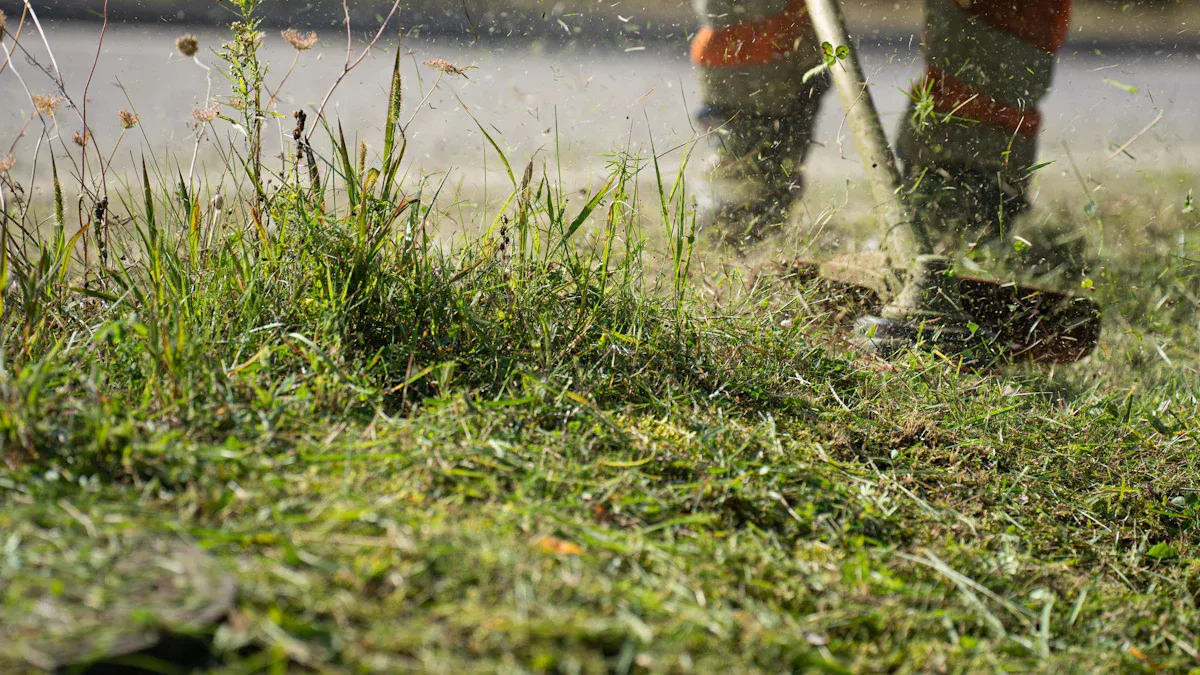
Keeping your lawn mower blades sharp is crucial for a healthy lawn. Dull blades tear grass rather than cut it cleanly, leading to browning and stress on your lawn. Experts suggest you sharpen lawn mower blades at least once per season or every 20 to 25 hours of use. A little maintenance goes a long way in achieving that perfect cut!
Key Takeaways
Sharpen your lawn mower blades at least once per season or every 20 to 25 hours of use to ensure a healthy lawn.
Look for signs of dull blades, such as uneven cuts and ragged edges, to know when it’s time to sharpen.
Use the right tools, like a wrench, vise, and sharpening files, and always wear safety gear to protect yourself during the sharpening process.
Signs of Dull Blades
When it comes to lawn care, recognizing the signs of dull blades is essential. Here are some key indicators that your mower blades need attention:
Dull Cuts
If you notice that your mower leaves behind uneven patches, it’s a clear sign of dull blades. Dull blades tear grass instead of cutting it cleanly. This tearing creates larger wounds on the grass, making it more susceptible to diseases. You might see brown tips on the grass, which can lead to a brown haze over your lawn.
Ragged Edges
Ragged edges on grass blades are another telltale sign. These torn tips not only look unappealing but also serve as open wounds. According to turf specialists, these wounds can become entry points for common fungal diseases like Brown Patch and Dollar Spot. The grass becomes weaker and more vulnerable, which can lead to a dull, brown appearance.
The ragged, torn grass tips created by a dull blade are open wounds.
Longer Mowing Time
Have you noticed that mowing takes longer than usual? Dull blades can cause this issue. You may find yourself making multiple passes to achieve a decent cut. This not only wastes your time but also puts extra stress on your mower. Sharp blades, on the other hand, provide a cleaner cut, allowing you to finish the job quicker and with less effort.
By keeping an eye out for these signs, you can ensure your lawn stays healthy and vibrant. Regularly checking your blades and knowing when to sharpen lawn mower blades can make a significant difference in your lawn care routine.
Tools to Sharpen Lawn Mower Blades
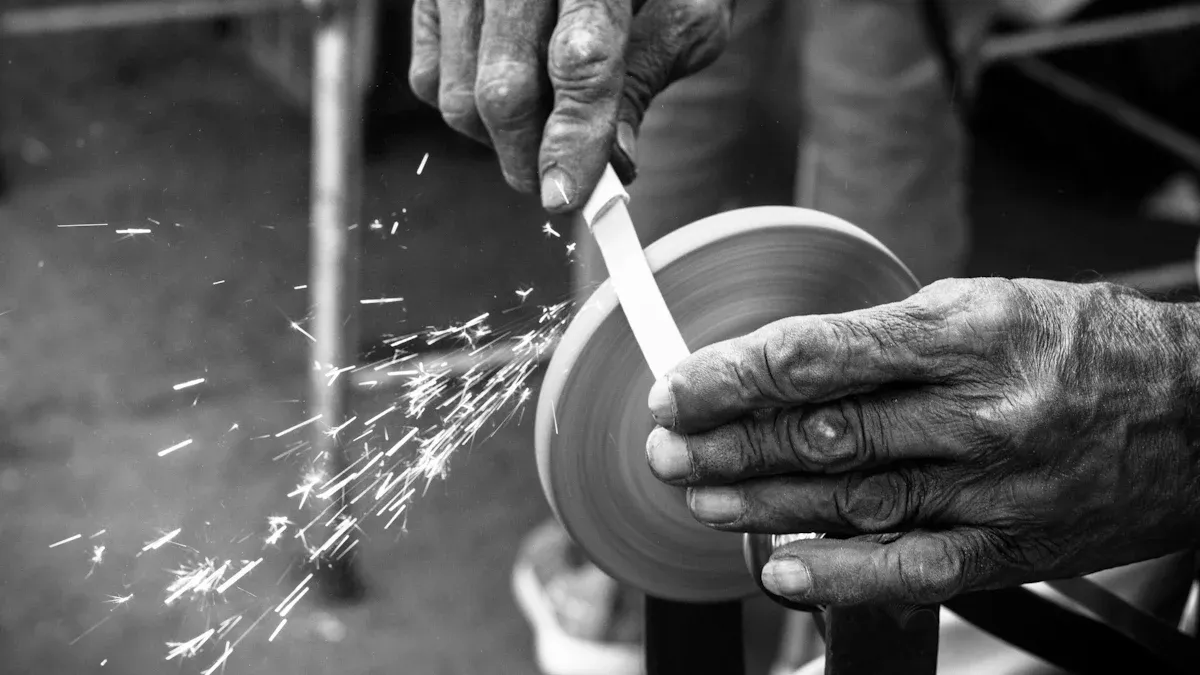
To sharpen lawn mower blades effectively, you need the right tools. Here’s a list of essential items that will make the job easier and safer:
Wrench and Vise
Using a wrench and a vise is crucial for safely securing your mower blades during sharpening. A vise holds the blade firmly in place, preventing it from shifting while you work. This stability is vital for maintaining precision and avoiding accidents. Here’s how these tools enhance your sharpening process:
Evidence | Explanation |
|---|---|
The vise’s jaws grip the material firmly | This prevents the workpiece from shifting, which is essential for maintaining precision during sharpening. |
A stable setup eliminates common causes of injuries | By securing the tool, the risk of accidents is significantly reduced, enhancing safety during the sharpening process. |
Make sure to secure the wrench in a vise to keep it steady. Tighten the vise firmly to prevent any movement while you sharpen.
Hand File or Grinder
You have a couple of options when it comes to sharpening tools. A hand file is great for DIY projects and maintenance, allowing you to control the sharpening process. If your blades are severely dulled or have nicks, consider using a bench grinder. This power tool can sharpen multiple blades quickly and efficiently. Here are some tools to consider:
Hand Files: Ideal for DIY projects and maintenance.
Metal Files: Suitable for removing heavy nicks and rust.
Bench Grinder: Efficient for sharpening multiple or severely dulled blades.
Belt Sander: Provides a fast and uniform sharpening process.
Rotary Tool: Offers precision for detailed sharpening in tight areas.
Safety Gear
Safety should always come first when sharpening lawn mower blades. Here are some essential safety gear recommendations to protect yourself:
Gloves: Protect your hands from sharp edges.
Safety glasses: Shield your eyes from debris or sparks.
By wearing the right safety gear, you can prevent injuries and make the sharpening process smoother. Remember, a sharp blade not only improves your mowing efficiency but also keeps your grass healthy by providing clean cuts.
With the right tools and safety precautions, you can sharpen lawn mower blades effectively and keep your lawn looking its best!
How to Sharpen Lawn Mower Blades
Sharpening your lawn mower blades is a straightforward process that can significantly improve your mowing experience. Follow these steps to ensure you do it safely and effectively.
Remove the Blades
First, you need to remove the blades from your mower. Start by disconnecting the spark plug to prevent accidental starts. Use a wrench to loosen the bolts holding the blades in place. Once loose, carefully lift the blades off. Remember to keep track of any washers or spacers, as you’ll need them when reattaching the blades.
Clean and Secure the Blades
Before sharpening, it’s essential to clean the blades thoroughly. Here’s how to do it effectively:
Scrape off grass and dirt to reveal the blade’s condition.
Use a metal file to effectively remove debris from the blade.
Cleaning the blades not only helps you see any nicks or damage but also ensures that you sharpen them properly. After cleaning, secure the blades in a vise. This stability is crucial for safe and precise sharpening.
Sharpening Techniques
Now that your blades are clean and secure, it’s time to sharpen them. Follow these recommended techniques:
Selecting the Right Sharpening Tool: Use a Norton Utility File for optimal results.
Sharpening Technique: Stroke the file in one direction along the blade’s edge while maintaining the original angle. This technique helps create a sharp edge without altering the blade’s shape.
Ensuring Blade Balance: After sharpening, check the blade’s balance by balancing it on a nail or screwdriver.
A sharp blade not only cuts grass more efficiently but also reduces the workload on your mower’s engine. Dull blades can increase fuel consumption by up to 20%, so keeping them sharp is essential for both performance and efficiency.
Check Blade Balance
After sharpening, checking the balance of your blades is crucial. You probably will not hear or feel an out-of-balance blade, but your spindle bearings will suffer if you continue to use them. Here’s how to check and ensure balance:
Use a blade balancer tool to check the balance.
A balanced blade will remain horizontal on the balancer.
If the blade is unbalanced, grind metal off the heavy end, avoiding the bottom of the cutting edge.
A balanced blade ensures a quality cut and prevents damage to your mower over time. Unbalanced blades can lead to increased horsepower requirements and can harm spindle bearings.
By following these steps, you can sharpen lawn mower blades effectively and keep your lawn looking its best. Remember to wear safety gear throughout the process to protect yourself from any accidents.
Keeping your lawn mower blades sharp is essential for a healthy lawn and a longer mower lifespan. Regular sharpening leads to cleaner cuts, which minimize stress on your grass and help it recover faster. Here are some benefits of maintaining sharp blades:
Cleaner cuts reduce damage and stress on grass.
Healthy grass absorbs water and nutrients better.
Sharp blades extend your mower’s life by reducing strain.
By investing a little time in blade maintenance, you’ll enjoy a lush, vibrant lawn and a more efficient mowing experience!