
Gardening can be a rewarding hobby, especially when you follow a seasonal gardening calendar. Knowing what to plant in each season helps you maximize growth and yield. This knowledge connects you to your garden and encourages seasonal eating. For instance, when you understand the recommended planting dates, you can enjoy fresh produce at its peak flavor. Plus, the pride of nurturing your plants can inspire you to experiment with new foods and recipes. So, let’s dig into the benefits of planning your planting windows!
Key Takeaways
Plant at the right time for optimal growth. Cool-season vegetables thrive in spring, while warm-season crops flourish in summer.
Maintain a consistent care routine. Regular watering and fertilizing boost plant health and yield.
Choose a variety of crops with different maturity times. This strategy extends your harvest season and provides fresh produce longer.
Consider starting seeds indoors. This gives your plants a head start and can lead to a more successful outdoor transition.
Don’t forget about herbs! They enhance your meals and can be grown indoors during winter for year-round flavor.
Spring Planting
Cool-Season Vegetables
Spring is the perfect time to plant cool-season vegetables. These crops thrive in the cooler temperatures of early spring, allowing you to enjoy a bountiful harvest. Here are some recommended vegetables to consider:
Root Crops: Carrots, Beets, Radishes, Turnips, Garlic, and Onions.
Leafy Greens: Lettuce, Spinach, and Kale.
Cabbage Family: Broccoli, Cabbage, and Cauliflower.
Other Crops: Peas, Rhubarb, and Celery.
When to plant these vegetables depends on your USDA hardiness zone. For example, if you’re in Zone 6, the best time to plant peas, spinach, and radishes is late March or April. Check the table below for more specific planting dates based on your zone:
USDA Zone | Optimal Planting Time | Cool-Season Vegetables |
|---|---|---|
Zone 4 | Mid to late April | Peas, spinach, radishes, carrots, beets, kale, broccoli |
Zone 6 | Late March or April | Peas, spinach, radishes, carrots, beets, kale, broccoli |
Zone 8 | Early March | Peas, spinach, kale, onions, broccoli, potatoes |
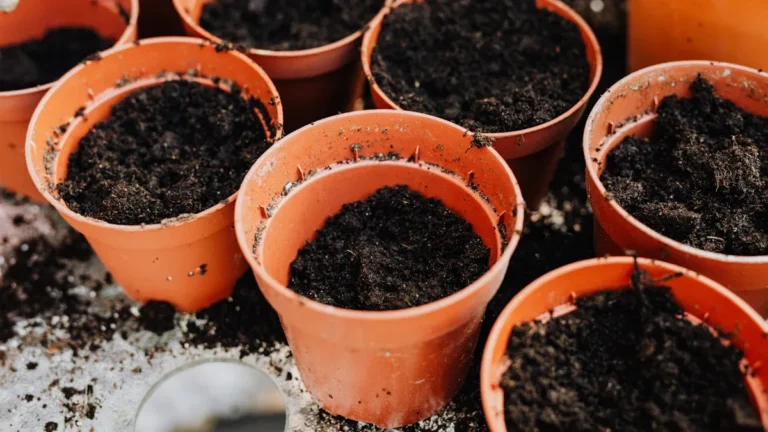
Starting seeds indoors can give your garden a head start. Use a seed-starting mix and keep the soil moist. Remember to harden off your seedlings before moving them outdoors.
Flowers to Plant
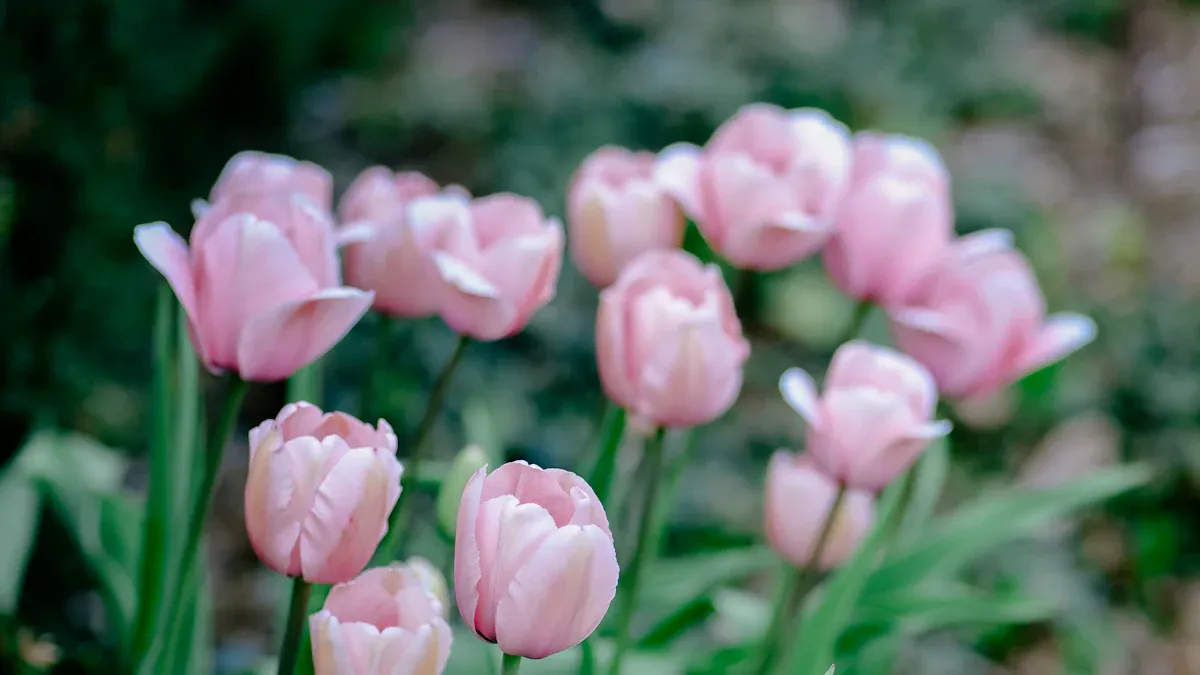
Spring is also a great time to plant flowers that will brighten your garden. Consider these popular choices:
Baby’s Breath
Bearded Iris
Bleeding Heart
Peony
These flowers not only add beauty but also attract pollinators to your garden. Plant them in well-drained soil and ensure they get enough sunlight for the best blooms.
Herbs to Plant
Don’t forget about herbs! They can enhance your culinary creations and provide medicinal benefits. Here are some herbs to plant this spring:
Herb | Culinary Use | Medicinal Use |
|---|---|---|
Dill | Flavorful addition to dishes | Supports health, used by herbalists |
Cilantro | Used in various cuisines | Powerful ally for health |
Parsley | Adds fresh flavor to dishes | Used interchangeably in herbal remedies |
Plant these herbs after the last frost for the best results. They’ll thrive in your home garden and provide fresh flavors all season long.
Summer Planting
Warm-Season Vegetables
Summer is the time to plant warm-season vegetables that thrive in the heat. These crops love the sun and can produce a bountiful harvest. Here are some of the best vegetables to plant in summer:
Cucumbers: Harvest in 50 to 70 days.
Summer Squash and Zucchini: Ready in 45 to 60 days.
Pole Beans: Expect to harvest in 50 to 70 days.
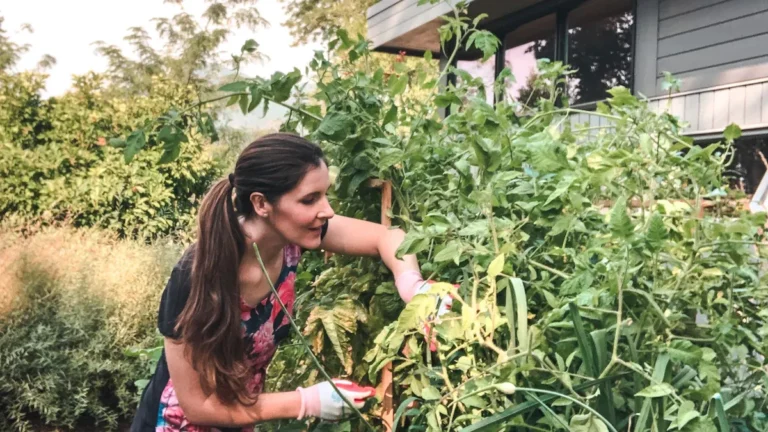
These vegetables not only grow quickly but also add freshness to your meals. Make sure to plant them after the last frost date for optimal growth.
Flowers to Plant
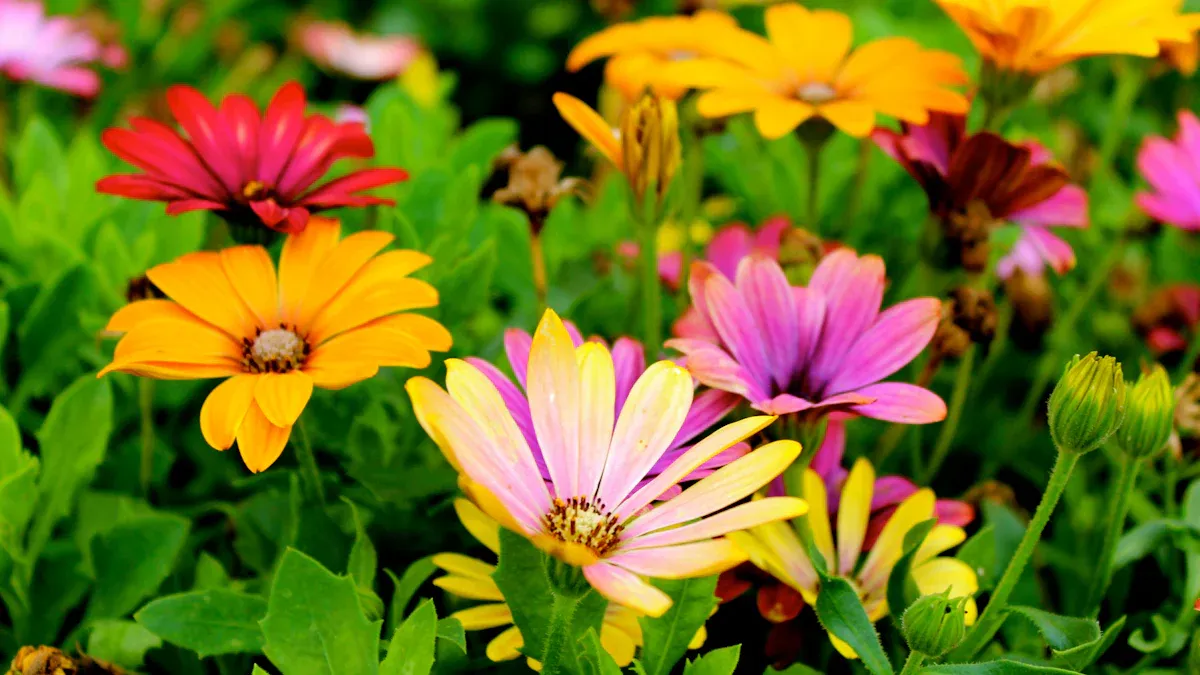
Brighten your garden with summer flowers that can withstand the heat. Consider these resilient varieties:
Roselle: Known for its tropical red blooms.
Zinnias: Easy to grow and bloom from early summer until frost.
Salvia: Offers beautiful spikes of purple, pink, or white flowers.
These flowers will not only beautify your garden but also attract beneficial pollinators.
Herbs to Plant
Herbs are a fantastic addition to your summer garden. They enhance flavors and can be used in various dishes. Here are some herbs to consider planting:
Dill: Grows best from seeds and is ready to harvest when it has four to five leaves.
Mint: Thrives in both shade and sun, perfect for refreshing drinks.
Basil: Adds a distinctive flavor to Italian dishes and is best used fresh.
To keep your garden healthy during the hot summer months, follow these tips:
Keep the soil moist and rich. Quality soil retains nutrients and moisture.
Water deeply and frequently, especially in hot conditions.
Apply a 3-inch layer of mulch to keep the soil cool and prevent evaporation.
Watch for signs of heat stress in your plants, like wilting or yellowing leaves. By staying proactive, you can enjoy a thriving summer garden!
Fall Planting
Vegetables for Fall
As the days grow shorter and temperatures drop, fall planting becomes essential for a successful harvest. You can still enjoy fresh produce by planting cool-season vegetables. Here are some great options to consider:
Swiss Chard: Plant 10-12 weeks before the first frost. This leafy green thrives in cooler temperatures.
Lettuce: Sow 4-6 weeks before frost. It tolerates light frost and can keep growing into November with some protection.
Arugula: Direct sow 4-6 weeks before frost for the best results.
Collards: These greens are sweeter after a frost, so plant them 14-16 weeks before the first frost.
Check out the table below for more fall planting dates:
Vegetable | Weeks Before Frost | Notes |
|---|---|---|
Swiss Chard | 10-12 | Cold hardy, grows well in cooler temps. |
Lettuce | 4-6 | Tolerates light frost, can grow into November with protection. |
Arugula | 4-6 | Direct sow before frost for best results. |
Cilantro | 6-8 | Thrives in cool weather, tolerates low temperatures. |
Collards | 14-16 | Sweeter when frost-kissed, ideal for fall planting. |
Flowers to Plant
Fall is also a wonderful time to plant flowers that will provide color late into the season. Consider these beautiful options:
Helenium: Produces daisy-like flowers in shades of yellow, orange, and red.
Chrysanthemum: Available in various colors and forms, perfect for fall.
Japanese Anemone: Features pink or white flowers that bloom late in the season.
Balloon Flower: Known for its balloon-shaped buds and vibrant colors.
These flowers not only beautify your garden but also attract pollinators as they prepare for winter.
Herbs to Plant
Don’t forget about herbs! Some can even survive the winter and provide fresh flavors in early spring. Here are some herbs to plant this fall:
Parsley: Survives winter with light mulch and offers a strong flavor.
Chives: Foliage may fade, but bulbs persist and return strong in spring.
Cilantro: Thrives in cool weather and can survive in Zones 7–10.
Thyme: Hardy and easy to manage, requiring minimal fall pruning.
By planning your fall planting wisely, you can enjoy a thriving garden even as the seasons change!
Winter Gardening
Vegetables to Plant
Winter gardening might seem challenging, but you can still grow some hardy vegetables. In mild climates, you can plant a variety of vegetables that thrive in cooler temperatures. Here’s a handy table to guide you:
Vegetable Type | Vegetables | Typical Planting Dates |
|---|---|---|
Hardy Vegetables | Kale, Spinach, Collards, Broccoli, Brussels sprouts, Cabbage, Leeks, etc. | April 15 – 25 |
Semi-Hardy Vegetables | Beets, Carrot, Cauliflower, Celery, Lettuce, Swiss chard, etc. | Late April – Early May |
These vegetables can withstand frost and provide fresh produce even in winter. If you live in a colder area, consider using cold frames or greenhouses. They create a cozy microclimate that protects your plants from harsh weather.
Flowers to Plant
Winter isn’t just for vegetables; you can also plant beautiful flowers indoors or in greenhouses. Here are some lovely options:
Anthurium: These tropical houseplants are low maintenance and bring vibrant colors to your space.
Moth Orchid: Easy to care for, these flowers thrive in bright, indirect light and high humidity.
English Primrose: This cold-hardy perennial blooms in late winter to early spring, adding color to your indoor garden.
Hellebore: Known for its evergreen foliage, it blooms in mid to late winter, perfect for brightening up your home.
Herbs to Plant
Don’t forget about herbs! They can thrive indoors during winter, ensuring you have fresh flavors year-round. Here are some great choices:
Basil: Grows well under grow lights and enhances dishes with fresh flavor.
Parsley: Adapts well to indoor conditions and is versatile in recipes.
Chives: Compact and easy to maintain, ideal for small spaces.
Mint: Grows quickly and is great for drinks and desserts.
Thyme: Prefers bright light and well-drained soil, suitable for indoor collections.
For successful indoor gardening, ensure your plants receive adequate light and maintain soil moisture. Using containers with proper drainage is crucial for healthy growth.
Gardening success hinges on planning and timing. By following a seasonal gardening calendar, you can plant crops at the right times for optimal growth and harvest. 🌱 Here are some key takeaways:
Optimal Planting: Planting at the right time ensures your vegetables thrive. For instance, kale grown in cooler weather tastes sweeter than when grown in heat.
Consistent Care: A structured schedule helps you stay on top of tasks like watering and fertilizing, which boosts plant health.
Extended Harvest: Planting varieties with different maturity times can stretch your harvest season.
So, grab your calendar and start planning! Your thriving garden awaits.