
Proper lawn watering is crucial for maintaining a healthy lawn, and that’s why a comprehensive Lawn Watering Guide is essential. In fact, ninety-nine percent of lawn care issues arise from inadequate sprinkler coverage or improper watering techniques. You need to understand how to water your lawn effectively, and a Lawn Watering Guide can help you with that. Seasonal needs play a significant role in determining the right amount of water. Additionally, knowing your irrigation options helps you choose the best method for your yard. Implementing effective drought management strategies, as outlined in the Lawn Watering Guide, will ensure your lawn thrives even in dry conditions. Remember, proper lawn watering techniques enhance turfgrass growth and resilience, making your outdoor space more vibrant and enjoyable.
Key Takeaways
Water your lawn deeply and infrequently, aiming for about 1 inch of water each week to promote healthy growth.
Adjust your watering schedule based on seasonal needs and grass type; early morning watering minimizes evaporation.
Implement drought management strategies, such as allowing your lawn to go dormant and raising mowing height to conserve resources.
Choose the right irrigation system for your lawn; drip irrigation saves water, while sprinkler systems offer versatility.
Regularly check your sprinklers for leaks and efficiency to ensure even water distribution and reduce waste.
Seasonal Tips
Spring Watering
Spring is a crucial time for your lawn. As temperatures rise and snow melts, your grass begins to wake up from dormancy. During this season, you should focus on providing adequate moisture to support healthy growth. Here are some key guidelines for spring watering:
Most turfgrass species need about 1 inch of water each week for healthy growth.
Water 1 to 2 times per week depending on soil conditions.
Watering should be done early in the morning to avoid disease and evaporation.
Adjust watering frequency based on weather conditions, especially during active growth periods.
In spring, soil often remains saturated from rainfall and snowmelt. This reduces your need for additional watering. If rainfall is insufficient, start with watering once a week for about twenty minutes, applying roughly half an inch of water. As temperatures rise, consider increasing your watering frequency. When temperatures exceed 80 degrees, you may need to water every three days for thirty to forty minutes, applying one to two inches each time.
Summer Lawn Watering Guide
Summer brings heat and potential drought conditions. To keep your lawn healthy during this time, follow these summer watering guidelines:
Cool-Season Lawn (Kentucky Bluegrass, Fescue): Water on Tuesday, Friday, and Sunday in the early morning with 0.5 inches per session, totaling 1.5 inches weekly.
Warm-Season Lawn (Bermudagrass, Zoysiagrass): Water on Monday and Thursday in the early morning with 0.75 inches per session, totaling 1.5 inches weekly.
Warm-Season Lawn (Sandy Soil): Water on Monday, Wednesday, and Saturday in the early morning with 0.5 inches per session, totaling 1.5 inches weekly.
During summer, your lawn may experience drought stress. To prevent this, ensure you water deeply and less frequently. This encourages deep root growth, making your lawn more resilient to dry conditions. Aim for watering in the early morning to minimize evaporation and maximize absorption.
Fall Watering
As summer fades, your lawn enters a transition period. Fall watering is essential to prepare your grass for winter dormancy. Here are some fall watering tips:
Water once or twice a week, preferably between 5 a.m. and 9 a.m. to minimize evaporation.
Let the soil dry out between waterings and adjust based on rainfall.
Reduce watering frequency in fall compared to summer.
Water deeply but less frequently to promote strong root growth.
Overwatering in the fall can lead to several risks. It can cause stunted root growth, suffocate grass, and create conditions for root rot. Additionally, excess moisture can attract pests and increase lawn weeds. Monitor your lawn closely and adjust your watering schedule based on weather conditions.
Winter Watering
In regions with mild winters, occasional watering is still necessary. Here are some winter irrigation guidelines:
Water only when necessary – Watering too frequently in cooler weather can be wasteful and even damage your lawn.
Avoid watering during freezing temperatures – Freezing water can harm plants by causing frost damage.
Monitor your landscape closely – During fall, lawns may not need as much water as in summer, but occasional deep watering helps keep the soil moist enough to prevent drought stress.
While dormant grass requires less water, it’s important to provide occasional deep watering to keep the root system hydrated. However, do not water your lawn during freezing temperatures, or you’ll risk frost damage.
Irrigation Systems
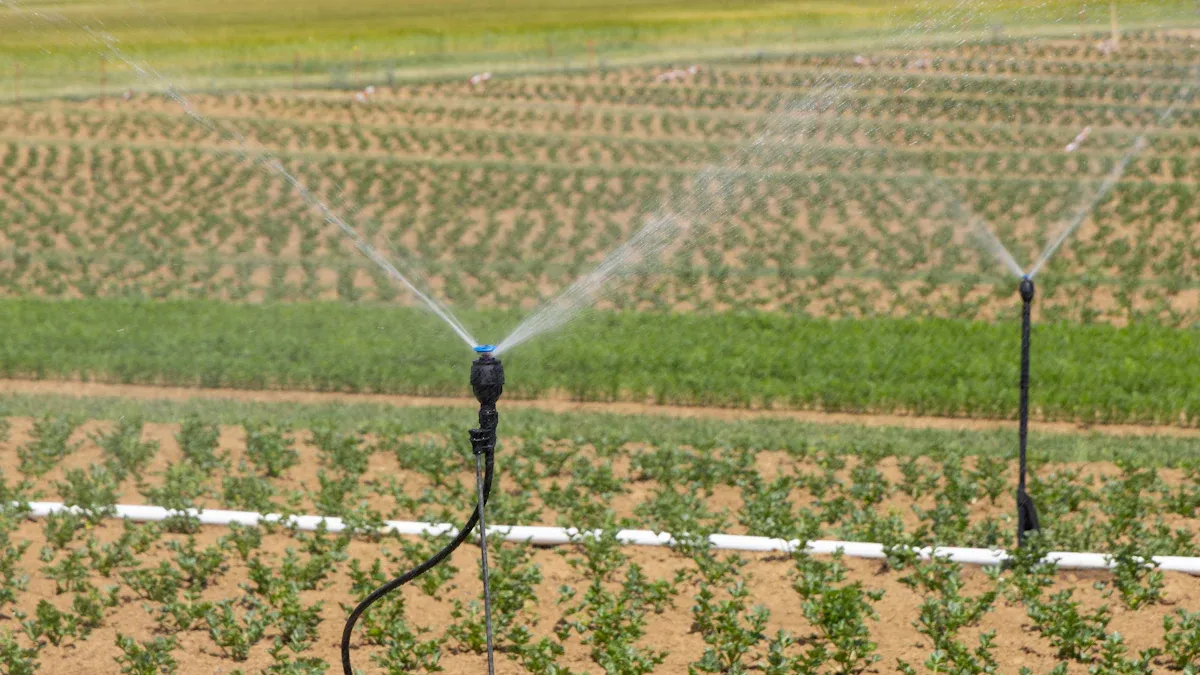
When it comes to maintaining a healthy lawn, choosing the right irrigation system is essential. Different systems offer unique benefits and efficiencies. Understanding these options helps you make informed decisions for your lawn care.
Drip Irrigation
Drip irrigation is one of the most efficient watering methods available. This system delivers water directly to the roots of your plants, minimizing waste. Here are some advantages and disadvantages of drip irrigation:
Advantages | Disadvantages |
|---|---|
Conserves water | Higher upfront cost than basic sprinklers |
Easy installation | Requires some planning and design |
No drift | Not suitable for large lawn areas |
Water savings | May need filter cleaning in hard water areas |
Inhibits weed growth | Can be damaged by garden tools if not protected |
Increases plant productivity | Clogged emitters |
Reduces energy costs | Rodents equal leaks |
Drip irrigation can save 30-80% of water compared to traditional sprinkler systems. This efficiency not only lowers your water bill but also promotes healthier plants. You can set up a drip system to work automatically, ensuring your lawn receives the right amount of water even when you’re away.
Sprinkler Systems
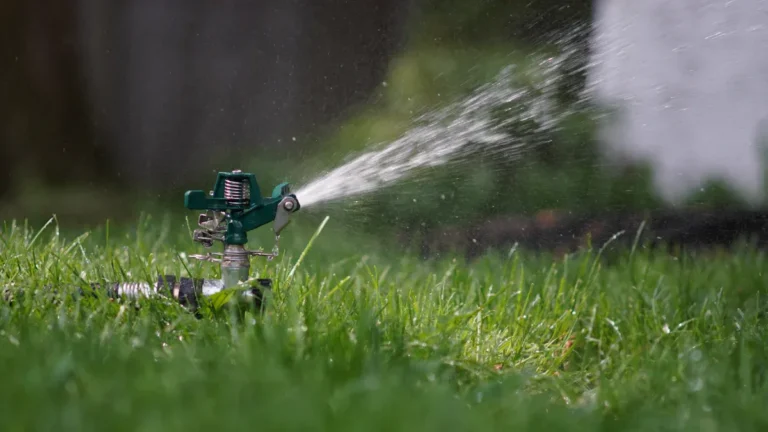
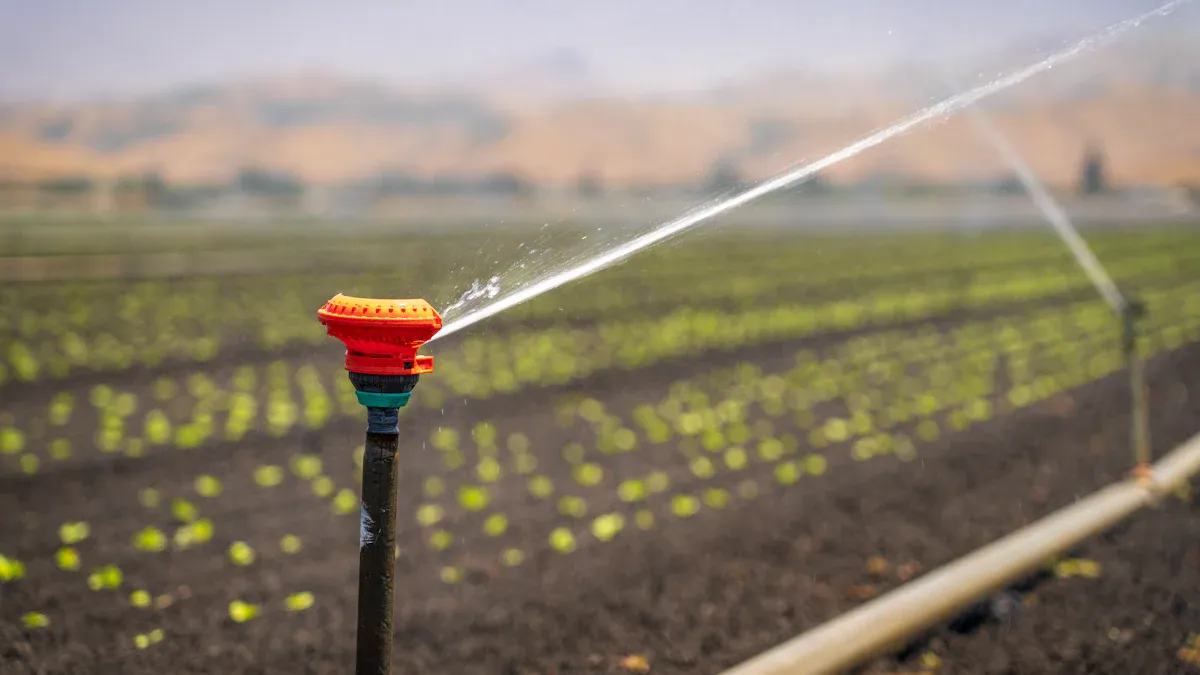
Sprinkler systems are popular for their versatility and ease of use. They come in various types, including portable and in-ground systems. Here’s a quick overview of common sprinkler systems:
Wet Pipe Systems: These systems are filled with pressurized water and activate when a specific temperature is reached. They work well in low to medium hazard areas.
Dry Pipe Systems: Ideal for areas that may freeze, these systems use pressurized air to hold back water until needed.
Deluge Systems: Designed for high-hazard areas, these systems release water from all sprinkler heads at once.
Modern sprinkler systems improve water distribution compared to older models. They ensure precise watering, promoting healthier plant growth. Adjustable spray patterns allow for targeted watering, ensuring efficiency. You can also install smart irrigation systems that adjust watering based on weather data, optimizing water use.
In-Ground Systems
In-ground irrigation systems offer a permanent solution for lawn watering. They provide efficient watering with precise distribution. Here’s a comparison of in-ground systems versus above-ground systems:
Feature | In-Ground Systems | Above-Ground Systems |
|---|---|---|
Water Efficiency | Efficient watering with precise distribution | Limited control, can overwater some areas |
Cost | Higher installation cost ($3,500 – $6,500) | More affordable ($150 – $500) |
Aesthetic Appeal | Hidden components maintain lawn beauty | Visible hoses and sprinklers |
Installation | Complex, requires professionals | Easy to set up and move |
For in-ground systems, regular maintenance is crucial. You should clean sprinkler heads to prevent clogs and winterize the system to avoid freezing pipes. Monthly inspections during the growing season help check for leaks and adjust settings.
Choosing the right irrigation system can significantly impact your lawn’s health and long-term water consumption. By selecting a system that fits your needs, you can ensure efficient watering and promote a vibrant lawn.
Guidelines for Efficient Operation
To maximize the efficiency of your irrigation system, consider these guidelines:
Regularly check for leaks to ensure the system operates efficiently.
Adjust watering schedules based on seasonal needs and rainfall.
Use mulch to retain soil moisture and reduce watering frequency.
Plant drought-resistant species to lower overall water needs.
By following these guidelines, you can maintain a healthy lawn while conserving water.
Choosing Sprinklers
Fixed vs. Oscillating
When selecting sprinklers, you have two popular options: fixed and oscillating. Each type has its strengths and weaknesses. Consider the following factors to help you choose the right one for your lawn:
Factor | Description |
|---|---|
Yard size and shape | The size of your yard is crucial; larger areas may need multiple sprinklers, while smaller areas can use fewer, high-coverage options. |
Water pressure | Sprinklers need at least 30 PSI; too high can waste water and damage the system, while too low can lead to uneven watering. |
Soil type | Different soils (clay, sand, loam) absorb water differently, influencing the choice of sprinkler based on how quickly water penetrates the ground. |
Climate | Local weather conditions (temperature, humidity, rainfall) affect sprinkler efficiency; some are better for dry climates, while others suit humid conditions. |
Fixed sprinklers work best for small areas. They provide consistent coverage but can leave dry patches if not monitored. On the other hand, oscillating sprinklers suit larger lawns. They can cover up to 3,000 square feet but may be less effective on windy days.
Rotor Sprinklers
Rotor sprinklers are ideal for large lawns. They offer several unique features that enhance their efficiency:
Feature | Description |
|---|---|
Large Area Coverage | Rotor sprinklers can cover extensive areas with fewer units, making them efficient for large lawns. |
Slow and Uniform Application | They apply water slowly and evenly, preventing runoff and promoting better soil absorption. |
Significant Adjustability | Adjustable arc settings allow for customized coverage, ensuring all areas receive adequate water. |
Advanced Nozzle Technology | Features like Rain Curtain™ nozzles create larger droplets that resist wind and evaporation, ensuring effective watering. |
Rotor sprinklers excel in water usage and distribution uniformity. They provide a consistent flow, which helps maintain a healthy lawn. By choosing the right type of sprinkler, you can optimize your watering efficiency and keep your lawn vibrant.
Water-Saving Lawn Care
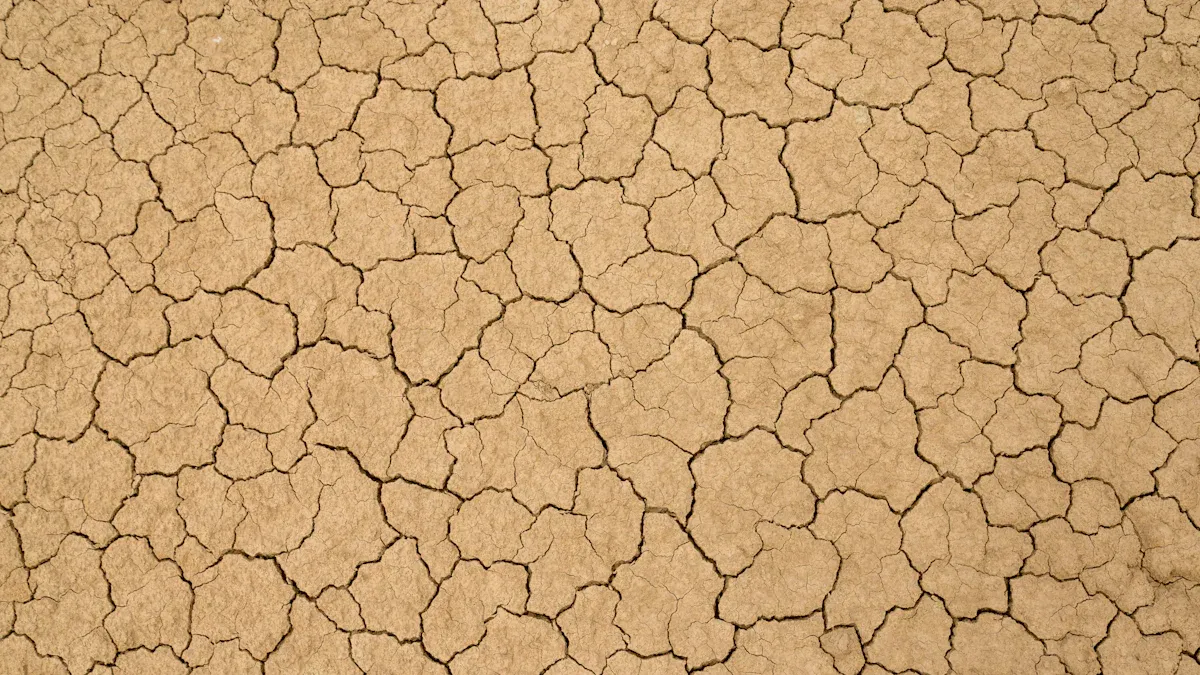
Drought Management
Managing your lawn during drought conditions is essential for maintaining its health. Here are some effective strategies to consider:
Audit Sprinkler Efficiency: Regularly check your sprinkler heads. Adjust them to ensure even water distribution.
Timing of Irrigation: Water your lawn early in the morning. This practice minimizes evaporation and reduces disease pressure.
Allow Dormancy: Let your established turf go dormant during prolonged drought. This strategy helps conserve resources and allows your lawn to survive heat.
Raise Mowing Height: Increase your mowing height. Taller grass promotes deeper roots and better moisture retention.
Additionally, assess your soil health regularly. Testing for texture and moisture retention supports strong grass roots. You can also create rain gardens to capture runoff and maintain soil moisture. Incorporating native plants that require less water can further enhance your lawn’s drought tolerance.
Efficient Watering Techniques
To conserve water while keeping your lawn healthy, adopt these efficient watering techniques:
Inspect Your Sprinklers: Ensure even coverage and prevent wastage.
Bring in Mulch: Mulch helps retain soil moisture, reducing the need for frequent watering.
Aerate Your Lawn: Aeration creates openings for water, air, and nutrients to reach the roots effectively.
Mow to the Right Height: Taller grass reduces water evaporation and promotes deeper roots.
Limit Grassy Areas: Reducing lawn size can cut down on water use.
Deep watering is crucial for developing strong roots. It encourages roots to grow deeper, allowing them to access moisture during dry spells. Shallow roots become dependent on surface moisture, making lawns more susceptible to drought. By watering deeply and infrequently, you can improve your lawn’s resilience and overall health.
Implementing these water-saving lawn care practices will help you maintain a vibrant lawn while conserving water.
Effective lawn watering practices are vital for maintaining a healthy lawn. You should aim to water deeply and infrequently, providing about one inch of water weekly. Early morning watering helps reduce evaporation and ensures your grass absorbs moisture efficiently. Remember, different grass types and soil conditions affect watering needs.
To enhance your lawn care routine, consider these strategies:
Customize your watering schedule based on grass type and climate.
Monitor your lawn for signs of stress, like wilting or dull color.
Avoid midday watering to prevent significant water loss.
By adopting these practices, you can promote a resilient lawn that thrives even in challenging conditions.
FAQ
What is the best time to water my lawn?
Water your lawn early in the morning, ideally between 5 a.m. and 9 a.m. This timing reduces evaporation and allows grass to absorb moisture effectively.
How often should I water my lawn in summer?
In summer, aim for about 1 inch of water per week. Water deeply and less frequently, ideally two to three times a week, to encourage deep root growth.
Can I water my lawn during a drought?
Yes, but you should follow local regulations. Use efficient watering techniques, like deep watering and timing your irrigation early in the morning, to conserve water.
How do I know if my lawn needs water?
Check for signs like wilting grass, a dull color, or footprints that remain visible. If your lawn looks dry or feels crunchy underfoot, it’s time to water.
What type of sprinkler is best for my lawn?
Choose a sprinkler based on your lawn size and shape. Fixed sprinklers work well for small areas, while oscillating or rotor sprinklers suit larger lawns for even coverage.