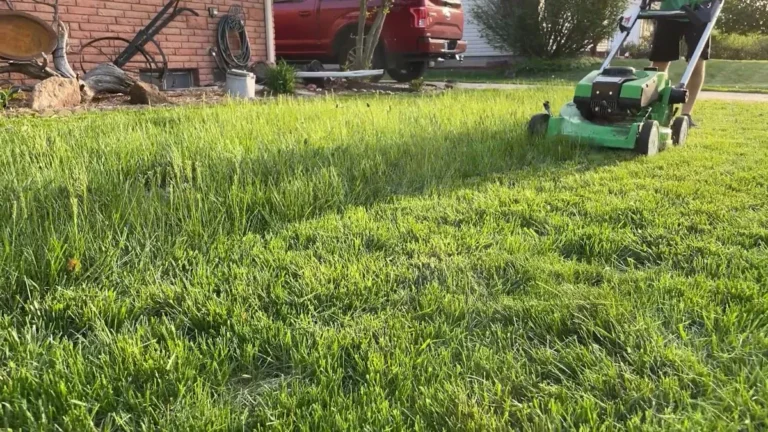


Taking care of your lawn mower is crucial for its performance and longevity. Regular lawn mower maintenance can significantly extend its life, which typically averages around six years. By sharpening the blades and cleaning the mower deck, you can avoid costly repairs and keep your mower running smoothly.
Consider these benefits of regular upkeep:
Prevent major repairs by catching small issues early.
Extend equipment life, reducing the need for frequent replacements.
Improve fuel efficiency, leading to lower fuel costs.
Investing time in maintenance pays off in the long run.
Key Takeaways
Sharpen your lawn mower blades at the start of the season and after every ten hours of use for a healthier lawn.
Change the oil every 25-50 hours of operation or at least once per season to keep your engine running smoothly.
Inspect and clean the mower deck regularly to improve airflow and cut quality, enhancing overall performance.
Store your mower in a dry, shaded area to prevent rust and damage from UV rays and moisture.
Establish a maintenance routine to extend your mower’s life and reduce repair costs, ensuring a beautiful lawn.
Blade Sharpening Tips
Why Sharpening Matters
Sharpening your lawn mower blades is essential for maintaining a healthy lawn. Experts recommend sharpening blades at the start of the season and after every ten hours of use. Dull blades can lead to several issues:
Poor visual quality of the lawn
Increased transpiration (moisture loss)
Higher potential for leaf fungus
Using sharp blades ensures clean cuts, which help maintain grass health and prevent damage. A clean cut results in a more attractive lawn appearance, much like how a fresh shave looks better than a rough one.
Tools for Sharpening
Choosing the right tools for blade sharpening can make the process easier and more effective. Here are some recommended tools:
Tool | Description |
|---|---|
Angle Grinder | Use 60-grit or 80-grit flap discs; grinding wheels can risk overheating the blade. |
Drill-Powered Sharpener | Designed for lawnmower blades; includes a guide for setting the correct sharpening angle. |
Stationary Belt Sander | Efficient for quick material removal with less heat buildup compared to bench grinders. |
When sharpening, follow these steps for best results:
Light Pressure: Use very light, consistent pressure, letting the grinder do the work.
Keep it Moving: Never hold the blade in one spot on the grinding wheel. Continuously move the blade across the face of the grinding wheel from heel to tip.
Multiple Passes: Make several light passes, checking your progress frequently.
Heat Management: If the blade heats up, dip it in water to keep it cool.
Clean up the Burrs: After sharpening, gently remove any burrs from the flat side of the blade.
Check for Balance: Ensure the blades are balanced, grinding a small amount from the heavier side if necessary.
Avoid common mistakes, such as reinstalling the blade upside down or neglecting blade balance. These errors can lead to improper cutting and mower damage.
Oil Change Essentials
When to Change Oil
Regular oil changes are vital for effective lawn mower care. They help maintain engine performance and extend the life of your mower. You should change the oil based on the following guidelines:
Frequency of Oil Change | Conditions |
|---|---|
Every 25–50 hours of operation or once per season | Standard conditions |
More often in dusty or hot conditions | Adverse conditions |
At the start of the mowing season and again if cutting by late fall | Seasonal recommendation |
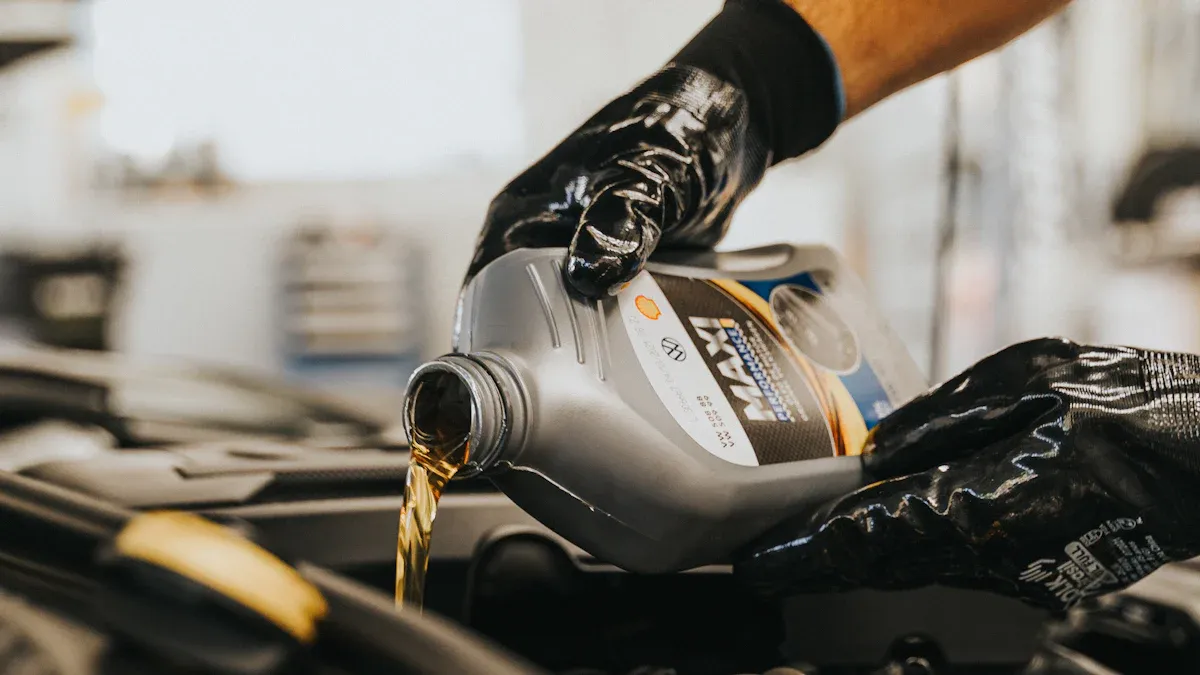
Look for signs that indicate your mower needs an oil change. Fresh oil appears golden or amber, while dark oil shows it has become dirty. A rough-sounding engine can signal low oil levels. Additionally, smoke or unusual smells may indicate oil problems.
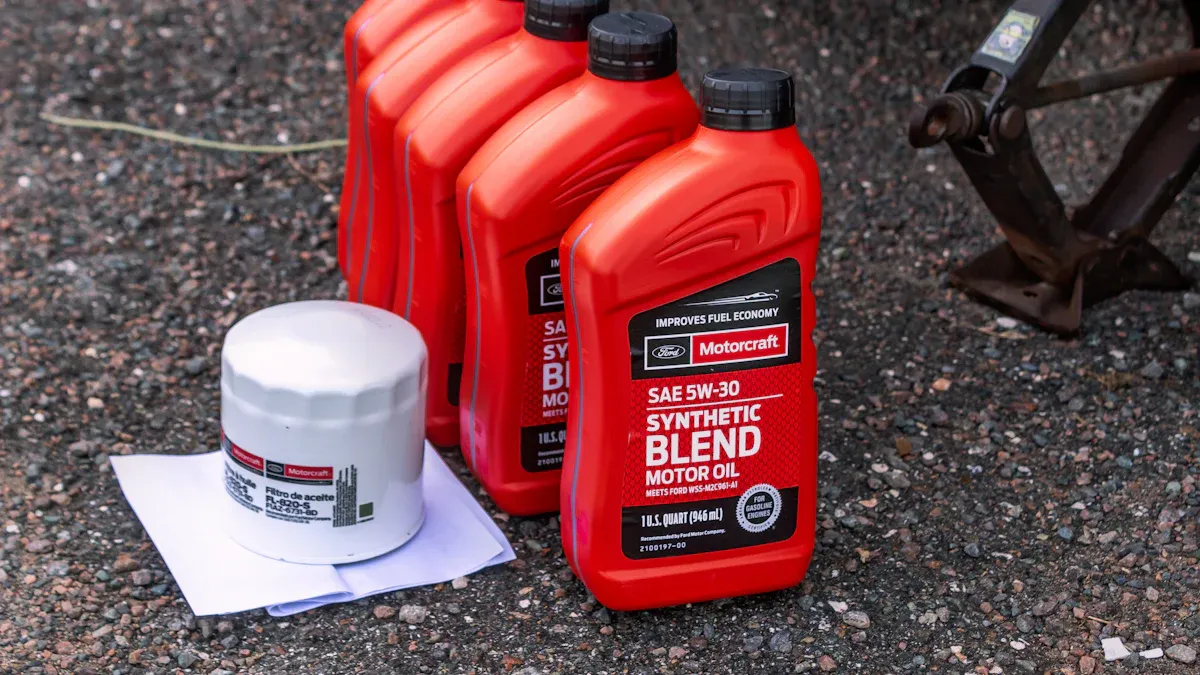
Types of Oil to Use
Choosing the right oil is crucial for your mower’s performance. Here are some recommended types:
SAE-30: Good standard oil for petrol-powered mowers.
SAE-10W-30: May cause increased oil consumption in high temperatures.
Quality rating: Use engine oil of quality SF, SG, SH, SJ, or higher.
Oil Type | Recommended Use |
|---|---|
SAE 30 | Warmer temperatures, most common for small engines |
SAE 10W-30 | Varying temperatures, improves cold-weather starting |
Synthetic SAE 5W-30 | Best protection at all temperatures, less oil consumption |
SAE 5W-30 | Very cold temperatures |
Vanguard 15W-50 | Varying temperatures for continuous use |
Using the wrong type of oil can lead to improper lubrication. This increases wear on engine components. High-viscosity oil may not circulate properly in cold weather, while low-viscosity oil might not protect adequately at higher temperatures.
Follow these steps to change the oil in your lawn mower:
Gather Tools and Safety Gear: Make sure you have all supplies on hand before you begin.
Warm Up the Engine: Run the engine for one to two minutes to help the oil drain more easily. Then turn it back off.
Drain the Old Oil: Ensure the mower is on a flat surface. Place the oil pan under the drain valve, then open the valve and let the oil drain completely.
Remove the Old Oil Filter: Move the pan under the oil filter, then unscrew it counterclockwise. Dispose of the filter and old oil properly.
Install the New Filter and Add Oil: Install the new oil filter, tightening it gently. Use a funnel to add new oil according to your mower’s manual.
Perform Some Final Checks: Inspect the filter and drain valve for leaks. Check the oil level with the dipstick and top off if needed.
By following these steps, you ensure your lawn mower remains in top condition through regular maintenance.
Proper Lawn Mower Storage
Pre-Storage Maintenance
Before storing your lawn mower, you must perform essential maintenance tasks. These steps help ensure your mower remains in good condition during the off-season. Here’s a checklist to follow:
Apply lubrication to all grease fittings, pin points, and other connections.
Check the lawn mower belts and replace them if necessary.
Inspect the blades and sharpen or replace them as needed.
Clean underneath the mower deck to promote good airflow and superior cut quality.
Adjust the deck level and pitch for optimal performance.
Change or check the transaxle fluid and filter.
Change or check the lawn mower air filter.
Mike McNutt from Detailed Lawn Care Service emphasizes the importance of maintenance: “Maintenance, maintenance, maintenance. I have 2050 hours on my zero turns, starting and running great every time because I have done what is needed.” Regular maintenance before storage can significantly impact your mower’s longevity.
Ideal Storage Conditions
Storing your lawn mower properly can prevent damage and extend its life. Here are some tips for ideal storage conditions:
Keep it Dry: Moisture can lead to rust and engine damage. Always store your mower in a dry place.
Avoid Direct Sunlight: UV rays can degrade plastic parts. A shaded area or a covered shed works best.
Check for Pests: Inspect the storage area for insects or rodents. They can cause mechanical issues by nesting in your mower.
Use a Cover: If you must store your mower outside, use a breathable cover. Avoid tarps, as they trap moisture and invite rust.
Common mistakes include leaving fuel in the tank, skipping clean-up, and overcrowding the storage area. Gas can go bad quickly, so drain it or use a stabilizer. Dried grass can attract bugs and mold, leading to further issues. By following these guidelines, you can ensure your lawn mower remains in top shape for the next season.
Maintaining your lawn mower is essential for its longevity and performance. Regular upkeep can extend its life to 10-15 years, while neglect may shorten it to just 5-7 years. Here are some key practices to remember:
Sharpen blades at the start of the season and after every ten hours of use.
Change oil every 25-50 hours of operation or at least once per season.
Inspect air filters and clean the mower deck regularly.
By following these steps, you enhance mower efficiency and reduce repair costs. Establish a maintenance routine to keep your mower in top shape and enjoy a healthier lawn! 🌱
FAQ
How often should I sharpen my lawn mower blades?
You should sharpen your lawn mower blades at the start of the season and after every ten hours of use. This practice ensures clean cuts and promotes a healthier lawn.
What type of oil should I use for my mower?
Use SAE-30 oil for warmer temperatures and SAE-10W-30 for varying conditions. Always check your mower’s manual for specific recommendations to ensure optimal performance.
Can I store my mower outside?
Storing your mower outside is not ideal. If necessary, use a breathable cover to protect it from moisture and UV rays. Always try to keep it in a dry, shaded area.
How do I know when to change the oil?
Change the oil every 25-50 hours of operation or at least once per season. Look for dark, dirty oil or unusual engine sounds as signs that an oil change is needed.
What should I do with leftover fuel before storage?
Drain leftover fuel or add a fuel stabilizer before storing your mower. This prevents fuel degradation and keeps your engine running smoothly when you start it next season.