
A lawn maintenance checklist is your best friend for keeping your lawn healthy year-round. By tackling seasonal tasks, you can prevent weeds, pests, and diseases from taking over. Regular care leads to a lush, vibrant lawn that brings joy and satisfaction. Remember, a little effort now saves you big headaches later!
Key Takeaways
Use a lawn maintenance checklist to keep your yard healthy year-round. Regular care prevents weeds, pests, and diseases.
Perform seasonal tasks like cleaning, aerating, and fertilizing to promote a lush lawn. Consistent effort leads to a vibrant outdoor space.
Invest in the right tools for each season. Tools like aerators and soil test kits enhance your lawn care efficiency and effectiveness.
Spring Lawn Care Tasks
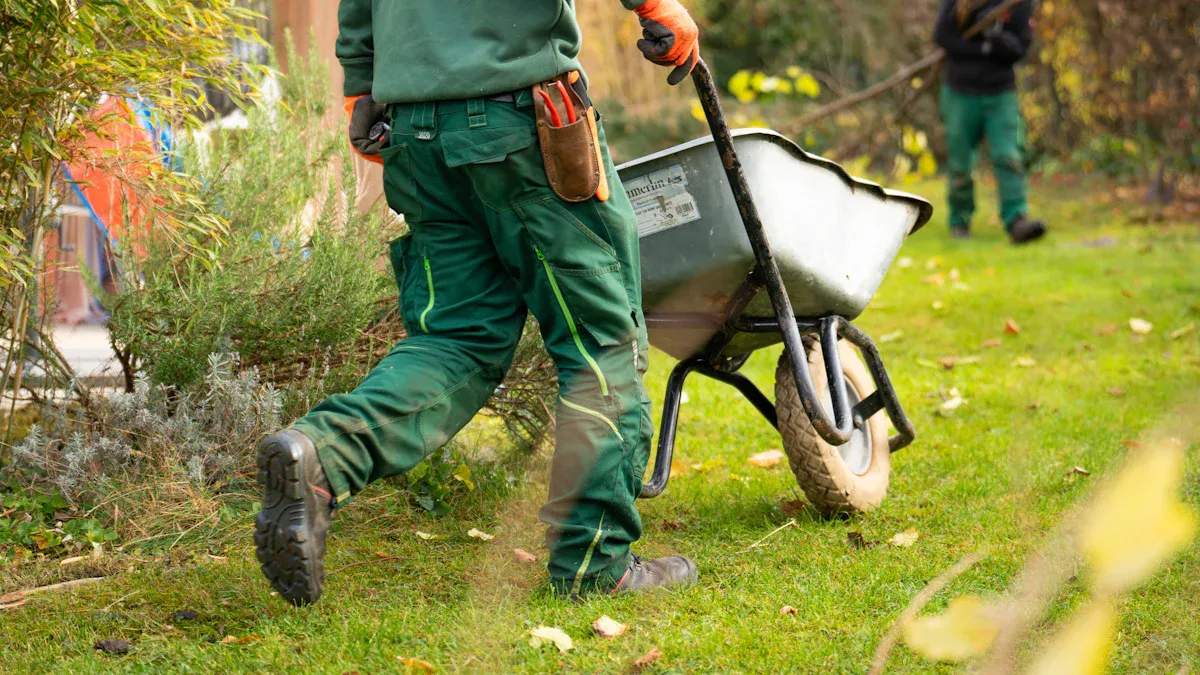
Key Tasks for Spring
Spring is the perfect time to give your lawn the attention it deserves. As the weather warms up, your grass starts to wake from its winter slumber. Here are some essential tasks to tackle this season:
Clean Up Your Yard: Start by removing debris like leaves, branches, and any leftover winter decorations. A clean yard promotes healthy growth.
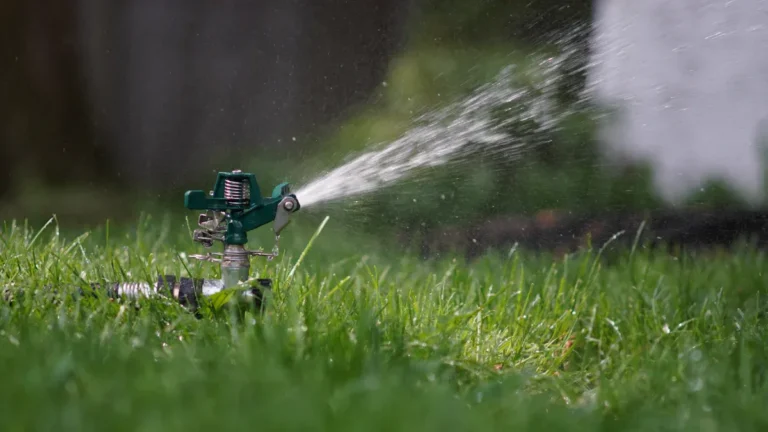
Inspect Your Irrigation System: Check for leaks or clogs in your sprinklers. A well-functioning irrigation system ensures your lawn gets the right amount of water.
Tune Up Your Lawn Mower: Sharpen the blades and check the oil. A well-maintained mower makes for a clean cut, which is vital for lawn health.
Control Weeds: Apply pre-emergent herbicides when the soil temperature reaches 55°F at a depth of 4 inches. This helps prevent weeds from taking root.
Test Your Soil: Understanding your soil’s pH and nutrient levels can guide your fertilization efforts. A soil test can reveal what your lawn needs.
Aerate the Soil: Core aeration improves nutrient uptake and soil health. It allows air, water, and nutrients to penetrate deep into the soil.
Overseed Thin Areas: If you notice bare patches, overseed them to promote a thicker lawn. This helps prevent weeds from establishing.
Fertilize for Growth: Early spring fertilization encourages dense grass growth, limiting space for weeds. It strengthens root systems, making your lawn more resilient.
Water Properly: Ensure your lawn receives about an inch of water per week. Adjust your watering schedule based on rainfall.
Mow at the Right Height: Set your mower blades high to remove only a small amount of thatch initially. This helps your grass grow strong and healthy.
Tools for Spring Care
Having the right tools makes spring lawn care much easier. Here are some must-have tools for your landscaping routine:
Lawn Dethatcher: This tool removes dead plant material and excessive thatch, allowing your grass roots to absorb water, air, and nutrients effectively.
Hollow Tine or Core Aerators: These aerators are ideal for improving soil aeration. They remove soil plugs, enhancing air and nutrient flow.
Mulching Mower: A mulching mower cuts grass into fine pieces, which can be left on the lawn to decompose and provide nutrients.
Soil Test Kit: This kit helps you analyze your soil’s nutrient levels and pH, guiding your fertilization strategy.
Weed Control Sprayer: A sprayer allows you to apply herbicides evenly and effectively, keeping your lawn weed-free.
By following these spring lawn care tips and using the right tools, you can set your lawn up for a successful growing season. Remember, consistent care now leads to a thriving lawn later!
Summer Lawn Care Essentials
Essential Summer Tasks
Summer can be tough on your lawn, but with the right care, you can keep it looking great. Here are some essential tasks to focus on:
Adjust Mowing Practices: Raise your mower blade to 3-4 inches. This height helps protect the grass and encourages deeper root growth.
Establish a Consistent Watering Schedule: Water your lawn deeply but less frequently, ideally in the early morning. Aim for 1 to 1.5 inches of water per week.
Improve Soil Health: Aerate your lawn annually and topdress with organic matter. This enhances moisture retention and promotes healthy turf.
Fertilize Appropriately: Use controlled-release fertilizers to avoid stressing your grass during the heat.
Monitor for Diseases: Regularly check for signs of disease and treat them promptly to keep your lawn healthy.
Prevent Thatch Buildup: Dethatch your lawn as needed to allow water and nutrients to reach the soil effectively.
Tools for Summer Care
Having the right tools can make summer lawn care much easier. Consider these options:
Sprinkler Irrigation Systems: These systems deliver precise amounts of water evenly across your yard, promoting healthy root development.
Drip Irrigation Systems: They efficiently water your plants by delivering water directly to their base, conserving water and encouraging deep root growth.
Mowers: For larger lawns, a tractor-mounted mower deck works well. A zero-turn mower offers speed and agility for properties with obstacles.
By following these summer lawn care essentials and using the right tools, you can maintain a vibrant lawn even in the hottest months. Remember, consistent care is key to a thriving yard!
Fall Lawn Maintenance Checklist
Key Fall Tasks
As the days grow shorter and temperatures drop, it’s time to prepare your lawn for winter. Fall is crucial for ensuring your grass stays healthy and strong. Here are some key tasks to focus on:
Test Your Soil: Before adding any fertilizer, test your soil to understand its nutrient levels. This helps you choose the right fertilizer for your lawn.
Aerate the Soil: Aeration alleviates soil compaction, allowing roots to access air and nutrients. You can use a core aerator for this task. Water your lawn a day or two before aerating to soften the soil. Aerate in rows, then cross over at a 90-degree angle. Leave the soil plugs on top to break down naturally.
Overseed: If your lawn has thin patches, overseeding ensures new grass has time to establish before winter. This helps create a thicker lawn that can better withstand cold temperatures.
Fertilize: Apply a fall or winterizer fertilizer to support root development. The optimal time for this is from mid-September through mid-October. For cool-season grasses, fertilization should occur about 6-8 weeks before the first freeze. Milorganite is an excellent organic option that promotes growth while being eco-friendly.
Mow Until Dormancy: Continue mowing your lawn until it stops growing. This keeps the grass healthy as it prepares for dormancy.
Manage Leaves: Regularly clear fallen leaves from your yard. A thick layer of leaves can smother your grass and lead to disease.
Control Weeds: Treat and control any weeds that may have popped up. This prevents them from taking over your lawn during the winter months.
By following these fall lawn care tips, you can set your lawn up for a successful winter and a vibrant spring!
Tools for Fall Care
Having the right tools makes fall lawn care much easier. Here are some essential tools to consider:
Core Aerator: This tool helps you aerate your lawn effectively. You can choose between a manual or mechanical aerator based on your yard size.
Rake: A sturdy rake is essential for removing leaves and debris from your yard. Keeping your lawn clear helps it breathe and stay healthy.
Fertilizer Spreader: A spreader ensures even distribution of fertilizer across your lawn, maximizing nutrient uptake.
Lawn Mower: A reliable mower is necessary for maintaining grass height as it prepares for dormancy.
With these tools in hand, you can tackle your fall lawn care tasks with ease. Remember, preparing your lawn now will pay off when spring arrives!
Winter Lawn Care Tips
Essential Winter Tasks
Winter can be tough on your lawn, but you can take steps to protect it from frost and snow damage. Here are some essential tasks to keep in mind:
Spread Snow Evenly: After shoveling, spread snow across your lawn. This prevents large piles that can lead to uneven melting and snow mold.
Break Apart Snow Banks: As winter ends, break apart lingering snow banks. This helps speed up melting and allows air and sunlight to reach your grass.
Use Eco-Friendly Deicers: Opt for products like calcium magnesium acetate or potassium chloride. These minimize damage to your turf while keeping walkways safe.
Clear Winter Debris: Early spring is a great time to remove any leftover debris. This helps prevent mold and disease, ensuring your grass can grow healthy and vibrant when spring arrives.
Remember, clearing debris allows sunlight to reach the grass and prepares the soil for new growth.
Tools for Winter Care
Having the right tools makes winter lawn maintenance much easier. Here are some must-have items:
Broom: Perfect for clearing powdery snow.
Salt Spreader: Use this for even coverage with eco-friendly deicing products.
Shovels: Consider ergonomic options like the Trazon Ergonomic shovel or the Snow Joe Shovelution for easier handling.
Portable Generator: This can be a lifesaver during winter storms, ensuring you have power when you need it.
By following these winter lawn care tips and using the right tools, you can protect your lawn and set it up for a successful spring!
Following a lawn maintenance checklist is essential for a thriving yard. Consistent care not only enhances your lawn’s appearance but also boosts property value and reduces costly repairs. Here are some long-term benefits of regular lawn care:
Benefit Type | Description |
|---|---|
Property Value Increase | Well-maintained landscapes can boost commercial property values by 7-14%. |
Cost Avoidance | Proactive maintenance can prevent repairs that may exceed $57,000+ per year. |
Revenue Protection | 68% of customers judge business quality by exterior appearance. |
By implementing these strategies, you’ll enjoy a beautiful lawn and save money in the long run!
FAQ
What is a lawn maintenance checklist?
A lawn maintenance checklist helps you track seasonal lawn care tasks, ensuring your yard stays healthy and vibrant throughout the year.
How often should I mow my lawn?
You should mow your lawn regularly, typically every 1-2 weeks, depending on growth and season. Adjust your mowing schedule based on your lawn’s needs.
When should I fertilize my lawn?
Fertilize your lawn in spring and fall for optimal growth. Use spring lawn care tips to determine the best timing for your specific grass type.