
Maintaining a healthy lawn is essential for both aesthetics and environmental benefits. Brown patches and fungal infections frequently disrupt this beauty. You may notice these issues during warm, humid months. Early identification of lawn disease identification can save your grass from severe damage. Addressing problems promptly leads to effective treatment options. Take charge of your lawn’s health to ensure it thrives through every season.
Key Takeaways
Identify brown patches by looking for circular areas of brown grass with dark borders. Early detection allows for timely treatment.
Maintain proper lawn care by mowing regularly, watering wisely, and aerating your lawn to prevent diseases like brown patch.
Use chemical or organic treatments to combat lawn diseases. Follow instructions carefully for effective application.
Monitor weather conditions and adjust your lawn care practices accordingly to reduce the risk of fungal infections.
Implement preventive measures to save costs and improve your lawn’s long-term health and resilience against diseases.
Identify Brown Patch
Symptoms of Brown Patch
You can easily identify brown patch by observing specific symptoms in your lawn. Look for:
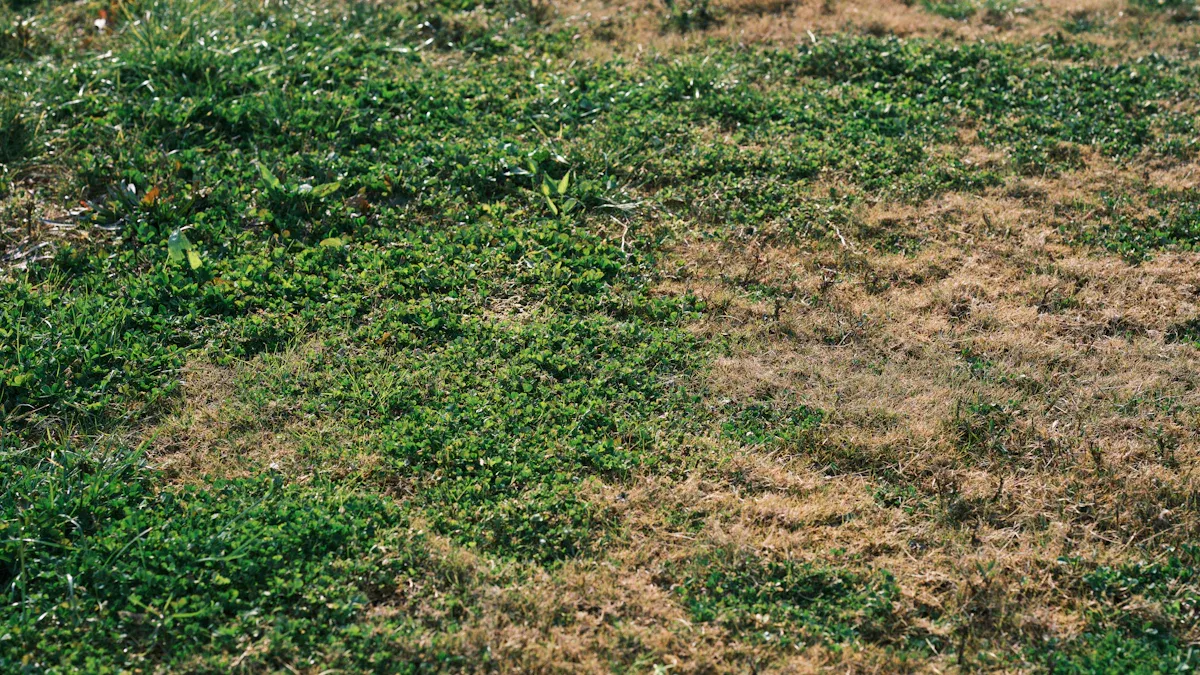
Circular patches of brown or tan grass, which can range from a few inches to 3 feet in diameter.
Dark borders around these patches, indicating the presence of the brown patch fungus.
Small, dark spots or translucent lesions on grass blades, which may develop into larger tan lesions with dark brown edges.
Gray-green wilted areas that eventually turn brown, signaling that the grass is dying.
These symptoms often develop rapidly during midsummer when nighttime temperatures exceed 68°F and daytime temperatures average 80°F or higher. High humidity and extended leaf wetness create ideal conditions for the spread of brown patch disease. If you notice these signs early, you can take action to prevent further damage.
Causes of Brown Patch Disease
Understanding the causes of brown patch is crucial for effective lawn management. Several environmental factors contribute to the onset of this disease:
High humidity levels (above 95%)
Warm night temperatures (above 68°F)
Poorly drained soils
Thick thatch accumulation
Heavy applications of nitrogen fertilizer
Excess nitrogen during hot, humid weather can worsen the severity of brown patch. To mitigate the disease, avoid applying too much nitrogen in the summer months. Additionally, improving air circulation in susceptible areas can help reduce the occurrence of brown patch.
By recognizing the symptoms and understanding the causes of brown patch, you can take proactive steps to protect your lawn from this damaging disease.
Fungal Infections in Lawns
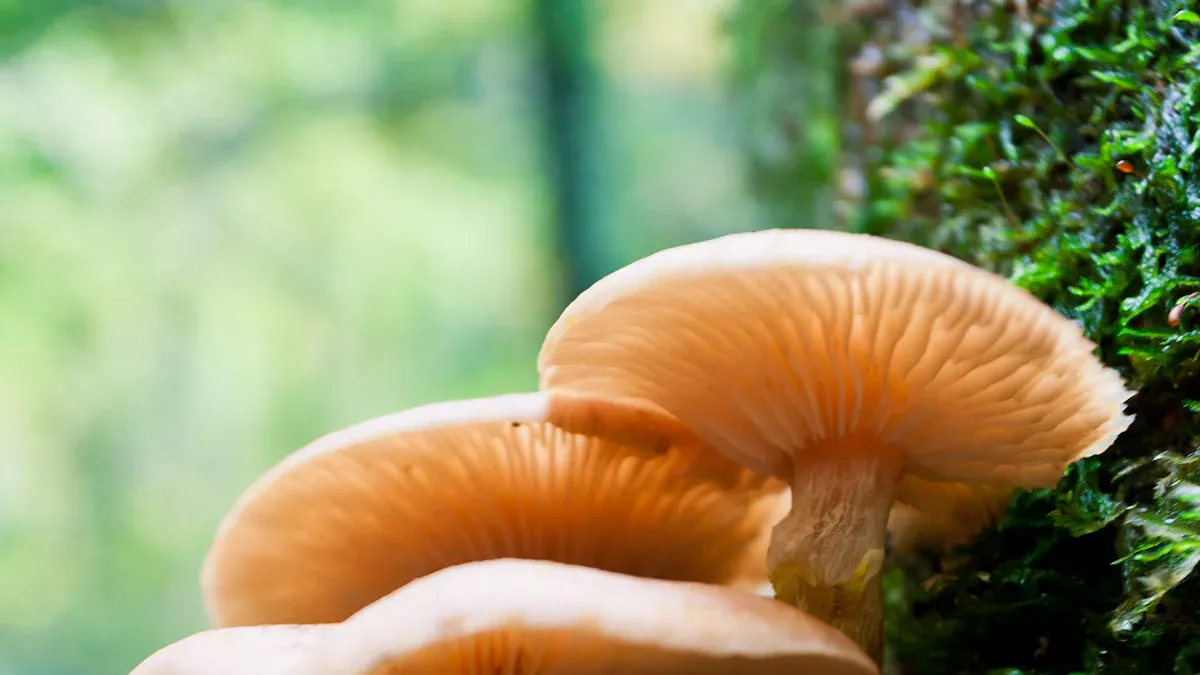
Symptoms of Fungal Infections
You can identify fungal infections in your lawn by observing several key symptoms. Look for:
Discoloration: Patches of grass may appear brown, yellow, or red.
Patches or Rings: Circular areas of dead or dying grass often indicate a fungal disease.
Powdery or Threadlike Structures: Some fungi produce a visible moldy or powdery coating on grass blades.
Puffballs or Mushrooms: The presence of these fungi-related structures can indicate a more extensive fungal network below the surface.
These signs can develop quickly, especially during warm and humid conditions. If you notice any of these symptoms, act promptly to prevent further damage.
Common Lawn Fungal Diseases
Several common lawn fungi can affect your grass. Here are some prevalent types:
Disease Type | Cause | Symptoms | Ideal Conditions |
|---|---|---|---|
Brown Patch | Rhizoctonia solani | Circular patches of dead grass, brown or gray in color. | Hot, humid weather; temperatures above 80℉. |
Dollar Spot | Clarireedia jacksonii | Small tan spots, hourglass-shaped lesions on grass blades. | Temperatures between 60 and 90℉. |
Red Thread | Laetisaria fuciformis | Pinkish-red threads on grass blades, circular patches. | Best between 60 and 75℉ with high humidity. |
The dollar spot is particularly notable for its small, circular spots about the size of a dollar coin. You may also see lesions with tan centers and reddish-brown borders. This fungal disease thrives in warm, humid conditions, making it essential to monitor your lawn closely during these times.
Understanding these symptoms and common lawn fungal diseases will help you maintain a healthy lawn. Early detection and treatment can prevent severe damage and keep your grass thriving.
How to Treat Brown Patch
Chemical Treatments
When you need to treat brown patch, chemical fungicides can be effective. These products contain active ingredients that target the fungus causing the disease. Here are some of the most effective active ingredients based on university trials:
Active Ingredient(s) | Combination Products | Efficacy Against Brown Patch |
|---|---|---|
Propiconazole | Concert | High |
Chlorothalonil | Concert, Instrata | High |
Pyraclostrobin | Honor | High |
Boscalid | Honor | High |
Fludioxonil | Instrata | High |
Various SDHIs | N/A | High |
To effectively apply fungicides, follow these steps:
Choose the Right Product: Select a fungicide that lists brown patch on its label.
Read Instructions: Always follow the manufacturer’s instructions for application rates and timing.
Apply Fungicide: Use a sprayer to evenly coat the affected areas. Ensure you cover the entire patch.
Water After Application: Lightly water the lawn after applying the fungicide to help it penetrate the soil.
Organic Solutions
If you prefer organic methods, several options can help treat brown patch fungus. These solutions can be effective and environmentally friendly. Consider these organic treatments:
Bacillus amyloliquefaciens strain D747: This organic fungicide is available in OMRI-certified products.
Potassium bicarbonate: Mix 1 tablespoon with 1 gallon of water and spray on the affected turf.
Neem oil: Combine 1 ounce of neem oil in 1 gallon of water for application on affected areas.
Clove oil: Mix 2 tablespoons in 1 gallon of water to combat brown patch fungus.
Garlic: Use crushed garlic or garlic oil mixed with water and liquid soap for control.
Additionally, you can create a simple homemade solution using a mixture of water, vegetable oil, baking soda, or neem oil. Horticultural cornmeal can also be used as a tea solution to help repair lawn damage.
To prevent recurrence of brown patch, maintain proper lawn care practices. Here are some tips:
Mow Regularly: Keep your grass at the recommended height for your grass type.
Water Wisely: Water early in the morning to reduce humidity and leaf wetness.
Aerate Your Lawn: Aeration improves drainage and air circulation, reducing the risk of disease.
Fertilize Appropriately: Avoid heavy nitrogen applications during hot, humid weather.
By following these treatment options and maintenance tips, you can effectively treat brown patch and keep your lawn healthy.
Preventing Lawn Diseases
Maintenance Tips
To keep your lawn healthy and reduce the risk of diseases like brown patch, follow these maintenance tips:
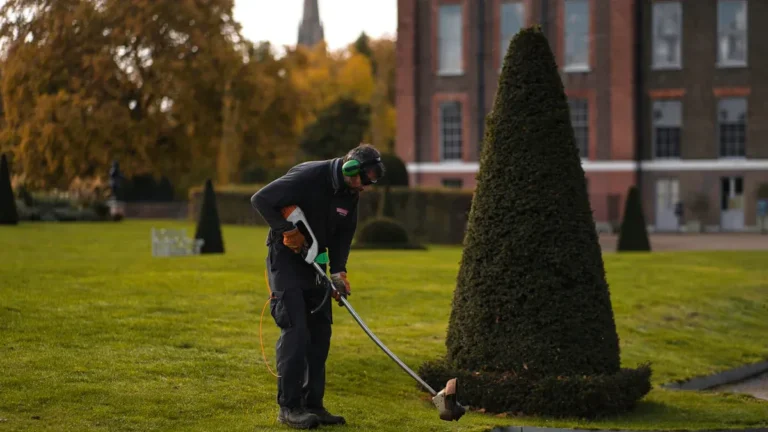
Mow Regularly: Maintain the recommended mowing height for your grass type. Cutting too low can stress the grass and increase disease susceptibility. Aim to remove no more than one-third of the grass blade at a time.
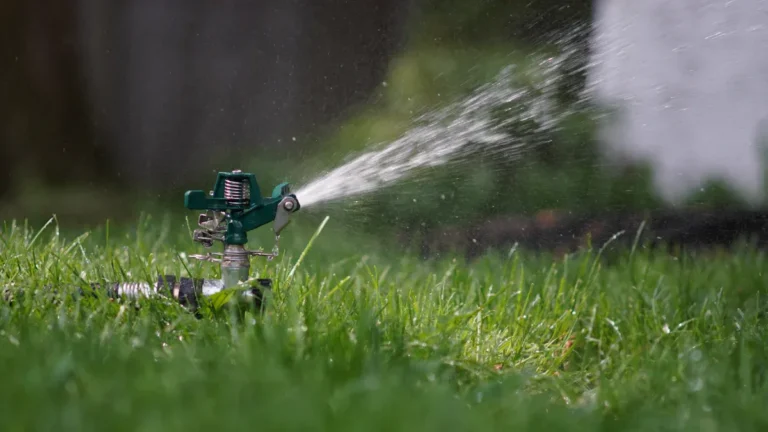
Water Wisely: Water your lawn deeply but infrequently. This practice helps maintain adequate soil moisture without creating overly wet conditions that favor fungal growth. Watering in the morning allows grass to dry before evening, reducing prolonged leaf wetness.
Aerate Your Lawn: Regular aeration improves soil drainage and air circulation. It is recommended to aerate at least once a year during the growing season to enhance root growth and reduce disease risk.
Fertilize Appropriately: Use slow-release granular fertilizers to provide nutrients without over-fertilizing. This approach helps build a dense, vigorous lawn that can better resist diseases.
Seasonal Care Strategies
Adapting your lawn care practices to seasonal changes is crucial for preventing diseases. Here are some strategies:
Monitor Weather Conditions: Be aware that seasonal changes in temperature and humidity can create favorable conditions for pathogens. Adjust your care practices accordingly.
Avoid Watering During Disease Outbreaks: If you notice signs of brown patch, refrain from watering until the disease is under control. Excess moisture can exacerbate the problem.
Tailor Care to Each Disease: Adjust your mowing, watering, and feeding strategies based on specific diseases. For example, during high-risk periods for brown patch, consider reducing nitrogen applications.
Strengthen Lawn Health: Focus on balanced fertilization and proper mowing height to build a resilient turf. This proactive approach helps prevent brown patch and other fungal diseases.
By implementing these maintenance tips and seasonal care strategies, you can effectively prevent brown patch and maintain a vibrant, healthy lawn.
Maintaining a healthy lawn requires your attention and action. Early identification and prompt treatment of lawn diseases can significantly impact your lawn’s long-term health. Here are some key benefits:
Preserve lawn health: Quick action prevents extensive damage, allowing grass to recover faster.
Avoid expensive lawn replacement: Neglected disease outbreaks can lead to costly re-sodding.
Improve long-term resilience: Consistent disease management strengthens your lawn’s resistance to future outbreaks.
Adopting preventive measures is equally important. Consider these long-term benefits:
Benefit Type | Description |
|---|---|
Cost-Effective | Preventative measures reduce the need for expensive remediation treatments over time. |
Long-Term Health | Proactive care prevents issues from compounding, leading to a healthier lawn. |
Stress Reduction | Preventative care alleviates feelings of frustration associated with unexpected lawn problems. |
Environmental Benefits | Reduces chemical use, minimizing pest outbreaks and positively impacting the environment. |
By staying vigilant and proactive, you can ensure your lawn remains vibrant and healthy for years to come.
FAQ
What causes brown patches in my lawn?
Brown patches often result from high humidity, warm temperatures, and poor soil drainage. Over-fertilization with nitrogen can also contribute to this issue.
How can I prevent fungal infections in my lawn?
To prevent fungal infections, maintain proper mowing height, water early in the morning, and aerate your lawn regularly. Avoid over-fertilizing, especially during hot, humid weather.
When is the best time to treat lawn diseases?
Treat lawn diseases as soon as you notice symptoms. Early intervention helps prevent further damage. Apply treatments during cooler parts of the day to avoid stress on your grass.
Are organic treatments effective for lawn diseases?
Yes, organic treatments can effectively manage lawn diseases. Options like neem oil and Bacillus amyloliquefaciens are safe and environmentally friendly alternatives to chemical fungicides.
How often should I aerate my lawn?
You should aerate your lawn at least once a year, preferably during the growing season. This practice improves soil drainage and promotes healthy root growth.