
Taking care of your indoor plants is more than just a hobby; it’s essential for their health and growth. When you understand how to provide the right amount of water, light, and nutrients, your indoor plants thrive. Proper indoor plant care can significantly impact their vitality. For example, light plays a crucial role in photosynthesis, while adequate irrigation ensures they stay hydrated. By following a solid guide for houseplant care, you can create an environment that encourages optimal growth and enhances the beauty of your space.
Key Takeaways
Water your plants based on their specific needs. Check soil moisture regularly to avoid overwatering or underwatering.
Assess the light conditions in your home. Place plants in areas that match their light requirements for optimal growth.
Fertilize during the active growth phase, typically spring to early fall. Follow package instructions to prevent over-fertilization.
Adjust your care routine with the changing seasons. Plants need different amounts of water and nutrients as temperatures fluctuate.
Regular maintenance is key. Consistent care helps your indoor plants thrive and enhances the beauty of your space.
Watering
General Guidelines
When it comes to watering your indoor plants, a few general guidelines can help you keep them healthy and thriving. Here are some key points to remember:
Watering frequency varies by plant type, pot size, and environmental conditions.
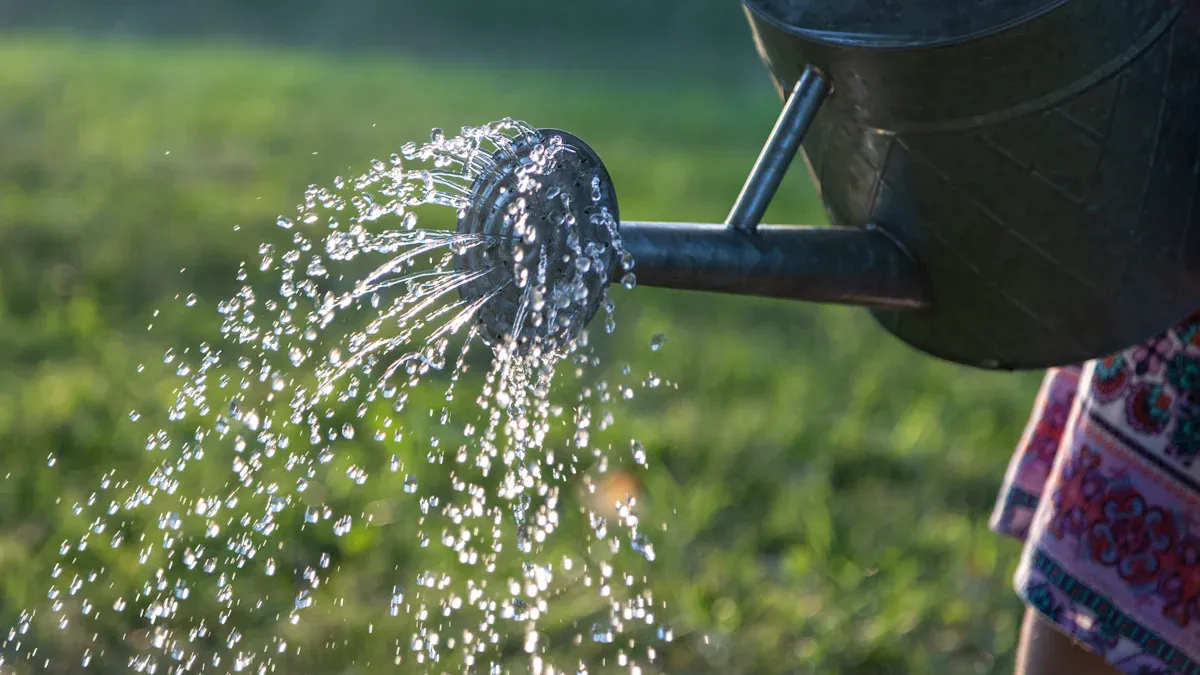
Top watering is often the best method. It helps avoid salt buildup and ensures even moisture distribution throughout the soil.
Look for signs of overwatering, like mushy leaves and brown spots. On the flip side, if you notice pale or wrinkled leaves, your plant might be underwatered.
Adjust your watering schedule in winter compared to summer. Cooler temperatures and shorter daylight hours mean your plants need less water.
Tropical plants usually require more frequent watering than succulents, which prefer drier conditions.
Always water the entire soil mass, not just one spot, to ensure all roots receive moisture.
If you’re unsure about soil moisture levels, consider using a moisture meter for accurate readings.
Frequency for Houseplants
Understanding the watering frequency for your houseplants is crucial. Here’s a quick guide for some common indoor plants:
Pothos: Water when the top inch of soil feels dry, usually every 1-2 weeks.
Snake Plant: Water every 2-3 weeks, allowing the soil to dry out completely between waterings.
Peace Lily: Water once a week, but check the soil; if it feels dry, give it a drink.
As seasons change, so do your plants’ water requirements. Here’s a simple houseplant watering calendar to help you adjust:
Season | Watering Frequency | Notes |
|---|---|---|
Spring | Once or twice a week | Increase frequency as temperatures rise and plants grow. Check soil moisture regularly. |
Summer | Two to three times a week | Higher evaporation rates require more frequent watering. Ensure soil remains moist. |
Fall | Less frequent, adjust based on conditions | As growth slows, reduce watering frequency to prevent overwatering. |
Winter | Once a month, if no snow cover | Many plants are dormant; however, some still need moisture during dry spells. |
Common Watering Mistakes
Even seasoned plant parents make mistakes when it comes to watering. Here are some common pitfalls to avoid:
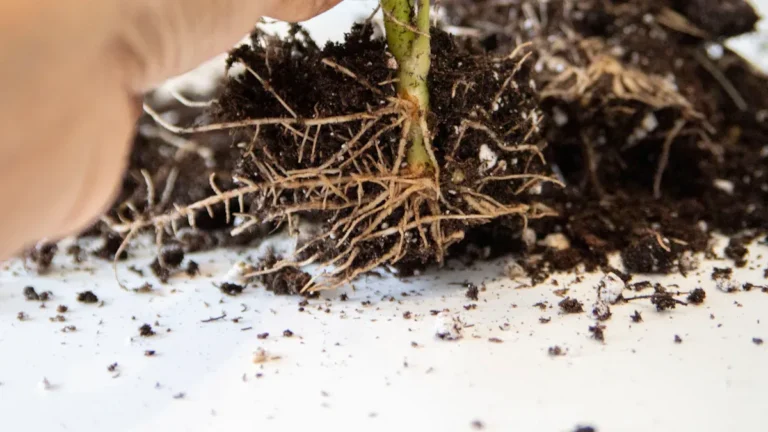
Overwatering is a leading cause of plant problems. It can lead to root rot and other issues that harm your plants.
Watering too frequently can prevent the soil from drying out, suffocating the roots.
Keeping roots in overly wet soil for extended periods can cause the plant to rot.
Avoid sticking to a strict watering schedule. Instead, pay attention to your plant’s needs. If it shows signs of wilting or leaf discoloration, it’s time to water.
By following these guidelines and being mindful of your plants’ needs, you can create a successful watering schedule that keeps your indoor plants happy and healthy.
Light Requirements
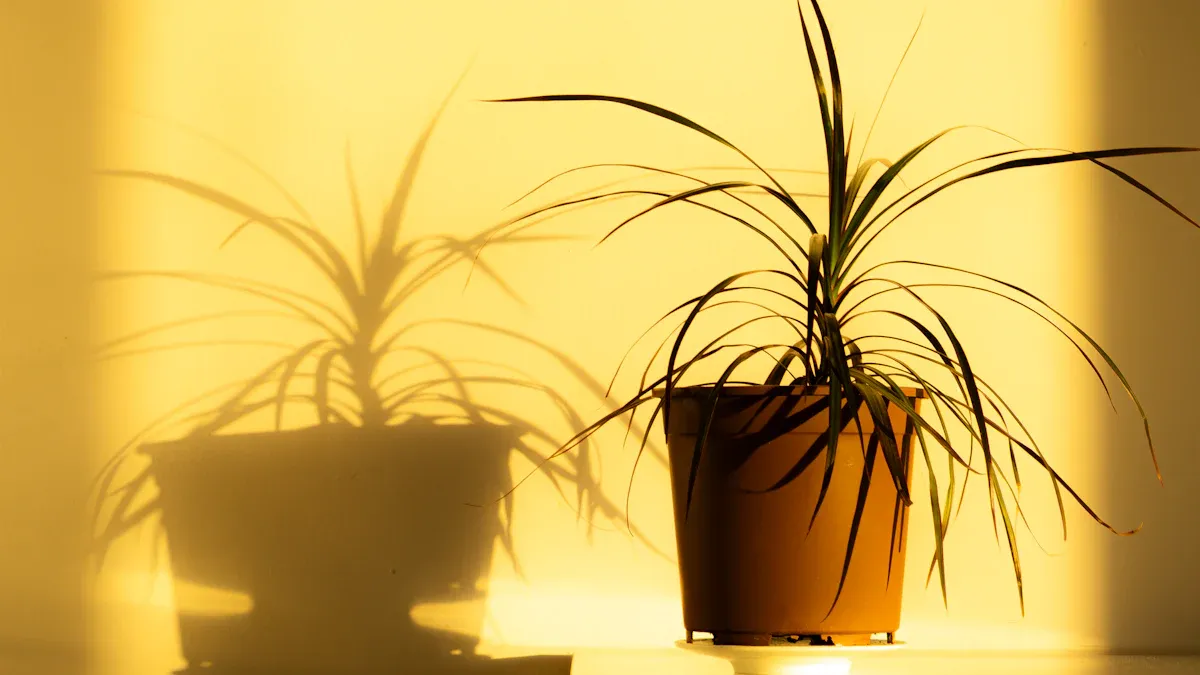
Types of Light
Understanding the different types of light is essential for keeping your houseplants healthy. Here’s a breakdown of the light types you might encounter:
Light Type | Description | Ideal Plants Examples |
|---|---|---|
Full Sun (Direct) | Areas with 6+ hours of direct sunlight daily, ideal for bright, dry plants. | Cacti, Succulents |
Bright Indirect | Bright spaces with natural light but no direct sun on leaves. | Peace Lily, Ferns |
Medium Light | Some natural sunlight, suitable for versatile plants. | Spider Plant, Pothos |
Low Light | Areas far from windows or with overhead indoor lights. | Snake Plant, ZZ Plant |
High Light | Near windows with some direct light, often softened by curtains. | Fiddle Leaf Fig, Aloe |
Each plant has its own light needs, so knowing where to place them can make a big difference in their growth.
Assessing Light Conditions
To ensure your indoor plants thrive, you need to assess the light conditions in your home. Here are some methods to help you determine how much light your plants receive:
Quick eye test for a rough estimate of light levels.
Use a light measurement app for a more accurate assessment.
Employ a physical light meter for precise measurements.
You can also consider using tools like light meters or smartphone apps. These devices measure light intensity using metrics like Photosynthetic Photon Flux Density (PPFD), which indicates how much light is useful for plants. When using a light meter, remember to measure light intensity at the foliage level for accuracy.
Common Light Mistakes
Many plant owners make mistakes regarding light exposure. Here are some common pitfalls to avoid:
Not providing the right amount of light for plants, which varies by species.
Failing to place plants in suitable locations to meet their light needs.
Neglecting to supplement natural light with grow lights when necessary.
Insufficient light can lead to weak growth, yellowing leaves, and even a lack of flowering. On the other hand, excessive light can cause leaves to shrivel and fade. To keep your plants happy, always pay attention to their specific light requirements and adjust their placement as needed.
By understanding the light needs of your houseplants and assessing your home’s light conditions, you can create a thriving environment for your indoor plants.
Fertilization
Types of Fertilizers
When it comes to fertilizing houseplants, you have several options. Here are the main types of fertilizers you can choose from:
Organic Fertilizers: These come from natural sources like plants and animals. They release nutrients slowly, promoting healthy soil ecosystems.
Inorganic Fertilizers: These are chemical-based and provide immediate nutrients. They can lead to faster growth but may harm soil health over time.
Liquid Fertilizers: These dissolve in water and are quickly absorbed by plants. They’re great for rapid growth periods.
Granular Fertilizers: These release nutrients slowly and are ideal for steady nutrient supply.
When to Fertilize
Timing is crucial for effective fertilization. You should fertilize your indoor plants during their active growth phase, which typically runs from spring to early fall. Here’s a quick guide:
Spring to Early Fall: Fertilize every 2-4 weeks as plants actively grow.
Fall to Winter: Reduce fertilization frequency to every 6-8 weeks or stop altogether, as most plants slow down during this period.
Application Techniques
Applying fertilizer correctly can prevent issues like root burn. Here are some tips to keep in mind:
Always water your plants before fertilizing. This helps prevent root damage and enhances nutrient absorption.
Follow the package instructions for the correct amount. Over-fertilizing can lead to salt buildup and harm your plants.
For liquid fertilizers, integrate them into your watering routine every two weeks. Granular fertilizers can be applied at the beginning of spring and mid-summer.
By understanding the types of fertilizers, the right timing, and proper application techniques, you can ensure your houseplants receive the nutrients they need for healthy growth.
Taking care of your indoor plants can be simple and rewarding. Remember these key points:
Choose plants that fit your environment.
Provide adequate sunlight and water for healthy growth.
Follow fertilizer instructions to avoid over-fertilization, especially during winter.
Regular maintenance does more than fix problems—it actively extends the life of your plants. With consistent care, you can help them thrive in your home.
By implementing these tips, you’ll create a vibrant indoor garden that brings joy and beauty to your space.