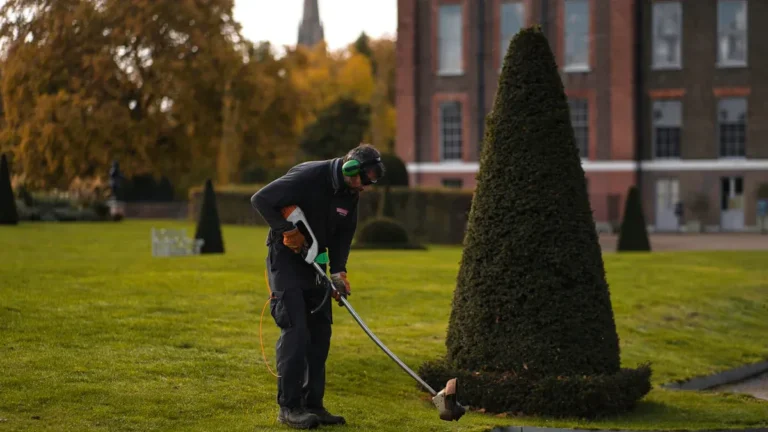


A thick green lawn offers more than just beauty; it boosts your home’s curb appeal and can significantly increase its market value. Imagine stepping outside to lush grass that not only looks great but also benefits your health. Healthy lawns reduce allergen exposure by minimizing pollen-producing weeds and absorb pollutants, improving air quality. Plus, they play a vital role in preventing soil erosion and reducing noise pollution. To achieve this, focus on key factors like soil quality, proper watering practices, and consistent maintenance techniques.
Key Takeaways
Start with healthy soil by testing its quality. Regular soil tests help you understand pH levels and nutrient availability.
Overseed your lawn in the fall for optimal growth. This fills in bare spots and promotes a denser, more uniform lawn.
Fertilize wisely to provide essential nutrients. Use organic options for long-term health and synthetic for quick fixes.
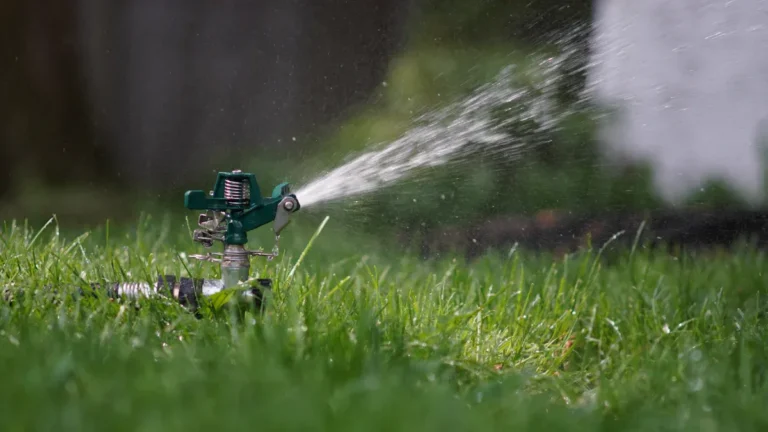
Water your lawn early in the morning to reduce evaporation. Proper timing and frequency are key to a vibrant lawn.
Control weeds and monitor for diseases. Use natural methods to keep your lawn healthy and thriving.
Soil Health for a Thicker Lawn
Testing Soil Quality
To grow a thicker lawn, you must start with healthy soil. Testing your soil quality is the first step. You can do this by checking the pH level, which affects how well your grass can absorb nutrients. Here’s how to test your soil:
Regular Soil Testing: Perform tests every three to five years to monitor changes in soil quality.
Biological Assessment: Look for insects and earthworms. Their presence indicates healthy soil.
Physical Properties Measurement: Conduct a basic texture analysis to understand your soil’s structure.
Infiltration Test: Measure how quickly your soil absorbs water. This helps you assess drainage capabilities.
Understanding your soil’s pH is crucial. Different types of grass thrive in different pH ranges. For example:
Grass Type | Ideal pH range |
|---|---|
Centipede | 5.0 to 6.0 |
St. Augustine | 6.0 to 6.5 |
Bermuda | 6.0 to 7.0 |
Zoysia | 6.0 to 7.0 |
Elite Tall Fescue | 6.5 to 7.5 |
A pH level between 6.5 and 7.0 is optimal for many cool-season grasses. If your soil is too acidic, it can lead to yellowing and thinning of your grass.
Amending Soil
Once you know your soil’s quality, it’s time to make amendments. This process improves soil structure and nutrient availability, leading to a thicker lawn. Here are some effective amendments you can use:
Texture Amendments: These improve soil consistency. For sandy soil, use compost. For moisture retention, consider vermiculite. Biochar can help with nutrient absorption.
pH Level Adjustments: If your soil is too acidic, apply agricultural lime or wood ash. For alkaline soils, use elemental sulfur or sphagnum peat moss to restore balance.
Fertility Amendments: Enhance soil fertility with grass clippings, composted manure, or bone meal. These additions provide essential nutrients for your grass.
Aeration is another important practice. It allows air, water, and nutrients to penetrate the soil. Here’s how often you should aerate:
High-traffic clay lawns: Aerate every year.
Moderate-traffic lawns: Aerate every one to two years.
Low-traffic lawns on loamy or sandy soil: Aerate every two to three years.
By focusing on soil health, you set the foundation for a lush, green lawn. Remember, a thicker lawn starts from the ground up!
Overseeding for a Lush Lawn
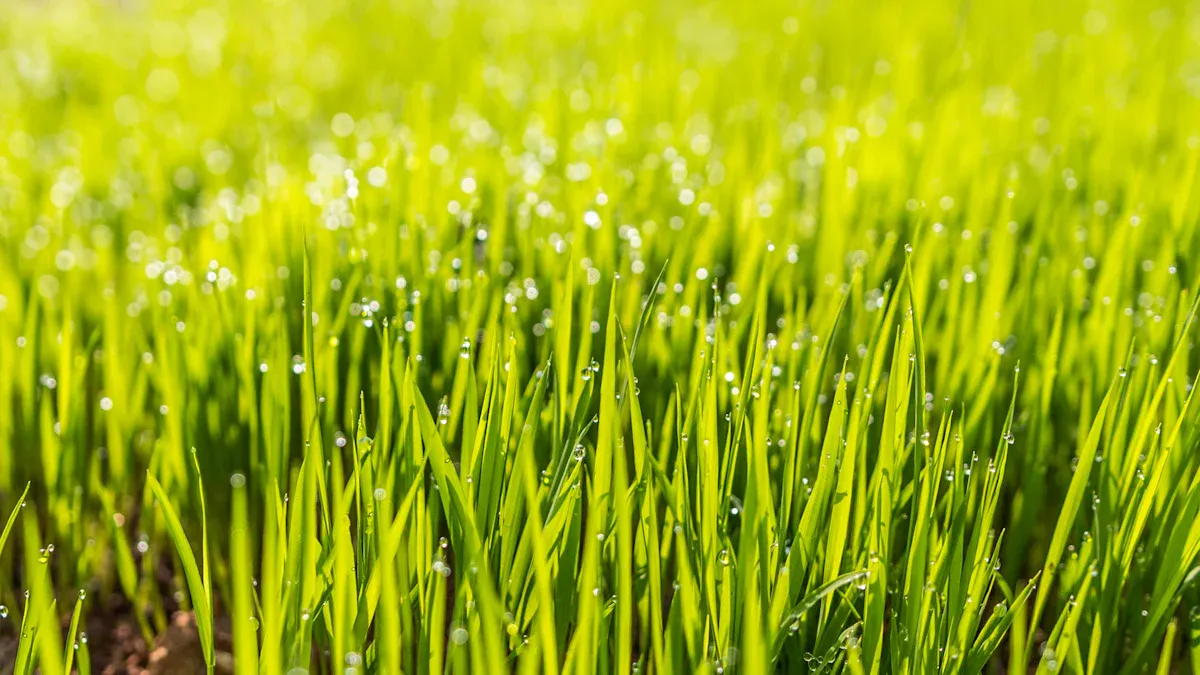
Overseeding is a fantastic way to achieve a lush lawn. It fills in thin areas and bare spots, making your grass denser and more uniform. This not only enhances the beauty of your yard but also boosts its curb appeal. So, when should you overseed?
Best Times to Overseed
The best time to overseed in temperate climates is during the fall. Here’s why:
The soil is warm, which helps seeds germinate.
Cooler air temperatures reduce stress on new grass.
Fewer weeds compete with your new grass, allowing it to thrive.
If you miss the fall window, spring is your next best option. Just remember that the earlier you can get those seeds down, the better!
Techniques for Successful Overseeding
To ensure your overseeding efforts pay off, follow these effective techniques:
Mow Your Lawn Short: This helps new seeds make contact with the soil.
Choose a Diversified Seed Mix: This minimizes stress from environmental factors and promotes a healthier lawn.
Follow the Correct Seeding Ratio: This encourages robust turf growth.
Keep Your Lawn Watered: Regular watering helps develop deep roots, which is crucial for a lush green lawn.
Overseed in Early Fall: This takes advantage of optimal growing conditions.
Here’s a quick look at some of the best grass seed varieties for overseeding:
Grass Type | Characteristics | Best For |
|---|---|---|
Kentucky Bluegrass | Vibrant green color, soft texture, thrives in cold winters and spring/fall. | Cooler climates |
Perennial Ryegrass | Grows quickly, forms dense turf, ideal for filling bare spots. | Overseeding in fall |
Tall Fescue | Durable, versatile, drought-resistant, low-maintenance. | High foot traffic areas |
Bermuda Grass | Thrives in hot temperatures, drought-resistant, fills bare soil quickly. | Warm climates |
By following these tips, you’ll be well on your way to a lush green lawn that you can be proud of!
Fertilization Tips for Lawn Care
Fertilization plays a crucial role in achieving a thicker lawn. It provides essential nutrients that your grass needs to grow strong and healthy. Let’s dive into the types of fertilizers you can use and when to apply them for the best results.
Types of Fertilizers
You have two main options when it comes to fertilizers: organic and synthetic. Each has its benefits, so let’s break them down:
Feature | Organic | Synthetic |
|---|---|---|
Speed | 2-6 weeks | 2-7 days |
Nutrient Release | Slow, gradual | Fast, immediate |
Soil Health | Improves structure | No improvement |
Burn Risk | Low | Moderate-high |
Environmental Impact | Low runoff | Higher runoff |
Fertilization cost (pro application) | $200-$500 | $100-$300 |
Best For | Long-term health | Quick fixes |
Organic fertilizers, like compost and manure, release nutrients slowly. This gradual process helps improve soil health over time. On the other hand, synthetic fertilizers provide quick results, making them ideal for immediate needs. However, they can sometimes lead to nutrient runoff, which isn’t great for the environment.
Application Timing
Timing your fertilization is just as important as the type you choose. For cool-season grasses, a good schedule looks like this:
Quality Desired | Sept. | Oct. | Nov. | May 15-June 15 |
|---|---|---|---|---|
Low | 0 | 1 | 0 | 0-1/2 |
Med | 1 | 1 | 0 | 0-1/2 |
High | 1 | 1 | 1 | 0-1/2 |
In September, you should focus on applying fertilizer to promote growth as the weather cools. October is another key month for fertilization, especially if you want a thicker lawn. By November, you can reduce your applications, but don’t skip May! A light application in late spring helps your grass bounce back after winter.
Regular fertilization is essential for maintaining a vibrant green color and thickness in your lawn. Here’s why:
Regular fertilization promotes vigorous and healthy lawn growth, leading to a thicker and denser lawn.
A well-fertilized lawn maintains a vibrant green color, which is essential for a healthy landscape.
Nitrogen, a key nutrient in fertilizers, encourages chlorophyll production, enhancing the grass’s green color.
By following these tips, you’ll set your lawn up for success. Remember, a thicker lawn starts with the right fertilization practices!
Proper Irrigation Practices
Watering your lawn properly is crucial for maintaining its health and vibrancy. Adequate watering ensures that your grass receives the moisture it needs to thrive. However, both overwatering and underwatering can lead to problems.
Watering Frequency
How often should you water? It depends on your region and soil type. Here’s a quick guide:
Region/Soil Type | Frequency | Amount per Session | Weekly Total |
|---|---|---|---|
Hot and Humid Regions | 2-3 times per week | 0.5 inches | 1-1.5 inches |
Moderate Summer Regions | 1-2 times per week | 0.6-1 inches | 1-1.2 inches |
Cool-Season Grasses | 2-3 times per week | 0.5 inches | 1-1.5 inches |
Warm-Season Grasses | 1-2 times per week | 0.75-1 inch | 1-1.5 inches |
Sandy Soil | 3-4 times per week | 0.3-0.4 inches | 1-1.2 inches |
Clay Soil | 1-2 times per week | 0.75-1 inch | 1-1.5 inches |
Loamy Soil | 2-3 times per week | 0.5 inches | 1-1.5 inches |
Overwatering can cause yellowing leaves, loss of density, and even attract pests. On the other hand, underwatering leads to bluish-gray grass and slow growth. Both extremes can harm your lawn’s health.
Best Times to Water
Timing is everything when it comes to watering. The best time to water your lawn is early in the morning, between 6 a.m. and 10 a.m. During this time, cooler temperatures and higher humidity reduce evaporation. This practice helps your grass dry out during the day, minimizing the risk of fungal diseases. If morning watering isn’t possible, aim for early evening, around 4 p.m. to 6 p.m. Just be careful not to water too late, as prolonged moisture can lead to issues.
By following these irrigation practices, you’ll keep your grass healthy and lush. Remember, a well-watered lawn is a happy lawn!
Challenges in Lawn Care
Maintaining a thick green lawn can be challenging, especially when dealing with weeds and diseases. Let’s tackle these common issues head-on!
Weed Control Methods
Weeds can quickly take over your lawn if you don’t manage them effectively. Here are some of the most common weed species you might encounter:
Dandelions: These bright yellow flowers are tough to control.
Chickweed: A small, leafy annual weed that thrives in various climates.
Clover: This perennial weed prefers sunny areas and well-drained soil.
Crabgrass: Known for its resilience, this annual weed spreads quickly.
To keep your lawn healthy, consider these effective weed control methods:
Boiling Water: Pouring boiling water directly on weeds is an eco-friendly way to eliminate them without harming nearby plants.
Soil Solarization: Use the sun’s energy to heat the soil, killing weed seeds and pests.
Essential Oils: These natural repellents disrupt weed growth while promoting a healthy lawn.
Hand Weeding: This manual method connects you to your lawn and minimizes chemical use.
Organic Herbicides: Made from natural ingredients, these provide a safe alternative to synthetic chemicals.
Corn Gluten Meal: This acts as a pre-emergent control, preventing weed seed germination while nourishing your grass.
Vinegar Solutions: A natural herbicide, vinegar works best when applied directly to weeds.
Identifying Lawn Diseases
Lawn diseases can sneak up on you, but knowing the early signs can help you act quickly. Here are some common diseases to watch for:
Brown Patch: Look for rough, circular patches during hot, humid weather. You might see purple or grayish-brown cobweb-like fungal growth in the morning dew.
Dollar Spot: This disease shows up as small, round, straw-colored spots, typically the size of a silver dollar, with a reddish-brown border.
To prevent these diseases, follow these best practices:
Water Early in the Morning: This allows grass to dry and reduces fungal growth.
Keep Mower Blades Sharp: Sharp blades prevent tearing of grass, which can create entry points for pathogens.
Monitor Thatch Buildup: Excessive thatch can harbor disease pathogens.
Feed Your Lawn Regularly: A well-nourished lawn is better at resisting diseases.
Mow at the Right Height: This prevents weakening of grass, making it less susceptible to diseases.
By staying vigilant and proactive, you can keep your lawn healthy and vibrant!
Growing a thick green lawn takes effort, but the results are worth it! Remember to focus on key practices like improving your soil, overseeding, and proper irrigation. Consistent care makes a huge difference. Here are some essential tips to keep in mind:
Mow regularly and at the right height to promote healthy grass.
Fertilize wisely to nourish your lawn without overdoing it.
Control weeds to give your grass the best chance to thrive.
By following these strategies, you’ll enjoy a dark green lawn that enhances your home’s curb appeal and value. So, roll up your sleeves and get started on your journey to a healthier lawn!
FAQ
What type of grass is best for my lawn?
Choosing the right grass depends on your climate. For warm areas, Bermuda grass thrives. In cooler regions, Kentucky bluegrass works well. Consider your lawn’s sun exposure and foot traffic too!
How often should I mow my lawn?
Mow your lawn every 1-2 weeks during the growing season. Keep the grass height between 2.5 to 4 inches. This encourages healthy growth and helps prevent weeds.
When is the best time to fertilize?
Fertilize your lawn in early spring and fall. This timing supports growth during peak seasons. Always follow the recommended application rates for the best results.
How can I tell if my lawn needs water?
Check your grass. If it looks dull or bluish-gray, it’s time to water. You can also do the “footprint test.” If footprints remain visible, your lawn needs moisture.
What should I do about lawn pests?
Identify the pests first. Use natural remedies like neem oil or insecticidal soap for minor infestations. For severe issues, consider consulting a local lawn care expert.