
Herb gardening offers a delightful way to enhance your culinary experiences, and our Herb Gardening Guide can help you get started. Imagine adding fresh herbs to your meals, elevating flavors while saving money. Over 14 million households in the U.S. grow herbs, making it a popular choice for many. Not only do fresh herbs taste better, but they also come with health benefits. For example, cinnamon may help manage blood sugar, while garlic boosts your immune system. Plus, growing your own herbs is easy and fun, deepening your connection to the plants around you.
Key Takeaways
Culinary herbs like basil and cilantro can enhance the flavor of many dishes, making meals more enjoyable.
Growing herbs is accessible; you can use gardens, containers, or indoor spaces to cultivate them.
Regular harvesting promotes healthy growth, ensuring a continuous supply of fresh herbs for your kitchen.
Preserving herbs through drying or freezing allows you to enjoy their flavors and nutrients year-round.
Home herb gardening supports sustainability by reducing food waste and minimizing the carbon footprint from transportation.
Herb Types
Common Herbs
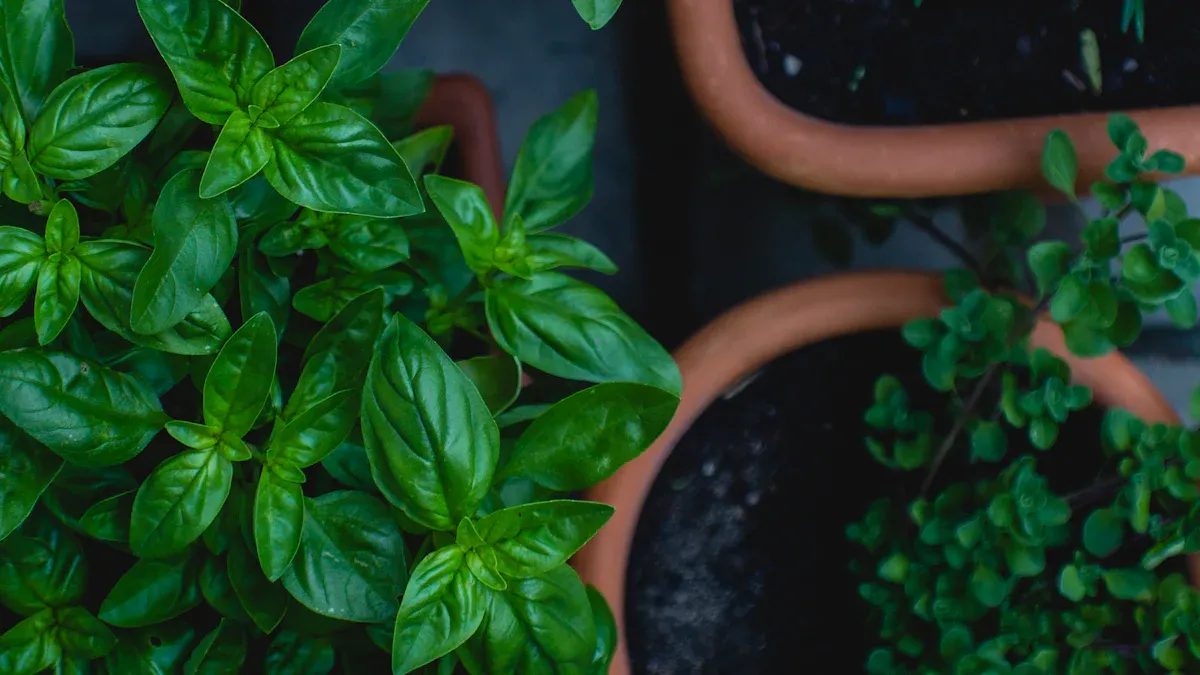
When you start your herb garden, consider growing some of the most popular herbs. These are not only easy to grow but also versatile in the kitchen. Here are a few common herbs you might want to include:
Basil (Ocimum basilicum)
Parsley (Petroselinum crispum)
Cilantro (Coriandrum sativum)
Mint (Mentha)
These herbs are among the best culinary herbs to grow, as they can enhance a variety of dishes with their fresh flavors.
Herbs for Cuisines
Different cuisines call for different herbs. If you want to explore global flavors, here are some essential herbs for specific cuisines:
Cuisine | Essential Herbs |
|---|---|
Italian | Oregano |
Thai | Lemongrass |
Mexican | Cilantro |
Using these herbs can elevate your cooking and help you create authentic dishes right at home.
Annual vs. Perennial
Understanding the difference between annual and perennial herbs is crucial for planning your garden.
Annual Herbs: These herbs complete their life cycle within one growing season. They grow, flower, produce seeds, and die all in the same year. Examples include cilantro, dill, and basil.
Perennial Herbs: These herbs live for more than two years. They die back in winter but regrow from the same root system in spring. Examples include rosemary, thyme, and mint.
Knowing how to grow each herb based on its life cycle will help you maintain a thriving herb garden.
Growing a Culinary Herb Garden

Soil Quality
To grow healthy herbs, start with the right soil. Good soil quality is essential for your plants to thrive. Aim for a well-draining mix that retains moisture without becoming soggy. You can improve your soil by adding organic amendments. Here are some great options:
Organic Mulch: This helps prevent weeds and keeps moisture levels steady. As it breaks down, it adds nutrients to the soil.
Compost: Enriches your soil with organic matter, improving its structure and nutrient availability.
Worm Castings: These provide a nutrient-rich fertilizer that enhances soil health.
Organic Fertilizers: Use these if your soil lacks nutrients when starting a culinary herb garden.
When it comes to pH levels, different herbs have specific needs. Check out this table for optimal pH ranges:
Herb | Optimal pH Range |
|---|---|
Basil | 5.5–6.5 |
Parsley | 5.0–7.0 |
Thyme | 5.5–7.0 |
Sunlight Needs
Sunlight plays a crucial role in growing herbs. Most culinary herbs thrive with at least 6 hours of bright sunlight each day. If your space lacks natural light, consider using full-spectrum grow lights. Here are some key points about sunlight needs:
Most herbs and vegetables do best in locations with 8+ hours of direct sunlight daily.
Insufficient sunlight can lead to weak growth and reduced flavor. For example, rosemary may become leggy, and the essential oils that give herbs their flavor can diminish.
To ensure your herbs flourish, place them in a sunny spot. If you notice weak plants, it might be time to reassess their light exposure.
Container Gardening
Container gardening offers flexibility and convenience for growing herbs. You can easily move pots to optimize sunlight or protect them from harsh weather. Here are some advantages and disadvantages of container gardening:
Advantages:
You can garden in spaces where traditional in-ground planting isn’t possible.
Keeping herbs close to your kitchen makes cooking with fresh ingredients easier.
Containers allow you to adjust the location based on sunlight needs.
Disadvantages:
Containers require regular maintenance for soil nutrients, so frequent fertilization is necessary.
Temperature fluctuations can stress plants, making them more vulnerable than in-ground gardens.
Limited space can restrict the growth of certain herbs, especially those with extensive root systems.
When choosing containers, consider the size. For example, rosemary needs a pot with a 10-12 inch diameter and at least 12 inches deep. Mint requires a minimum of 12 inches across to thrive.
By understanding soil quality, sunlight needs, and the pros and cons of container gardening, you can successfully grow a culinary herb garden that enhances your cooking and brings fresh flavors to your meals.
Harvesting Techniques
When to Harvest
Knowing when to harvest your herbs is key to enjoying their full flavor and health benefits. Each herb has its own signs that indicate it’s ready for picking. For example:
Basil: Look for large, deep green, glossy leaves that feel firm and supple. Avoid yellowed or wilted leaves. It’s best to harvest before the plant flowers to keep the flavor strong.
Cilantro: Identify broad, irregularly lobed margins on the leaves. The plant forms a rosette before it bolts, which is the perfect time to harvest.
Oregano: Check for mature leaves that are typically matte in texture and have a distinct aroma. Harvest when the leaves are fully developed.
Regular harvesting encourages your herbs to grow back bushier and healthier. Aim to harvest perennial herbs weekly to promote leaf growth. Cutting 3 to 4 stems weekly during peak growth leads to a continuous supply of fresh herbs. Remember, harvesting in the morning enhances flavor, so try to pick your herbs early in the day.
Best Practices
To maximize regrowth and prevent disease when cutting herbs, follow these best practices:
Use scissors to cut the herbs while leaving them on the stem. This minimizes handling and helps retain essential oils in the leaves.
Avoid stripping leaves or blossoms from the stem to prevent bruising.
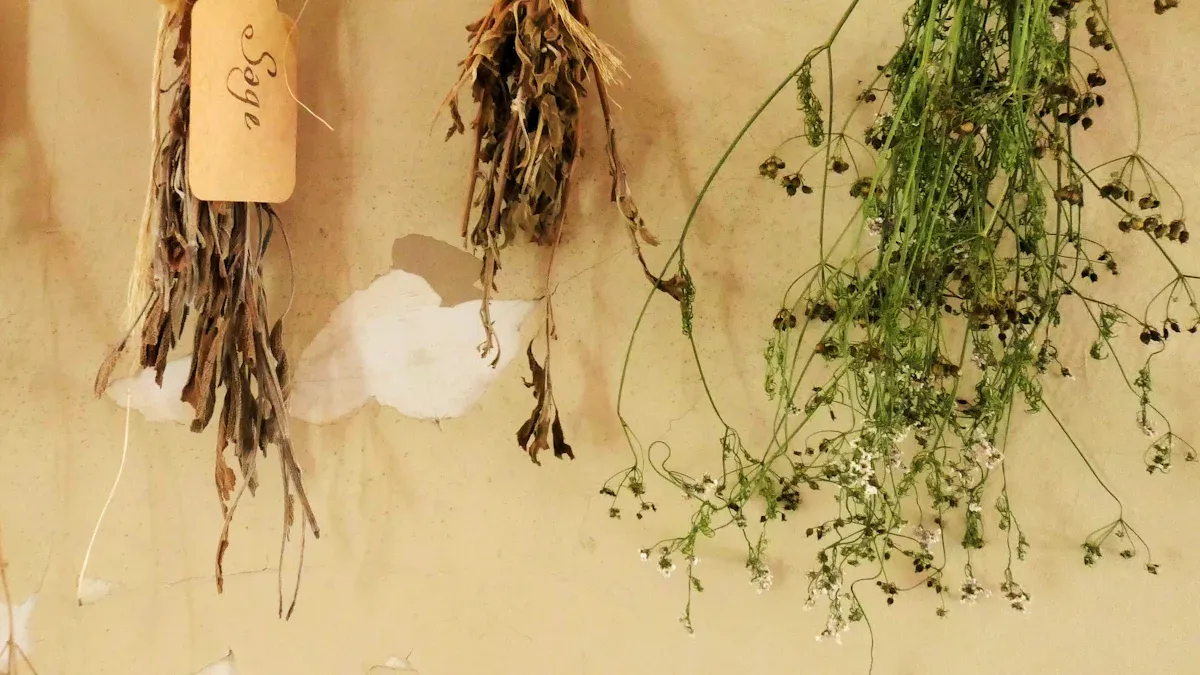
For drying, hang herbs upside down. This allows gravity to pull essential oils into the leaves, enhancing their flavor. Ensure good airflow while drying to prevent mold.
Here are some common mistakes to avoid when harvesting:
Mistake | Explanation |
|---|---|
Not Cleaning Tools | Dirty tools can spread diseases among plants, ruining your herb garden. Clean tools after each use. |
Pulling The Entire Plant | Harvest incrementally to keep plants healthy; pulling the whole plant ends its supply prematurely. |
Leaving Flowers | Flowers divert energy from leaves; pinch off flowers to maintain flavor and leaf quality. |
Storing Incorrectly | Proper storage is crucial; store herbs in water or wrap in damp paper towels to maintain freshness. |
Harvesting Tools
Using the right tools makes harvesting herbs easier and more efficient. Here’s a quick guide on what to use:
For delicate herbs like basil, cilantro, and parsley:
Use sharp, lightweight tools such as multi-blade herb scissors or razor-sharp paring knives. A gentle slicing motion helps avoid bruising.
For woody herbs like rosemary, thyme, and sage:
Bring along sturdier tools like a chef’s knife or mezzaluna. Herb strippers can also help remove leaves from thicker stems.
Before you start harvesting, make sure your tools are clean. You can sanitize them using sodium hypochlorite, which has strong antimicrobial properties. This step is crucial for minimizing the transmission of pathogens during harvest.
By following these harvesting techniques, you can enjoy a bountiful supply of fresh herbs while keeping your plants healthy and thriving.
Preserving Herbs
Drying Methods
Drying herbs is a fantastic way to preserve their flavor and aroma. You have several methods for drying herbs, each with its pros and cons. Here’s a quick look at how different drying methods impact flavor retention:
Drying Method | Flavor Retention Impact |
|---|---|
Air Drying | Retains flavor well if done in a well-ventilated area. |
Oven Drying | Generally not recommended; destroys much flavor and oils. |
Dehydrator Drying | Fast and effective; controls temperature and air circulation for better flavor retention. |
If you choose air drying, expect an average drying time of 10 to 14 days for herbs like basil, thyme, and sage. Just hang them upside down in a cool, dry place, and let nature do its work!
Freezing Techniques
Freezing is another excellent method for preserving fresh herbs. It locks in flavor and nutrients, making your herbs ready for use whenever you need them. Here are some tips for freezing herbs effectively:
Select fresh herbs in the morning for the best flavor.
Rinse and dry herbs without crushing them before freezing.
Strip leaves from stems, chop, and freeze in ice cube trays filled with water to create handy herb cubes.
Roll whole leaves into logs, pack them in bags, and freeze for easy slicing later.
Freezing can retain 85-95% of the vitamins and minerals in your herbs, compared to only 60-70% for air-dried herbs. This makes freezing a top choice for preserving herbs.
Herb Oils and Butters
Making herb-infused oils and butters is a delightful way to enjoy your herbs long after the growing season. Here are some safety guidelines to keep in mind:
Safety Guideline | Description |
|---|---|
Key Risk | Fresh ingredients like garlic and herbs in oil create an oxygen-free environment, ideal for Clostridium botulinum bacteria, which can produce deadly toxins. |
Storage Rules | Non-acidified oils (with fresh ingredients): Refrigerate immediately and use within 2–4 days. Acidified oils: Safer for longer storage but refrigerate for better quality. |
Best Practices | Sterilize containers (dark glass or stainless steel preferred) to prevent contamination. Label with preparation and use-by dates, ingredients, and storage instructions. |
You can create delicious combinations like garlic butter or rosemary-infused oil. Just remember to store them properly to keep them safe and flavorful!
Growing your own herbs brings joy and flavor to your kitchen. You can enhance your meals with fresh herbs, making them more nutritious and delicious. Here are some key takeaways:
Culinary herbs are versatile and can elevate various dishes.
You can grow them in gardens, containers, or even indoors, making them accessible to everyone.
Regular harvesting encourages growth, leading to a more abundant supply.
Preservation methods like drying and freezing allow you to enjoy herbs year-round.
Home herb gardening also supports sustainability. It reduces the carbon footprint from food transportation and minimizes packaging waste. Plus, you can harvest only what you need, cutting down on food waste. So, dive into herb gardening and enjoy the many benefits it offers!