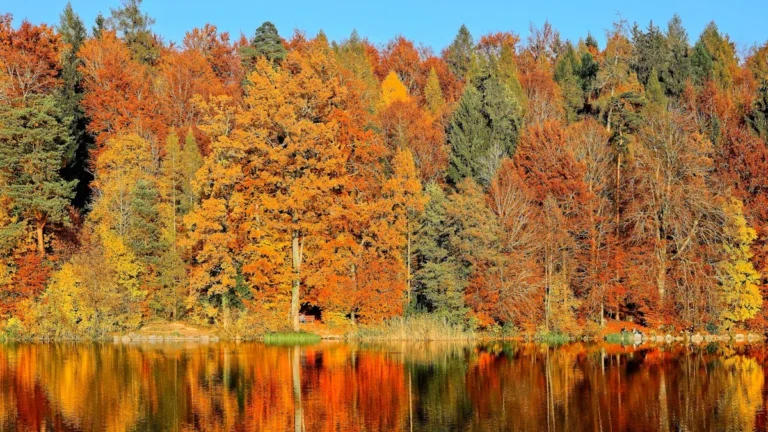

Understanding the difference between cool-season and warm-season grasses is crucial for successful lawn care. Cool-season grasses thrive in temperate and colder climates. They maintain their green color during cooler weather, influencing their growth patterns and maintenance needs. In contrast, warm-season grasses flourish in hot summers and require less water. However, they may go dormant and lose color in winter. Recognizing these grass types explained helps you select the right variety for your climate, leading to better turf management outcomes.
Key Takeaways
Understand the difference between cool-season and warm-season grasses to choose the right type for your climate.
Cool-season grasses thrive in cooler temperatures and require consistent watering and fertilization for optimal growth.
Warm-season grasses flourish in hot weather and are more drought-resistant, making them ideal for southern regions.
Mixing grass types can enhance lawn health and aesthetics, providing a lush appearance year-round.
Regular maintenance practices like proper mowing and watering are essential for a vibrant and healthy lawn.
Cool-Season Grass Traits
Growth Patterns
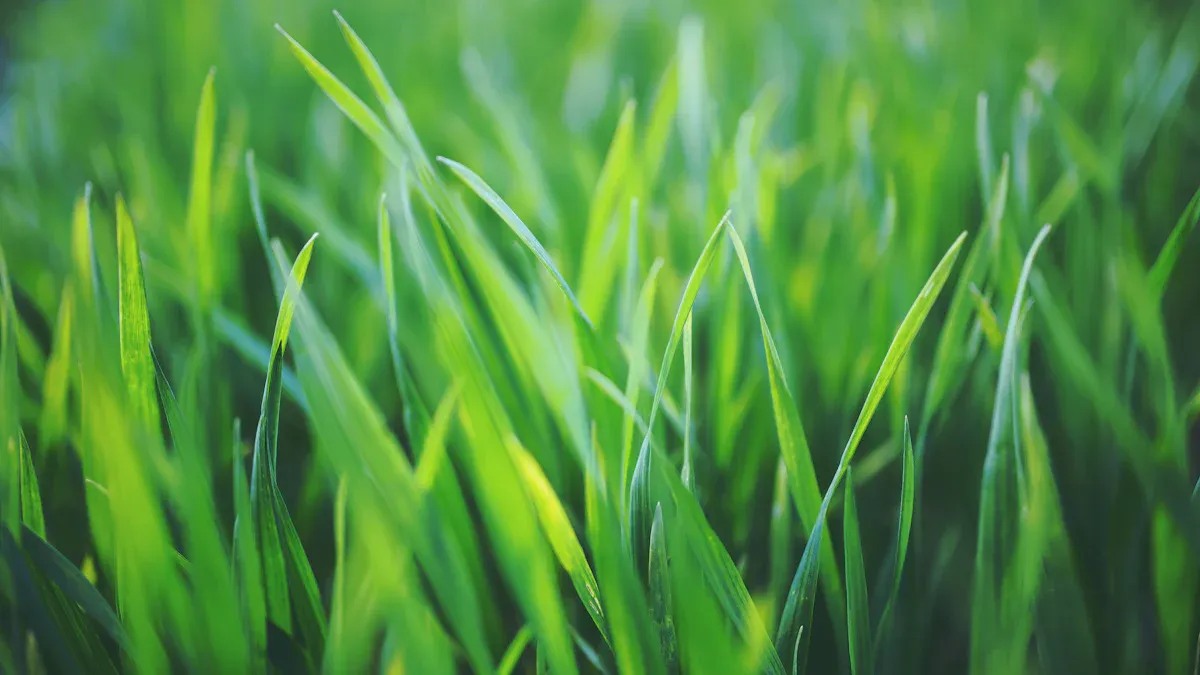
Cool-season grasses exhibit unique growth patterns throughout the year. You will notice that their growth varies significantly with the changing seasons. Here are some key observations:
In mild winter climates, turf growth is less pronounced during winter.
Spring brings a gradual increase in growth rate, which continues into summer, except during hot, dry periods.
Fall growth may slow, but tillering and density increase, especially in Kentucky bluegrass, which shows significant rhizomatous growth.
In colder climates, turf goes dormant in winter. You can expect a growth flush in mid- to late spring, tapering off in summer, and picking up again in fall before winter dormancy.
Temperature fluctuations play a crucial role in the growth rate of cool-season grasses. For instance, the germination rates of different grass varieties can vary dramatically based on temperature. The table below illustrates this:
Grass Variety | Germination Rate at 36 °C | Germination Rate at 25 °C |
|---|---|---|
‘Yatsyn’ | 3.3% | 100% |
‘Nui’ | 29.7% | 100% |
‘Mathilde’ | 1.6% | 100% |
Color and Texture
The color and texture of cool-season grasses contribute significantly to their appeal. You will find that these grasses typically have a rich green color, which enhances the aesthetic of your lawn. Here’s a breakdown of their characteristics:
Grass Type | Texture | Color Characteristics |
|---|---|---|
Kentucky Bluegrass | Medium to fine | Rich green |
Tall Fescue | Medium | Dark green |
Creeping Fescue | Fine | Bright green |
Perennial Ryegrass | Medium | Light to medium green |
Cool-season grasses generally have medium to thick leaf blades, which differ from the finer or broader blades of warm-season grasses. This characteristic not only affects the look of your lawn but also its resilience and maintenance needs.
By understanding these traits, you can make informed decisions about which cool-season grasses will thrive in your specific environment.
Common Cool-Season Grasses
Kentucky Bluegrass
Kentucky bluegrass stands out among cool-season grasses for its rich, blue-green color. This grass features tree-shaped seed heads, boat-shaped leaf tips, and narrow blades. It spreads through rhizomes, allowing for self-repair and creating a dense turf. However, it has low shade tolerance and requires full sun to partial shade. You should note that Kentucky bluegrass is less drought-tolerant due to its shallow root system, needing more water than other cool-season grasses. It also has a slower germination time of 14 to 30 days, which may require patience. This grass thrives best in cool, humid climates, particularly in the northern regions of the United States and southern Canada.
Perennial Ryegrass
Perennial ryegrass is another popular choice for cool-season lawns. It establishes quickly, providing a dense lawn appearance. Here are some key characteristics:
Characteristic | Description |
|---|---|
Rapid Germination | Establishes quickly, providing a dense lawn appearance. |
Excellent Wear Tolerance | Handles foot traffic well, making it suitable for high-use areas. |
Adaptability | Thrives in various turf conditions, including cool-season blends. |
Enhanced with Endophytes | Many cultivars have improved resistance to pests and environmental stress. |
You can use perennial ryegrass as a standalone lawn grass or include it in cool-season grass blends. It is ideal for overseeding warm-season lawns during fall and winter.
Tall Fescue
Tall fescue differentiates itself with its extensive root system, which can reach 2 to 3 feet deep. This feature allows it to access water and nutrients effectively. Here are some notable aspects:
Feature | Description |
|---|---|
Extensive Root System | Deep roots provide access to water and nutrients. |
Bunch-Forming Growth Habit | Grows in clumps, reducing the need for dethatching. |
Adaptability | Thrives in various environmental conditions, including heat, drought, and shade. |
Tall fescue performs well in USDA Hardiness Zones 4–7, making it suitable for regions like the Midwest, Mid-Atlantic, and parts of the Southeast. It is a reliable choice for the transition zone, handling both heat and cold effectively.
Cool-Season Grass Maintenance
Watering Needs
Proper watering is essential for maintaining healthy cool-season grasses. You should aim for about 1 inch of water per week, including rainfall. This amount supports vigorous growth during peak temperatures. Here are some key watering practices:
Water deeply and infrequently to encourage deep root growth.
Divide your total weekly watering time into three equal sessions spaced throughout the week.
In dry conditions, apply 1 to 1.5 inches of water weekly to enhance drought tolerance.
Watering should ideally occur in the early morning to reduce evaporation and disease risk.
Soil moisture levels significantly affect the health of your turf. Proper watering prevents shallow root systems caused by overwatering. Underwatering can lead to wilting and discoloration, negatively impacting grass health.
Fertilization Practices
Fertilization plays a crucial role in the health of cool-season grasses. You should conduct soil testing at least once every three years to determine nutrient needs. Focus on nitrogen (N) as the primary nutrient. Here are some recommended practices:
March – May: Apply nitrogen fertilizer one to two times to assist with greening up the turf.
June – August: Avoid heavy applications; consider spoon feeding if necessary.
September: This is the best time for fertilization to promote recovery and root growth.
October – December: Late fall fertilization supports root growth and enhances spring performance.
Timing your applications during active growth periods, such as March to June and September to December, ensures optimal results.
Mowing Techniques
Mowing is vital for maintaining the health of your cool-season grasses. Keep your lawn at a height of about 2 ½ inches. This height promotes optimal growth and health. Here are some important mowing tips:
Only cut the top one-third of the grass blades during mowing.
Consistent mowing helps maintain color and thickness.
Avoid cutting too closely, as this can hinder the grass’s ability to produce food necessary for sustenance and root development.
Proper mowing management enhances disease resistance in your lawn. Ensure sufficient leaf surface remains for photosynthesis and root growth.
Warm-Season Grass Traits
Growth Patterns
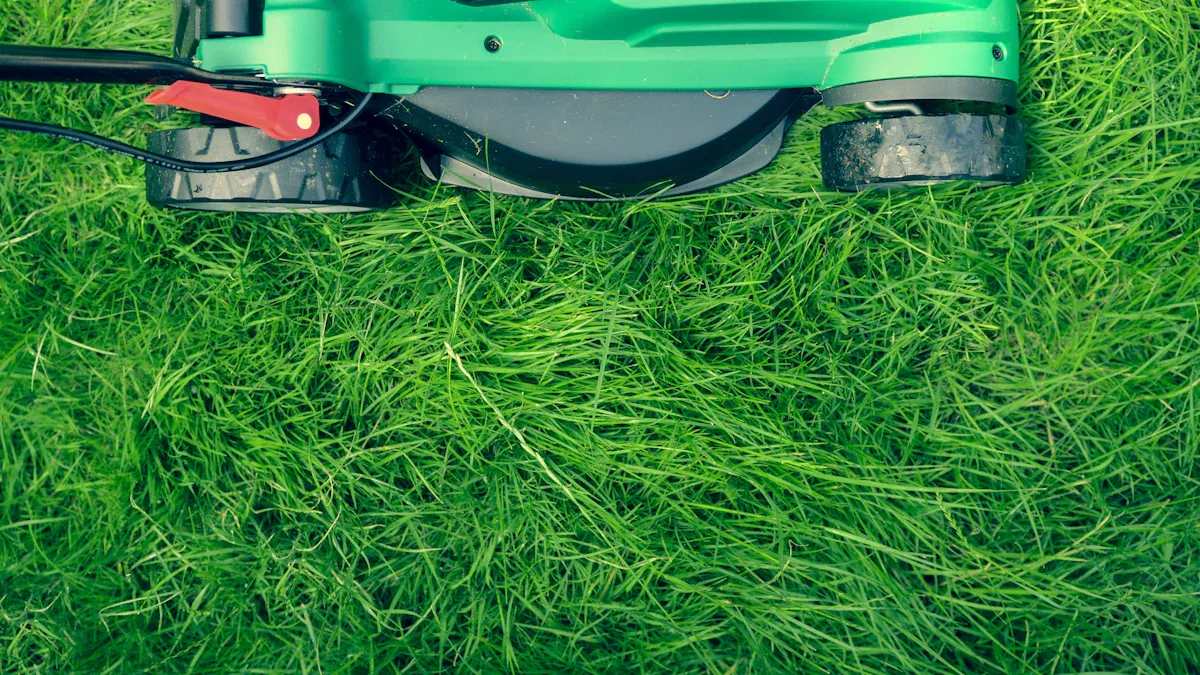
Warm-season grasses thrive in the heat of summer. They grow best when temperatures rise above 80°F (27°C). Here are some key points about their growth patterns:
Active Growth: You will notice that warm-season grasses actively grow from late spring to early fall. During this time, they develop lush, green lawns.
Dormancy: As temperatures drop in the fall, these grasses enter a dormant phase. They may turn brown and stop growing until the warmth returns in spring.
Drought Resistance: Warm-season grasses have adapted to withstand high temperatures and drought conditions. They possess a modified photosynthetic pathway that enhances their drought and heat tolerance. This adaptation allows them to conserve water and thrive even in challenging conditions.
The table below summarizes how warm-season grasses respond to high temperatures and drought:
Response Type | Description |
|---|---|
Photosynthetic Pathway | Warm-season grasses have a modified photosynthetic pathway that enhances their drought and heat tolerance. |
Biomass Production | These grasses have a high capacity for biomass production, making them suitable for bioenergy. |
Physiological Response | Leaf-level responses to drought and heatwaves are mixed, indicating variability in stress tolerance. |
Research Gaps | Limited studies on the effects of climate change on these grasses highlight the need for further research. |
Research indicates that genetic adaptations in warm-season grasses contribute to their resilience against heat stress. For example, studies on the heat stress transcription factor A2 (HsfA2) gene from African Bermudagrass show that transgenic lines exhibit improved thermo-tolerance under high temperatures. These plants have significantly higher survival rates than wild-type plants.
Color and Texture
The color and texture of warm-season grasses play a vital role in their appeal. You will find that these grasses typically have a rich, vibrant green color during their active growth period. Here’s a breakdown of their characteristics:
Grass Type | Texture | Color Characteristics |
|---|---|---|
Bermuda Grass | Fine to medium | Dark green |
Zoysia Grass | Medium | Olive green |
Centipede Grass | Medium to coarse | Light green |
Warm-season grasses generally have thicker leaf blades compared to cool-season varieties. This characteristic not only affects the appearance of your lawn but also its durability. The texture can vary from fine to coarse, depending on the specific grass type.
Common Warm-Season Grasses
Bermuda Grass
Bermuda Grass is a popular choice for warm-season lawns. It features a fine to medium texture and a vibrant dark green color. This grass spreads through stolons and rhizomes, creating a dense turf. Here are some key characteristics:
Grass Type | Blade Width | Growth Habit | Water Requirements | Sun Exposure | Resilience to Pests |
|---|---|---|---|---|---|
Bermuda Grass | 1/8″ | Spreads by stolons, rhizomes | High | Full sun | High (especially chinch bugs) |
Bermuda Grass thrives in warm climates, particularly where high summer temperatures are common. It tolerates drought conditions well, making it ideal for southern regions. However, it struggles in colder climates, where winter dormancy can lead to potential winter-kill.
Zoysia Grass
Zoysia Grass is known for its dense growth and durability. It adapts well to various soil types and climates, making it a versatile option. Here are some of its main features:
Characteristic | Description |
|---|---|
Dense Growth | Creates a thick, lush lawn that suppresses weeds naturally. |
Drought Tolerance | Requires less water compared to other grass types. |
Durability | Withstands heavy foot traffic, making it ideal for active areas. |
Low Maintenance | Slow growth reduces mowing frequency and maintenance efforts. |
Zoysia Grass performs well in both sun and shade, making it suitable for diverse environments. It thrives in warm climates and can tolerate moderate shade, which adds to its appeal.
Centipede Grass
Centipede Grass is characterized by its low maintenance and unique appearance. It has a lighter green color and a coarse texture. Here are some features that set it apart:
Feature | Description |
|---|---|
Maintenance Requirements | Low maintenance, requiring minimal care. |
Fertilizer Needs | Low fertilizer requirements, making it economical to maintain. |
Drought Tolerance | High drought tolerance, suitable for dry conditions. |
Visual Appearance | Lighter green color and coarse texture, distinguishing it visually from other grasses. |
Centipede Grass thrives in the Southeastern U.S., especially in regions east of I-95 in North Carolina. It prefers acidic soils and requires at least six hours of sunlight daily. This grass type is perfect for homeowners seeking a low-maintenance lawn that still looks great.
Warm-Season Grass Maintenance
Watering Needs
Proper watering is essential for maintaining healthy warm-season grasses. You should aim for about 1 to 1.5 inches of water per week. This amount includes rainfall. Here are some tips for effective watering:
Water early in the morning to reduce evaporation.
Use a soaker hose or sprinkler system to ensure even coverage.
Check soil moisture by digging a small hole. If the top inch feels dry, it’s time to water.
Fertilization Practices
Fertilizing your warm-season grasses helps promote growth and health. You should focus on nitrogen-rich fertilizers. Here’s a simple fertilization schedule:
Late Spring: Apply a balanced fertilizer as the grass begins to grow actively.
Mid-Summer: A second application can help maintain color and vigor.
Fall: Consider a light application to prepare the grass for dormancy.
Always follow the manufacturer’s instructions for application rates. Over-fertilizing can harm your lawn and the environment.
Mowing Techniques
Mowing plays a crucial role in the health of your warm-season turf. You should keep your lawn at a height of about 1 to 2 inches. Here are some important mowing tips:
Mow regularly to maintain an even height.
Avoid cutting more than one-third of the grass blade at a time.
Keep mower blades sharp to ensure clean cuts.
Regular mowing encourages denser growth and helps prevent weeds. It also enhances the overall appearance of your lawn.
Mixing Grass Types
Benefits of Mixing
Mixing cool-season and warm-season grasses can enhance your lawn’s overall health and appearance. Here are some key benefits:
Extended Growing Season: By combining both grass types, you can enjoy a lush lawn throughout the year. Cool-season grasses thrive in spring and fall, while warm-season grasses flourish in summer.
Improved Resilience: A mixed lawn can better withstand environmental stresses. If one type struggles due to heat or cold, the other can maintain its health.
Enhanced Aesthetics: Different grass types can create a visually appealing lawn. You can achieve a vibrant green color in various seasons, making your lawn stand out.
Considerations for Blending
When blending grass types, you should consider several factors to ensure success:
Climate Compatibility: Choose grass types that thrive in your local climate. For example, if you live in a region with hot summers and cold winters, select warm-season grasses that can handle the heat and cool-season varieties that can survive the cold.
Soil Type: Different grasses have varying soil preferences. Test your soil to determine its pH and nutrient levels. This information will guide your grass selection.
Maintenance Needs: Understand the maintenance requirements of each grass type. Some may need more water or fertilizer than others. Ensure you can meet these needs to maintain a healthy lawn.
Sunlight Exposure: Assess the sunlight your lawn receives. Some grasses prefer full sun, while others tolerate shade. Choose a mix that matches your lawn’s light conditions.
By carefully considering these factors, you can create a thriving lawn that combines the best traits of both cool-season and warm-season grasses.
Climate Suitability for Grass Types
Regions for Cool-Season Grasses
Cool-season grasses thrive in regions with cooler temperatures. You will find these grasses perform best in the following areas:
Northern United States: States like Minnesota, Wisconsin, and Michigan offer ideal conditions.
Pacific Northwest: Areas such as Washington and Oregon provide mild winters and cool summers.
Northeast: States like New York and Pennsylvania have the right climate for these grasses.
These regions experience cooler temperatures in spring and fall, allowing cool-season grasses to flourish. They grow actively during these times, providing a lush green lawn.
Regions for Warm-Season Grasses
Warm-season grasses prefer warmer climates. You should consider these regions for optimal growth:
Southern United States: States like Texas, Florida, and Georgia are perfect for warm-season grasses.
Southeast: Areas such as Alabama and South Carolina provide the heat these grasses need.
Southwest: Regions like Arizona and New Mexico also support warm-season varieties.
In these areas, warm-season grasses thrive during the hot summer months. They grow vigorously and can withstand drought conditions, making them suitable for warmer climates.
By understanding the climate suitability for each grass type, you can make informed decisions about which grass to plant in your lawn. This knowledge helps you achieve a healthy and vibrant lawn year-round.
In summary, you should recognize the key differences between cool-season and warm-season grasses. Cool-season grasses thrive in cooler temperatures, while warm-season grasses flourish in heat. Understanding these grass types explained helps you choose the right turf for your lawn.
Selecting the appropriate grass type based on your local climate and maintenance capabilities ensures a healthy and vibrant lawn. By making informed choices, you can enjoy a beautiful turf that meets your needs throughout the year.