
Growing fruit in your backyard brings a world of benefits! Imagine enjoying fresh, organic produce right from your garden with the help of a comprehensive Fruit Gardening Guide. You can save money, too; a well-kept home garden can yield about 300 pounds of fresh produce worth around $600 annually. Not only does gardening enhance your meals, but it also boosts food security. Studies show that home gardening improves access to nutritious foods, especially for families with children. So, why not dig in and start your own fruit gardening journey using a Fruit Gardening Guide? You’ll find joy in nurturing your plants and savoring the fruits of your labor! 🍏🍓
Key Takeaways
Growing fruit in your backyard can save you money and provide fresh, organic produce.
Choose the right varieties of apples, berries, and citrus based on your local climate for the best results.
Proper planting techniques, including soil preparation and spacing, are crucial for healthy fruit trees.
Regular care, including pruning and pest management, ensures your plants thrive and produce abundant fruit.
Harvest fruits at the right time for optimal flavor and store them properly to extend their freshness.
Apples in Your Backyard Orchard
Choosing Varieties
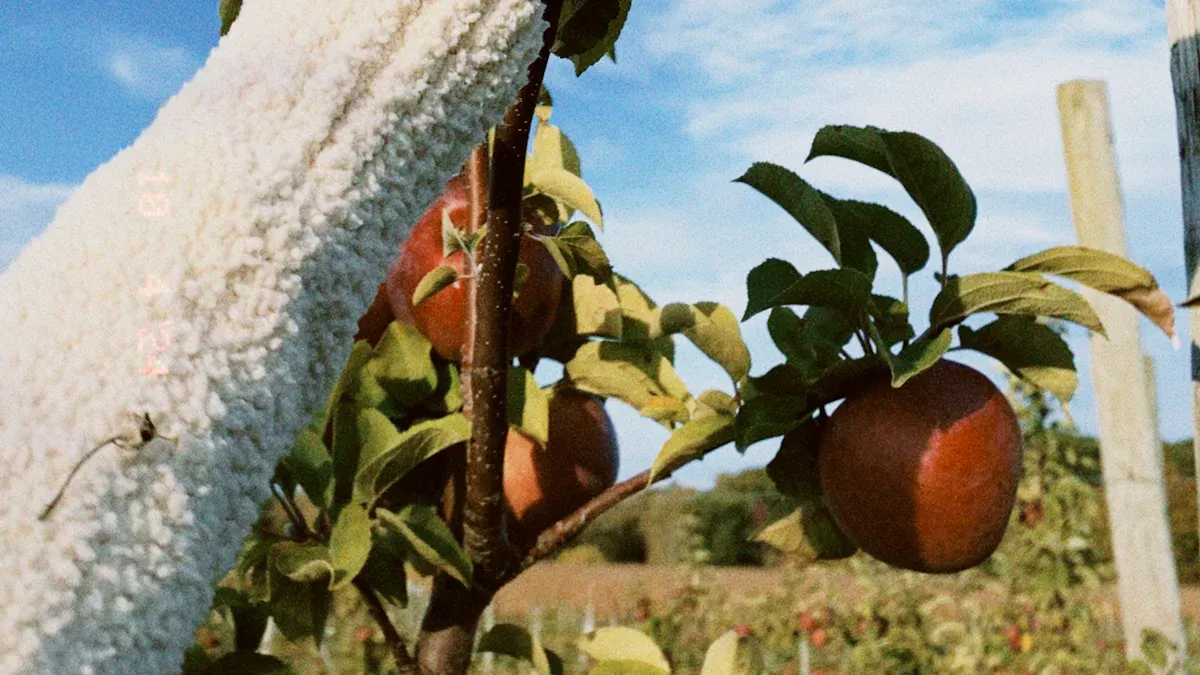
When you decide to grow apples in your backyard orchard, selecting the right varieties is crucial. Different apple types thrive in various climates, so consider your local conditions. Here are some popular apple varieties that do well in temperate climates:
Gala: Sweet and crisp, perfect for first-time orchardists.
Fuji: Dessert-sweet apples that store well.
Granny Smith: Classic for pies and tarts, known for its acidity.
Golden Delicious: Versatile and generous, a staple in home orchards.
McIntosh: Nostalgic flavor, favored in cool climates.
These varieties not only offer delicious fruit but also cater to different tastes and uses, from fresh eating to baking.
Planting Techniques
Proper planting techniques set the foundation for healthy apple trees. Here are some tips to maximize growth and yield:
Choose a sunny spot that gets at least 6 hours of direct sunlight daily.
Ensure the soil drains well but retains some moisture. Avoid heavy clay that can cause root rot.
Maintain good air circulation to prevent fungal diseases; avoid planting in frost pockets.
The ideal soil pH is between 6.0 and 6.5.
Clear weeds and grass from a 4-foot diameter area before planting.
Space trees according to rootstock type: full-size trees need 15 to 18 feet apart, while dwarf trees require 4 to 8 feet.
Dig a hole twice the diameter of the root system and 2 feet deep, ensuring roots are spread out and not crowded.
Remember, do not add fertilizer at planting to avoid root burn, and make sure the graft union is above the soil line.
Care and Maintenance
Once your apple trees are planted, ongoing care is essential for their health and productivity. Here are some best practices:
Practice | Description |
|---|---|
Pruning | Essential for tree health; prune lightly to moderately each year to avoid over-stimulation of growth. |
Fertilizing | Conduct a soil test to adjust pH to 6.2-6.5, following recommendations for optimal nutrition. |
Pest Management | Regular monitoring and management of pests are crucial for maintaining tree health. |
Seasonal Care | Clean up fallen fruit and leaves in fall to prevent disease spread and prepare the tree for winter dormancy. |
Prune your apple trees between February and April to avoid winter injury. Make clean cuts during pruning to promote healing and reduce disease risk.
Pest Management
Pests can pose a significant threat to your apple trees. Here are some common pests and how to manage them organically:
Apple Maggot Fly: Causes damage by tunneling through fruit. Use netting to prevent egg-laying.
Codling Moth: Infests apples, leading to rotting. Early monitoring and treatment are essential for control.
Spider Mites: Suck sap from leaves, weakening the tree. Regular monitoring and intervention are crucial.
Aphids: Feed on sap, causing leaf curling and yellowing. Natural control methods can help prevent damage.
To keep your trees healthy, regularly prune to remove damaged branches, encourage beneficial insects like ladybugs, and use organic treatments such as neem oil.
Harvesting Tips
Harvesting apples at the right time ensures the best flavor and quality. Here are some tips to help you:
Check for color changes; apples should have a rich color when ripe.
Gently twist the apple; if it comes off easily, it’s ready to be picked.
Harvest in the morning when temperatures are cooler to maintain freshness.
Store apples in a cool, dark place to prolong their shelf life.
With these tips, you’ll enjoy a bountiful harvest from your backyard orchard!
Berries: Growing Fruit Trees
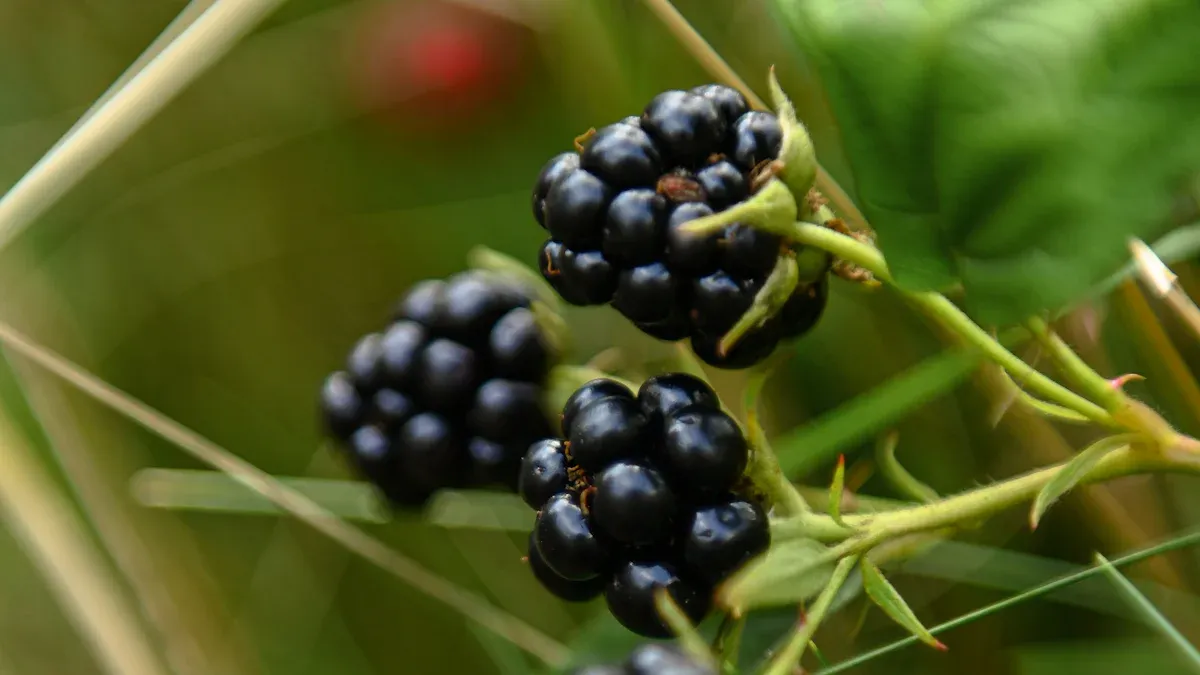
Selecting Berry Types
When you think about growing berries, the first step is choosing the right types for your garden. Different berries thrive in various climates and soil conditions. Here’s a handy table to help you select the best berry types for your backyard:
Berry Type | Ideal Zones | Soil Preference | Notes |
|---|---|---|---|
Blueberries | Zones 2-7 | Acidic (pH 4.5 – 5.5) | Requires acidic soil, high in antioxidants |
Strawberries | Zones 3-10 | Well-drained, slightly acidic | Hardy and versatile, great for beginners |
Raspberries | Zones 3-9 | Well-drained, fertile | Prefer cooler climates, easy to grow |
Blackberries | Zones 4-9 | Rich, well-drained | Need space to spread, high in vitamins |
When selecting berries, consider their flavor, aroma, and sweetness. You’ll want to evaluate their size, color, and productivity. Also, think about how well they can handle cold temperatures. This will help you enjoy a fruitful harvest!
Soil and Planting
Berries love well-prepared soil. Start by testing your soil to determine its nutrient levels and pH. Here are some steps to prepare your soil:
Amend the soil with lime, phosphorus, and potassium based on your test results.
Incorporate these amendments using a rototiller or disk for effective mixing.
Ensure your soil drains well but retains moisture.
For planting, dig holes that are twice the width of the root ball. Space your plants according to their type. For example, blueberries need about 4 feet apart, while strawberries can be closer together.
Watering and Fertilization
Watering is crucial for berry plants, especially during their early development. Here’s a simple guide to help you:
Stage | Key Nutrients Needed | Importance |
|---|---|---|
Pollination | Boron | Critical for fruit set; foliar applications are effective for nutrient uptake. |
Early Development | Nitrogen, Phosphorus | Essential for canopy growth and energy to hold fruit set. |
Mid To Late Season | Calcium, Potassium | Important for fruit development; potassium is particularly needed during this phase. |
Late Season/Post Harvest | Nitrogen (late-season), Insecticides, Fungicides | Maintains plant health and energy for winter; can improve spring vigor. |
Make sure to water your plants regularly, especially during dry spells. Fertilize them according to their growth stage to ensure they get the nutrients they need.
Pest Control
Pests can be a real headache for berry growers. Here are some effective organic pest control methods you can use:
Companion Planting: Grow herbs and flowers alongside your berries to deter pests.
Neem Oil: This natural pesticide works well against various pests when diluted and sprayed on plants.
Homemade Sprays: Create cost-effective sprays from garlic, onion, or hot pepper to keep pests at bay.
Insecticidal Soap: Use low-toxicity soaps to control soft-bodied insects like aphids.
Barrier Methods: Protect your berries with row covers or netting to keep birds and larger insects away.
Regularly inspect your plants and remove any affected parts to prevent pest spread. Maintaining healthy soil also helps your plants resist pests better.
Harvesting and Storage
When it’s time to harvest your berries, timing is everything! Here are some tips to ensure you get the best flavor:
Pick berries in the morning when they’re cool and firm.
Look for vibrant colors and a sweet aroma; these are signs of ripeness.
Store your berries in a cool, dry place to maintain freshness.
With proper care, you’ll enjoy a bountiful harvest of delicious berries right from your backyard!
Citrus Care for Backyard Fruit
Best Citrus Varieties
When you think about growing citrus in your backyard, choosing the right varieties is key. Here are some of the best options for different climates:
Yuzu Ichandrin: Hardy down to 0°F, great for USDA zones 8 and above.
Sudachi Hybrid Yuzu: Cold hardy and can thrive outdoors year-round in USDA zones 8 and above.
Flying Dragon: Tolerates cold temperatures, perfect for USDA zones 8 and above.
Buddha’s Hand: Loves warmer climates.
Calamansi: Prefers warm weather, suitable for USDA zones 8-11.
Citrus trees generally prefer sunny spots with well-drained soil. If you live outside the ideal zones, consider growing them in pots. This way, you can protect them from extreme temperatures.
Planting and Soil Needs
Citrus trees thrive in specific soil types. Here’s what you need to know:
Soil Types:
Clay and Silt Soils: Hold moisture well but resist infiltration when dry.
Loam Soil: A mix of sand, silt, clay, and organic matter; absorbs and retains moisture well.
Sandy Soils: Allow moisture penetration but do not retain it long-term.
To prepare your soil, consider adding compost, sand, manure, lime, or peat moss. These amendments help create the perfect environment for your citrus trees.
Care and Watering
Regular care and watering significantly influence the growth and fruit quality of your citrus trees. Here’s a quick guide:
Factor | Influence on Watering Schedule |
|---|---|
Soil Type | Sandy soils need more frequent watering; clay retains moisture longer. |
Climate | Hot, dry climates require more frequent irrigation; cooler climates need less. |
Tree Age | Young trees need more water for root development; older trees are more resilient. |
Season | Water needs increase in spring/summer and decrease in autumn/winter. |
Container vs. In-Ground | Potted plants require more regular watering due to limited soil volume. |
Make sure to adjust your watering schedule based on these factors to keep your citrus trees healthy.
Pest and Disease Control
Citrus trees can face various pests and diseases. Common pests include aphids, which can deform leaves, and the Orangedog caterpillar, known for defoliating trees. Diseases like Greasy Spot and Sooty Mold can also affect your trees.
To manage these issues, regularly remove fallen leaves to reduce spore sources for Greasy Spot. Spraying with Liquid Copper Fungicide can help control both Greasy Spot and Sooty Mold. For insect pests, Bug Buster Insecticide effectively manages populations that lead to these diseases.
Harvesting Citrus Fruits
When it’s time to harvest your citrus fruits, look for vibrant colors and a sweet aroma. Gently twist the fruit to see if it comes off easily. Harvesting in the morning helps maintain freshness. Store your citrus in a cool, dry place to enjoy them longer!
With these tips, you’ll be well on your way to enjoying delicious citrus fruits right from your backyard!
Seasonal Gardening Calendar
Monthly Tasks for Apples
Managing your apple trees throughout the year is essential for a fruitful harvest. Here’s a month-by-month guide to help you stay on track:
Month | Tasks |
|---|---|
January | Complete a soil test, clean and sharpen tools, fertilize trees, and water if dry. |
February | Prune apples and pears, spray dormant oil, and mow or prune the raspberry patch. |
March | Expand mulch rings, plant new trees, start holistic spray regimen, and remove tree wraps. |
April | Continue holistic sprays, watch for insect and disease issues, and begin weekly watering. |
May | Thin fruits on older trees, apply protective sprays, and protect peach tree trunks. |
June | Harvest serviceberries and cherries, watch for pests, and remove brown rot in stone fruits. |
July | Rejuvenate strawberries, continue harvesting blackberries, and water weekly. |
August | Prune water-sprouts and root-suckers, and harvest Asian and European pears. |
September | Harvest early figs, apples, and pears, and watch for borer damage. |
October | Harvest apples and pears, dehydrate apple slices, and make cider and pies. |
November | Wrap new trees, mow around trees, use fall holistic spray, and aerate soil. |
December | Mulch strawberry plants and trees, insulate figs, and read fruit tree literature. |
Monthly Tasks for Berries
Berries require consistent care to thrive. Here are your monthly tasks:
Blueberries:
Early to mid-spring: Top-dress with fertilizer (0.5 to 1 pound depending on plant age).
Late May to June: Optional second top-dressing at half-rate.
Monthly liquid feeding from after blossoms fall through August.
Mulch with shredded leaves or pine needles (3 inches thick).
Spring pruning: Remove dead branches and maintain bush shape for sunlight penetration.
Raspberries:
Late April: Top-dress with fertilizer (1/4 pound per foot row).
Blossom time: Second round of fertilizer at half-rate.
Start liquid feeding once canes are growing or flowering begins.
Suspend foliar feeding two weeks before berries ripen.
Monthly Tasks for Citrus
Citrus trees need special attention throughout the year. Here’s what to do:
Apply the third fertilizer application in early fall if not done already.
Use a granular fertilizer formulated for citrus, which includes essential micronutrients.
Water the soil around the tree before and after applying fertilizer.
Avoid applying fertilizer to newly planted trees for the first year.
Apply fertilizer around the perimeter of the tree, extending just past the drip line.
Do not apply foliar fertilizer when temperatures exceed 85°F to prevent foliage burn.
By following these monthly tasks, you’ll ensure your apple, berry, and citrus plants thrive, leading to a bountiful harvest!
Growing your own fruit can be a rewarding adventure! You’ve learned about selecting the right varieties, planting techniques, and ongoing care for apples, berries, and citrus. Remember these key recommendations for success:
Recommendation | Description |
|---|---|
Select disease-resistant varieties | Choosing varieties that resist diseases helps ensure healthier fruit production. |
Organically control pests and diseases | Using organic methods minimizes chemical exposure and promotes a healthier garden ecosystem. |
Proper pruning | Regular and correct pruning enhances fruit yield and tree health, preventing overgrowth issues. |
As one gardener beautifully put it, “It feels like I’m getting back to my roots…seeing your own vegetables grow, and eating them, it’s so rewarding.” So, why not dig in and start your fruit gardening journey today? You’ll find joy in nurturing your plants and savoring the fruits of your labor! 🍏🍓
FAQ
What is the best time to plant apple trees?
You should plant apple trees in early spring or late fall. This timing allows the roots to establish before the heat of summer or the cold of winter sets in.
How often should I water my berry plants?
Water your berry plants once a week, ensuring the soil stays moist but not soggy. During dry spells, increase watering to keep them healthy and productive.
Can I grow citrus trees indoors?
Yes! You can grow citrus trees indoors in pots. Just make sure they get plenty of sunlight and maintain a warm temperature for optimal growth.
How do I know when my fruits are ripe?
Check for color and firmness. Ripe fruits often have vibrant colors and yield slightly to gentle pressure. For apples, twist gently; if it comes off easily, it’s ready!
What should I do if my plants get pests?
Inspect your plants regularly. Use organic pest control methods like neem oil or insecticidal soap. You can also introduce beneficial insects like ladybugs to help manage pests naturally.