
Have you ever looked out at your lawn and felt frustrated by those unsightly bare patches? You’re not alone! Many people face this issue, and it can really impact your yard’s overall beauty. A healthy lawn not only enhances your home’s curb appeal but also contributes to a vibrant outdoor space. To effectively fix bare patches, you first need to identify their causes. For instance, understanding that poor soil quality or inadequate watering can lead to these issues helps you choose the right repair methods.
Remember, taking the time to fix those patches can make a world of difference for your lawn!
Key Takeaways
Identify the cause of bare patches to choose the right repair method.
Consider reseeding for cost-effective solutions or sodding for quick results.
Incorporate organic matter to improve soil quality and support grass growth.
Establish a regular maintenance routine to keep your lawn healthy and vibrant.
Water consistently and use fertilizers to promote strong grass development.
Causes of Bare Spots
Poor Soil Quality
One of the main reasons you might see bare spots in your lawn is poor soil quality. If your soil lacks essential nutrients or is compacted, it can hinder grass growth. Here are some factors to consider:
Soil Texture: The texture affects how well roots grow and how nutrients are retained.
Soil Structure: Good structure helps with moisture retention and drainage.
Organic Matter: Adding organic matter can significantly improve soil quality and support healthy grass growth.
If you want to fix those bare spots, start by assessing your soil. Loosening it and adding organic matter can make a big difference.
Inadequate Watering
Another common cause of bare spots is inadequate watering. If you don’t water your lawn enough, especially during dry spells, the grass can suffer. Here are some signs of insufficient watering:
Grass may turn brown or yellow.
You might notice patches where the grass is thinning or dying.
To keep your lawn healthy, ensure you provide consistent moisture. Remember, too much water can also be a problem, so aim for a balanced approach.
Pest Infestation
Pests can wreak havoc on your lawn, leading to unsightly bare patches. Grubs and chinch bugs are notorious for feeding on grass roots, causing dead or thinning areas. Here’s a quick look at some common lawn pests:
Lawn Pests | Damage Period |
|---|---|
Armyworms | April to May and August to October |
Billbugs | July to August |
Cutworms | April to October |
Chinch bugs | April to August |
Sod webworms | June to October |
White grubs | June to October |
If you suspect pests are the issue, consider treating your lawn with appropriate pest control methods.
Disease and Fungal Issues
Lawn diseases can also lead to bare spots. Fungal infections, like brown patch or dollar spot, thrive in warm, humid conditions. Here are some common diseases to watch for:
Brown Patch: Circular patches caused by Rhizoctonia solani.
Pythium Blight: Rapidly kills grass, appearing as orange to bronze spots.
Yellow Patch: Circular yellow patches that occur in spring and fall.
These diseases can weaken your lawn, making it more susceptible to other issues. If you notice these symptoms, it’s essential to act quickly to prevent further damage.
Heavy Foot Traffic
Lastly, heavy foot traffic can lead to bare spots in your lawn. When people or pets frequently walk on the grass, it can compact the soil. This compaction restricts air, water, and nutrients from reaching the roots. Here are some tips to manage foot traffic:
Create designated pathways to guide traffic.
Train pets to stay off certain areas.
Use stepping stones or mulch paths to protect vulnerable spots.
By taking these steps, you can help your lawn recover and thrive.
How to Fix Bare Patches
Fixing bare patches in your lawn can seem daunting, but with the right approach, you can restore its beauty. Here are some effective methods to help you tackle those bare spots.
Reseeding Techniques
Reseeding is a popular method for fixing bare spots. Follow these steps for successful reseeding:
Identify the Problem: Before you start, check for issues like soil compaction or nutrient deficiencies.
Prepare the Area: Mow the damaged grass, remove any dead material, and level the surface.
Choose the Right Seed: Select a grass seed that matches your existing lawn type and climate.
Ensure Seed-to-Soil Contact: Lightly rake the area to mix the seeds into the soil.
Water Consistently: Keep the area moist until the seedlings reach a height of about 3 inches.
Using a starter fertilizer can also promote healthy growth. Remember, patience is key; it may take a few weeks for the new grass to establish.
Sodding Options
If you want instant results, sodding might be the way to go. Here’s what you need to know:
Advantages: Sodding provides immediate coverage and helps control erosion. It establishes quickly, making it ideal for larger areas.
Disadvantages: It can be more expensive and labor-intensive compared to reseeding. You also have fewer grass varieties to choose from.
If you decide to sod, ensure proper installation and consistent watering for the best results. Sodding is particularly effective for larger bare patches, as it gives you a lush lawn almost instantly.
Soil Amendments
Improving your soil can significantly enhance your lawn’s health and help prevent future bare patches. Here are some effective amendments:
Organic Matter: Incorporate compost or well-rotted manure to enrich the soil.
Soil Conditioners: Products like CarbonizPN™ can boost microbial life and improve soil structure.
Topdressing Application: Spread a thin layer of compost or soil over the bare spots to improve conditions for grass growth.
These amendments not only help fix bare patches but also promote a healthier lawn overall.
Watering and Fertilizing
Proper watering and fertilizing are crucial for the success of your lawn repair efforts. Here’s how to do it right:
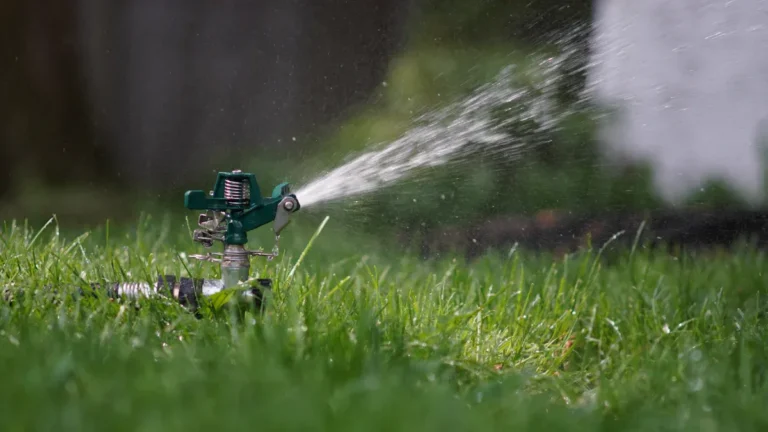
Watering Schedule: Water newly seeded or sodded areas frequently for the first few weeks. After that, transition to deep watering once a week.
Fertilizing: Use a balanced lawn fertilizer after the grass establishes. This supports continued growth and helps your lawn thrive.
In hot or windy conditions, increase your watering frequency to keep the soil moist. Remember, consistent moisture is key to patching those bare spots effectively.
Regular Maintenance Practices
To prevent bare patches from returning, establish a regular maintenance routine. Here are some practices to consider:
Aeration: Aerate your lawn to alleviate soil compaction, allowing air, water, and nutrients to penetrate the roots.
Monitoring for Pests: Keep an eye out for pests or diseases that could harm your grass.
Fertilization: Feed your lawn every 6-8 weeks to maintain its strength and health.
By implementing these practices, you can keep your lawn looking lush and vibrant, reducing the chances of bare spots appearing in the future.
Fixing bare patches in your lawn is essential for a healthy and vibrant outdoor space. Start by identifying the cause of those patches. This understanding helps you choose the right repair method, whether it’s reseeding or sodding. Remember these key takeaways:
Identify the Cause: Knowing what caused the bare spots is crucial for effective repair.
Choose a Repair Method: Decide between seeding for cost-effectiveness or sodding for instant results.
Ongoing Maintenance: Keep up with regular lawn care to ensure your grass stays healthy.
So, why wait? Take action today and transform your lawn into a lush paradise! 🌱
FAQ
What is the best time to reseed my lawn?
You should reseed your lawn in early spring or early fall. These seasons provide optimal temperatures and moisture for seed germination, helping your new grass establish quickly.
How often should I water newly seeded areas?
Water newly seeded areas daily for the first two weeks. After that, switch to watering every other day. Keep the soil consistently moist but avoid overwatering to prevent seed rot.
Can I use any grass seed for bare patches?
No, choose a grass seed that matches your existing lawn type. Consider your climate and sun exposure. This ensures better compatibility and a uniform appearance.
How long does it take for new grass to grow?
Typically, you can expect new grass to sprout within 7 to 14 days after seeding. However, full establishment may take several weeks, depending on the grass type and weather conditions.
What should I do if my lawn has pests?
If you notice pests, identify them first. Then, use appropriate pest control methods, such as insecticidal soap or natural predators. Regular monitoring helps prevent infestations from returning.